
Posted At: Jun 03, 2026 - 1,822 Views

The way we experience sound is changing dramatically. Spatial audio technology has moved beyond traditional headphones and speakers, making its way into one of the most promising wearable categories: smart glasses. For brands, distributors, and businesses seeking smart glasses OEM manufacturing solutions, understanding spatial audio has become a critical factor in product development decisions.
Spatial audio creates a three-dimensional soundscape that mimics how humans naturally hear in the real world. Instead of sound simply playing in your ears, it surrounds you, moving with your head position and creating an experience that feels genuinely immersive. When implemented in smart glasses, this technology transforms ordinary audio playback into something far more engaging and natural.
How Spatial Audio Works in Smart Glasses
At its core, spatial audio relies on advanced audio processing algorithms combined with precisely positioned speakers. The technology uses head-related transfer functions (HRTFs) to calculate how sound waves interact with your ears, head, and torso. By analyzing these interactions, smart glasses can place sounds anywhere in three-dimensional space around the listener.
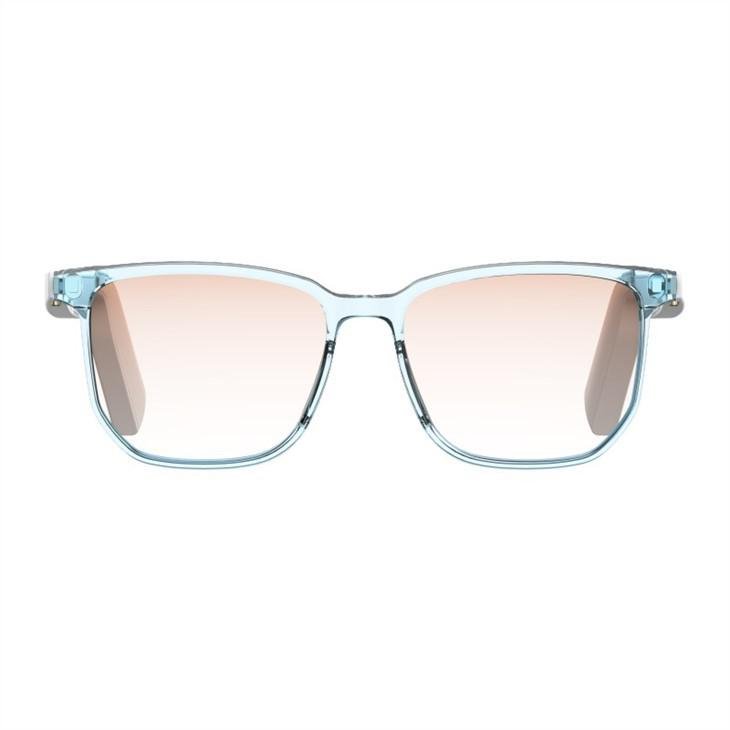
Modern smart glasses with spatial audio typically feature:
- Dual speaker drivers positioned near the temples for open-ear audio delivery
- Motion sensors including gyroscopes and accelerometers to track head movement
- Real-time processing chips that calculate spatial positioning instantly
- Beamforming technology to direct sound toward the user's ears while minimizing sound leakage
When you turn your head while listening to spatial audio content, the sound field remains stable in the virtual space. This creates a compelling illusion that audio objects exist in fixed positions around you, just like sounds in the physical world.
Consider listening to a virtual concert through spatial audio smart glasses. As you look toward the virtual stage, the music becomes more prominent. When you turn away, the audio adjusts naturally, just as it would if you walked away from a live performance. This level of immersion simply cannot be achieved with traditional stereo audio.
Key Benefits for B2B Buyers and Brands
When evaluating smart glasses for your product line, spatial audio delivers several compelling advantages that can differentiate your offerings in a crowded market.
Enhanced User Experience
Users increasingly expect premium audio experiences from their wearable devices. Spatial audio meets this expectation by providing richer, more engaging sound that traditional speakers simply cannot match. Studies show that users describe spatial audio experiences as more natural and less fatiguing during extended use, which translates to higher customer satisfaction and better product reviews.
Expanded Use Cases
Spatial audio opens doors to applications that wouldn't work well with conventional audio. Gaming becomes more immersive when directional sound cues help players locate opponents. Navigation instructions feel more intuitive when audio seems to come from the correct street direction. Video calls gain a new dimension when multiple participants can be heard from their apparent positions in a virtual conference space.
Competitive Differentiation
As the smart glasses market matures, features like spatial audio provide meaningful differentiation. Products equipped with this technology command attention in retail environments and justify premium pricing. For brands building their reputation, offering cutting-edge audio technology signals innovation and quality craftsmanship.
Technical Considerations for OEM Manufacturing
Integrating spatial audio into smart glasses requires careful attention to hardware design, acoustic engineering, and software optimization. Manufacturing partners must balance audio quality against other critical factors including battery life, device weight, and comfort.
Speaker Placement and Design
The positioning of speakers in smart glasses significantly impacts spatial audio performance. Most designs place speakers along the temples, directing sound downward toward the ears. This open-ear approach allows users to remain aware of their surroundings while enjoying audio content. However, achieving optimal spatial positioning requires precise speaker angle calculations and careful acoustic chamber design.
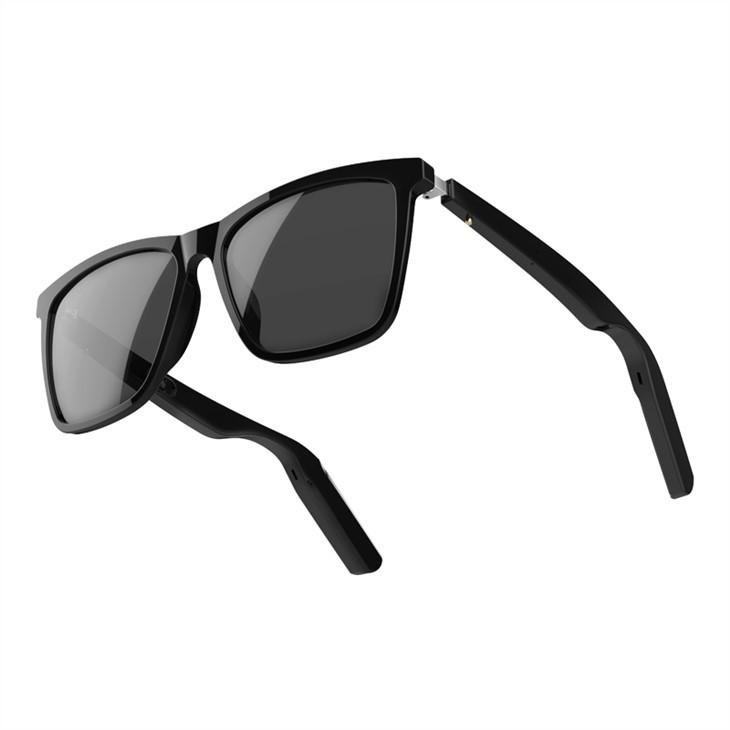
Our trend music sunglasses utilize carefully engineered speaker positioning that maximizes spatial audio clarity while minimizing sound leakage to nearby listeners.
Processing Power Requirements
Spatial audio processing demands computational resources. Real-time HRTF calculations, head tracking integration, and audio object positioning require capable processors. However, advances in dedicated audio processing chips have made it possible to achieve excellent spatial audio performance within the power and thermal constraints of wearable devices. OEM manufacturers must select processors that deliver sufficient performance without sacrificing battery life or generating excessive heat.
Content Optimization
Spatial audio reaches its full potential with properly mastered content. Music and media encoded with spatial audio metadata allows smart glasses to accurately position individual sound elements. When playing standard stereo content, spatial audio processors can upmix the audio to create an enhanced spatial experience, though the results vary depending on source material quality.
Market Applications for Spatial Audio Smart Glasses
The versatility of spatial audio technology supports diverse market applications. Understanding these use cases helps B2B buyers identify the best positioning for their product lines.
| Application | Key Benefits | Target Consumers |
|---|---|---|
| Music and Entertainment | Immersive listening without isolation | Music enthusiasts, commuters, fitness users |
| Gaming and AR | Directional audio cues, enhanced immersion | Gamers, AR application developers |
| Navigation and Travel | Intuitive directional guidance | Travelers, outdoor enthusiasts, drivers |
| Video Communication | Natural multi-participant positioning | Remote workers, businesses |
| Fitness and Sports | Hands-free audio with environmental awareness | Athletes, gym-goers, outdoor exercisers |
Each application demands slightly different optimization. Gaming-focused smart glasses might prioritize low-latency head tracking and pronounced spatial positioning, while music-oriented designs may emphasize frequency response and dynamic range. Working with an experienced OEM manufacturer ensures your spatial audio implementation aligns with your target market's expectations.
Quality Standards for Spatial Audio Implementation
Not all spatial audio implementations deliver equal quality. When evaluating manufacturing partners, B2B buyers should consider several quality indicators that separate premium implementations from basic attempts.
Sound Localization Accuracy
High-quality spatial audio should accurately position sounds in the intended locations. Poor implementations may produce sounds that feel unnatural or seem to originate from incorrect directions. Testing with trained listeners and standardized evaluation criteria helps ensure consistent quality across production runs.
Minimal Latency
Head tracking must respond instantly to maintain the illusion of stable sound positioning. Latency above approximately 20 milliseconds becomes noticeable and can cause discomfort or break the immersion entirely. Premium spatial audio systems achieve latencies well below this threshold through optimized hardware and software integration.
Comfort and Extended Wear
Spatial audio should not compromise wearing comfort. Extended listening sessions require well-balanced weight distribution, appropriate temple pressure, and consideration for different head shapes and sizes. These factors directly impact user satisfaction and return rates for consumer products.
Sound Leakage Control
Open-ear spatial audio designs must manage sound leakage carefully. Users in quiet environments appreciate minimal leakage, while those in noisy settings may accept higher leakage in exchange for environmental awareness. The optimal balance depends on your target use cases and consumer preferences.
Partnering with the Right OEM Manufacturer
Successful spatial audio smart glasses require manufacturing partners who understand both audio engineering and wearable device production. Look for manufacturers with proven experience in acoustic design, access to spatial audio processing expertise, and quality control processes that verify audio performance across production batches.
The ideal OEM partner offers comprehensive services including industrial design consultation, acoustic prototyping, firmware development for audio processing, and compliance testing for global markets. They should be able to demonstrate previous spatial audio implementations and provide objective measurement data supporting their performance claims.
Communication throughout the development process matters significantly. Audio quality is subjective enough that ongoing collaboration between your brand team and manufacturer engineers ensures the final product matches your vision. Establish clear quality metrics and testing protocols before production begins.
The Investment Case for Spatial Audio
Spatial audio technology has moved from premium positioning to expected feature status in the personal audio market. Consumers who have experienced spatial audio through headphones and home theater systems now expect similar capabilities in other audio devices. Smart glasses that lack spatial audio may feel dated or incomplete to these consumers.
The technology also supports premium pricing strategies. Products featuring spatial audio typically justify price points 20-40% higher than comparable devices without this capability. For brands operating in competitive markets, this margin improvement can significantly impact profitability while providing genuine value to end users.
Manufacturing costs for spatial audio have also decreased as the technology matures. Dedicated spatial audio chipsets, optimized speaker designs, and refined manufacturing processes have reduced implementation costs substantially compared to early adopters. This cost trajectory makes spatial audio increasingly accessible across product tiers.
Ready to Explore Spatial Audio Smart Glasses?
Spatial audio represents a meaningful advancement in smart glasses technology, creating opportunities for brands to differentiate their products and deliver genuinely improved user experiences. Understanding the technical foundations, market applications, and manufacturing considerations positions B2B buyers to make informed decisions when developing their product lines.
Whether you're launching a new spatial audio smart glasses product or exploring options for your existing range, working with an experienced manufacturing partner accelerates your path to market. Our team specializes in smart glasses OEM and ODM manufacturing, with deep expertise in spatial audio implementation for diverse applications and market segments.
Contact us today to discuss your spatial audio smart glasses project. We'll help you navigate technical decisions, optimize your product for your target market, and bring your vision to life with quality manufacturing that meets your specifications and timeline.
