
Posted At: May 08, 2026 - 2,300 Views

When consumers pick up a pair of smart glasses for the first time, the first thing they notice isn't the processor speed, battery life, or display resolution. It's the weight. That split-second impression often determines whether a customer proceeds to the next stage of the buying journey or places the product back on the shelf. For B2B buyers, distributors, and brands sourcing smart glasses from OEM manufacturers in China, understanding the critical importance of weight can mean the difference between a bestselling product and an expensive inventory write-off.
The Hidden Cost of Heavy Smart Glasses
Every gram counts in wearable technology. Industry research consistently shows that users expect smart glasses to feel no heavier than traditional eyewear—typically between 25 and 45 grams. Exceed this threshold, and manufacturers face a cascade of negative outcomes. Extended wear becomes uncomfortable, leading to pressure points on the nose bridge and temples. Users report headaches, neck strain, and a general reluctance to incorporate the device into their daily routines. The result? Poor reviews, high return rates, and damaged brand reputation that can take years to rebuild.
Consider the practical implications for your business. A product that weighs 60 grams versus 35 grams may seem like a minor difference on paper, but consumer perception treats it as night and day. Premium brands have recognized this reality, investing millions in research and development to shave grams from their flagship models. Your supply chain decisions directly impact whether your end customers experience joy or frustration with your products.
Anatomy of Smart Glasses: Where the Weight Comes From
Understanding weight distribution requires examining each component category within smart glasses:
- Frame Materials: Traditional materials like stainless steel and acetate can weigh 15-25 grams per temple arm alone, while advanced titanium alloys and carbon fiber composites can reduce this to 5-10 grams.
- Display Modules: waveguide lenses, prisms, and micro-OLED panels typically contribute 8-15 grams depending on the optical architecture chosen.
- Battery Systems: Power requirements directly impact weight, with larger batteries adding 10-20 grams but enabling longer usage between charges.
- Processing Hardware: CPUs, memory modules, and connectivity chips add approximately 5-12 grams to the overall system.
- Sensors and Cameras: Environmental sensors, accelerometers, and forward-facing cameras can contribute an additional 3-8 grams.
- Audio Components: Bone conduction drivers, speakers, and microphone arrays typically weigh 3-7 grams.
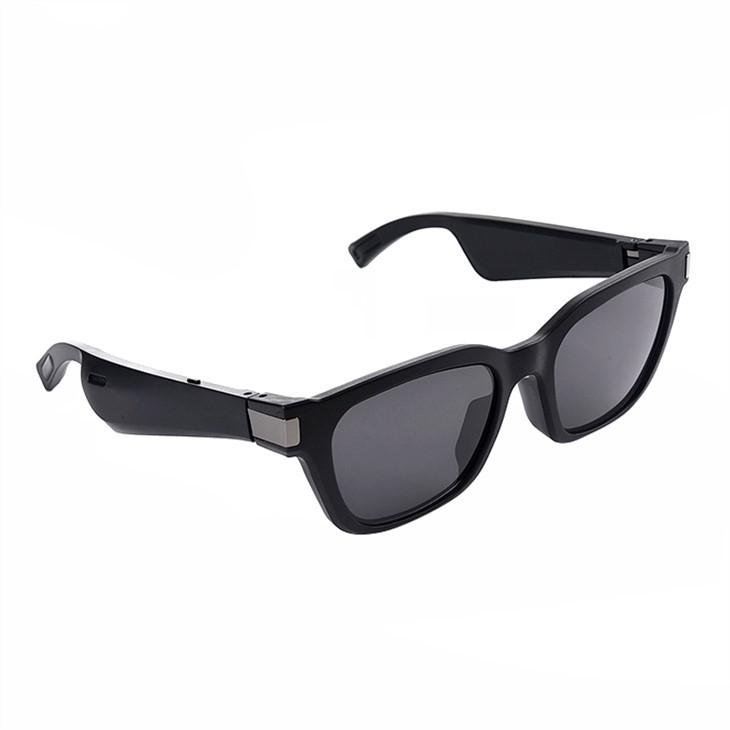
Professional OEM manufacturers must balance these competing demands while meeting target weight specifications. This requires sophisticated engineering expertise and access to advanced materials that may not be available through budget-oriented suppliers.
Material Science: The Foundation of Lightweight Design
The evolution of smart glasses weight largely tracks advances in material science. Today's leading products leverage a combination of exotic materials engineered specifically for wearable applications:
| Material | Weight (per temple) | Durability Rating | Cost Index | Best Application |
|---|---|---|---|---|
| Beta Titanium | 4-6 grams | Excellent | Medium-High | Premium frames |
| Carbon Fiber Composite | 3-5 grams | Very Good | High | Sports & active use |
| Grilamid TR90 | 5-8 grams | Good | Medium | Consumer mass-market |
| Magnesium Alloy | 6-9 grams | Excellent | Medium-High | Feature-rich models |
| Aluminum 7075 | 8-12 grams | Very Good | Medium | Mid-range products |
Working with an experienced OEM partner means gaining access to their material supplier relationships and engineering expertise. These partnerships allow you to select optimal material combinations for your specific price point and target market segment.
Component Miniaturization: Doing More with Less
Beyond material selection, modern smart glasses manufacturers employ aggressive component miniaturization strategies. The same computing power that required a backpack-sized enclosure in 2015 now fits within a few cubic centimeters. This miniaturization directly translates to weight savings across multiple subsystems.
Waveguide optical technology exemplifies this trend. First-generation augmented reality glasses used bulky prism displays that added significant weight and created an unnatural appearance. Current-generation waveguides are dramatically thinner—often less than 1.5mm—while delivering superior visual quality. This 80% reduction in optical module thickness accounts for substantial weight savings without compromising the user experience.
Battery technology follows a similar trajectory. Lithium-polymer cells with higher energy density allow manufacturers to reduce battery weight while maintaining or extending usage time. Some cutting-edge designs incorporate flexible battery technology that conforms to the frame geometry, eliminating wasted space and unnecessary mass.
Balancing Weight Against Features and Price Point
Every design decision involves tradeoffs. Ultra-lightweight products often command premium prices due to expensive materials and specialized manufacturing processes. Conversely, budget-friendly models may weigh more but reach broader market segments with lower price tags. Your role as a brand or distributor is identifying where your target customers fall on this spectrum.
Market segmentation research reveals distinct weight preferences across consumer categories. Outdoor enthusiasts and athletes prioritize ultra-lightweight designs—even accepting reduced battery capacity for every gram saved. Business users value balanced specifications with comfortable extended wear. Fashion-forward consumers may accept slightly heavier frames if the aesthetic appeal meets their standards.
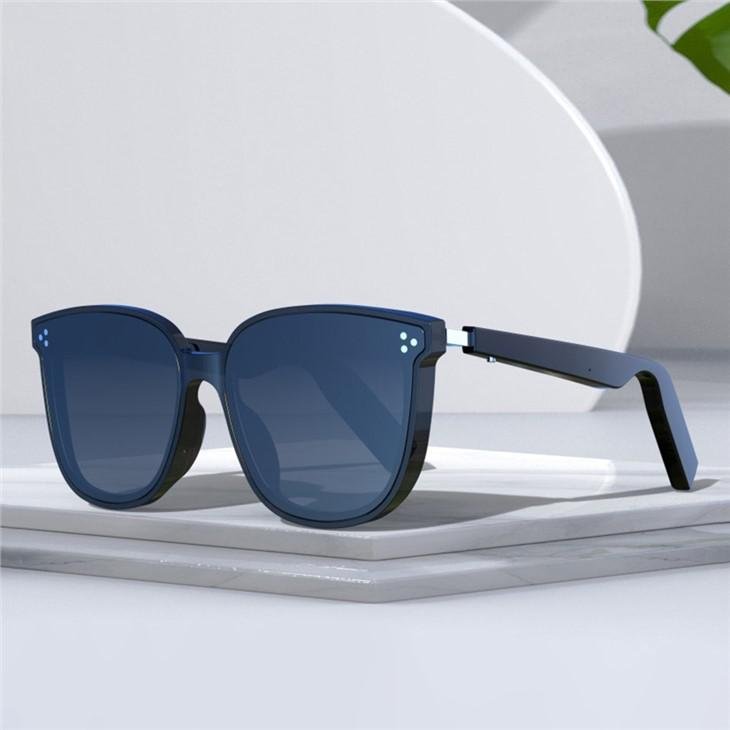
Manufacturing Excellence: The OEM Advantage
Achieving target weight specifications requires more than clever design—it demands manufacturing precision that only experienced smart glasses factories can provide. Injection molding tolerances, surface finishing techniques, and assembly quality control all influence final product weight. Minor variations accumulate through the production process, potentially pushing finished products outside acceptable weight windows.
Quality-focused OEM partners implement statistical process control systems that monitor weight throughout production runs. When deviations occur, automated systems alert technicians for immediate correction. This proactive approach prevents costly batches of out-of-specification products while maintaining consistent weight across units.
Testing and Validation: Proving Weight Performance
Reputable manufacturers subject prototypes and production samples to rigorous testing protocols. Weight testing typically includes:
- Initial weight measurement with precision laboratory scales
- Accelerated aging simulations to verify weight stability over product lifetime
- Environmental testing (temperature, humidity) to ensure materials don't absorb moisture or expand
- Drop testing to confirm structural integrity despite weight reduction efforts
- Real-world wear testing with diverse head shapes and sizes
These validation procedures add time and cost to the development process but protect your brand from embarrassing field failures. Products that fail weight-related testing get redesigned before production begins, not after customers complain.
Design Strategies for Optimal Weight Distribution
Total weight represents only part of the equation. Experienced designers understand that weight distribution significantly impacts perceived comfort. A well-balanced pair of smart glasses distributes mass evenly across the temples, nose, and forehead. Concentrating weight in one area—even if the total is reasonable—creates uncomfortable pressure points.
Innovative frame geometries can reduce effective weight perception. Strategic placement of heavier components like batteries near the temples rather than the nose bridge shifts the center of gravity backward, reducing front-heavy feeling. Some designs incorporate counterweight elements in temple tips to provide balance without adding visible bulk.
Market Trends Shaping Weight Expectations
Consumer expectations for smart glasses weight continue declining as technology improves and competition intensifies. Five years ago, 50-gram smart glasses were considered lightweight. Today, market leaders target sub-40-gram designs as standard, with premium products approaching 30 grams. This trend shows no signs of reversing.
Extended reality (XR) devices face particular pressure as manufacturers aim for all-day wearability. The vision of computing glasses that users forget they're wearing requires relentless weight optimization. Your product roadmap must account for these escalating expectations if you intend to remain competitive.
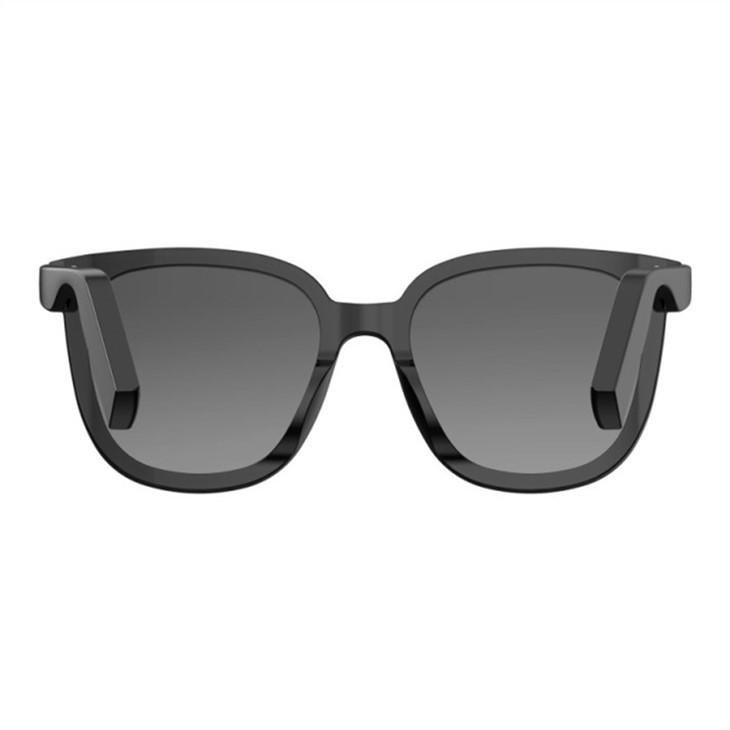
Partner Selection: Finding the Right Manufacturing Ally
Your choice of OEM partner fundamentally determines your ability to deliver lightweight smart glasses profitably. Evaluate potential manufacturers against these critical criteria:
- Engineering Capability: Do they have structural engineers and materials scientists on staff, or do they merely assemble components?
- Material Partnerships: Can they source advanced materials from qualified suppliers at competitive prices?
- Prototype Services: Can they rapidly produce weight-optimized prototypes for your evaluation before production commitment?
- Quality Systems: Do they have documented weight control procedures and measurement traceability?
- Track Record: Have they successfully delivered lightweight products to other brands in your target market segment?
The lowest-cost supplier rarely delivers the best value when weight optimization is critical. Short-term savings from cheaper manufacturing often evaporate against returns, reputation damage, and lost sales from uncomfortable products.
Future Directions in Lightweight Smart Glasses
Emerging technologies promise further weight reductions in the coming years. MicroLED displays consume less power and require smaller batteries while offering superior brightness. Solid-state batteries will deliver higher energy density in lighter packages. Graphene-based components may revolutionize frame construction with unprecedented strength-to-weight ratios.
Brands positioning themselves for long-term success should establish relationships with forward-thinking manufacturers who actively invest in these next-generation capabilities. Early partnership provides competitive advantages when revolutionary materials become commercially viable.
Making Weight a Priority in Your Product Specification
When defining your next smart glasses product, establish explicit weight targets before detailed design begins. Consider your target user's use case, expected wear duration, and feature requirements. Translate these into specific gram allocations for each subsystem. This top-down approach prevents scope creep that leads to overweight products.
Involve your manufacturing partner early in specification development. Their production experience often reveals optimization opportunities that designers miss. An iterative dialogue between brand requirements and manufacturing capabilities produces superior results compared to unilateral specification followed by frustrated compromise.
Ready to discuss your lightweight smart glasses requirements with experienced engineers? Request a consultation today to explore how we can help you achieve your weight targets while maintaining competitive pricing and production quality.
