
Posted At: Oct 12, 2026 - 44 Views

The global smart glasses market is experiencing unprecedented growth, with industry analysts projecting compound annual growth rates exceeding 25% through the next decade. For B2B buyers, distributors, and brands seeking to capitalize on this expansion, understanding the tax incentives and export benefits available through Chinese manufacturing partnerships has become essential to maintaining competitive pricing and maximizing profit margins.
China remains the world's leading manufacturer of consumer electronics and smart wearables, producing over 70% of global smart glasses volume. This dominance stems not only from the country's advanced manufacturing infrastructure but also from a comprehensive ecosystem of government policies designed to support export-oriented production. For businesses looking to source wireless Bluetooth sunglasses and other smart eyewear products, these incentives translate directly into tangible cost advantages that cannot be ignored.
Understanding China's Export-Oriented Tax Framework
The Chinese government has implemented a sophisticated tax incentive system specifically designed to support export manufacturing. For foreign businesses engaging with Chinese smart glasses manufacturers, these policies create multiple layers of potential savings that can substantially reduce overall procurement costs.
The most significant benefit comes in the form of VAT (Value Added Tax) refunds. When manufacturers export products from China, they are eligible to receive refunds on the VAT paid during the production process. For smart glasses and electronic wearables, this typically means recovering 9-13% of the product value, depending on the specific product category and manufacturing components involved. This refund directly reduces the landed cost for international buyers, creating a meaningful competitive advantage compared to sourcing from other manufacturing hubs.
Additionally, enterprises operating in designated high-tech zones and export processing zones often enjoy reduced corporate income tax rates. These special economic areas were established to encourage technological development and export production, with qualifying manufacturers potentially receiving tax rates as low as 15% compared to the standard 25% corporate rate. The savings from these reduced rates can be passed along to B2B customers through more competitive pricing structures.
Tariff Exemptions and Reduced Import Duties
Beyond domestic tax benefits, China's participation in international trade agreements has created favorable conditions for smart glasses exports. Bilateral and multilateral trade agreements with numerous countries provide preferential tariff treatment that further reduces the cost burden for international buyers.
For businesses importing from China, understanding the applicable tariff classifications is crucial. Smart glasses typically fall under Harmonized System codes related to optical instruments and electronic wearables. The combination of Most Favored Nation (MFN) status and various free trade agreements can result in significantly lower import duties compared to non-preferential sources.
Many Chinese smart glasses manufacturers have also developed extensive supply chain networks that allow for strategic component sourcing. By importing materials and components that qualify for duty exemptions or reductions, manufacturers can minimize the overall tax burden on the final product. B2B buyers benefit from these efficiencies through more competitive pricing without sacrificing product quality.
Rebate Rates for Electronic Components
The Chinese government periodically adjusts export rebate rates based on policy objectives and industry conditions. Currently, many electronic components used in smart glasses manufacturing—including PCBs, Bluetooth modules, sensors, and display components—qualify for rebate rates between 13-17%. These rebates effectively lower the manufacturing cost base, creating additional margin opportunities for both manufacturers and their international customers.
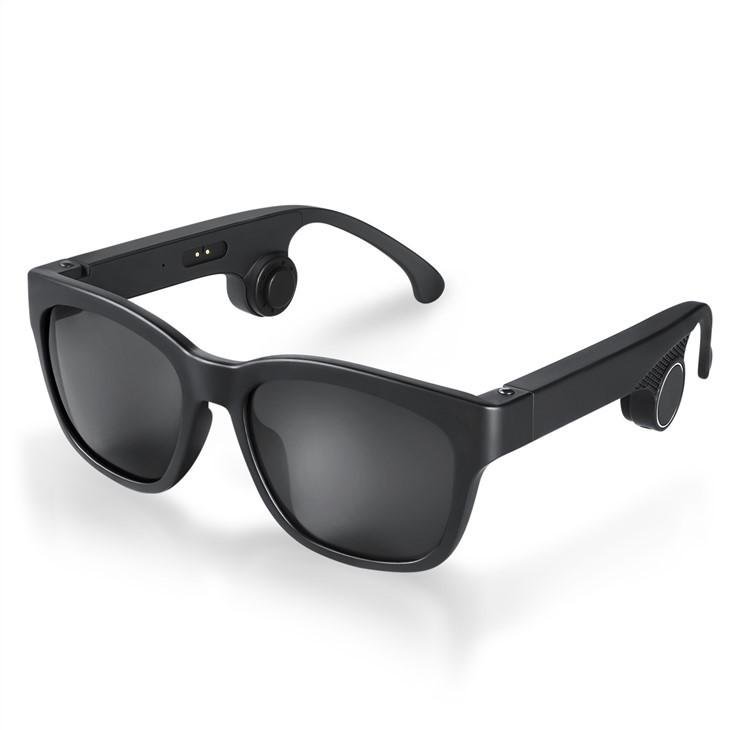
Leveraging OEM/ODM Partnerships for Maximum Benefit
Original Equipment Manufacturer (OEM) and Original Design Manufacturer (ODM) partnerships represent the most effective pathway for B2B buyers to capitalize on China's manufacturing advantages. These arrangements allow foreign businesses to access China's production capabilities while maintaining brand ownership and control over product specifications.
Working with established smart glasses manufacturers through OEM arrangements provides several distinct advantages. First, you gain access to proven manufacturing processes that have been refined over years of production experience. Second, established manufacturers typically have the compliance infrastructure to ensure products meet international standards and certifications. Third, the scale advantages of working with high-volume manufacturers translate directly into lower per-unit costs.
ODM partnerships offer an alternative approach, allowing buyers to select from pre-designed product platforms that can be customized with branding and specific feature modifications. This model significantly reduces time-to-market and development costs while still benefiting from China's manufacturing efficiency. For businesses entering the smart glasses market or expanding their product lines, ODM arrangements provide an attractive balance of customization and cost efficiency.
Regional Manufacturing Advantages
China's manufacturing landscape varies significantly by region, with certain areas offering specific advantages for smart glasses production. The Pearl River Delta region, particularly Shenzhen and surrounding cities, has emerged as the epicenter of consumer electronics and smart wearable manufacturing. This concentration of suppliers, component manufacturers, and specialized labor creates an ecosystem that supports efficient production and rapid prototyping.
Manufacturers in these regions benefit from proximity to component suppliers, reducing shipping costs and lead times. The cluster effect also fosters knowledge sharing and technology transfer, resulting in continuous improvement in manufacturing capabilities. For B2B buyers, sourcing from established manufacturing centers ensures access to the latest production techniques and component technologies.
Several provinces have established special incentive programs for technology manufacturing, including grants, subsidized land use, and preferential loan programs. While these benefits primarily support domestic manufacturers, the resulting efficiency improvements and capacity investments ultimately benefit international customers through better pricing and improved product availability.
Strategies for Maximizing Tax Incentive Benefits
B2B buyers can implement several strategies to ensure they capture the maximum available benefits from China's export incentive system. Working with manufacturers that maintain transparent pricing structures and provide detailed breakdowns of tax components allows buyers to verify that incentive benefits are being properly accounted for in pricing negotiations.
Establishing clear contractual terms regarding export documentation and VAT refund procedures protects both parties and ensures smooth customs clearance. Reputable manufacturers have established processes for handling export documentation that facilitates timely duty drawback recovery. Buyers should confirm these procedures during the vendor selection process to avoid unexpected complications.
Volume commitments can unlock additional pricing benefits, as manufacturers can plan production schedules more efficiently and optimize resource utilization. Long-term purchase agreements provide manufacturers with the confidence to invest in capacity and process improvements that ultimately benefit buyers through better pricing and service levels.
Quality Assurance and Compliance Considerations
While cost advantages are significant, B2B buyers must balance price considerations with quality assurance and regulatory compliance. Chinese manufacturers serving international markets have developed robust quality management systems that meet or exceed international standards.
Look for manufacturers with relevant certifications including ISO 9001 for quality management, ISO 14001 for environmental management, and specific product certifications relevant to your target markets. These certifications indicate commitment to consistent quality and process control that supports reliable product performance at scale.
Product compliance extends beyond manufacturing quality to include regulatory requirements for safety, electromagnetic compatibility, and chemical substances. Working with manufacturers experienced in serving your specific geographic markets ensures products meet local requirements, reducing the risk of compliance issues that could result in costly recalls or market access problems.
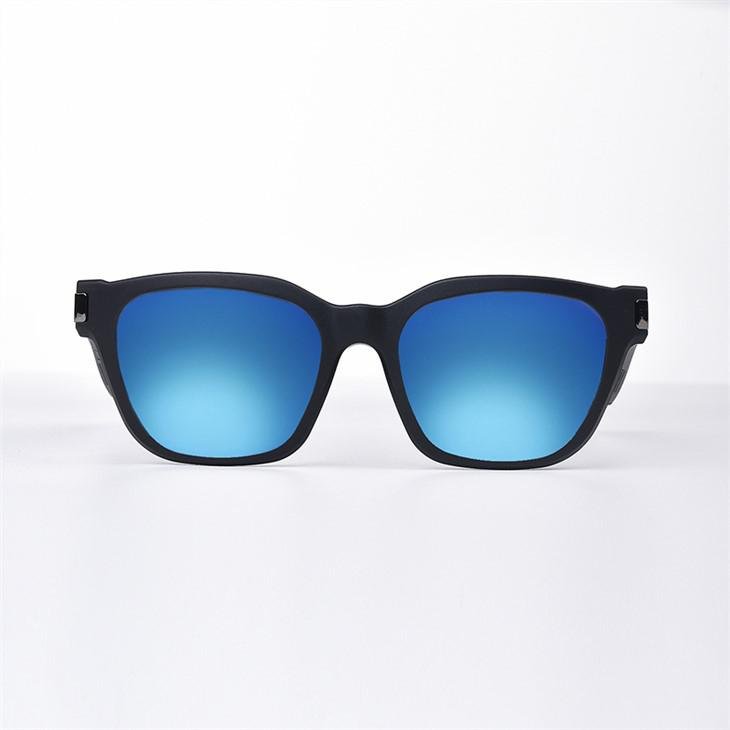
Building Sustainable Manufacturing Partnerships
The most successful B2B procurement strategies go beyond transactional purchasing to build strategic partnerships with manufacturers. Long-term relationships create mutual commitment that drives continuous improvement in quality, efficiency, and value.
Effective partnerships involve regular communication, collaborative product development, and shared commitment to meeting end-customer needs. Manufacturers who view their B2B customers as partners rather than just orders are more likely to proactively share information about cost-saving opportunities, including newly available tax incentives or efficiency improvements.
Consider scheduling regular business reviews to discuss performance, upcoming product roadmaps, and market trends. These discussions create opportunities to identify improvement opportunities and address challenges before they impact the business relationship.
Making the Most of Your Smart Glasses Procurement
The combination of China's favorable manufacturing environment, export incentive programs, and competitive labor costs creates compelling value propositions for B2B buyers sourcing smart glasses and related products. By understanding how these factors interact and selecting manufacturing partners strategically, businesses can achieve significant cost advantages while accessing high-quality products that meet market demands.
The key lies in working with established manufacturers who have proven track records serving international markets and the infrastructure to support smooth export processes. Whether you're looking for smart touch music glasses or specialized industrial applications, the right manufacturing partner can help you navigate the complexities of international procurement while maximizing the available tax benefits and cost efficiencies.
Ready to explore how Chinese smart glasses manufacturing can support your business objectives? Our team has extensive experience helping B2B buyers and brands establish successful procurement relationships that deliver both cost advantages and product quality. Contact us today to discuss your requirements and discover how we can help you access the full range of benefits available through strategic manufacturing partnerships.
