
Posted At: May 12, 2026 - 2,721 Views

The smart glasses market is experiencing a significant seasonal surge as brands prepare for spring collections. B2B buyers and distributors are actively seeking next-generation eyewear that combines fashion with functionality. China manufacturing capabilities have matured considerably, offering unprecedented opportunities for brands looking to launch competitive products without extensive R&D investment.
Why Spring Marks a Critical Procurement Window
Seasonal purchasing cycles heavily influence the smart glasses industry. Spring represents a pivotal moment when consumers upgrade their outdoor accessories, driving demand for sunglasses with integrated technology. Brands that secure manufacturing partnerships during early spring gain a competitive advantage in capturing market share before peak season.
For B2B buyers, this window determines inventory availability for Q2 and Q3 sales cycles. OEM manufacturers typically book production capacity months in advance, making it essential to establish supplier relationships now. The spring new arrival collection showcases manufacturing advancements that will define market expectations throughout 2025.
Audio Integration Dominates Spring Releases
Wireless audio capabilities have become the defining feature of modern smart sunglasses. Consumers increasingly expect seamless music streaming and call functionality without sacrificing style or comfort. This demand has pushed manufacturers to perfect directional audio technology that delivers sound directly to the wearer without external leakage.
The Call Music Smart Glasses exemplify this trend, combining premium audio drivers with polarized lenses. These glasses allow users to take calls hands-free while enjoying music, making them ideal for outdoor professionals, commuters, and active lifestyles. B2B buyers recognize the versatility that drives consumer adoption across multiple use cases.
Polarized Technology Sets New Standards
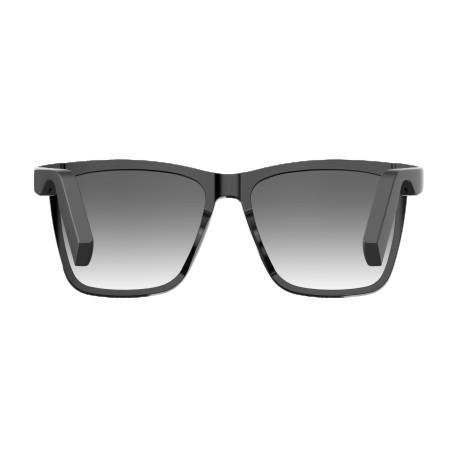
UV protection and polarized lenses have transitioned from premium features to baseline expectations. Today's smart glasses must deliver genuine eye protection alongside technological functionality. China OEM manufacturers have responded by perfecting polarized lens integration that maintains clarity while protecting against harmful sun rays.
The Bluetooth Smart Polarized Sunglasses demonstrate advanced manufacturing capabilities. These glasses feature high-quality polarized lenses that reduce glare effectively while housing compact audio components. The engineering challenge of combining optical quality with electronic integration represents the sophisticated capabilities now available to B2B partners.
Niche Markets Drive Specialized Product Development
Smart glasses manufacturers have recognized that different activities require specialized designs. The market has fragmented into distinct categories, each with unique requirements. Sport enthusiasts demand secure fit and sweat resistance. Travelers need lightweight comfort and extended battery life. Fishing enthusiasts require specialized lens coatings that enhance water visibility.
The Music Fishing Sunglasses target a specific outdoor enthusiast demographic with lenses optimized for glare reduction over water surfaces. Meanwhile, the Music Sports Polarized Sunglasses cater to active users who need durable construction and secure fitting during physical activities. B2B buyers can differentiate their offerings by targeting these specialized segments.
Manufacturing Quality Comparison for Spring 2025
Understanding manufacturing specifications helps B2B buyers make informed sourcing decisions. The following comparison highlights key capabilities across popular spring product categories:
| Feature | Audio Sunglasses | Sport Sunglasses | Travel Sunglasses |
|---|---|---|---|
| Battery Life | 6-8 hours | 5-7 hours | 8-10 hours |
| Weight | 35-45g | 40-50g | 30-38g |
| Water Resistance | IPX4 | IPX5 | IPX4 |
| Lens Type | Polarized/Standard | Polarized | Polarized |
| Bluetooth Range | 10-15m | 10-15m | 10-15m |
Cost Efficiency in China OEM Manufacturing
B2B buyers increasingly recognize the value of partnering with established China manufacturers for smart glasses production. economies of scale in components, specialized labor pools, and mature supply chains contribute to competitive pricing structures. However, quality varies significantly between suppliers, making partner selection critical.
Working directly with manufacturers eliminates intermediary costs while providing greater control over production timelines and customization options. Brands can specify exact specifications, from driver size to lens coatings, without navigating distributor limitations. This direct relationship accelerates product development cycles and enables faster market entry.
Customization Capabilities for Brand Differentiation
Spring collections present opportunities for brand differentiation through exclusive designs. OEM partners offer various customization pathways, including frame colors, logo placement, packaging design, and software branding. Minimum order quantities typically range from 500-1000 units for custom configurations, balancing exclusivity with practical inventory management.
Advanced manufacturers provide comprehensive support including certification assistance for CE, FCC, and regional compliance requirements. This support streamlines market entry across different geographical regions, reducing barriers that previously complicated international distribution.
Supply Chain Resilience and Lead Times
Recent global disruptions have highlighted the importance of supply chain flexibility. Established manufacturers have responded by diversifying component suppliers and maintaining strategic inventory buffers. Spring procurement cycles particularly benefit from these preparations, as demand peaks strain less-prepared suppliers.
Typical production lead times for custom smart glasses range from 45-60 days, with shipping adding an additional 15-30 days depending on destination. B2B buyers should factor these timelines into inventory planning to ensure product availability aligns with seasonal demand peaks.
Technical Specifications That Matter
Beyond basic functionality, several technical specifications differentiate premium products in the smart glasses category. Audio quality depends on driver size, frequency response range, and acoustic chamber design. Connectivity reliability stems from Bluetooth chipset selection and antenna engineering. Battery technology affects both weight and longevity, requiring careful balance during product development.
Lens quality deserves particular attention given its direct impact on user experience. High-quality polarized lenses undergo multi-layer coating processes that determine glare reduction effectiveness, scratch resistance, and optical clarity. Materials range from polycarbonate to TAC (Triacetate Cellulose), each with distinct characteristics affecting cost, weight, and performance.
Market Trends Shaping Spring Procurement Strategy
Several converging trends influence smart glasses purchasing decisions this season. Sustainability concerns drive interest in recyclable materials and reduced packaging. Health awareness increases demand for UV protection features. Connectivity expectations expand as consumers integrate smart devices into daily routines seamlessly.
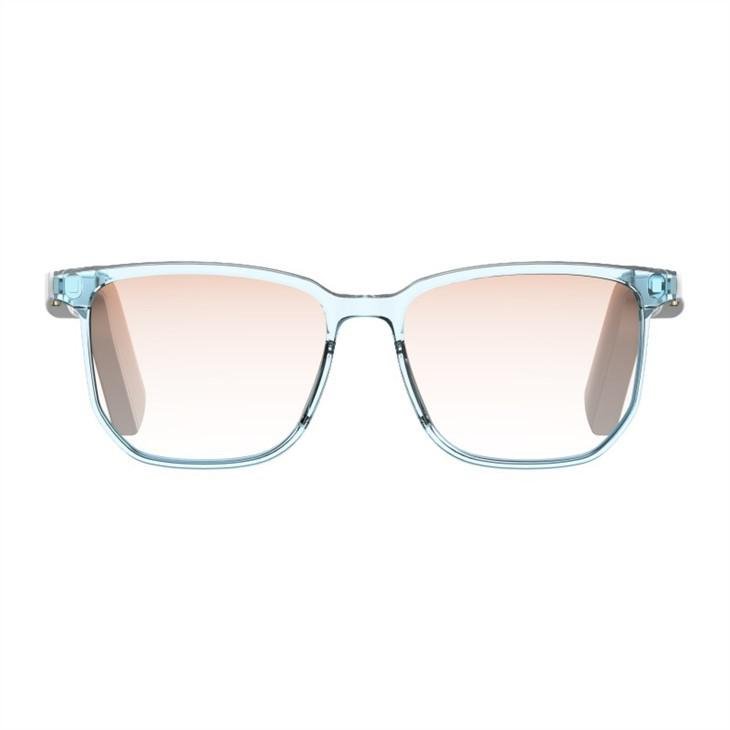
The Travel Music Glasses reflect these broader trends by combining ultra-lightweight construction with extended battery performance and premium polarized lenses. Such multi-feature products appeal to consumers seeking to minimize device carrying while maximizing functionality.
Building Long-Term OEM Partnerships
Strategic B2B buyers view OEM relationships as partnerships rather than transactional supplier engagements. Successful partnerships involve transparent communication, fair payment terms, and collaborative product development. Manufacturers appreciate partners who provide clear specifications and timely feedback, enabling continuous improvement in production quality.
Initial orders typically serve as foundation for ongoing relationships. Manufacturers offer increasingly favorable terms—lower minimums, better pricing, priority production slots—as partnership history develops. B2B buyers should approach initial engagements with long-term relationship potential in mind.
Quality Assurance Considerations
Robust quality assurance processes separate premium OEM manufacturers from budget alternatives. Comprehensive testing protocols should cover electrical safety, battery performance, audio quality, lens optical properties, and structural durability. Certificates from recognized testing laboratories provide third-party verification of manufacturing claims.
Production sampling before full manufacturing runs identifies potential issues early, preventing costly problems in finished inventory. Professional manufacturers encourage pre-production samples and welcome quality-focused buyer involvement throughout production processes.
Ready to Source Spring Smart Glasses?
The spring 2025 smart glasses market presents substantial opportunities for B2B buyers prepared to act strategically. Early procurement secures manufacturing capacity during peak season, while careful supplier selection ensures quality consistency. China OEM manufacturers offer the technical capabilities and cost structures necessary to compete effectively in this growing market segment.
Explore the complete Bluetooth Audio Sunglasses with Polarized Lenses collection for spring inventory planning. Our team provides detailed specifications, customization options, and transparent pricing for wholesale and OEM partnerships. Connect with our manufacturing experts to discuss your specific requirements and production timelines.
