
Posted At: Sep 04, 2026 - 40 Views

The smart glasses market continues to expand with new players entering the space, yet consumer adoption has remained inconsistent across regions and demographics. While manufacturers celebrate technological breakthroughs, a different story emerges when examining user feedback, return rates, and satisfaction surveys. For B2B buyers seeking to position themselves in this market, understanding these pain points represents more than academic interest—it directly informs product development decisions, partnership selections, and ultimately, commercial success.
The Weight Problem: Heavy Glasses Nobody Wants to Wear
Without question, the most frequently cited complaint across smart glasses reviews involves weight distribution and overall wearing comfort. Traditional eyeglasses typically weigh between 25 and 50 grams. Most first-generation smart glasses exceeded 75 grams, with some enterprise models reaching beyond 150 grams. This additional weight, concentrated in the temple arms and bridge areas where batteries and processors reside, creates pressure points that make extended wear uncomfortable.
Users report headaches after wearing heavier smart glasses for more than two hours. Fitness enthusiasts specifically complain about movement-related discomfort during physical activities. The practical consequence? These devices end up abandoned in drawers rather than delivering the continuous value proposition manufacturers envision.
Modern manufacturing advances now enable significantly lighter constructions. Our anti-sweat sports glasses utilize aerospace-grade materials that reduce overall weight while maintaining structural integrity. B2B buyers should prioritize partners demonstrating expertise in lightweight engineering when evaluating suppliers.
Battery Life: The Constant Anxiety of Power Depletion
Modern smartphone users have grown accustomed to all-day battery performance. When consumers encounter smart glasses requiring charging every few hours, disappointment quickly follows. User reviews consistently highlight battery anxiety as a major friction point—worrying about device shutdown during important tasks fundamentally undermines the convenience proposition these products promise.
The technical challenge stems from the fundamental physics of miniaturization. Higher capacity batteries mean increased size and weight, creating a direct conflict with the weight reduction priorities discussed above. Manufacturers face difficult trade-offs between functionality, comfort, and endurance.
Current market leaders report between four and eight hours of active use battery life, though mixed usage typically delivers closer to five hours in real-world conditions. Users specifically report disappointment when advertised battery specs fail to match actual performance, particularly for power-intensive features like continuous Bluetooth streaming or heads-up display operation.
Audio Quality: Sound Leakage and Clarity Issues
Open-ear audio systems, where sound transmits directly to the ear canal without earbuds, represent a defining characteristic of most consumer smart glasses. However, this design approach introduces significant user complaints regarding sound quality and privacy concerns.
Users report that smart glasses struggle in noisy environments—subway commutes, busy offices, and outdoor settings all degrade the listening experience substantially. The lack of noise isolation means users must increase volume beyond comfortable levels to achieve adequate clarity, creating potential hearing damage risks.
Conversely, in quiet environments, sound leakage becomes the complaint. Conversations nearby become audible to others, creating awkward social situations. Professional users express particular concern about confidential calls being overheard in office settings.
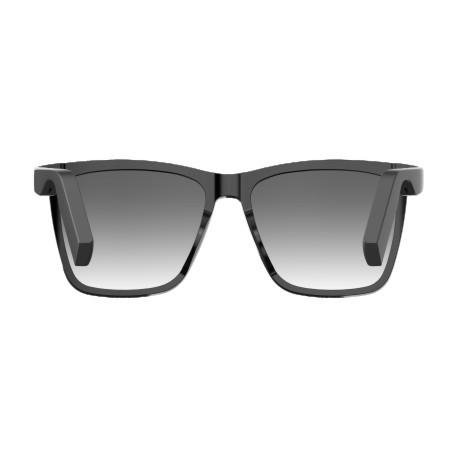
Advanced solutions in directional audio technology partially address these challenges. Our trendy music sunglasses incorporate proprietary speaker configurations that minimize sound leakage while maintaining environmental awareness—a balance critical for outdoor and fitness applications.
Connectivity and Pairing Frustrations
Smart glasses derive much of their value through smartphone integration, yet this dependency creates connectivity challenges that generate substantial negative reviews. Users report inconsistent Bluetooth pairing, spontaneous disconnections, and lengthy reconnection processes when switching between devices.
The troubleshooting experience compounds these frustrations. Unlike headphones or smartwatches, smart glasses offer limited on-device controls for managing connections. When problems arise, users often must completely reset Bluetooth settings or reinstall applications—processes that alienate less technically inclined consumers.
Cross-platform compatibility presents additional challenges. Applications designed for iOS may offer limited functionality on Android, or vice versa. Users purchasing smart glasses as gifts frequently discover compatibility limitations only after unboxing, leading to negative reviews and return requests.
Display and Visual Technology Limitations
Consumer smart glasses with integrated displays face persistent challenges in delivering clear, readable content in varying lighting conditions. Early models suffered from poor visibility outdoors, essentially rendering the display useless during daylight hours. While optical waveguide technology has improved substantially, premium display quality remains concentrated in high-end devices at price points inaccessible to mainstream consumers.
Field of view limitations frustrate users expecting immersive AR-like experiences. Most consumer smart glasses offer fields of view between 15 and 30 degrees—far narrower than the 90+ degree immersion users experience with VR headsets. This technical constraint means notifications and information display occupy only a small portion of the wearer's visual field, requiring head movement to view content comfortably.
Camera quality on smart glasses equipped with photo and video capabilities generates mixed feedback. While adequate for quick captures, image quality consistently falls below smartphone standards. Users expecting convenient hands-free photography discover that convenience compromises image resolution, stabilization, and low-light performance.
Durability and Weather Resistance Concerns
Consumer electronics must withstand daily use across diverse environmental conditions. Smart glasses face particular durability challenges due to their worn position on the face and exposure to the elements. User complaints frequently mention sweat damage, rain exposure, and accidental drops causing premature device failure.
The integrated electronics create repairability obstacles that frustrate consumers. Unlike traditional glasses where replacement lenses or arms resolve most damage, smart glasses with internal component failures often require complete replacement. This reality makes durability specifications critically important for buyer decision-making.
Temperature sensitivity presents unexpected challenges. Users report performance degradation in extreme heat (leaving devices in parked vehicles) and cold (winter outdoor activities). Battery performance particularly suffers in cold conditions, with some users reporting 50% capacity reduction in freezing temperatures.
Privacy and Social Acceptance Barriers
Perhaps no issue generates more discussion than the privacy implications of camera-equipped smart glasses. High-profile incidents involving secret recording have created public skepticism toward wearers of smart glasses in certain contexts. Some venues actively prohibit smart glasses, and social encounters with unfamiliar individuals can become uncomfortable when others notice recording capabilities.
Enterprise adoption faces fewer social acceptance barriers, but consumer markets show significant segmentation based on these concerns. Younger demographics generally express greater comfort with wearable technology, while older demographics cite privacy concerns as primary adoption barriers.
The LED indicator lights manufacturers include as privacy safeguards receive mixed reviews. Some users appreciate the transparency, while others feel the indicators mark them as surveillance risks. This tension represents an ongoing design challenge without clear resolution.
Price Versus Value Perception
Consumer expectations for technology pricing have been shaped by rapid cost reductions in smartphones, laptops, and other electronics. When smart glasses enter markets at $300-$700 price points while delivering limited functionality compared to devices users already carry, value perception struggles to justify expenditure.
Users specifically compare smart glasses against their smartphones, noting that existing devices perform most tasks better while costing similar or lower amounts. This comparison creates a challenging value proposition for manufacturers—smart glasses must either offer unique capabilities unavailable elsewhere or deliver existing functionality with significant convenience advantages.
Enterprise buyers show greater willingness to pay premium prices when clear productivity benefits emerge. Consumer markets, however, remain sensitive to price points, with substantial user feedback suggesting that current pricing exceeds perceived value for most use cases.
Software Ecosystem and App Support
The functionality of smart glasses depends heavily on software integration, yet the app ecosystem remains fragmented across manufacturers. Each brand maintains proprietary applications with limited third-party development, creating isolation that frustrates users wanting seamless integration with favorite services.
Notification management presents particular challenges. Users report notification overload when smart glasses replicate all smartphone alerts, versus notification fatigue when too few alerts reach the glasses. Finding the right balance requires sophisticated software customization that many manufacturers underserve.
Update frequency and support longevity also generate complaints. Smart glasses receiving infrequent firmware updates quickly feel obsolete compared to continuously improving smartphone applications. Users question investing in devices that may not receive support beyond initial purchase.
Common Complaints Summary Table
| Pain Point Category | Frequency | Impact Level | Engineering Complexity |
|---|---|---|---|
| Weight and Comfort | Very High | Critical | Medium |
| Battery Life | Very High | Critical | High |
| Audio Quality | High | High | Medium |
| Connectivity Issues | Medium-High | Medium | Medium |
| Display Limitations | High | High | High |
| Durability | Medium | Medium | Medium |
| Privacy Concerns | Medium | High | Low (Awareness) |
| Price/Value | Very High | Critical | High |
Market Implications for B2B Buyers
These user complaints translate directly into market opportunities for brands willing to address documented pain points. The gap between consumer expectations and current product performance creates differentiation potential for thoughtful manufacturers and retailers.
Partnership selection matters enormously when targeting these opportunities. Not all smart glasses manufacturers possess equal capabilities across the pain point categories. Some excel at lightweight engineering while others lead in audio quality or battery optimization. Effective B2B buyers match partner strengths against target market priorities.
Supply chain relationships also influence pain point resolution. Manufacturers with established component supplier partnerships often access better display technologies, battery solutions, and audio components. These relationships translate into product capabilities that address user complaints more effectively than manufacturers starting from scratch.
Strategic OEM Partnership Considerations
When evaluating OEM partnerships, B2B buyers should request specific data addressing the pain points discussed above. Request weight specifications, battery performance under various conditions, and documented durability testing results. Quality manufacturers maintain comprehensive specifications and testing documentation that demonstrates attention to user experience concerns.
Sample evaluation programs should include extended wear testing to identify comfort issues before committing to production volumes. Many complaints emerge only after days or weeks of regular use—short-term evaluation misses these critical insights.
Communication with potential partners about complaint categories reveals manufacturer priorities. Partners who demonstrate understanding of these pain points and can articulate their approaches to resolution show greater commercial alignment than those focused purely on feature lists and pricing.
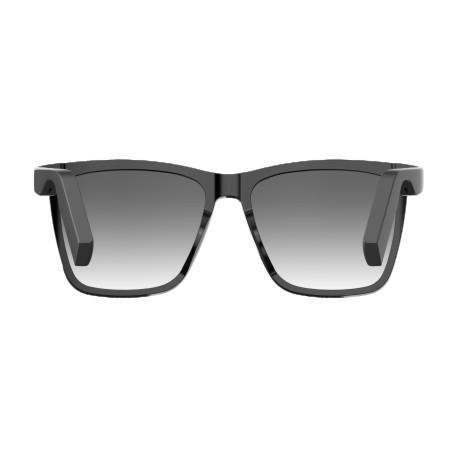
Our smart casual sunglasses reflect extensive user feedback integration, balancing weight, battery life, and audio quality for everyday consumer applications. Similarly, our polarized smart driving glasses address specific use-case requirements with appropriate technical specifications.
Looking Forward: Pain Point Evolution
The smart glasses pain points documented here represent current market realities, but rapid technology evolution promises resolution for many challenges. Battery technology advances, particularly in solid-state solutions, may soon enable all-day power in lighter packages. Display manufacturers continue reducing waveguide costs while improving field of view specifications. Audio technology companies develop increasingly sophisticated directional systems that minimize leakage without compromising quality.
B2B buyers positioning for long-term market success should monitor these technology trajectories while meeting current market needs. Partnering with manufacturers demonstrating both present capabilities and technology roadmap alignment positions brands to capitalize on pain point resolutions as they materialize.
The brands that ultimately succeed in consumer smart glasses will be those that systematically address documented user complaints while maintaining price points aligned with perceived value. For B2B buyers, this reality creates both challenge and opportunity—challenging existing product assumptions while opening markets for brands willing to prioritize user experience over feature proliferation.
Ready to explore smart glasses solutions that address these documented pain points? Our team at Smart Glasses Factory specializes in OEM and ODM partnerships designed around real user needs. Contact our manufacturing specialists to discuss your product requirements and discover how we can help you bring smart glasses to market that consumers actually want to wear.
