
Posted At: Jul 27, 2026 - 58 Views

The United Kingdom's smart glasses market has entered a transformative phase. Following Brexit, businesses importing wearable technology face a fundamentally altered trading environment that demands strategic recalibration. For B2B buyers, distributors, and brands seeking competitive edge in this space, understanding the intersection of UK market demand and Chinese manufacturing capabilities has never been more critical.
Understanding the UK Smart Glasses Market Landscape
UK consumers increasingly embrace smart wearable technology, with smart glasses emerging as the next frontier in portable computing. Market research indicates strong growth trajectories across multiple segments: audio sunglasses for commuters, fitness-focused smart sports glasses, and AR-enabled devices capturing attention from enterprise clients. British retailers report rising inquiries for products combining fashion aesthetics with functional technology, creating demand that domestic production cannot satisfy.
The post-Brexit regulatory environment introduces complexities but also clarifies pathways for international trade. UKCA marking requirements, customs documentation standards, and VAT registration thresholds now shape how businesses structure their supply chains. Companies that adapt quickly to these requirements gain measurable advantages over competitors still navigating transition periods.
Post-Brexit Trade Considerations for Smart Glasses Importers
Importing smart glasses from China into the UK involves several strategic considerations that directly impact profitability and operational efficiency. Customs duties, currently running at standard rates for electronic wearables, form a baseline cost that effective sourcing strategies must optimize around. Working with experienced freight forwarders familiar with UK customs procedures significantly reduces clearance delays and compliance risks.
VAT treatment requires careful attention. Post-Brexit changes mean that low-value shipments previously handled under customs procedures now face different treatment. Businesses should establish proper VAT registration and understand reverse charge mechanisms for B2B transactions to maintain cash flow stability. These administrative requirements, while initially daunting, become manageable with proper systems in place.
Product compliance represents another critical dimension. Smart glasses must meet UK electromagnetic compatibility standards, battery safety regulations, and potentially specific requirements for audio devices. Chinese manufacturers experienced in European and UK markets typically maintain compliance documentation, though independent verification provides additional assurance.
Why Chinese Manufacturing Delivers Value for UK Smart Glasses Procurement
China remains the dominant global hub for consumer electronics manufacturing, and smart glasses production exemplifies this capability concentration. From component suppliers to assembly operations, the entire supply chain infrastructure exists within manageable geographic proximity. This integration enables rapid prototyping, flexible production volumes, and competitive pricing that alternative sourcing destinations struggle to match.
OEM and ODM partnerships with Chinese manufacturers offer UK businesses particular advantages. Custom branding implementations, from logo etching to proprietary software configurations, allow companies to establish distinct market positioning without substantial capital investment in manufacturing facilities. The best manufacturers provide comprehensive support including packaging design, compliance documentation, and quality control protocols tailored to UK market requirements.
Production costs in China, while rising, remain significantly below UK or European alternatives. Combined with favorable logistics connections through established shipping routes to British ports, total landed costs for quality smart glasses compare favorably against locally manufactured equivalents. This cost structure enables competitive retail pricing while maintaining healthy margins throughout the distribution chain.
Product Categories Driving UK Market Demand
Several smart glasses categories demonstrate particular strength within UK consumer preferences. Audio sunglasses have captured significant market share, appealing to active individuals seeking hands-free music and calls during outdoor activities. The combination of UV protection with integrated speakers addresses genuine user needs, particularly during British summer months when outdoor recreation peaks.
Smart sports glasses targeting fitness enthusiasts represent another growth vertical. These devices typically incorporate heart rate monitoring, performance tracking, and workout guidance features. UK gyms and sports retailers increasingly stock related products, creating retail opportunities for distributors who can ensure consistent supply and competitive pricing.
Enterprise-focused smart glasses remain a developing category with substantial long-term potential. UK businesses exploring AR applications for training, logistics, and remote assistance create demand for devices meeting professional specifications. This segment favors direct manufacturer relationships where customization options support specific use case requirements.
Navigating Quality Assurance and Supply Chain Reliability
Quality consistency ranks among the primary concerns UK buyers express when sourcing smart glasses from international manufacturers. Effective risk mitigation combines several approaches: detailed product specifications, pre-shipment inspection protocols, and relationship building with manufacturing partners committed to long-term partnerships rather than transactional exchanges.
Reputable Chinese manufacturers maintain quality management systems aligned with international standards. Requesting documentation of testing procedures, component sourcing practices, and failure rate tracking provides insight into production reliability. Site visits, while not always practical, offer the deepest assurance for committed buyers establishing ongoing procurement relationships.
Supply chain disruptions, amplified by global events in recent years, have elevated supply chain resilience to strategic priority status. Businesses should evaluate manufacturer capacity for rapid scaling, component inventory management practices, and alternative production arrangements that provide continuity during challenging periods. Building relationships with multiple manufacturing contacts provides additional security without necessarily requiring split procurement volumes.
Building Strategic OEM Partnerships for Long-Term Success
Sustainable competitive advantage in smart glasses distribution emerges from strategic manufacturer partnerships rather than purely transactional purchasing arrangements. OEM partnerships enable product differentiation through custom features, branding, and packaging that establish market identity. These arrangements require upfront investment in relationship development but generate compounding returns as products gain market acceptance.
Communication effectiveness significantly influences partnership outcomes. Clear specification documentation, realistic production timelines, and responsive feedback during development phases distinguish successful collaborations. Chinese manufacturers serving international markets have developed cultural competence and language capabilities that facilitate these exchanges, though establishing mutual expectations early prevents downstream complications.
Volume commitments, while potentially challenging to guarantee, unlock pricing structures that enhance market competitiveness. Manufacturers appreciate forecast visibility that enables capacity planning, and buyers who provide reliable demand signals typically receive preferential treatment during capacity-constrained periods. This reciprocal relationship building creates partnership dynamics that benefit both parties over extended timeframes.
Market Outlook and Strategic Positioning
The UK smart glasses market demonstrates structural growth drivers that extend beyond short-term economic fluctuations. Consumer familiarity with wearable technology, improving device aesthetics, and declining price points collectively expand addressable market segments. Early movers establishing supply chain infrastructure and brand presence position themselves advantageously as these trends accelerate.
Post-Brexit regulatory frameworks, while initially creating adjustment costs, ultimately provide clarity that supports long-term planning. Businesses that have completed compliance implementation now operate with greater certainty than during transition periods. This stability encourages investment in marketing, inventory, and customer acquisition activities that build durable market positions.
Competitive dynamics within the UK market continue evolving as more players recognize segment opportunities. Differentiation through product selection, service quality, and brand positioning becomes increasingly important as commoditization pressures emerge. Manufacturers capable of supporting these differentiation strategies through flexible production and customization capabilities become essential partners rather than simple vendors.
Comparative Analysis: UK Smart Glasses Market Segments
| Segment | Target Consumer | Key Features | Price Sensitivity | Growth Potential |
|---|---|---|---|---|
| Audio Sunglasses | Urban commuters, outdoor enthusiasts | Music, calls, UV protection | Medium | High |
| Smart Sports Glasses | Fitness-focused individuals | Performance tracking, biometric sensors | Medium-High | Very High |
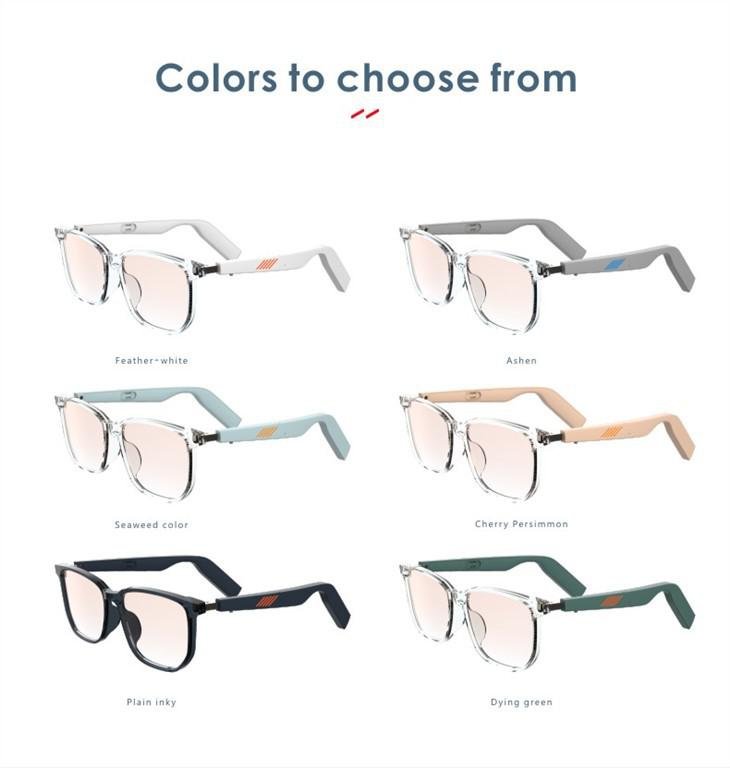
| Fashion Audio Frames | Style-conscious consumers | Design emphasis, multiple colors | High | Medium-High |
| Enterprise AR Glasses | Business and industrial users | AR display, hands-free operation | Low | Medium |
| Travel Sunglasses | Frequent travelers | Polarized lenses, noise isolation | Medium | Medium |
Taking Action: Next Steps for UK Market Participants
Whether establishing initial smart glasses procurement or optimizing existing supply chains, businesses benefit from systematic evaluation of manufacturer partnerships. The UK market rewards those who combine product quality, competitive pricing, and reliable supply with effective marketing and customer engagement.
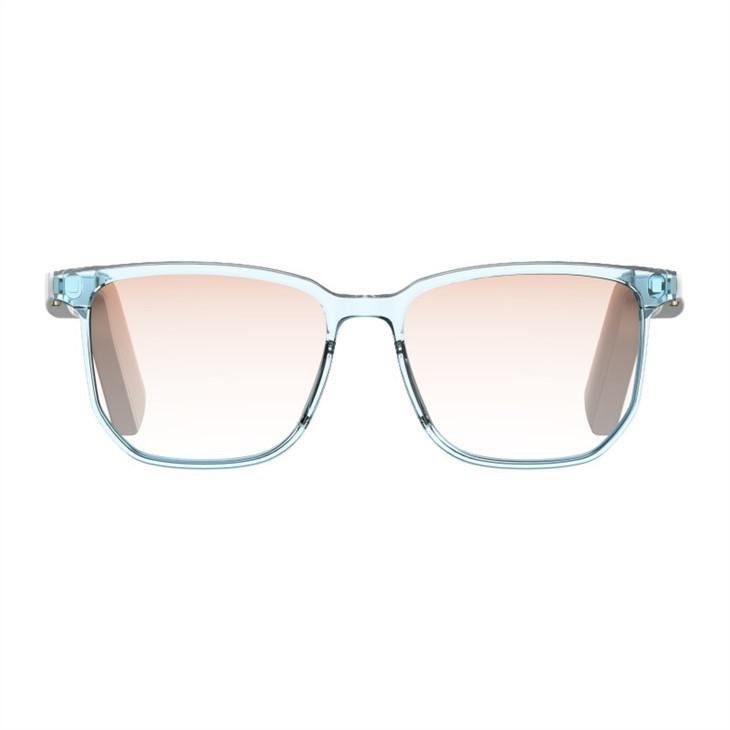
Exploring available smart glasses options reveals diverse possibilities across price points and functional categories. Android fashion Bluetooth smart glasses offer mainstream appeal with established feature sets. For specialized applications, smart call sports glasses target the fitness segment with appropriate durability and functionality profiles.
The path forward requires action. Market opportunities do not wait, and competitors who move decisively capture advantages that become increasingly difficult to challenge over time. Engaging with capable manufacturing partners, developing product strategies aligned with UK consumer preferences, and building operational capabilities for international procurement position businesses to thrive in this dynamic market.
Ready to explore smart glasses procurement opportunities that align with UK market requirements? Our team understands the specific needs of British distributors and brands, providing guidance from product selection through delivery optimization. Reach out today to discuss how we can support your market positioning and growth objectives.
