
Posted At: Aug 12, 2026 - 31 Views

The global logistics industry faces mounting pressures: accelerating delivery expectations, labor shortages, and the desperate need for operational efficiency. Supply chain managers are constantly searching for technologies that can streamline workflows without overhauling entire infrastructure. Enter smart glasses for logistics—a technology that seems almost futuristic but delivers measurable, immediate results in warehouses, distribution centers, and last-mile delivery operations worldwide.
Smart glasses are no longer experimental gadgets reserved for tech enthusiasts. Major logistics companies including DHL, Amazon, and UPS have already deployed these devices across their operations, reporting significant improvements in picking accuracy, training time, and overall throughput. For businesses seeking to stay competitive, understanding this technology and securing reliable manufacturing partnerships has become essential.
Why Smart Glasses are Revolutionizing Logistics Operations
Traditional warehouse operations rely heavily on handheld scanners, paper checklists, and worker memory. While functional, these methods create bottlenecks, increase error rates, and require extensive training periods for new employees. Smart glasses fundamentally change this equation by overlaying digital information directly into the worker's field of vision.
Consider a typical picking operation. A worker using conventional methods must memorize layout, check paper lists, manually scan items, and navigate between locations. With smart glasses for logistics, the device displays the optimal walking route, highlights the exact shelf location, confirms item identification through image recognition, and automatically logs the transaction—all while the worker's hands remain completely free for actual handling.
This seamless integration of digital guidance and physical task execution eliminates cognitive load, reduces training time by up to 60%, and dramatically improves order accuracy rates. The technology essentially gives every worker access to the knowledge and precision that previously required years of experience.
Key Features Driving Adoption in Supply Chain Technology
Modern smart glasses designed for logistics applications come packed with features specifically engineered for supply chain environments. Understanding these capabilities helps B2B buyers evaluate potential OEM/ODM partners and select appropriate configurations for their specific needs.
Hands-Free Barcode and QR Code Scanning
Integrated cameras with advanced scanning software allow workers to read barcodes and QR codes simply by looking at them. This eliminates the need to position handheld scanners, resulting in faster scanning rates and reduced repetitive strain injuries. Warehouse managers report scanning speeds increasing by 25-35% compared to traditional methods.
Pick-by-Vision and Pick-by-Voice Systems
Smart glasses enable sophisticated pick-by-vision protocols where the device guides workers through optimal routes, highlights target items with visual indicators, and confirms successful picks through automated verification. Combined with voice commands, these systems create entirely hands-free operation cycles that prove invaluable in cold storage, clean room, and other specialized environments.
Real-Time Remote Expert Support
Built-in cameras and connectivity enable remote supervisors or subject matter experts to see exactly what on-site workers see. This capability transforms troubleshooting, reduces equipment downtime, and enables organizations to deploy less experienced staff while maintaining quality standards. An expert can guide a new employee through complex assembly or repair procedures in real-time, regardless of physical location.
Augmented Reality Overlays for Inventory Management
Advanced AR capabilities allow smart glasses to display virtual indicators showing stock levels, optimal storage locations, and expiration date warnings directly overlaid on physical inventory. This creates an intelligent layer of information that transforms ordinary shelving into a connected, responsive inventory management system.
Industrial Design Considerations for Logistics Environments
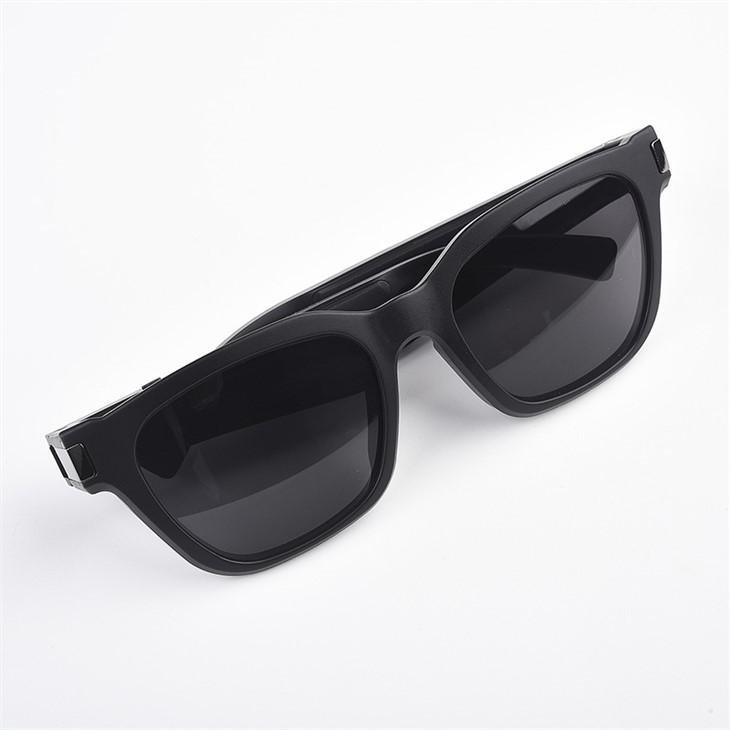
Consumer-grade smart glasses prioritize aesthetics and lightweight construction. Logistics applications demand different priorities: durability, battery life, readability in varying lighting conditions, and compatibility with existing safety equipment. OEM/ODM manufacturers must address these requirements specifically when developing products for supply chain technology deployments.
Durability and IP Ratings
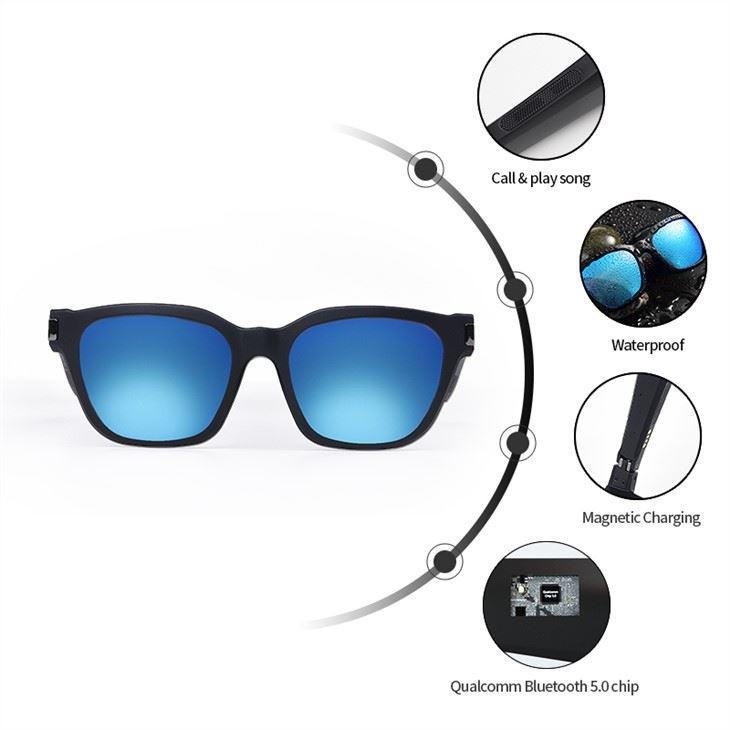
Warehouse environments subject equipment to dust, moisture, impacts, and temperature variations. Smart glasses intended for logistics use must meet appropriate IP (Ingress Protection) ratings—typically IP54 or higher—to ensure reliable operation despite environmental challenges. Drop tests and vibration resistance become essential evaluation criteria for procurement teams.
Battery Life and Hot-Swapping Capabilities
A typical warehouse shift runs 8-10 hours. Smart glasses must maintain power throughout, requiring high-capacity batteries that balance runtime against device weight and worker comfort. Leading designs incorporate hot-swappable battery systems allowing continuous operation without device removal or restart delays.
Display Technology for Indoor and Outdoor Use
Logistics operations span indoor warehouses, outdoor yards, and delivery environments. Displays must remain readable under bright sunlight while also functioning effectively in dimly lit storage areas. Optical considerations include brightness levels, contrast ratios, and field-of-view specifications that determine how much information can be displayed without obstructing natural vision.
Integration with Safety Equipment
Workers frequently wear hard hats, safety glasses, and other protective equipment. Smart glasses must integrate comfortably with these items, either as standalone devices compatible with existing PPE or as modular attachments designed for specific safety helmet configurations. Weight distribution becomes critical—poorly balanced devices create fatigue and reduce adoption rates among workers.
Quantifiable Benefits: The Business Case for Smart Glasses
ROI calculations for smart glasses implementations consistently demonstrate strong returns when deployments target appropriate use cases. Operations managers evaluating this technology should examine the following benefit categories.
| Metric | Typical Improvement | Industry Report Source |
|---|---|---|
| Order Picking Accuracy | 99.5%+ (from 92-95%) | DHL/Google Study 2023 |
| Training Time Reduction | 40-60% faster onboarding | Logistics Management Survey |
| Task Completion Speed | 20-35% faster | Warehouse Innovation Report |
| Error-Related Costs | 50-70% reduction | Supply Chain Digest Analysis |
| Remote Support Efficiency | 60% fewer on-site visits | Field Service Benchmark Study |
Beyond direct productivity metrics, organizations report secondary benefits including improved worker satisfaction (elimination of repetitive handheld operations), reduced turnover costs, and enhanced ability to scale operations without proportional staffing increases.
Sourcing Smart Glasses Manufacturing in China
B2B buyers seeking smart glasses for logistics applications increasingly turn to Chinese manufacturers for compelling reasons: advanced technical capabilities, competitive pricing, flexible minimum order quantities, and established experience producing enterprise-grade devices. However, successful sourcing requires understanding the manufacturing landscape and selecting appropriate partners.
OEM vs. ODM: Understanding Your Options
OEM (Original Equipment Manufacturer) arrangements involve manufacturers producing devices based on your exact specifications—designs, components, and configurations you control entirely. This approach suits brands with established product specifications seeking manufacturing capacity.
ODM (Original Design Manufacturer) partnerships leverage manufacturer-developed platforms that can be customized through branding, software modifications, and component substitutions. ODM arrangements typically reduce time-to-market and development costs while offering flexibility for customization within proven product architectures.
For most B2B buyers entering the smart glasses market for logistics applications, ODM partnerships offer the optimal balance of customization capability, risk mitigation, and cost efficiency.
Evaluating Manufacturing Capabilities
Not all smart glasses manufacturers possess equal capabilities for logistics-focused applications. Key evaluation criteria include:
- Quality Certification Standards: Look for manufacturers holding ISO 9001, ISO 13485 (for medical-adjacent applications), and other relevant quality certifications.
- Component Sourcing Relationships: Established relationships with display manufacturers, processor suppliers, and optical component vendors indicate manufacturing maturity and supply chain stability.
- Testing and Validation Facilities: In-house testing capabilities for durability, EMC compliance, and optical performance reduce reliance on external laboratories and accelerate development timelines.
- Software Integration Experience: Manufacturers familiar with WMS integration, voice picking software, and enterprise mobility management platforms can provide valuable guidance during product specification.
- Production Capacity and Scalability: Understanding current capacity and expansion potential prevents supply constraints during growth phases.
Communication and Cultural Considerations
Successful China manufacturing partnerships require clear communication and realistic expectation-setting. Time zone differences necessitate establishing efficient communication cadences, ideally with dedicated project management resources on both sides. Documentation practices vary—insist on written specifications, visual references, and prototypes before committing to production runs.
Professional manufacturing partners welcome detailed technical discussions and will ask probing questions about use cases, environmental conditions, and user experience requirements. Manufacturers who accept specifications without challenge may lack the technical depth necessary for logistics-grade products.
Trends Shaping the Future of Logistics Smart Glasses
The smart glasses market continues evolving rapidly, with several emerging trends poised to reshape logistics applications in the coming years.
AI and Machine Learning Integration
On-device AI processing enables increasingly sophisticated capabilities including object recognition, anomaly detection, and predictive recommendations. Future logistics smart glasses will guide workers not just through known procedures but will learn from operations data to suggest continuous improvements and identify potential issues before they cause disruptions.
5G Connectivity Enhancements
Widespread 5G deployment enables real-time cloud connectivity previously impractical with cellular networks. Smart glasses will gain access to vast computational resources and data lakes without local processing limitations, enabling more sophisticated AR overlays and instant access to historical context for every item or location scanned.
Miniaturization and Comfort Improvements
Component miniaturization allows manufacturers to reduce device weight and improve ergonomics while maintaining or enhancing capabilities. Comfort improvements directly impact adoption rates—workers will consistently use devices that feel natural rather than cumbersome.
Extended Battery and Charging Solutions
Battery technology advances promise longer runtime with lighter cells, while charging infrastructure improvements (wireless charging stations, rapid swap systems) will further reduce operational interruptions.
Getting Started with Your Smart Glasses Implementation
Successful smart glasses deployments begin with clear objective definition and appropriate vendor selection. B2B buyers should start by identifying specific pain points within their operations, establishing measurable success criteria, and engaging potential manufacturing partners early in the evaluation process.
Prototyping and pilot programs allow organizations to validate assumptions, train internal teams, and refine requirements before committing to full-scale deployment. Reputable manufacturing partners support these phases with sample units, technical documentation, and engineering consultation.
The logistics industry continues its digital transformation, with smart glasses representing a proven technology investment delivering measurable operational improvements. Organizations that move decisively while learning from existing deployments position themselves advantageously in an increasingly competitive supply chain landscape.
Ready to explore smart glasses manufacturing options for your logistics technology needs? Our engineering team specializes in OEM/ODM partnerships for enterprise-grade smart glasses applications. Contact us today to discuss your requirements and discover how we can support your supply chain technology initiatives.
