
Posted At: Jun 22, 2026 - 2,203 Views

The kitchen has always been a place where hands are constantly in motion—chopping, stirring, tasting, and adjusting. Traditional recipe reading means constantly touching cookbooks, phones, or tablets with flour-covered fingers, breaking workflow and increasing the risk of contamination. Smart glasses equipped with augmented reality recipe overlay capabilities are changing this fundamental challenge, offering chefs and home cooks a truly hands-free cooking experience that keeps instructions directly in their field of vision.
For B2B buyers, distributors, and brands exploring smart glasses OEM and ODM manufacturing opportunities, the culinary technology segment represents a compelling market with strong growth potential. As more consumers seek convenient cooking solutions and professional chefs look for tools to enhance efficiency, AR-enabled cooking glasses are emerging as a significant product category worth serious investment.
Understanding AR Recipe Overlay Technology
Recipe overlay technology in smart glasses works by projecting digital recipe content directly onto the wearer's visual field through transparent displays positioned in front of the lenses. Unlike traditional heads-up displays that merely show notifications, modern AR cooking glasses use sophisticated spatial computing to anchor recipe steps to specific physical locations, allowing cooks to glance at ingredient lists while focusing on their cutting board or watch video demonstrations while their hands remain occupied with cooking tasks.
The core components enabling this functionality include micro-OLED or waveguide displays that render high-contrast text and images visible even in bright kitchen environments, along with integrated audio systems that can provide voice-guided instructions alongside visual overlays. Some advanced systems incorporate computer vision to recognize ingredients, suggest substitutions, and automatically adjust cooking times based on detected food temperatures.
Modern Bluetooth smart glasses P2 manufacturing has advanced significantly, enabling sleeker form factors that feel comfortable during extended cooking sessions while maintaining the processing power necessary for smooth AR rendering. Battery technology improvements mean these devices can handle an entire cooking class or holiday meal preparation without requiring mid-use charging.
Key Features That Drive Consumer Adoption
Successful smart glasses for cooking must address several core user needs that differentiate them from simply propping up a tablet in the kitchen. The hands-free advantage is obvious, but the practical implementation matters enormously for market success.
Step-by-Step Visual Guidance
Recipe overlay glasses display current instructions prominently, with larger fonts for critical measurements and timing information. Users can advance through steps using voice commands, subtle head gestures, or touch-sensitive temples—all methods that keep hands free for actual cooking. The best implementations allow users to customize display positions, text sizes, and color schemes based on personal preferences and kitchen lighting conditions.
Ingredient Recognition and Substitution
Computer vision capabilities enable smart glasses to identify ingredients the cook places on the counter, suggesting appropriate adjustments when an ingredient isn't available. When someone realizes they're out of a particular spice while mid-recipe, the glasses can highlight substitution options that maintain flavor profiles without requiring a store run.
Timer Integration and Multi-Dish Coordination
Managing multiple dishes simultaneously challenges even experienced cooks. AR cooking glasses can display floating timers for different dishes, alert wearers when attention is needed on a specific pan, and help coordinate complex menus where timing is critical. This orchestration capability transforms these devices from simple recipe displays into genuine cooking assistants.
Measurement Guidance and Portion Scaling
Visual overlays can guide users through precise measurements, showing exactly how much flour constitutes a cup or demonstrating proper knife angles for specific cuts. When scaling recipes up or down, the glasses automatically adjust all measurements and can highlight critical scaling adjustments that affect cooking times or temperatures.
Market Landscape and Consumer Demand
The smart kitchen technology market continues expanding as consumers invest in appliances, gadgets, and tools that make cooking more accessible and enjoyable. Smart glasses represent a natural evolution in this space, moving from smartphone-dependent solutions toward truly integrated cooking experiences that mirror how professional kitchens operate.
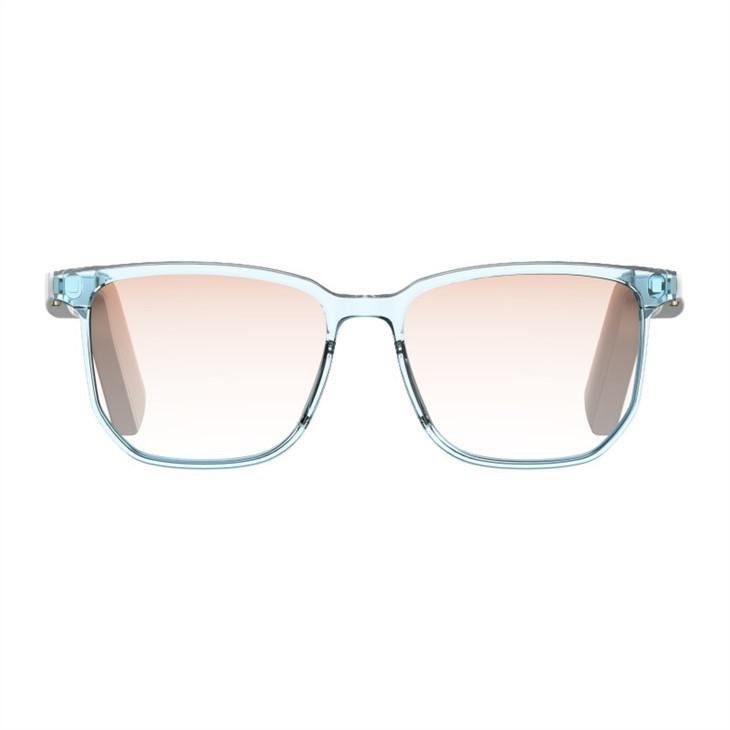
Market research indicates strong interest among several key consumer segments. Busy professionals appreciate the efficiency gains when preparing weeknight dinners. Home cooking enthusiasts enjoy the enhanced guidance when attempting restaurant-quality techniques. Cooking class instructors find value in demonstrating techniques while students follow along with their own visual instructions. Health-conscious cooks benefit from real-time nutritional information displayed alongside recipes.
For brands considering entry into this market, the consumer electronics aspects combine with culinary enthusiasm to create a distinctive product category. Successful products must balance technical performance with intuitive design that doesn't intimidate users unfamiliar with wearable technology. The TSW Bluetooth Audio Glasses represent an example of how manufacturers are approaching this balance, combining audio capabilities with visual display options suitable for kitchen applications.
OEM and ODM Manufacturing Considerations
Manufacturing smart glasses for cooking applications presents unique challenges and opportunities that differ from general consumer electronics production. Quality standards, regulatory compliance, and user safety considerations all require careful attention during product development.
Display Technology Selection
The choice between waveguide, Birdbath, or micro-LED display technologies significantly impacts product cost, visual quality, and battery consumption. For kitchen environments where users move between bright windows and dimmer interior spaces, displays must maintain readability across varied lighting conditions. Outdoor cooking applications add another dimension, requiring displays bright enough to compete with direct sunlight.
Audio System Integration
Cooking involves environmental noise—blenders, sizzling pans, and conversation. Smart glasses intended for kitchen use benefit from high-quality speakers with effective noise isolation, or alternatively, bone conduction technology that leaves ears open for environmental awareness while maintaining clear audio reproduction. Voice command recognition must function reliably despite background kitchen noise, requiring sophisticated microphone arrays and noise cancellation processing.
Durability and Cleanability
Kitchen environments expose electronics to steam, grease, splattering liquids, and flour dust. Product design must account for these conditions, with appropriate IP ratings for water resistance and surfaces that can be wiped clean without damaging components. Some manufacturers are developing removable, washable face cushions and temple pads specifically for cooking-focused applications.
Battery Life and Charging Solutions
Extended cooking sessions—whether for holiday meal preparation or multi-course dinner parties—require batteries that last through the entire experience. Additionally, convenient charging solutions matter for kitchen adoption; magnetic charging docks or wireless charging pads integrated into kitchen counters offer seamless experiences that encourage consistent use.
Competitive Differentiation Strategies
The smart glasses market continues fragmenting, with numerous manufacturers competing across price points and use cases. Brands entering the cooking-specific segment should consider several differentiation approaches.
Partnership Integration
Exclusive or enhanced integration with popular recipe platforms and cooking apps creates immediate value for consumers. When a user purchases smart glasses, the device should work seamlessly with their existing recipe collection, shopping lists, and cooking preferences without requiring extensive setup or data migration.
Professional Chef Positioning
The culinary professional market—restaurants, cooking schools, culinary students—offers higher price tolerance and strong word-of-mouth influence within enthusiast communities. Products designed for professional use can command premium pricing while establishing brand credibility that spills over into consumer markets.
Subscription Services
Ongoing revenue opportunities exist through premium recipe content, live cooking classes, and personalized nutrition coaching. Smart glasses provide an intimate channel for these services that devices like smart speakers cannot match, creating ongoing relationships between brands and consumers rather than one-time product transactions.
Future Development Directions
The technology underlying AR cooking glasses continues advancing rapidly. Display resolutions increase while power consumption decreases. Processing capabilities expand, enabling more sophisticated AI features. Form factors become lighter and more comfortable. These improvements will unlock additional capabilities that forward-thinking manufacturers should begin planning for now.
Gesture recognition advances may allow cooks to interact with recipe displays using natural hand movements, flipping through pages or zooming on details without touching any surface. Haptic feedback integration could provide confirmation of completed steps or gentle reminders when attention wanders. Integration with smart kitchen appliances—ovens, thermometers, scales—could create fully coordinated cooking experiences where the glasses serve as central command interfaces.
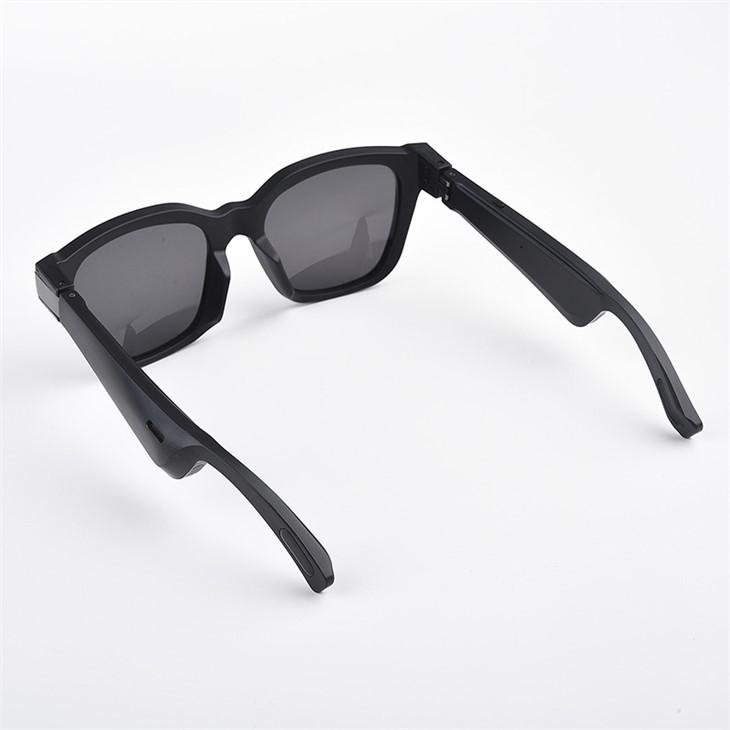
Artificial intelligence capabilities will increasingly enable personalized cooking assistance. Systems that learn individual preferences, skill levels, and dietary restrictions can provide customized guidance that feels genuinely helpful rather than generic. A beginner cook might receive more detailed instructions and safety warnings, while an experienced chef receives streamlined guidance that respects their existing knowledge.
Supply Chain and Manufacturing Partnership Selection
For brands seeking to bring cooking-focused smart glasses to market, selecting the right manufacturing partner determines much of the eventual success. China-based manufacturers with established smart glasses production experience offer advantages in cost efficiency, component sourcing, and rapid prototyping capabilities.
When evaluating potential partners, examine their experience with audio-visual integration, battery management systems, and consumer electronics certifications. The Bluetooth Glasses Stereo Music product lines demonstrate manufacturing capabilities applicable to cooking glasses, including the audio clarity, comfortable fit, and reliable connectivity that kitchen applications demand.
OEM partnerships should include clear specifications for quality control processes, testing protocols, and warranty support structures. Given the competitive landscape, brands need manufacturing partners capable of delivering consistent quality at scale while maintaining flexibility for custom development requests that differentiate final products.
Taking the Next Step
The convergence of augmented reality technology, voice interfaces, and smart kitchen ecosystems creates genuine opportunity for brands positioned to deliver excellent cooking glasses products. Consumer demand for hands-free cooking guidance continues growing, while display and audio technologies have matured to the point where comfortable, practical devices are achievable at consumer-friendly price points.
Whether you're a distributor exploring new product categories, a brand considering expansion into wearable technology, or an established player seeking manufacturing partnership for cooking-specific glasses, the time to engage with this market is now. Early movers who deliver quality products will establish brand recognition and retail relationships that provide lasting competitive advantage.
Our engineering team specializes in smart glasses design and manufacturing, with extensive experience bringing AR-enabled products from concept through mass production. We work closely with clients to develop customized solutions that meet specific market requirements while optimizing for cost, quality, and time-to-market. Connect with our sales engineers to discuss your cooking glasses requirements and explore how we can help you capture opportunity in this exciting product category.
