
Posted At: May 11, 2026 - 1,961 Views

When sourcing smart glasses from China, understanding the FOB (Free On Board) pricing structure is essential for every B2B buyer, distributor, and brand owner. The FOB price represents the total cost of your smart glasses products from the manufacturing facility up to the point of shipment onto the vessel. Getting clarity on what this price encompasses prevents unexpected costs and helps you negotiate better terms with your OEM/ODM partners.
The smart glasses market continues to expand rapidly, with applications spanning audio entertainment, fitness tracking, navigation assistance, and hands-free communication. Whether you're launching a new smart eyewear brand or expanding your product line, understanding the financial anatomy of FOB pricing gives you a significant advantage in this competitive landscape.
What Exactly Does FOB Price Cover?
FOB pricing for smart glasses includes all costs up to the point where products are loaded onto the shipping vessel at the port of departure. This means the price encompasses everything from raw material procurement to final product packaging and delivery to the port. However, it does not include international shipping freight, insurance, or destination country duties and taxes.
Breaking down the FOB structure for smart glasses manufacturing, you can expect these primary cost categories:
- Component and Material Costs — The frame materials (acetate, titanium, TR-90, metal alloys), lenses (prescription, polarized, blue-light filtering, photochromic), electronic components (speakers, microphones, batteries, PCBs, sensors, Bluetooth modules), and optical elements
- Manufacturing and Assembly Labor — Direct labor costs for frame production, electronic component installation, quality testing, and final assembly
- tooling and Mold Setup — Initial investment in custom tooling for your specific smart glasses design, including injection molds for frames and specialized fixtures for electronic assembly
- Quality Control and Testing — Inspection at various production stages, electronic functionality testing, water resistance verification, and compliance testing
- Packaging Materials and Labor — Product packaging, instruction manuals, protective cases, charging cables, and branded retail packaging
- Factory Overhead — Manufacturing facility costs, equipment depreciation, utilities, and administrative expenses allocated to your order
- Port Handling and Documentation — Loading products onto containers, documentation preparation, and delivery to the port terminal
Our factory specializes in producing a diverse range of smart eyewear products, including Smart Audio Glasses that integrate premium sound quality with stylish frame designs, and Outdoor Music Sunglasses built for active lifestyles.
Smart Glasses Component Cost Breakdown
Understanding where your money goes within the FOB price requires examining each major component category. Smart glasses are fundamentally a marriage of traditional eyewear craftsmanship and consumer electronics, which creates unique cost considerations not found in standard sunglasses or prescription glasses manufacturing.
Frame Materials and Production
The frame typically represents 15-25% of your total FOB cost. Material choices dramatically impact pricing. Acetate frames offer premium aesthetics and color versatility at mid-range costs. Titanium frames command higher prices but deliver superior durability and lightweight comfort. TR-90 nylon frames provide excellent impact resistance at competitive price points, making them popular for sports-oriented smart glasses.
Electronic Components
Electronic integration is where smart glasses diverge from conventional eyewear. The electronic module—including speakers, directional microphones, Bluetooth connectivity chips, gesture sensors, and rechargeable batteries—can account for 35-50% of your total product cost. Battery life requirements, audio quality specifications, and sensor complexity all influence this figure.
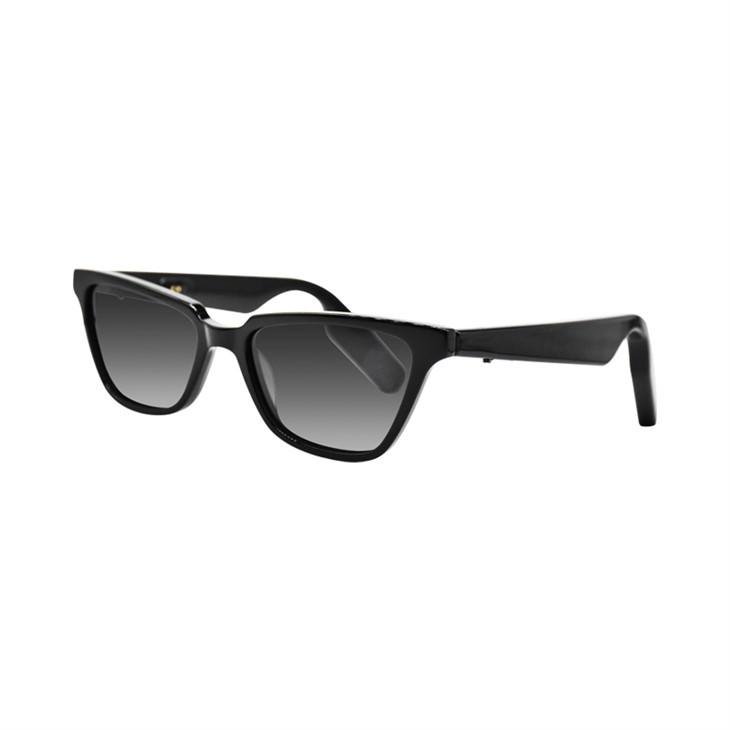
Our Eye Protection Bluetooth Sunglasses demonstrate how integrated electronics with protective lens technology create value for consumers while maintaining competitive manufacturing economics.
Lens Costs
Lenses contribute 10-20% to your FOB pricing. Standard tinted or clear lenses are cost-effective. Polarized lenses add approximately 15-25% to lens costs but provide significant consumer value. Blue-light filtering technology has become expected in gaming and office-use smart glasses. Prescription lens compatibility requires additional tooling investments but opens larger market segments.
For specialized applications, consider how Blue Light Gaming Glasses with built-in audio capabilities command premium positioning in the gaming accessories market.
Factors That Influence Your Smart Glasses FOB Price
Multiple variables affect the final FOB quotation you receive from manufacturers. Understanding these factors helps you scope your project realistically and identify opportunities for cost optimization without sacrificing product quality.
Order Quantity and Production Volume
Economies of scale apply strongly to smart glasses manufacturing. Higher order volumes reduce per-unit costs through more efficient production scheduling, better component pricing from suppliers, and spreading fixed tooling costs across more units. Most manufacturers establish minimum order quantities (MOQs) that balance production efficiency with your inventory requirements.
Customization Level
Completely custom designs require new tooling investments that increase upfront costs. Using existing tooling and modifying colors or branding elements keeps expenses lower. The more your design deviates from standard catalog options, the higher your tooling amortization per unit becomes.
Electronic Specifications
Audio quality levels directly impact component costs. Bone conduction technology costs more than traditional speakers but provides unique benefits. Advanced features like noise-canceling microphones, health sensors, or heads-up display integration significantly increase electronic module costs.
Compliance and Certification Requirements
Different markets require various certifications. CE marking for Europe, FCC compliance for the United States, and region-specific safety standards add testing costs but are non-negotiable for legal market access. Budget 5-10% above base production costs for comprehensive certification coverage.
Comparing FOB Price Structures: A Practical Reference
When evaluating quotes from different manufacturers, comparing line-item costs helps identify discrepancies and understand value propositions. Below is a representative cost structure for mid-range smart sunglasses to guide your evaluation process.
| Cost Component | % of FOB Price | Notes |
|---|---|---|
| Electronic Module | 38-45% | Speakers, Bluetooth, battery, PCB |
| Frame Production | 18-22% | Materials and manufacturing |
| Lenses | 12-18% | Varies by lens technology |
| Assembly Labor | 10-14% | Electronic and frame assembly |
| Packaging | 4-6% | Retail packaging, accessories |
| Quality Control | 3-5% | Testing and inspection |
| Tooling Amortization | 2-4% | At standard MOQ volumes |
| Documentation & Port | 2-3% | Export documentation, handling |
This breakdown illustrates why electronic component choices significantly influence your total FOB price. Manufacturers with stronger supply chain relationships for speakers, Bluetooth modules, and batteries often deliver better pricing without sacrificing quality.
How to Evaluate FOB Quotes from Smart Glasses Manufacturers
Receiving multiple FOB quotations is normal in the sourcing process, but comparing them requires careful attention to detail. A suspiciously low quote often indicates corners being cut somewhere in the production process.
Verify component specifications: Ensure each quote specifies the exact electronic components, frame materials, and lens types included. Ambiguity in component descriptions can mask significant quality differences.
Understand the scope: Confirm what's included in the quoted price and what falls outside FOB terms. Some manufacturers quote attractive base prices but add fees for tooling, samples, or customization later in the process.
Request cost breakdowns: Reputable manufacturers provide detailed cost breakdowns that allow you to understand exactly where your investment goes. This transparency builds trust and facilitates productive negotiations.
Evaluate sample quality: Before committing to full production, order samples and rigorously test them. Sample evaluation reveals true manufacturing capabilities that documents and photos cannot convey.
Strategic Considerations for Long-Term Partnerships
FOB pricing is just one element of your total cost of ownership when sourcing smart glasses. While competitive pricing matters, building relationships with manufacturers who understand your brand vision often delivers greater long-term value than simply chasing the lowest quoted price.
Experienced smart glasses manufacturers bring value beyond basic production capabilities. They offer insights into component selection that balances cost with consumer satisfaction. They anticipate production challenges and implement solutions proactively. They suggest design refinements that reduce costs without detectable quality compromises.
For specialized applications, our product range demonstrates manufacturing versatility—from Cycling Sunglasses designed for safety and performance to Trendy Music Sunglasses that merge fashion with functionality for style-conscious consumers.
Making Informed Sourcing Decisions
Understanding smart glasses FOB pricing structure empowers you to engage confidently with manufacturers and make informed decisions about your product development. The key is balancing cost considerations with quality requirements and market positioning.
Your target retail price point, desired profit margins, and consumer expectations should guide your FOB budget rather than arbitrarily targeting the lowest available quote. Products that perform reliably and deliver promised functionality build brand loyalty and generate repeat purchases. Conversely, cost-cutting that compromises core functionality damages brand reputation and increases return rates.
Consider your timeline, volume requirements, and customization needs when selecting manufacturing partners. Request detailed quotations, ask clarifying questions, and invest time in sample evaluation. These upfront efforts significantly increase your probability of successful product launches.
Ready to Explore Smart Glasses Manufacturing?
Whether you're launching your first smart eyewear line or expanding an established brand with innovative products, understanding FOB pricing structures positions you for productive manufacturer conversations. Our team at Smart Glasses Factory specializes in helping B2B clients navigate the manufacturing process from concept through delivery.
We welcome inquiries about custom smart glasses OEM/ODM projects, from initial design consultation through production and global shipping logistics. Share your project requirements, target specifications, and volume expectations, and let's discuss how we can bring your smart eyewear vision to market efficiently and profitably.
