
Posted At: Aug 12, 2026 - 68 Views

Importing smart glasses from China requires navigating a complex landscape of customs regulations, documentation requirements, and tariff classifications. For B2B buyers, distributors, and brands seeking premium smart glasses OEM solutions, understanding the customs clearance process can mean the difference between a smooth transaction and costly delays. Working with experienced customs brokers who specialize in consumer electronics and wearable technology streamlines the entire import workflow, ensuring your products reach market faster and more affordably.
Understanding Smart Glasses Classification for Import
Customs authorities worldwide classify smart glasses under specific tariff codes that determine applicable duties and regulatory requirements. These wearable devices typically fall under harmonized system (HS) codes related to optical instruments, electronic eyewear, or telecommunications equipment, depending on their primary functionality. The classification your goods receive directly impacts the duty rate, required certifications, and inspection procedures.
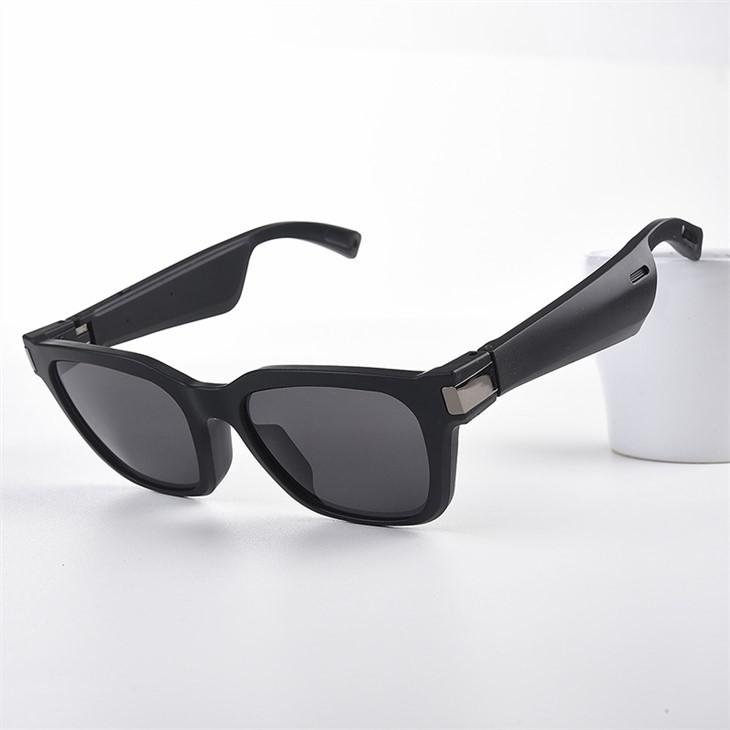
Smart glasses incorporating Bluetooth connectivity, audio speakers, or communication functions often receive different classifications than basic augmented reality devices. For instance, smart voice glasses with integrated microphone and speaker systems may require additional documentation compared to passive eyewear with display capabilities. Experienced customs brokers maintain current knowledge of classification rulings and can advocate for favorable determinations that minimize your duty exposure while ensuring full compliance.
Essential Documentation for Smart Glasses Imports
Successful customs clearance hinges on preparing comprehensive documentation that satisfies both the exporting country's requirements and the destination country's import regulations. For shipments originating from Chinese manufacturing facilities, the following documents typically form the foundation of a successful clearance:
- Commercial Invoice: A detailed invoice listing product descriptions, quantities, unit prices, and total values in the buyer's currency. The values declared must accurately reflect the transaction value including any related-party pricing adjustments.
- Packing List: Comprehensive inventory of all cartons, boxes, or pallets included in the shipment, with individual weights and dimensions that verify cargo details.
- Bill of Lading or Airway Bill: The transport document issued by the carrier that serves as evidence of contract carriage and title to the goods.
- Certificate of Origin: Documentation certifying where the smart glasses were manufactured, essential for determining applicable trade agreement benefits.
- Product Certifications: CE marking documentation for European markets, FCC compliance for US imports, and any relevant safety or electromagnetic compatibility certifications.
Our manufacturing partners at Music Call Sunglasses production facilities maintain rigorous quality control systems that generate thorough documentation packages, making the customs broker's job significantly easier and reducing the risk of examination or hold at the border.
How Tariffs Affect Smart Glasses Import Costs
Global trade tensions and evolving trade agreements create a dynamic tariff environment that directly impacts your landed cost calculations. Smart glasses imported from China may face additional Section 301 tariffs in the United States, anti-dumping duties in certain markets, or preferential rates under free trade agreements. Understanding these cost components enables more accurate pricing strategies and profit margin projections.
Customs brokers specializing in electronics imports monitor ongoing tariff developments and can advise on duty minimization strategies that remain fully compliant with applicable regulations. These strategies may include proper tariff classification optimization, utilization of available duty exemptions, or strategic routing through countries with favorable trade relationships with both China and your destination market.
For B2B buyers ordering Polarized Bluetooth Sunglasses or other advanced smart eyewear, the tariff implications can significantly affect the overall competitiveness of your product line. A customs broker experienced in wearable technology imports provides invaluable guidance on structuring orders and pricing to account for these variable costs.
The Role of Customs Brokers in Streamlining Imports
Professional customs brokers serve as your authorized representative before customs authorities, managing the technical aspects of import clearance while you focus on growing your business. Their expertise encompasses multiple critical functions that collectively ensure your smart glasses shipments clear customs efficiently.
Pre-Arrival Review and Assessment
Experienced brokers review all documentation before your shipment departs China, identifying potential issues that could cause delays or additional examination. They verify that product descriptions align with classification codes, that values are consistent across documents, and that all required certifications are present and valid. This proactive review process catches problems while correction remains simple and inexpensive.
Customs Entry Preparation and Filing
Brokers prepare and submit customs entries using electronic filing systems, ensuring all required data elements are provided in the correct format for automated processing. For shipments of Fashion Bluetooth Speaker Sunglasses and similar products, accurate entry preparation prevents mismatches that trigger manual reviews and hold times.
Fee Payment and Deposit Management
Customs duties and taxes typically require payment at or shortly after entry filing. Brokers maintain established accounts with customs authorities that allow expedited processing without requiring immediate wire transfers or deposits from importers. This arrangement smooths cash flow requirements and accelerates release timelines for qualifying shipments.
Post-Entry Compliance and Record Keeping
After clearance, brokers maintain required records and handle any post-entry amendments, protests, or audits that may arise. Their documentation systems ensure you remain prepared for customs reviews and can demonstrate the accuracy and completeness of your import transactions.
Working with Your OEM Manufacturer's Logistics Network
The most efficient import operations leverage the logistics infrastructure that established OEM/ODM manufacturers have developed over years of serving international markets. When you partner with a smart glasses manufacturer with established export procedures, you gain access to proven processes that minimize customs complications.
Reputable manufacturers typically maintain relationships with freight forwarders who specialize in their product categories and geographic markets. These partnerships enable coordinated documentation flows where shipping documents and customs paperwork move together, reducing the gaps that cause clearance delays. Additionally, manufacturers experienced with B2B buyers understand the documentation requirements for commercial shipments versus personal imports, ensuring everything from commercial invoices to certificates of origin meets destination country standards.
Common Smart Glasses Import Challenges and Solutions
Despite careful preparation, challenges occasionally arise during the customs clearance process. Understanding common issues and their resolution strategies helps B2B buyers respond effectively when problems occur.
Product Classification Disputes
Customs officers may disagree with the tariff classification you've assigned to your smart glasses, particularly for innovative products with features spanning multiple categories. When this occurs, your customs broker can provide supporting documentation, technical specifications, and precedent rulings that support your classification position. In many cases, formal ruling requests filed in advance of importation resolve classification uncertainty before shipments depart.
Documentation Discrepancies
Minor discrepancies between commercial invoices and packing lists, or between shipping documents and actual cargo, can trigger examination or requests for additional information. Establishing clear communication channels with your Chinese manufacturer ensures any errors discovered during transit can be quickly clarified to waiting customs brokers who can provide explanations before significant delays accumulate.
Cultural and Language Barriers
Working with manufacturers in China presents inherent communication challenges that can affect documentation accuracy. Brokers with bilingual staff and experience in China trade bridge these gaps, translating technical specifications accurately and explaining customs requirements in terms manufacturers understand. This cultural competence reduces the errors that stem from misunderstood requirements or incomplete information transfers.
Selecting the Right Customs Broker for Smart Glasses
Not all customs brokers offer equivalent expertise in wearable technology imports. When evaluating potential partners, consider several factors that indicate capability and reliability for your specific product category.
| Evaluation Criteria | What to Look For | Red Flags to Avoid |
|---|---|---|
| Industry Experience | Proven track record with electronics, wearables, or optical products | Generalist brokers unfamiliar with technology product nuances |
| China Trade Expertise | Dedicated staff with Mandarin language capability and China office relationships | Limited knowledge of Chinese business practices or documentation standards |
| Certification Knowledge | Understanding of CE, FCC, and relevant safety standards for smart glasses | Inability to explain testing or certification documentation requirements |
| Technology Integration | Electronic filing capabilities and tracking systems for real-time status updates | Manual processes prone to errors and delays |
| Fee Transparency | Clear, itemized fee structures without hidden charges | Vague pricing or excessive miscellaneous charges |
A customs broker with demonstrated expertise in UV400 Bluetooth Music Glasses and similar smart eyewear understands the particular challenges these products present, from battery safety documentation to wireless certification requirements that affect their classification and treatment at the border.
Cost Considerations for Customs Clearance Services
Customs broker fees typically consist of base service charges plus variable components tied to shipment value, weight, or complexity. While cost shouldn't be the sole selection factor, understanding typical fee structures helps you evaluate proposals and identify potential service gaps.
Standard brokerage services generally include entry preparation, document handling, and basic communication with customs authorities. Additional services such as classification research, protest filing, or laboratory sample coordination may incur supplementary charges. B2B buyers importing significant volumes of smart glasses should discuss retainer arrangements or volume-based pricing that reduces per-shipment costs while securing priority service levels.
When calculating total landed costs, remember that customs broker fees represent a small fraction of the potential costs associated with clearance delays, storage charges from held shipments, or penalties from compliance failures. The investment in competent brokerage services typically generates returns far exceeding their direct cost through smoother operations and reduced risk exposure.
Building Long-Term Relationships with Clearance Partners
Consistent partnerships with customs brokers yield advantages that compound over time. Brokers who understand your business patterns, preferred classifications, and typical products can accelerate clearance processing and anticipate issues before they materialize. This relationship value becomes particularly apparent when introducing new smart glasses product lines or entering new geographic markets.
Regular communication with your broker about upcoming product launches, seasonal volume variations, or strategic market expansions enables proactive preparation that keeps your supply chain flowing smoothly. Share catalog information and technical specifications for Riding Music Sunglasses and other products early in the development cycle so your broker can research applicable requirements before orders ship.
Take the Next Step Toward Seamless Smart Glasses Imports
Navigating customs regulations for smart glasses imports doesn't have to complicate your supply chain. By partnering with experienced customs brokers who understand wearable technology imports and collaborating with manufacturers who prioritize export compliance, B2B buyers can achieve reliable clearance outcomes that support business growth.
Our team connects you with established manufacturing partners and logistics experts who specialize in smart glasses OEM production for international markets. Whether you're launching a new smart eyewear brand or expanding your product line with innovative Music Smart Sunglasses, we provide the guidance and support that transforms complex import requirements into manageable processes. Contact us today to discuss your smart glasses import needs and discover how expert customs clearance assistance can accelerate your path to market.
