
Posted At: Jul 23, 2026 - 1,273 Views

When sourcing smart glasses from China, understanding the EXW (Ex Works) price is fundamental to building a profitable business. The EXW price represents everything your contract manufacturer spends to produce your devices before international logistics even begin. For B2B buyers, distributors, and brands entering the smart wearable market, mastering this pricing model means the difference between a viable product launch and a margin-crushing nightmare.
The smart glasses market continues its rapid expansion, with applications spanning consumer audio, sports performance, industrial hands-free operations, and healthcare monitoring. As more companies seek multifunctional smart glasses for their product lines, understanding factory gate pricing becomes increasingly critical for competitive positioning.
What Exactly is EXW Pricing in Smart Glasses Manufacturing?
EXW stands for Ex Works, an International Commercial Term (Incoterm) where the seller makes goods available at their premises—the factory floor. In practical terms for smart glasses manufacturing, this means the EXW price includes raw materials, component procurement, assembly labor, quality testing, packaging, and the manufacturer's overhead margin. It does not include shipping from China to your destination, customs clearance, or import duties.
For many B2B buyers, EXW pricing provides the clearest view into actual production costs. You're essentially seeing the "naked" manufacturing cost without the variables of logistics and trade compliance that you control separately. This transparency allows for accurate margin calculations and fair comparison between different manufacturers.
Breaking Down the Smart Glasses Cost Structure
The total EXW price for smart glasses comprises several distinct cost categories. Each component contributes to the final factory gate price, and understanding these elements helps you evaluate quotes and negotiate effectively with manufacturers.
Electronic Components: The Price Driver
Electronic components typically represent 40-60% of smart glasses manufacturing costs. This category includes the main processor or microcontroller, Bluetooth module, audio drivers, battery, sensors (accelerometer, gyroscope, proximity), and various passive components. The choice of processor alone can swing your per-unit cost by $5-15 depending on specifications.
For example, smart Bluetooth audio glasses with basic functionality will use different-grade components than advanced models with touch controls and noise cancellation. Component quality directly impacts both cost and market positioning.
Optical Components and Lenses
Lens quality significantly affects both cost and consumer perception. Basic transparent lenses suitable for indoor use cost considerably less than polarized sun lenses or blue-light filtering options. Industrial applications may require specialized coatings or prescription insert compatibility, each adding to the material cost.
Factory pricing for optical-grade polycarbonate or CR-39 lenses ranges from $2-12 per unit depending on complexity. Premium anti-reflective coatings add another $3-8 per unit to the office anti-blue glasses production cost.
Frame Materials and Manufacturing
Frame material selection dramatically impacts both aesthetics and cost structure. Common options include:
- TR-90 Nylon: Lightweight, flexible, mid-price range ($1.50-4 per frame)
- Polycarbonate: Durable, budget-friendly ($0.80-2.50 per frame)
- Aluminum-Magnesium Alloy: Premium feel, higher cost ($3-8 per frame)
- Titanium: Ultra-premium segment ($12-25 per frame)
- Acetate: Fashion-forward, natural material feel ($2-6 per frame)
Labor Costs in Assembly
Despite rising Chinese wages, assembly labor remains competitive due to high automation levels in electronics manufacturing. Manual assembly steps include inserting temple hinges, installing nose pads, attaching electronic modules, and final cosmetic inspection. Labor typically constitutes 8-15% of the EXW price for smart glasses, depending on the complexity of the product.
Quality Control and Testing
Reputable manufacturers include comprehensive testing in their EXW pricing. This encompasses electronic functionality tests, audio quality verification, battery performance testing, water resistance checks, and cosmetic inspection. For products requiring certifications like CE, FCC, or IPX ratings, the testing and certification costs are typically quoted separately but factor into your total acquisition cost.
Understanding Minimum Order Quantities and Their Price Impact
MOQ (Minimum Order Quantity) significantly influences per-unit pricing in smart glasses manufacturing. Understanding the relationship between order volume and pricing helps you plan inventory and cash flow strategically.
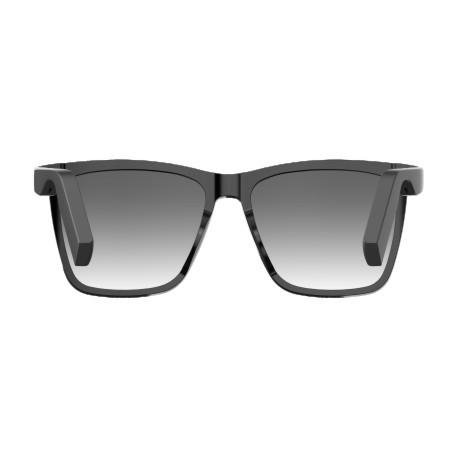
Most smart glasses factories set MOQs between 500-2000 units per SKU for custom products. Higher MOQs unlock better pricing tiers, but they also require larger upfront capital and carry inventory risk. Some manufacturers offer lower MOQs (100-300 units) with premium pricing to accommodate brands testing market demand before committing to full production runs.
Typical MOQ-to-Price Relationships
| Order Quantity | Price Adjustment vs. Standard | Lead Time |
|---|---|---|
| 200-499 units | +25-35% premium | 25-30 days |
| 500-999 units | +10-20% premium | 30-35 days |
| 1,000-2,999 units | Standard pricing | 35-45 days |
| 3,000-5,000 units | -5-10% discount | 45-55 days |
| 5,000+ units | -10-20% discount | 60-75 days |
Customization Options and Cost Considerations
Brand differentiation through customization affects EXW pricing substantially. Each modification requires new tooling, setup time, or component sourcing that adds to the base manufacturing cost.
Logo and Branding
Logo application methods include laser engraving ($0.30-0.80 per unit), pad printing ($0.20-0.50 per unit), or silk-screen printing ($0.15-0.40 per unit). For bluetooth glasses sunglasses products, temple branding offers the most visible placement, while nose bridge logos work well for close-up visibility.
Custom Colors and Finishes
Custom frame colors require either paint application or new material compounding. Paint application adds $0.50-2 per unit depending on coverage and durability requirements. Custom material colors typically require minimum quantities of 2,000+ units due to compounding minimums.
Custom Packaging
Packaging customization ranges from simple logo printing on generic boxes ($0.30-0.80 per unit) to fully custom packaging design with foam inserts, cleaning cloths, and premium materials ($1.50-4 per unit). Many brands treat packaging as a key brand expression opportunity and invest accordingly.
Certifications and Compliance Costs
Depending on your target markets, various certifications may be required. These are typically not included in standard EXW quotes and are quoted as additions:
- CE Marking (Europe): $2,000-5,000 for testing and documentation
- FCC ID (USA): $3,000-8,000 for RF compliance testing
- RoHS Compliance: $500-1,500 for hazardous substance testing
- IPX Water Resistance: $1,000-3,000 depending on rating level
- REACH Compliance (Europe): $800-2,000 for chemical regulations
For smart touch music glasses targeting the European market, CE compliance is mandatory. American market entrants need FCC certification for wireless devices. Budget these costs separately from your EXW pricing when calculating total product cost.
How to Evaluate EXW Quotes from Multiple Factories
When requesting quotes from different manufacturers, a systematic evaluation approach helps identify the best value proposition rather than simply the lowest price.
Component Specification Transparency
Request detailed component breakdowns from each supplier. The factory quoting $12 per unit using generic Bluetooth 4.2 modules differs significantly from one using Bluetooth 5.2 with extended range. Ask specifically about processor brands, battery capacity (mAh), speaker driver size, and lens material specifications.
Manufacturing Location and Capabilities
Verify the actual manufacturing facility location and capabilities. Some trading companies markup quotes without adding value. Direct manufacturers typically offer better pricing and more responsive production adjustments. Ask for facility photos, production line videos, and client references.
Hidden Cost Identification
Watch for potentially hidden costs that might not appear in the initial EXW quote:
- Tooling amortization beyond the first order
- Component storage fees for long-lead items
- Quality inspection sampling rates and associated costs
- Payment terms and associated banking fees
- Engineering change request fees
Strategic Sourcing: When to Pay More for Quality
While cost reduction matters, the lowest EXW price rarely represents the best business decision. Consider the total cost of ownership including quality issues, delivery reliability, and communication efficiency.
For music smart sunglasses positioning in the premium consumer segment, component quality directly impacts customer satisfaction and return rates. Spending an extra $3 per unit on better speakers and microphones might eliminate returns that cost $30 each in shipping and handling.
Factory experience with your specific product category matters enormously. A manufacturer producing 500,000 wireless audio devices annually understands the nuances of Bluetooth pairing, battery management, and audio tuning. That experience translates to fewer quality issues and faster problem resolution.
Planning Your Smart Glasses Launch with EXW Pricing
Building a successful smart glasses business requires realistic cost modeling from the start. Map your target retail price against the EXW cost, add international logistics (typically 5-15% of EXW for air freight, 3-8% for sea freight), account for import duties in your target markets, then layer in your distribution margins and marketing investment.
Many successful brands target 40-60% gross margins at the wholesale level, which means your EXW price should represent 25-40% of your wholesale selling price. Working backward from market-appropriate retail pricing often reveals whether your target product category is viable at the volumes you can support.
Building Long-Term Supplier Relationships
EXW pricing improves over time with established supplier relationships. First-order pricing typically includes setup costs that decrease in subsequent runs. Volume commitments unlock better pricing tiers, while engineering collaboration can lead to component standardization that reduces costs further.
Consider your initial order as the foundation of a partnership rather than a transactional purchase. Factories invest in your success when they see commitment beyond the first container. That investment often returns as faster response times, proactive problem-solving, and pricing accommodations during challenging periods.
Get Started with Your Smart Glasses Manufacturing Project
Understanding EXW pricing structures empowers you to negotiate confidently and build realistic business models for your smart glasses venture. Whether you're launching your first product or expanding an existing line, the factory gate cost forms the foundation of your pricing strategy.
Ready to explore manufacturing options for your smart glasses concept? Our team at Smart Glasses Factory specializes in smart glasses for music and sports applications, offering transparent EXW pricing with detailed cost breakdowns. Share your product specifications, target quantities, and market positioning, and we'll provide comprehensive manufacturing quotes tailored to your business requirements.
The smart glasses market rewards well-prepared entrants who understand both product costs and market dynamics. Start your evaluation process today and position your brand for sustainable growth in this expanding category.
