
Posted At: Jul 10, 2026 - 2,419 Views

When your buyers squint against blinding reflections while driving, cycling, or enjoying outdoor activities, they're experiencing one of the most common complaints in the eyewear industry. For B2B buyers, distributors, and brand managers searching for smart glasses OEM manufacturing solutions, understanding polarized lens technology isn't optional anymore—it's essential. Glare reduction has become a defining feature that separates premium smart glasses from commodity products, and the factories you partner with must deliver consistent, high-quality polarization that performs under real-world conditions.
Understanding Polarized Lens Technology
Polarized lenses work by incorporating a specialized chemical filter into the lens material. This filter contains molecules that align in parallel lines, creating a microscopic grid pattern. When unpolarized light reflects off horizontal surfaces like water, snow, roads, or glass, it becomes horizontally polarized—meaning the light waves vibrate primarily in a horizontal direction. The vertical filter in polarized lenses blocks this horizontally-oriented glare, allowing only vertically-oriented light to pass through.
The result is dramatically reduced eye strain and improved visual comfort. Studies show that drivers wearing polarized lenses experience up to 40% reduction in glare-related visual interference, which translates directly to safer driving conditions. For smart glasses manufacturers, achieving this level of effectiveness requires precise control over lens composition, filter application, and quality assurance processes.
In smart glasses specifically, polarization technology must work harmoniously with integrated electronics. The audio drivers, microphones, sensors, and battery systems built into smart frames cannot interfere with the polarization filter's effectiveness. This integration challenge is where experienced OEM manufacturers demonstrate their value—they understand how to embed technology without compromising optical performance.
The Science Behind Glare Reduction
Glare isn't simply an annoyance; it's a genuine safety hazard. When intense light enters the eye, it causes temporary visual disturbance that can last several seconds. For outdoor workers, athletes, and commuters, these seconds of impaired vision can lead to accidents and injuries. Beyond acute safety concerns, chronic exposure to glare contributes to eye fatigue, headaches, and long-term visual deterioration.
There are two primary types of glare that polarized lenses address. The first is direct glare, which comes from direct light sources like the sun or headlights. The second is indirect glare, or reflected glare, which bounces off reflective surfaces. While all quality sunglasses reduce direct glare, only polarized lenses effectively eliminate indirect glare. This makes them indispensable for activities near water, sand, snow, or urban environments with extensive glass and metal construction.
Modern polarization technology achieves 99.9% glare blocking efficiency when properly manufactured. However, substandard production processes can yield filters that block as little as 50% of reflected light—effectively making them little better than tinted lenses. For B2B buyers evaluating smart glasses factories, understanding quality control protocols becomes critical when assessing potential manufacturing partners.
Manufacturing Considerations for OEM Partners
Chinese smart glasses factories have developed sophisticated approaches to polarized lens production over the past decade. The most common manufacturing method involves sandwiching a polyvinyl alcohol (PVA) film between layers of the lens substrate. This film contains iodine-doped molecules that create the polarizing effect. The assembly undergoes heat and pressure treatment to ensure permanent bonding.
However, not all factories execute this process equally. Key differentiators include the quality of raw materials, precision of molecular alignment during manufacturing, and the protective coatings applied over the polarizing film. Premium manufacturers apply multiple protective layers including scratch-resistant coatings, anti-reflective treatments, and UV-blocking layers that work in conjunction with the polarization filter.
When evaluating potential OEM partners, B2B buyers should request documentation on their polarization efficiency ratings, typically measured using ANSI Z80.3 standards for non-prescription eyewear. Factories capable of producing lenses with 95%+ polarization efficiency across their entire production run demonstrate the process control necessary for reliable batch-to-batch consistency.
Smart Glasses Integration Challenges
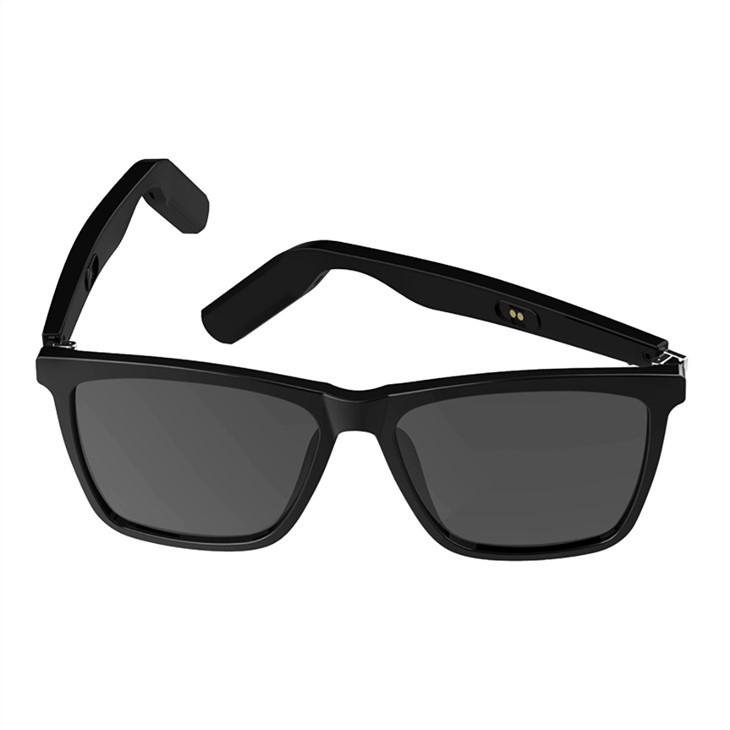
Adding polarization to smart glasses introduces unique manufacturing complexities that traditional eyewear factories rarely encounter. Smart frames must accommodate speakers, microphones, batteries, touch controls, and connectivity chips while maintaining the structural integrity necessary for effective polarization. Any air gap, component interference, or frame flex can compromise the polarizing filter's alignment and effectiveness.
Our manufacturing processes address these challenges through specialized frame engineering that maintains precise lens positioning throughout the product lifecycle. We utilize high-density acetate and TR-90 nylon composites that resist warping, ensuring the polarization filter remains correctly oriented regardless of temperature changes or physical stress. The result is a smart glasses product that delivers consistent glare reduction alongside its electronic functionality.
Water resistance presents another critical consideration. Many polarized lens constructions use hydrophilic materials that can degrade when exposed to moisture over extended periods. For smart glasses designed for outdoor use, swimming, or marine environments, factories must implement waterproof sealing and use hydrophobic polarizing films that maintain effectiveness despite repeated water exposure.
Applications and Market Demand
Polarized smart glasses have found strong adoption across several market segments. Outdoor enthusiasts represent the largest category, including hikers, cyclists, anglers, and water sports participants who benefit from glare reduction during extended outdoor activities. The audio integration in smart glasses allows them to enjoy music, navigation prompts, or hands-free communication while maintaining visual comfort.
The driving segment has shown particularly strong growth. Commuters and professional drivers face constant exposure to glare from road surfaces, surrounding vehicles, and environmental reflections. Smart glasses with polarized lenses and integrated calling capabilities address both safety and convenience needs simultaneously. These hybrid products command premium pricing and strong margins, making them attractive for distributors and brands focused on value-added offerings.
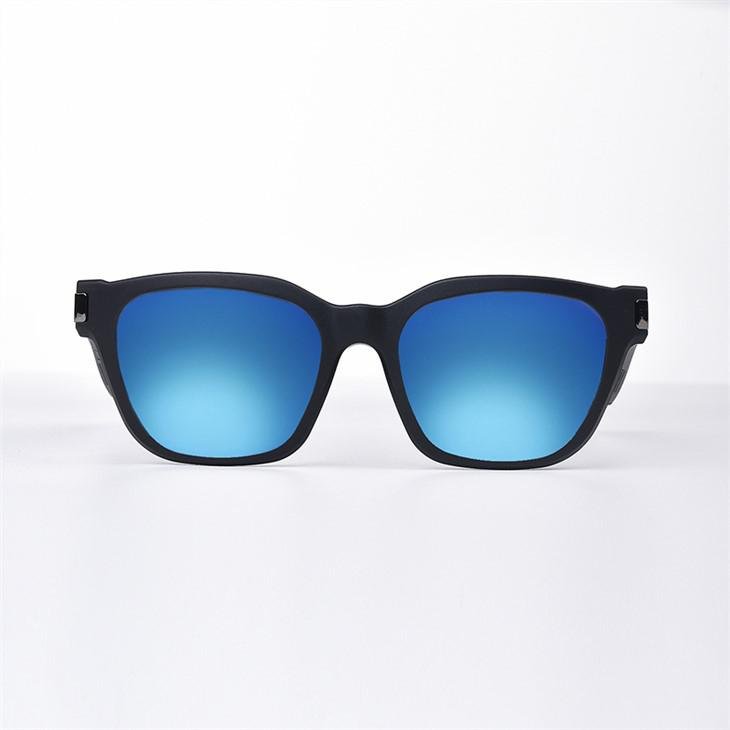
Professional applications have emerged as another significant market. Construction workers, delivery personnel, and outdoor service technicians benefit from polarized smart glasses that reduce eye strain during long work shifts while enabling communication and navigation functionality. This B2B segment often involves bulk orders with consistent specifications, making it ideal for established OEM partnerships with manufacturing capacity.
Quality Standards and Testing Protocols
Reputable smart glasses factories implement comprehensive testing protocols throughout the manufacturing process. Initial incoming material inspection verifies the quality of polarizing films and lens substrates before production begins. In-process sampling during lens lamination ensures consistent filter alignment and adhesion. Final inspection includes visual examination, polarization efficiency measurement, and durability testing under accelerated aging conditions.
Industry standards provide baseline requirements, but leading factories exceed minimum specifications. The American National Standards Institute (ANSI) Z80.3 standard for non-prescription sunglasses establishes requirements for visible light transmittance, UV protection, and optical clarity. European standards (EN ISO 12312-1) similarly specify requirements for sunglasses and related products. Factories serving global markets typically maintain certifications for both frameworks, ensuring their products access major retail channels worldwide.
Beyond regulatory compliance, brands increasingly request custom testing protocols aligned with their specific product positioning. Performance verification for high-activity use cases, durability testing simulating extreme environmental conditions, and compatibility testing with various electronic devices all represent areas where manufacturing expertise adds tangible value for B2B customers.
Cost Considerations for Bulk Procurement
Understanding the cost structure of polarized smart glasses manufacturing helps B2B buyers negotiate effectively and set realistic pricing expectations. The polarizing filter itself represents a relatively small portion of total material costs—typically 5-15% depending on lens size and filter quality. More significant cost drivers include the electronic components, injection molding tooling amortized across production volume, and quality control procedures.
Economies of scale apply strongly to polarized smart glasses production. Unit costs decrease substantially as order quantities increase due to fixed tooling costs spreading across more units and manufacturing efficiency improvements from extended production runs.Factories with established polarizer supply chains and optimized lamination processes offer better pricing at every volume tier compared to smaller operations just entering the market.
However, the lowest price rarely represents the best value for B2B buyers. The cost of quality failures—including returns, replacements, reputational damage, and lost customer relationships—typically far exceeds any initial savings from discounted pricing. Evaluating total cost of ownership, not just unit purchase price, should guide procurement decisions for polarized smart glasses.
Selecting the Right Manufacturing Partner
Due diligence on potential OEM partners should examine several key areas. Manufacturing capability encompasses equipment, capacity, and technical expertise. Modern polarized lens production requires specialized lamination equipment capable of maintaining precise temperature and pressure control across large production batches. Requesting facility tours or video documentation provides insight into actual manufacturing conditions.
Quality management systems indicate how seriously a factory takes consistency and defect prevention. ISO 9001 certification demonstrates implementation of documented quality processes, while specific eyewear certifications validate technical competence. Beyond certifications, examine their rejection rates, return policies, and how they handle quality disputes with previous customers.
Communication and responsiveness often predict partnership success more reliably than technical specifications alone. Factories that provide dedicated account management, proactive status updates, and transparent issue resolution processes deliver better overall experiences than those offering rock-bottom pricing but minimal communication. For B2B buyers managing product development timelines and retail commitments, reliable communication proves invaluable.
Future Trends in Polarized Smart Glasses
The polarized lens industry continues evolving with several emerging technologies. Photochromic polarized lenses that darken in response to UV exposure offer enhanced versatility, eliminating the need for separate clear and sunglass products. While currently more expensive, mass production improvements are reducing costs and expanding accessibility.
Blue light filtering integration alongside polarization addresses growing concerns about digital device eye strain. Smart glasses combining UV protection, glare reduction, and blue light filtering provide comprehensive visual protection for modern lifestyles. The addition of audio functionality creates a complete wearable solution addressing multiple sensory needs simultaneously.
Sustainability initiatives are influencing manufacturing processes and material selection. Bio-based polarizing films derived from plant materials, recycled frame composites, and reduced chemical usage in lens production all represent areas of active development. B2B buyers increasingly request sustainability information from prospective partners, making environmental responsibility a competitive differentiator in the OEM market.
Making Your Sourcing Decision
Evaluating polarized smart glasses manufacturing requires balancing multiple factors: technical capability, quality consistency, pricing structure, communication effectiveness, and strategic alignment with your brand positioning. The factories that succeed long-term in this industry have invested in both equipment and expertise, creating capabilities that enable their B2B customers to compete effectively in their markets.
Starting with clear specifications for your polarized smart glasses requirements—including polarization efficiency targets, UV protection levels, electronic functionality needs, and intended use cases—provides the foundation for productive supplier discussions. Sample evaluation allows direct assessment of product quality before committing to volume production. Many factories offer sample programs specifically designed to support this evaluation process.
Building relationships with manufacturing partners who understand your market positioning and growth trajectory creates opportunities for collaborative product development. The best OEM partnerships evolve beyond transactional procurement into strategic alliances that drive mutual success. As polarized smart glasses continue gaining market share across outdoor, driving, and professional segments, establishing these relationships early positions your brand for sustained growth.
Ready to explore polarized smart glasses manufacturing options for your brand? Our engineering team welcomes the opportunity to discuss your specifications, evaluate feasibility, and provide detailed quotations for your next product line. We specialize in integrating high-quality polarized lenses with advanced smart glasses electronics, delivering products that perform reliably under demanding conditions. Contact our sales team today to begin the conversation about your polarized smart glasses OEM partnership.
