
Posted At: Apr 20, 2026 - 2,891 Views

The smart glasses market in 2026 continues its explosive growth trajectory, with budget-friendly models emerging as the driving force behind mass adoption. For B2B buyers, distributors, and brands seeking smart glasses OEM manufacturing partnerships in China, understanding the landscape of affordable options has never been more critical. The convergence of maturing technology, streamlined supply chains, and competitive manufacturing has created unprecedented opportunities for businesses ready to enter this dynamic market.
Budget smart glasses no longer mean compromised quality. Manufacturers have refined production processes significantly, enabling the creation of feature-rich devices at price points that support healthy margins for retail partners. Whether you are sourcing for a new product line, restocking inventory, or launching a private-label brand, the options available today deliver genuine value to end consumers while protecting your bottom line.
The State of Budget Smart Glasses in 2026
Market analysts project that sub-$100 smart glasses will account for nearly 45% of total unit sales globally by the end of 2026. This shift represents a fundamental change in how the industry approaches product development and pricing strategy. Manufacturers now design specifically for cost efficiency from the earliest stages, rather than stripping features from premium models to reach lower price tiers.
For businesses exploring smart Bluetooth audio glasses and similar categories, this evolution opens doors that were previously closed by prohibitively high minimum order quantities and unit costs. The technology has stabilized enough that even budget models deliver reliable performance, making them suitable for mainstream retail channels and e-commerce platforms alike.
Key Features in Affordable Smart Glasses
Understanding which features matter most helps B2B buyers prioritize during the sourcing process. Budget smart glasses in 2026 typically emphasize several core capabilities:
- Audio playback quality: Open-ear audio technology has become standard, with manufacturers optimizing speaker placement and sound leakage prevention even at lower price points. Bone conduction remains popular for sports-oriented models, while air conduction dominates lifestyle and casual use categories.
- Battery life: Entry-level models now routinely offer 6-8 hours of continuous playback, with premium budget options reaching 10+ hours. This represents a dramatic improvement from just two years ago and meets the baseline expectations of most consumers.
- Bluetooth connectivity: Bluetooth 5.0 and 5.3 have become universal standards, ensuring stable pairing, efficient power consumption, and broad device compatibility. Multi-point connectivity, allowing simultaneous connection to two devices, appears in increasingly affordable models.
- Comfort and fit: Lightweight designs under 40 grams have become achievable at budget price points. Manufacturers focus on balanced weight distribution, adjustable frames, and multiple nose pad options to accommodate diverse face shapes.
- Touch controls and voice assistants: Intuitive gesture controls and voice assistant integration have trickled down from flagship models, enhancing user experience without significantly impacting costs.
Cost Breakdown for OEM Manufacturing
B2B buyers must understand the components that drive pricing when sourcing budget smart glasses. A clear picture of cost structure enables better negotiation and realistic margin planning.
Component Costs
The bill of materials for budget smart glasses breaks down approximately as follows:
| Component | Cost Percentage | Key Considerations |
|---|---|---|
| Display/Optics | 15-20% | Non-display models reduce costs significantly; AR modules increase substantially |
| Audio System | 12-18% | Speaker quality, microphone array, noise cancellation |
| Processor/Chiptel | 10-15% | Determines connectivity, features, and power efficiency |
| Battery | 8-12% | Capacity directly impacts cost; safety certifications add expense |
| Frame Materials | 10-15% | TR90, PC, aluminum, or titanium; tooling costs vary |
| Assembly Labor | 8-12% | China manufacturing offers significant labor cost advantages |
| Packaging/Accessories | 5-8% | Charging case, cables, documentation, carry pouch |
| Certification/Compliance | 5-10% | CE, FCC, RoHS, BQB; market-specific requirements |
Understanding these percentages helps buyers evaluate quotes and identify when pricing seems unrealistically low. Sustainable budget models typically land in the $25-45 manufacturing cost range, depending on features and order volume.
Top Budget Smart Glasses Categories for B2B Sourcing
Music-Focused Smart Glasses
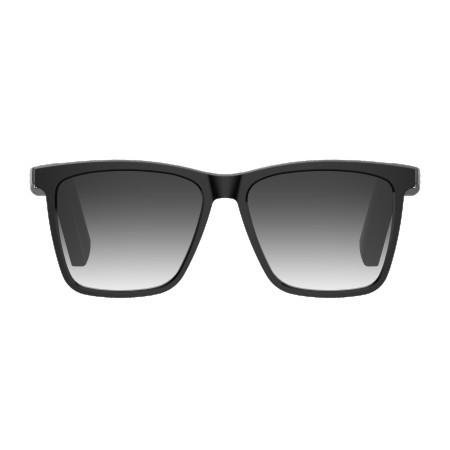
Audio-centric smart glasses represent the largest budget segment. These devices prioritize sound quality and music playback without attempting AR functionality. For businesses targeting fitness enthusiasts, commuters, or casual users, music smart sunglasses offer compelling value propositions at accessible price points.
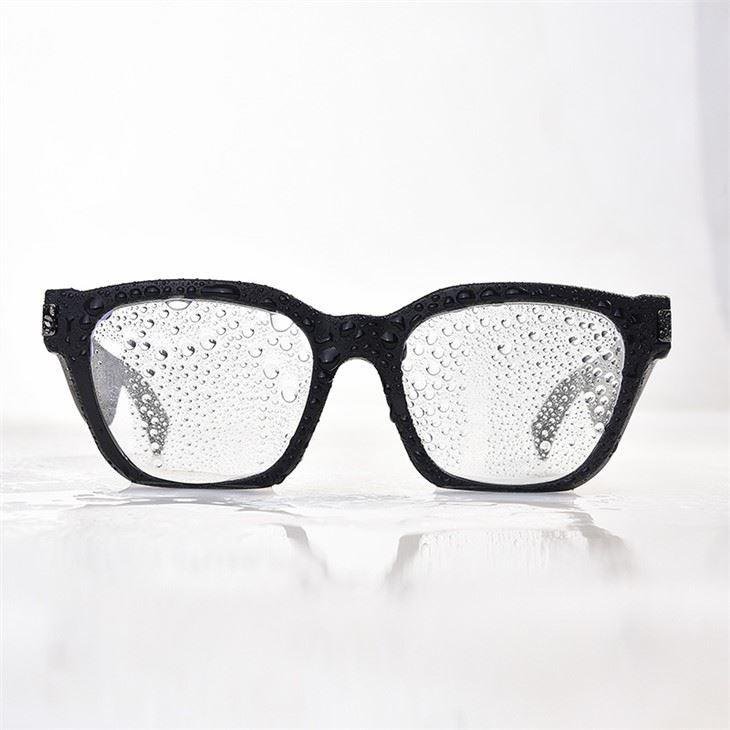
Key considerations for this category include water resistance ratings (IPX4 minimum for exercise use), secure fit during movement, and battery life that covers typical workout durations. Sunglasses variants add UV protection, extending use cases to outdoor activities and beach environments.
Calling and Communication Glasses
Hands-free calling remains a primary use case for smart glasses, particularly in professional and driving contexts. Budget models in this category emphasize microphone quality, wind noise reduction, and seamless switching between music and calls. The Bluetooth audio glasses segment serves this market effectively.
Businesses sourcing for professional applications should prioritize models with clear voice transmission, comfortable all-day wear, and discreet styling that fits workplace environments. Extended battery life becomes crucial here, as users may wear these glasses throughout workdays.
Sports and Outdoor Models
Sports-oriented smart glasses combine audio playback with rugged construction, secure fit systems, and outdoor-friendly features. Anti-polarization lenses, impact resistance, and enhanced water protection distinguish these models from casual-use alternatives. The anti-polarization music sports glasses category addresses specific outdoor activity needs.
Sourcing considerations for sports models include durability testing requirements, lens interchangeability options, and compatibility with helmets or other athletic equipment. These features typically command premium pricing but justify higher retail points.
Evaluating Manufacturing Partners in China
Success in budget smart glasses sourcing depends heavily on selecting the right manufacturing partner. The landscape includes thousands of factories, from small workshops to established smart glasses manufacturers with extensive experience and certifications.
Red Flags to Watch
B2B buyers should scrutinize potential partners carefully. Warning signs include quotes significantly below market rates, reluctance to provide samples before production commitments, limited communication or delayed responses, and vague answers regarding quality control processes. Reputable manufacturers welcome due diligence and view it as a sign of serious business intent.
Quality Assurance Essentials
Effective manufacturing partners implement comprehensive quality systems covering incoming component inspection, production line quality monitoring, finished goods testing, and packaging verification. Request documentation of these processes and, when possible, arrange third-party inspection for significant orders.
Volume Considerations and Pricing Tiers
Budget smart glasses pricing follows predictable volume curves. Understanding these tiers helps businesses plan order quantities and inventory strategies.
| Order Quantity | Typical Price Reduction | Recommended For |
|---|---|---|
| 100-500 units | Baseline | Initial market testing, limited releases |
| 500-1,000 units | 5-10% reduction | Regional distribution, boutique brands |
| 1,000-5,000 units | 12-18% reduction | National distribution, established retailers |
| 5,000-10,000 units | 20-25% reduction | Major retail partnerships, multi-channel sellers |
| 10,000+ units | 25-35% reduction | Global distribution, enterprise procurement |
Minimum order quantities vary by manufacturer but typically range from 100-500 units for custom configurations. Standard products without branding modifications may allow smaller orders, though unit pricing suffers accordingly.
Market Positioning for Budget Smart Glasses
B2B buyers must consider how budget smart glasses fit within broader market positioning strategies. These devices can serve multiple roles depending on business objectives.
Entry point products: Position affordable smart glasses as accessible introductions to the category, building brand awareness and customer relationships that may migrate toward higher-margin premium models over time. This approach prioritizes volume and market share over immediate profitability.
Volume drivers: For retailers with diversified electronics offerings, budget smart glasses drive foot traffic and transaction volume. Lower individual margins become acceptable when considering the total customer relationship value and complementary product sales.
Private label opportunities: The budget segment offers compelling margins for private label initiatives. Custom branding, packaging, and selective feature modifications enable differentiation in a crowded market while maintaining competitive pricing.
Future Price Trends
Several factors suggest continued price pressure in the budget smart glasses segment. Component costs decline as manufacturing scales and technology matures. Competition intensifies as more manufacturers enter the market, particularly from Chinese factories investing in smart glasses production capabilities.
However, floor prices appear to be stabilizing. Core components like quality drivers, batteries, and frames have reached cost levels where further reduction risks quality compromises that damage brand reputation. Businesses should plan for modest price decreases rather than dramatic drops, focusing instead on value-added services, bundle opportunities, and customer experience to differentiate their offerings.
Making Your Sourcing Decision
Selecting the right budget smart glasses for your business requires balancing multiple factors: target retail price point, desired margins, quality expectations, volume commitments, and timeline requirements. The optimal choice depends on your specific market position, customer base, and competitive landscape.
Request samples from multiple manufacturers before committing to orders. Test thoroughly, including extended use scenarios, various audio content types, and compatibility with your target customers' devices. Quality that seems acceptable in brief evaluations may reveal limitations under real-world conditions.
Build relationships with manufacturing partners who demonstrate transparency, responsiveness, and genuine interest in your success. Long-term partnerships in this industry deliver better outcomes than transactional sourcing focused solely on unit pricing. The best partners become assets, offering insights into market trends, suggesting product improvements, and accommodating evolving business needs.
Ready to explore budget smart glasses options for your business? Our team at Smart Glasses Factory specializes in connecting B2B buyers with the right manufacturing solutions. Contact us today to discuss your requirements, request samples, or learn more about our OEM/ODM capabilities for the 2026 product cycle.
