
Posted At: Sep 03, 2026 - 24 Views

The way people explore new cities and tourist destinations is undergoing a dramatic transformation. Walking tours have always been a popular way to experience local culture, but the integration of smart glasses for navigation is taking these experiences to an entirely new level. For B2B buyers, distributors, and brands seeking smart glasses with WiFi calling capabilities and AR navigation features, the tourism sector represents a compelling market opportunity that continues to expand rapidly.
Traditional walking tours rely on printed materials, smartphone apps, or audio guides that require constant attention. These methods force tourists to constantly look down at screens or fumble with devices, disconnecting them from the immersive experience of their surroundings. Smart glasses eliminate this friction by presenting navigation information directly in the user's field of vision, creating a seamless blend of digital guidance and real-world exploration.
How AR Navigation Glasses Enhance Walking Tours
Augmented reality navigation glasses work by combining GPS data, computer vision, and spatial computing to overlay directional information onto the physical world. When a tourist wearing these glasses approaches an intersection, directional arrows appear floating above the actual path they should take. Points of interest materialize with floating labels and historical information that appears precisely positioned alongside the corresponding landmarks.
This technology proves particularly valuable in unfamiliar environments where traditional maps can be confusing. Instead of constantly cross-referencing a phone screen with the surrounding streetscape, visitors receive intuitive visual cues that guide them naturally toward their destination. The cognitive load of navigation decreases significantly, allowing tourists to fully absorb the cultural and historical context being shared by tour guides.
The hands-free nature of smart glasses proves essential during walking tours. Tourists can photograph landmarks without fumbling for their phones, listen to audio commentary through built-in speakers or bone conduction technology, and maintain situational awareness while receiving turn-by-turn directions. These capabilities address real pain points that smartphone-based solutions simply cannot solve.
Key Features for Tourism-Focused Smart Glasses
Successful navigation glasses for walking tours require specific feature combinations that differ from consumer entertainment devices. Weight and comfort become paramount since tourists may wear these glasses for extended periods spanning several hours. Battery life must support full-day touring without requiring midday charging, which would disrupt the experience flow.
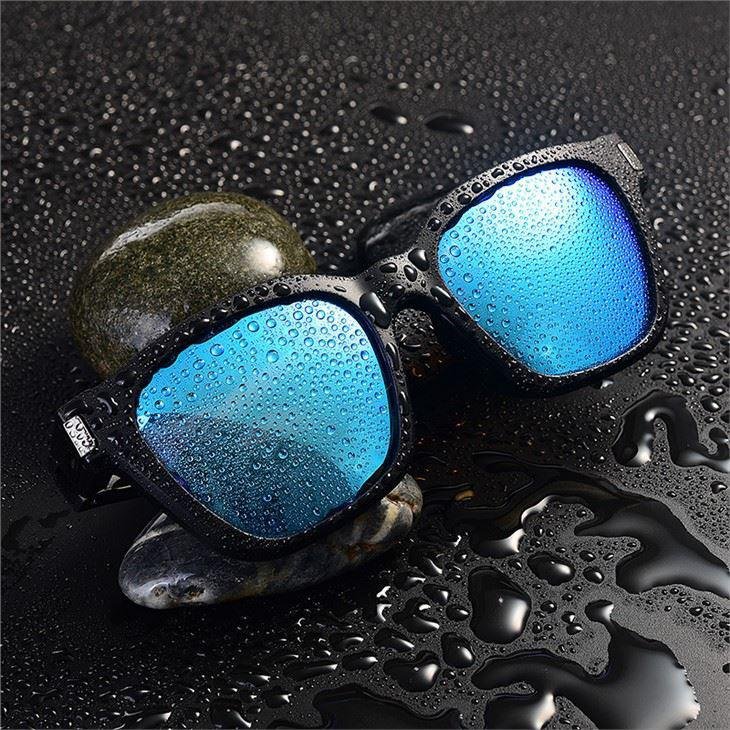
Outdoor visibility presents another critical consideration. Sunglasses designed for outdoor use must maintain legibility in bright sunlight while offering sufficient tinting for eye protection. The eye protection Bluetooth sunglasses available through OEM manufacturers demonstrate how UV protection integrates with smart functionality for daytime touring applications.
Audio quality matters significantly for tour narration. Directional speakers that provide clear audio without isolating users from environmental sounds create safer and more engaging experiences. Tour guides can communicate verbally while glasses deliver supplementary information without requiring explicit user action.
Display Technology Considerations
Waveguide-based optics have emerged as the preferred solution for navigation overlays in outdoor environments. These displays project virtual images onto transparent waveguides positioned within the wearer's field of vision, creating see-through AR effects that remain visible even in direct sunlight. The technical challenges of achieving sufficient brightness while maintaining transparency have been largely overcome by manufacturers specializing in waveguide displays.
Field of view represents a ongoing balancing act for manufacturers. Wider fields of view create more immersive experiences but require more processing power and tend to increase device weight. For navigation purposes, a field of view spanning 30 to 50 degrees typically provides sufficient space for directional indicators without compromising comfort during extended wear.
Resolution continues improving across the industry, with current generation devices offering clarity comparable to smartphone displays. Text legibility at typical reading distances has reached commercially viable levels, enabling navigation glasses to display street names, building information, and detailed points of interest without straining the user's vision.
Market Opportunities for B2B Buyers
The global walking tour market generates billions of dollars annually, with steady growth driven by experiential travel trends and increasing tourist volumes across major destinations. Smart glasses for navigation represent a natural evolution for tour operators seeking differentiation in a crowded marketplace. The opportunity extends beyond individual tour companies to encompass destination management organizations, museum systems, and municipal tourism boards investing in visitor infrastructure.
Partnership models vary across the industry. Some tour operators purchase devices outright for rental programs, while others operate on subscription models where glasses are provided as part of tour packages. The device-as-a-service approach aligns well with maintenance and upgrade considerations, allowing operators to provide consistent experiences without bearing full capital expenditure risks.
Custom branding presents additional revenue opportunities. Tour operators increasingly request devices featuring their logos, custom color schemes, and branded interfaces that reinforce company identity throughout the visitor journey. OEM manufacturers have responded by offering flexible customization options that accommodate smaller batch orders while maintaining competitive pricing for larger deployments.
Manufacturing Considerations for Navigation Glasses
B2B buyers evaluating smart glasses manufacturers must consider several factors beyond device specifications. Production capacity and lead times directly impact deployment schedules, particularly for seasonal tourism markets where timing pressure intensifies. Manufacturers capable of scaling production while maintaining quality consistency command premium positioning in the market.
Component sourcing strategies influence both cost structures and supply chain resilience. Manufacturers with established relationships with waveguide suppliers, processor vendors, and battery cell producers can offer more competitive pricing and faster fulfillment. Vertical integration provides additional control over quality assurance processes that prove critical for devices deployed in customer-facing rental scenarios.
Certification requirements vary by target market. European markets require CE marking for electronic devices, while North American deployments need FCC compliance. Tourism applications may trigger additional considerations around durability testing, particularly for devices that will endure repeated use across diverse customer populations. Quality management systems certifications such as ISO 9001 provide indicators of manufacturing discipline that B2B buyers should evaluate during vendor selection.
Software Platform Flexibility
Navigation functionality typically requires custom software development tailored to specific tour routes and content requirements. Manufacturers offering reference designs with pre-integrated navigation SDKs accelerate time-to-market for brands developing proprietary applications. The ability to support third-party navigation applications provides additional flexibility for buyers planning diverse product deployments.
Content management systems that enable tour operators to update points of interest, modify routes, and publish new tours without requiring device firmware updates represent valuable capabilities. Cloud-connected devices allow centralized content distribution that keeps touring experiences current without requiring physical device returns for updates.
Real-World Deployment Examples
Several major European cities have piloted smart glass navigation programs targeting tourists visiting historical districts. These deployments demonstrate practical viability while revealing operational insights that inform future iterations. Device durability emerges as a consistent priority, with rental scenarios exposing devices to conditions far beyond typical consumer use cases.
Museums and cultural institutions have adopted similar approaches for self-guided tours, using smart glasses to deliver multimedia content positioned alongside exhibits. Navigation features guide visitors through recommended paths while AR overlays provide contextual information about artifacts and artwork. The convergence of navigation and informational overlay creates richer experiences than either capability alone.
Adventure tourism represents another growth vertical, with hiking tours and nature walks incorporating navigation glasses for route guidance in areas with limited cellular coverage. Offline navigation capabilities become essential in these scenarios, requiring devices with sufficient local storage and processing capability to function without real-time connectivity.
Design Trends for Tourism Smart Glasses
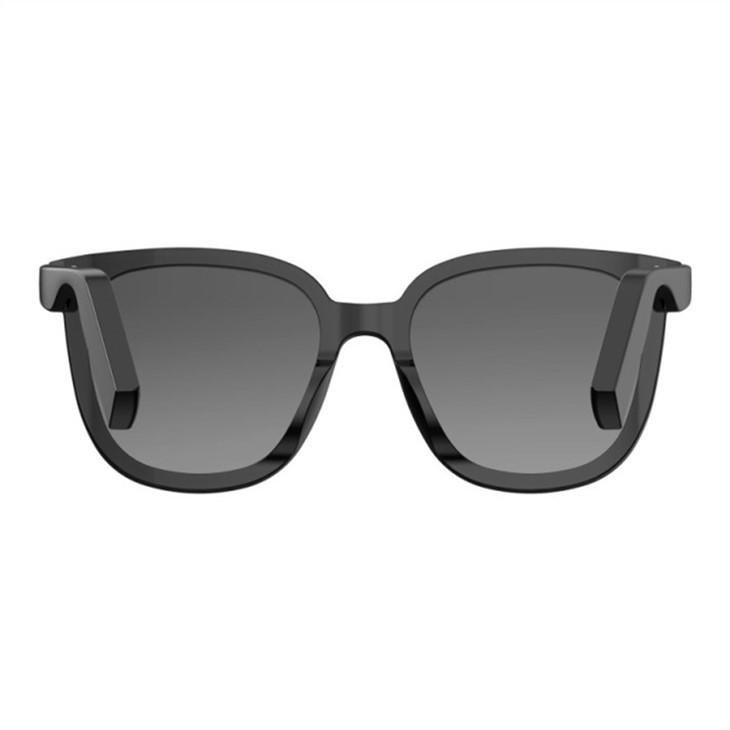
Aesthetic considerations influence adoption rates significantly. Devices that resemble traditional eyewear perform better in tourist-facing applications than more futuristic designs that may intimidate or alienate certain demographic segments. The evolution toward sleeker form factors reflects broader industry trends toward everyday wearable devices rather than specialized technology.
Interchangeable lenses allow single devices to serve multiple conditions, with clear lenses for indoor tours and tinted options for daytime outdoor experiences. Modular designs that accommodate prescription lenses expand addressable markets to include tourists who require vision correction. These accessibility considerations increasingly influence purchasing decisions among tour operators targeting diverse visitor populations.
Cost Structures and Pricing Dynamics
Current market pricing for tourism-focused smart glasses spans a wide range depending on display technology, processing capability, and feature integration. Entry-level devices with basic navigation overlay capabilities serve price-sensitive segments, while premium devices with advanced AR features command higher margins. B2B buyers must evaluate total cost of ownership including device replacement rates, maintenance requirements, and software licensing fees.
Rental economics drive many purchasing decisions in the tourism sector. Devices priced below certain thresholds become consumable costs that can be amortized across rentals, while higher-priced devices require careful depreciation accounting and maintenance planning. The optimal price point depends on expected utilization rates, target customer segments, and competitive positioning within specific markets.
Volume pricing from OEM manufacturers creates meaningful opportunities for large-scale deployments. B2B buyers committing to substantial order volumes can negotiate pricing structures that improve rental program unit economics significantly. Manufacturing partnerships that extend beyond simple procurement into collaborative product development may provide additional differentiation opportunities for established brands.
Future Outlook for Navigation Wearables
The trajectory of smart glasses technology suggests continued capability improvements that will enhance navigation experiences over coming years. Artificial intelligence integration promises more intuitive interactions, with voice-activated navigation and contextual information delivery becoming standard capabilities. Spatial computing advances will enable more sophisticated AR overlays that respond dynamically to user positioning and environmental conditions.
Battery technology improvements will address current limitations around all-day operation, potentially enabling devices with smaller form factors and lighter weights. Display technology evolution may enable higher brightness levels with lower power consumption, improving outdoor legibility without sacrificing battery life.
5G and future connectivity standards will enable richer cloud-based experiences while maintaining responsive local processing. Real-time translation, social features, and personalized recommendations represent emerging capabilities that smart glasses will increasingly support, expanding their value proposition beyond simple navigation toward comprehensive tour companion functionality.
Partnering with Smart Glasses Manufacturers
B2B buyers exploring market entry or expansion in the tourism smart glasses segment benefit from engaging manufacturers early in product planning. Collaborative development approaches allow buyers to specify requirements tailored to specific use cases rather than accepting reference designs developed for generic applications. The smart voice glasses platforms offered through established manufacturers demonstrate how audio-focused designs can support navigation plus tour commentary requirements.
Manufacturing partners with experience in the tourism vertical understand the durability requirements, regulatory considerations, and aesthetic expectations that define successful products in this market. Their expertise in component selection, design optimization, and production scaling can accelerate timelines while reducing technical and operational risks that often accompany new product introductions.
Quality assurance processes deserve particular attention during vendor evaluation. Devices destined for rental operations face usage patterns that stress components far more severely than typical consumer ownership. Accelerated life testing, failure mode analysis, and component derating strategies distinguish manufacturers capable of delivering reliable products from those focused primarily on initial functionality.
Taking the Next Step
The walking tour navigation market presents genuine opportunities for B2B buyers positioned to serve tour operators, destination managers, and tourism organizations seeking technology-enhanced visitor experiences. Smart glasses manufacturing has matured sufficiently to support commercial deployments, while demand continues growing across established and emerging tourist destinations worldwide.
Evaluating manufacturing partners requires systematic assessment of technical capabilities, production capacity, quality systems, and collaborative development approaches. The right partner provides not merely product procurement but strategic support throughout product lifecycle from concept through ongoing production.
Ready to explore smart glasses manufacturing options for your tourism-focused product line? Our team supports B2B buyers through every stage of product development, from initial specification through mass production. Contact us to discuss your navigation glasses requirements and discover how our manufacturing capabilities align with your market objectives.
