
Posted At: May 26, 2026 - 2,355 Views

The smart glasses market continues expanding at a remarkable pace, with European demand driving B2B procurement teams to seek reliable manufacturing partners in China. CE certification stands as the gateway to European market access, making it a critical consideration for any business planning to import or distribute smart eyewear products. Understanding the certification process, compliance requirements, and manufacturing capabilities becomes essential when selecting an OEM/ODM partner for your smart glasses line.
This guide walks you through everything you need to know about CE certified smart glasses, from regulatory frameworks to practical sourcing strategies. Whether you are launching a new product line, expanding an existing portfolio, or establishing long-term manufacturing partnerships, the information here will help you make informed decisions and avoid common pitfalls in the procurement process.
What CE Certification Means for Smart Glasses
CE marking indicates that a product complies with European Union health, safety, and environmental requirements. For smart glasses, this certification verifies that the device meets specific technical standards related to electromagnetic compatibility, electrical safety, and radio equipment regulations. The marking allows products to circulate freely within the European Economic Area, making it indispensable for any brand targeting this lucrative market.
Smart glasses fall under multiple EU directives that manufacturers must address during the certification process. The Radio Equipment Directive (RED) 2014/53/EU covers wireless communication functionality, while the Low Voltage Directive (LVD) 2014/35/EU addresses electrical safety aspects. Additionally, the Electromagnetic Compatibility (EMC) Directive 2014/30/EU ensures devices do not interfere with other electronics, and the Restriction of Hazardous Substances (RoHS) Directive 2011/65/EU restricts toxic materials in manufacturing.
Key Directives Applicable to Smart Glasses
Manufacturers producing smart glasses must navigate several overlapping regulatory frameworks. Each directive requires specific testing, documentation, and quality assurance measures that contribute to the overall CE certification package.
Radio Equipment Directive (RED) applies to smart glasses equipped with Bluetooth, Wi-Fi, or other wireless technologies. Testing focuses on radio frequency performance, transmission power levels, and spectrum usage. Manufacturers must demonstrate that their devices operate within approved frequency ranges and do not cause harmful interference with other wireless equipment.
Electromagnetic Compatibility Directive ensures that smart glasses neither emit excessive electromagnetic disturbances nor suffer performance degradation from external electromagnetic interference. Testing occurs in specialized chambers that simulate real-world electromagnetic environments.
Low Voltage Directive addresses electrical safety for devices operating within specific voltage ranges. Smart glasses containing rechargeable batteries, charging circuits, and electronic components must undergo thorough safety testing to prevent risks such as electric shock, overheating, or fire hazards.
RoHS Compliance restricts lead, mercury, cadmium, and other hazardous substances commonly found in electronics. Chinese manufacturers must implement material controls and supply chain verification to ensure compliance with these restrictions.
The CE Certification Process for Smart Glasses
Obtaining CE certification involves systematic steps that verify product compliance with applicable directives. Understanding this process helps B2B buyers evaluate manufacturer capabilities and set realistic timelines for product development and market entry.
The journey typically begins with product design review, where manufacturers assess technical documentation and ensure designs align with regulatory requirements. This stage identifies potential compliance issues early, preventing costly redesigns later in the development cycle. Experienced OEM partners often provide pre-compliance consulting services that address common issues before formal testing begins.
Following design review, type testing occurs at accredited laboratories authorized to issue CE test reports. laboratories conduct comprehensive assessments across all applicable directives, documenting results in detailed technical files. Testing duration varies based on product complexity and laboratory workload, generally spanning four to eight weeks for smart glasses with wireless functionality.
After successful testing, manufacturers prepare the technical documentation package, including design drawings, circuit diagrams, bill of materials, test reports, risk assessments, and user manuals. This documentation must remain available for ten years following product placement on the market and demonstrate ongoing compliance maintenance.
The final step involves declaration and marking, where manufacturers or authorized representatives sign the EU Declaration of Conformity and affix the CE mark to products and packaging. The mark must appear visibly, legibly, and indelibly on the product itself when feasible, or on packaging and accompanying documentation otherwise.
Essential Testing Requirements for Smart Glasses
B2B buyers should understand the specific tests their smart glasses must pass to achieve CE certification. These tests validate different aspects of product safety and performance, ensuring reliable operation within the European market.
RF Testing verifies that wireless transmission characteristics meet regulatory limits for power output, frequency stability, and spurious emissions. Testing validates compliance with ETSI EN 300 328 standards for Bluetooth devices or EN 301 893 for Wi-Fi enabled products.
EMC Testing assesses both emissions and immunity characteristics. Emissions testing measures unwanted electromagnetic energy radiating from the device, while immunity testing evaluates performance when exposed to electromagnetic disturbances from external sources.
Electrical Safety Testing encompasses dielectric strength tests, ground continuity verification, and assessment of battery charging circuits. Special attention goes to lithium-ion battery safety, including short-circuit protection, overcharge prevention, and thermal runaway prevention mechanisms.
Photobiological Safety applies when smart glasses incorporate displays, LEDs, or other light-emitting components. Testing ensures that optical radiation levels remain within safe exposure limits, protecting users from potential eye damage.
Choosing the Right Manufacturing Partner in China
Selecting a capable OEM/ODM manufacturer determines whether your smart glasses project achieves timely market entry with full regulatory compliance. Several factors distinguish reliable partners from substandard alternatives in the competitive Chinese manufacturing landscape.
Experience with CE certification processes ranks among the most critical selection criteria. Manufacturers who have successfully certified numerous products understand documentation requirements, testing protocols, and common compliance challenges. They can guide product development to minimize testing failures and accelerate certification timelines. Request evidence of previous CE certifications, including product samples and test report summaries, to verify capabilities.
Quality management systems indicate a manufacturer's commitment to consistent production standards. ISO 9001 certification demonstrates implementation of documented processes, while ISO 13485 indicates specialized capabilities for electronic devices. These certifications suggest that manufacturers maintain rigorous quality controls applicable to CE compliance maintenance.
Testing infrastructure access significantly impacts certification timelines and costs. Manufacturers with in-house testing capabilities or established relationships with accredited laboratories can execute certification processes more efficiently than those lacking such resources. In-house pre-compliance testing identifies issues before formal laboratory submissions, reducing the risk of expensive retests.
Product Development Timeline and Considerations
B2B buyers should plan realistic development timelines that account for certification requirements alongside standard manufacturing processes. Rushing development to meet market deadlines often results in compliance shortcuts that create long-term liability exposure.
Typical smart glasses development cycles span twelve to twenty weeks from initial concept to production-ready status. The first eight to twelve weeks cover design finalization, prototype development, and internal pre-compliance testing. The remaining four to eight weeks accommodate formal laboratory testing, documentation preparation, and certification review processes.
Product customization requests can extend timelines significantly. Custom enclosures, specialized sensors, or unique wireless configurations require additional compliance testing to verify that modifications do not compromise CE compliance. Build flexibility for customization into your project timeline from the outset.
Cost Factors in CE Certification
Budgeting for CE certification requires understanding both direct and indirect cost components. Many B2B buyers underestimate total investment requirements, leading to financial surprises during product development.
Laboratory testing fees constitute the largest direct expense, varying based on product complexity, number of applicable directives, and testing laboratory selected. European laboratories typically charge premium rates reflecting their accreditation status and reputation, while Asian laboratories offer competitive pricing with comparable quality when properly vetted.
Documentation and engineering support costs include technical writing, translation services, and compliance consulting. These expenses scale with product complexity and manufacturer experience level. First-time certifications typically require more guidance than subsequent products from established lines.
Product modifications discovered during testing represent an unpredictable cost category. Redesigning enclosures, replacing components, or adjusting firmware to address compliance failures can add substantial expense. Choosing experienced manufacturers with strong pre-compliance capabilities minimizes such surprises.
Maintaining Compliance Post-Certification
CE certification requires ongoing compliance maintenance throughout the product lifecycle. B2B buyers should understand their responsibilities and establish monitoring processes to ensure continued market access.
Material consistency monitoring ensures that component substitutions do not introduce compliance violations. Manufacturers must verify that alternative components meet original specifications before implementation in production units. Documentation should track all component changes with supporting compliance evidence.
Post-market surveillance responsibilities include monitoring customer complaints, tracking field failures, and investigating potential safety issues. European regulations require that manufacturers establish procedures for addressing compliance failures discovered after market placement. B2B buyers should require clear escalation protocols from their manufacturing partners.
Documentation retention obligations extend for ten years following last product shipment. This requirement means maintaining technical files, test reports, and manufacturing records accessible for regulatory review if questions arise. Cloud-based document management systems provide secure long-term storage solutions.
Common Compliance Pitfalls to Avoid
Understanding typical compliance failures helps B2B buyers recognize warning signs and take preventive action. Several recurring issues affect smart glasses certifications across the industry.
Incomplete testing scope represents a frequent problem when manufacturers test representative samples without accounting for full product configurations. If your product line includes multiple color options, battery capacities, or regional variants, each significant variation may require supplemental testing to verify consistent compliance.
Battery certification gaps cause significant delays and expenses. Lithium-ion batteries present substantial safety concerns, requiring dedicated testing independent from the main device. Verify that your manufacturer sources batteries from certified suppliers and includes proper battery testing in the certification scope.
User manual deficiencies commonly result in certification delays. Instructions must address all intended markets with accurate technical specifications, safety warnings, and regulatory marking requirements. Language localization for each target market requires attention to ensure accuracy and completeness.
Product Showcase: CE Compliant Smart Audio Eyewear
Modern smart glasses combine audio functionality with eyewear convenience, creating product categories that meet diverse consumer needs while maintaining strict compliance standards. These products exemplify how manufacturers achieve CE certification while delivering compelling user experiences.
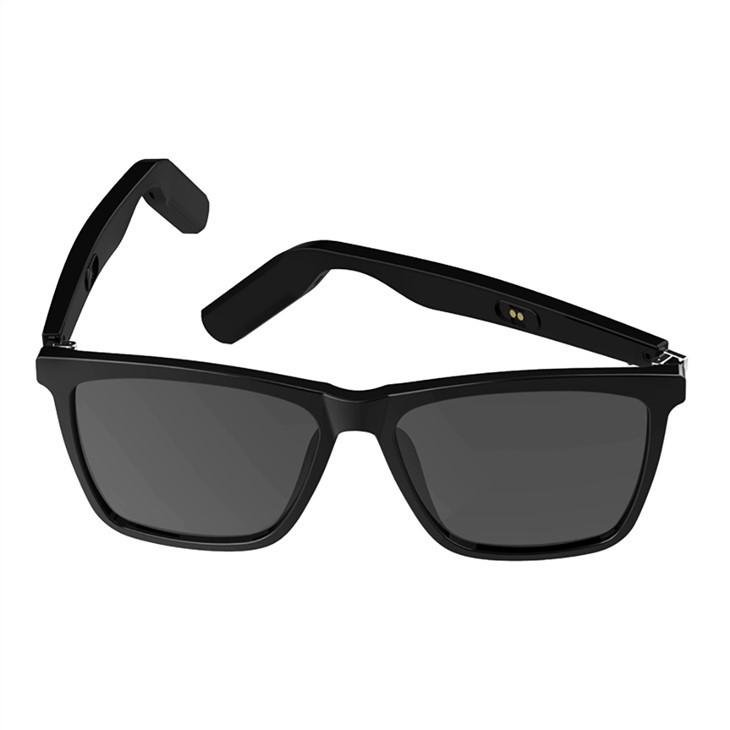
Bluetooth call glasses represent a popular category combining hands-free communication with everyday eyewear functionality. These devices integrate directional speakers, microphones, and wireless connectivity within stylish frame designs. CE certification ensures that radio emissions, audio levels, and electrical safety meet European standards.
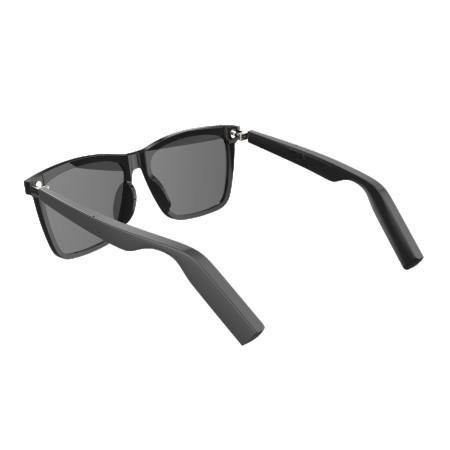
Smart music sunglasses extend the audio-integrated concept to outdoor lifestyle applications. Polarized lenses combine with built-in audio systems, creating versatile products for active consumers. Compliance testing verifies that audio output levels remain safe for extended listening while ensuring wireless connectivity performs reliably.
Regional Variations in Smart Glasses Requirements
While CE certification provides European market access, B2B buyers with global distribution ambitions should understand additional regional requirements. Different markets maintain distinct regulatory frameworks that may require supplemental certifications or documentation.
| Region | Certification | Key Requirements | Timeline |
|---|---|---|---|
| European Union | CE Marking | RED, EMC, LVD, RoHS compliance | 6-10 weeks |
| United States | FCC / FDA | Part 15B emissions, Part 15C RF, Laser safety | 8-12 weeks |
| United Kingdom | UKCA | Similar to CE requirements post-Brexit | 6-10 weeks |
| Japan | TELEC / JIS | Radio law compliance, electrical safety | 8-14 weeks |
| Australia | RCM | ACMA compliance, EMC/EMC alignment | 6-8 weeks |
Many B2B buyers pursue CE certification first, then leverage testing documentation to support additional regional certifications. Test reports from accredited laboratories carry significant weight across multiple markets, potentially reducing overall certification costs and timelines when planned strategically.
Documentation Checklist for B2B Procurement
Establishing clear documentation requirements protects B2B buyers throughout the procurement relationship. Requesting specific documents from manufacturing partners ensures transparency and accountability in the certification process.
Essential documentation includes the complete technical file containing design specifications, circuit schematics, and bill of materials. Test reports from accredited laboratories must cover all applicable directives with passing results clearly documented. The EU Declaration of Conformity should reference all applicable directives and identify the responsible party.
Quality records demonstrating manufacturing consistency include incoming inspection reports, production testing records, and final quality verification documentation. These records support post-market surveillance obligations and demonstrate ongoing compliance maintenance capabilities.
Certification maintenance documentation should address procedures for monitoring regulatory changes, handling component substitutions, and managing product modifications. Manufacturing partners should provide evidence of their compliance monitoring processes and update notification procedures.
Strategic Considerations for Long-Term Partnerships
B2B buyers establishing smart glasses lines should view certification as an ongoing relationship rather than a one-time project. Strategic manufacturing partnerships provide value beyond individual product certifications, supporting portfolio expansion and market diversification over time.
Product family planning allows manufacturers to develop platform architectures that accommodate multiple product variants within consistent certification frameworks. Base platform certifications can extend to derivative products with minimal supplemental testing, accelerating time-to-market for new offerings.
Regulatory monitoring services help manufacturers and brands stay current with evolving requirements. The EU regularly updates directives and publishes new standards that affect smart glasses compliance. Partners who actively monitor regulatory developments provide valuable early warning that enables proactive adaptation.
Capacity planning ensures manufacturing partners can scale production to meet demand without compromising quality or compliance standards. Certification documentation must accommodate volume increases through proper process controls and quality monitoring systems.
Next Steps for Your Smart Glasses Project
Armed with this comprehensive understanding of CE certification requirements, you are better positioned to engage with manufacturing partners and drive your smart glasses project forward. The certification process requires careful planning, experienced partners, and realistic timelines, but successful compliance opens doors to the substantial European market opportunity.
Start by defining your product requirements, target markets, and volume expectations. These parameters shape manufacturer selection and development planning. Document your compliance expectations clearly and incorporate certification milestones into project timelines from the beginning.
Request detailed capability assessments from prospective manufacturing partners. Ask for evidence of previous CE certifications, quality management system documentation, and testing infrastructure descriptions. The investment in thorough vetting pays dividends through smoother development processes and reliable ongoing production.
Contact experienced smart glasses manufacturers to discuss your project requirements and explore collaboration possibilities. Professional manufacturing partners provide valuable guidance through the certification journey while delivering quality products that meet European compliance standards.
Explore certified smart glasses solutions that meet European market requirements and support your business growth objectives. Our team provides comprehensive OEM/ODM services guiding products from concept through certified delivery.
