
Posted At: Nov 24, 2026 - 16 Views

When your brand enters the smart wearables market, every detail matters. Custom logo smart glasses give your business a competitive edge by transforming off-the-shelf technology into a powerful brand extension. Whether you are a distributor launching a new product line or a brand seeking exclusive smart eyewear, understanding the customization process is essential for success.
The global smart glasses market continues expanding rapidly as consumers seek seamless technology integration in everyday accessories. For B2B buyers, this growth translates into substantial opportunities—but only if you approach manufacturing partnerships strategically. This guide breaks down everything you need to know about branding smart glasses, from minimum order quantities to design considerations that impact your bottom line.
Why Custom Branding Matters for Smart Glasses
Brand differentiation separates successful product launches from forgettable ones. In the crowded smart eyewear space, customers associate quality products with recognizable brands. When you customize smart glasses with your logo, you create tangible brand ambassadors that customers wear daily.
Consider the walking advertising potential. Unlike traditional marketing channels, branded smart glasses generate continuous visibility. Every person who sees your customer wearing your glasses becomes a potential lead. This organic reach often outperforms paid advertising when executed properly.
Beyond marketing value, custom branding establishes your market position. Premium brands command higher margins because customers pay for exclusivity. A distinctive logo placement and color scheme tell your brand story before customers even experience your product features.
Types of Customization Available for Smart Glasses
Modern smart glasses manufacturers offer extensive customization options that go far beyond simple logo printing. Understanding these options helps you make informed decisions that balance brand impact with production feasibility.
Logo Customization Methods
Your logo represents your brand identity, so placement and application method matter significantly. Several techniques deliver professional results:
- Laser Engraving: Creates permanent, high-precision markings on metal or acetate frames. This method works excellently for detailed logos and delivers premium perceived value.
- Silk Screen Printing: Ideal for colorful logos on plastic components. This cost-effective method works well for larger production runs.
- UV Printing: Allows full-color logo reproduction directly onto curved surfaces without setup costs. Perfect for prototypes and smaller quantities.
- Embossing and Debossing: Adds texture and dimension to branding elements, creating memorable tactile experiences.
Frame and Temple Customization
Beyond the logo itself, you can customize the physical appearance of the smart glasses to reflect your brand aesthetic:
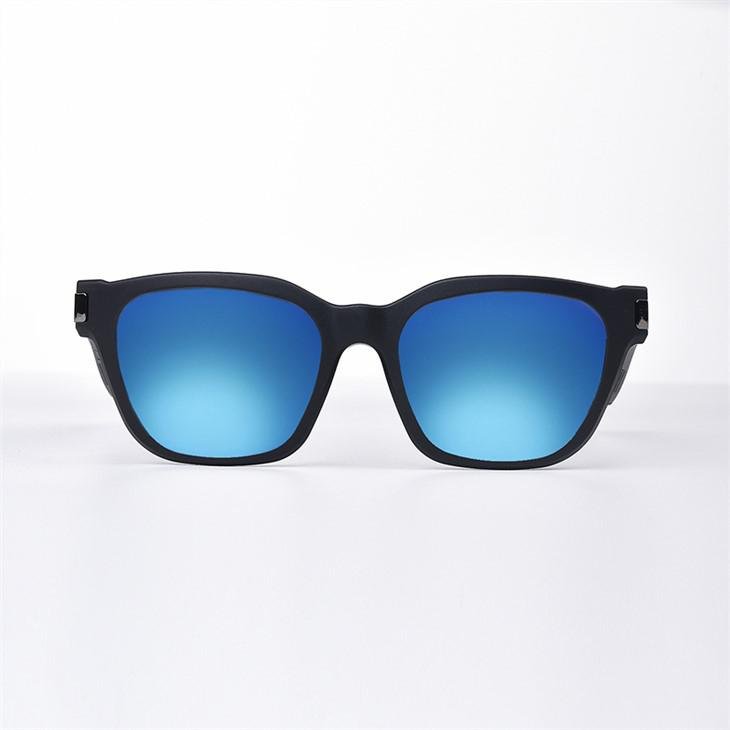
- Custom frame colors matched to your brand palette
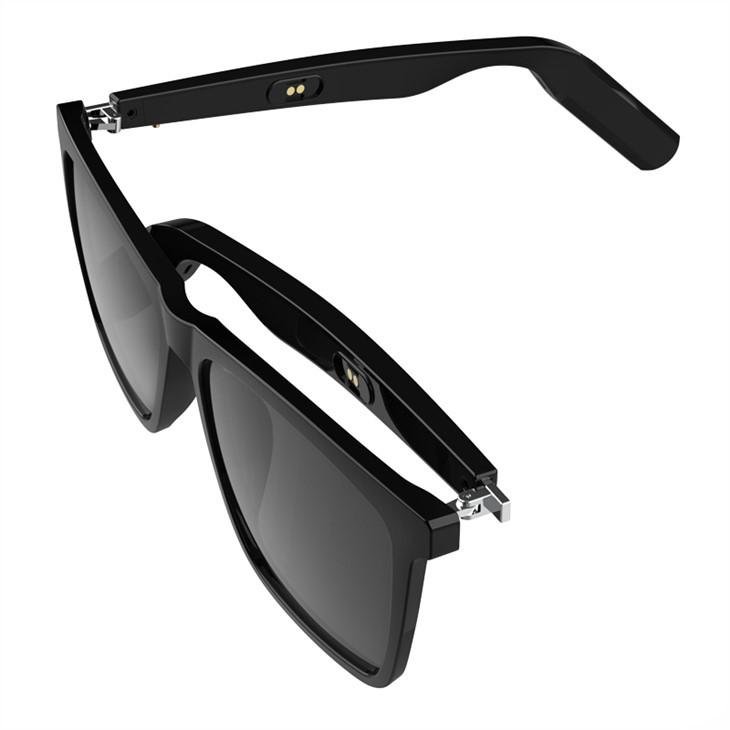
- Unique temple arm designs with brand-specific hardware
- Personalized hinge mechanisms with embossed branding
- Custom nose pads featuring your logo or contact information
OEM vs ODM: Choosing Your Manufacturing Approach
Selecting between OEM (Original Equipment Manufacturing) and ODM (Original Design Manufacturing) shapes your entire product development timeline, costs, and differentiation potential. Both approaches have merit depending on your business objectives.
OEM Manufacturing: Full Control and Exclusivity
OEM arrangements allow you to provide specifications for your smart glasses while the manufacturer builds according to your exact requirements. This approach grants maximum control over every aspect of the product, from internal components to final aesthetics.
OEM works best when you have existing technical specifications, proprietary technology, or require complete product differentiation from competitors. The trade-off involves higher initial investment and longer development timelines. However, the resulting product remains uniquely yours, preventing competitors from sourcing identical glasses.
ODM Manufacturing: Faster Time-to-Market
ODM partnerships leverage existing designs and tooling, allowing faster market entry with minimal upfront investment. Manufacturers provide proven platforms that you customize with branding and minor modifications. This approach reduces development risk while maintaining reasonable product uniqueness.
ODM suits brands testing new markets, launching product extensions, or operating within tight budget constraints. You gain access to mature technology and established supply chains while adding your brand identity to differentiate the final product.
Understanding Minimum Order Quantities and Pricing
B2B buyers frequently underestimate the relationship between order volume and unit economics. Smart glasses pricing follows standard manufacturing economics—larger orders yield dramatically lower per-unit costs.
Typical MOQ (Minimum Order Quantities) for custom logo smart glasses range from 100 to 500 units depending on customization complexity. Simple logo applications on existing designs may allow lower minimums, while extensive customization requiring new tooling typically demands higher volumes.
| Customization Type | Typical MOQ | Lead Time | Cost Impact |
|---|---|---|---|
| Logo Print Only | 100-200 units | 2-3 weeks | Low |
| Custom Frame Color | 300-500 units | 4-6 weeks | Medium |
| Full OEM Customization | 500-1000 units | 8-12 weeks | High |
| New Tooling Required | 1000+ units | 12-16 weeks | Significant |
When evaluating pricing, consider total cost of ownership rather than unit price alone. Shipping, duties, quality control, and potential rework costs all influence your actual margins. Requesting detailed quotations that break down these elements prevents unpleasant surprises during production.
The Custom Branding Process: Step by Step
Understanding the production workflow helps you plan realistic timelines and coordinate effectively with your manufacturing partner.
Initial Consultation and Design Review
Your journey begins with discussing requirements with the manufacturer. Share your brand guidelines, logo files (preferably vector format), and any specific color codes. Manufacturers with extensive experience serving international brands understand the importance of accurate color matching and can advise on technical limitations.
During this phase, request samples of existing products to evaluate baseline quality. Many manufacturers offer sample kits that help you understand available materials, finishes, and construction quality before committing to larger orders.
Prototype Development and Approval
Before mass production, your manufacturer creates prototypes that visualize your branding on the actual product. This critical step catches design issues before committing to full production runs. Review prototypes carefully, checking logo placement, color accuracy, and overall visual impact.
Iterate on prototypes until you achieve the desired result. Rushing this phase often leads to disappointed customers when the final product differs from expectations. Reputable manufacturers welcome revision requests and build them into their standard process.
Production and Quality Control
Once prototypes receive approval, mass production begins. Quality control protocols vary between manufacturers, but professional operations implement multiple inspection checkpoints throughout production. Incoming material inspection, in-process quality checks, and pre-shipment evaluation form comprehensive quality assurance systems.
Request documentation of your quality control process, including inspection reports and defect rates. Leading manufacturers maintain rigorous standards and happily share this information with quality-conscious buyers.
Key Considerations When Selecting a Smart Glasses Manufacturer
Your manufacturing partner influences every aspect of your product quality and brand reputation. Vetting potential suppliers thoroughly protects your investment and ensures consistent results.
Production Capabilities and Technology
Evaluate whether manufacturers possess the technical capabilities your product requires. Consider questions like: Do they have experience with your desired frame materials? Can they achieve your logo specification consistently? What quality certifications do they hold?
Modern smart glasses combine electronics with fashion accessories, requiring expertise in both domains. Seek manufacturers who demonstrate competence in audio integration, battery placement, and waterproofing alongside traditional eyewear manufacturing excellence.
Communication and Support
B2B relationships require clear, responsive communication across time zones and languages. Assess manufacturer responsiveness during initial inquiries—delayed or vague responses often indicate future communication challenges. Look for dedicated account managers who understand your business objectives rather than treating you as just another order number.
Documentation practices matter significantly. Professional manufacturers provide written quotations, detailed specifications, and formal approval processes for prototypes and samples. This paperwork protects both parties and creates clear reference points if disputes arise.
Sample Quality and Consistency
Request multiple samples from the same production batch to evaluate consistency. Variations between samples suggest potential quality control issues that could affect your actual order. High-quality manufacturers deliver consistent results across all samples.
Test samples under real-world conditions appropriate to your target market. If your smart glasses serve fitness enthusiasts, evaluate durability during exercise. If they target professional users, assess comfort during extended wear. These practical tests reveal issues that visual inspection might miss.
Trends Shaping Custom Smart Glasses in 2024
The smart glasses industry evolves rapidly, introducing new features and form factors that create additional branding opportunities. Staying informed about emerging trends helps you position your products competitively.
Open-ear audio technology continues gaining popularity, allowing users to consume content without isolating themselves from environmental sounds. Brands can differentiate by offering superior audio quality, comfortable fit, and stylish aesthetics that blend technology seamlessly with everyday life.
Sustainability concerns influence purchasing decisions across demographics. Manufacturers increasingly offer eco-friendly materials, recyclable packaging, and carbon-neutral production options. Highlighting sustainable practices in your branding appeals to environmentally conscious consumers while potentially reducing your environmental footprint.
Integration with artificial intelligence transforms smart glasses from audio accessories into intelligent assistants. Products featuring voice commands, real-time translation, and contextual information display capture premium market segments. These advanced features create compelling talking points that justify higher price points.
Making Your Custom Smart Glasses Launch Successful
Manufacturing excellence means nothing without effective market positioning and sales strategy. Consider these factors when bringing your custom smart glasses to market.
Develop clear product positioning that highlights unique value rather than competing solely on price. Premium branding justifies premium pricing when accompanied by quality materials, reliable performance, and exceptional customer experiences. Define your target customer precisely and craft messaging that resonates with their specific needs and aspirations.
Plan inventory strategically to balance availability with working capital constraints. Many B2B buyers start with moderate quantities to validate market demand before committing to large reorders. Building strong relationships with manufacturers enables flexible production arrangements that accommodate demand fluctuations.
Prepare comprehensive product documentation including high-quality images, detailed specifications, and usage scenarios. These assets support your sales channels and marketing efforts while building consumer confidence in your brand professionalism.
Partner With Experts in Smart Glasses Manufacturing
Bringing custom logo smart glasses to market requires navigating complex decisions from design through delivery. Working with experienced manufacturing partners reduces risk and accelerates your path to market success.
Our team at Smart Glasses Factory specializes in helping brands and distributors achieve their customization goals. We offer flexible MOQs, comprehensive quality control, and dedicated support throughout your production journey. Whether you need a few hundred units for an initial launch or thousands for major distribution, we have the capabilities and expertise to deliver consistent results.
Ready to explore how we can bring your custom smart glasses vision to life? Contact our sales team today to discuss your requirements, request samples, or receive a detailed quotation for your project. Let us help you transform your brand identity into wearable technology that captures attention and drives business growth.
