
Posted At: Jun 03, 2026 - 1,238 Views

When your product category sits at the intersection of fashion and technology, traditional product photography simply does not cut it. Smart glasses represent a unique challenge for Shopify sellers: you need to showcase cutting-edge technology while maintaining the visual appeal that drives fashion-conscious purchasing decisions. For B2B buyers sourcing from smart glasses manufacturers in China, high-quality product imagery becomes the cornerstone of successful wholesale partnerships and brand positioning.
The reality is stark. Studies consistently show that product images account for over 60% of consumer purchasing decisions in online retail. For a relatively new product category like smart glasses, where customers cannot physically handle or try on the product before purchase, that percentage climbs even higher. Your product photography must bridge the gap between digital browsing and the tangible experience of wearing innovative eyewear.
Understanding the Unique Photography Challenges of Smart Glasses
Smart glasses differ fundamentally from conventional eyewear. Beyond the frame and lenses, these products feature integrated electronics: speakers embedded in the temples, microphones for voice commands, touch-sensitive controls, LED indicators, and sometimes cameras or displays. Your photography needs to communicate these features without cluttering the visual narrative.
Consider the Smart Audio Glasses Wireless Bluetooth collection. The photography must highlight the seamless integration of audio technology into stylish frames. When potential buyers see these glasses, they need to understand that the temples house sophisticated audio drivers while maintaining the aesthetic appeal of premium eyewear.
The reflective surfaces common in smart glasses present another significant challenge. Lens coatings, glossy frame finishes, and integrated glass elements create unwanted reflections and glare that can obscure product details or create unprofessional artifacts in your images.
Essential Equipment for Professional Smart Glasses Photography
You do not need a Hollywood production budget to capture stunning product photographs, but investing in the right equipment pays dividends. A DSLR or mirrorless camera with manual controls offers the flexibility needed to handle the challenging lighting conditions that smart glasses present. Resolution matters less than consistent color accuracy and sharp detail capture.
A sturdy tripod eliminates camera shake and enables consistent framing across multiple product shots. This consistency proves invaluable when photographing entire product lines for wholesale catalogs or B2B presentations. Ring lights and softboxes create the controlled lighting environment necessary to manage reflections while maintaining detail in both lens and frame elements.
For white background shots typical of Shopify listings, a sweep backdrop system eliminates visible horizon lines and creates the clean, professional look that major e-commerce platforms favor. polarization filters help manage reflections from glossy surfaces, allowing you to capture the technology within the frames without distracting glare.
Mastering Lighting Techniques for Tech-Enabled Eyewear
Lighting fundamentally determines whether your smart glasses photography succeeds or fails. The goal involves illuminating the product evenly while controlling reflections that obscure product features. Three-point lighting serves as the foundation for most smart glasses photography setups.
The key light, positioned at approximately 45 degrees from the product, provides the primary illumination. This light defines the overall exposure and creates the initial reflections you will manage throughout the setup. Fill lights, placed opposite the key light at lower intensity, soften shadows and ensure details remain visible in darker areas of the frames.
Backlighting requires particular attention with smart glasses. When light originates from behind the product, it creates rim lighting that separates the glasses from the background while highlighting edge profiles. This technique proves especially effective for displaying the slim profile of modern smart glasses designs like the Most Fashionable Smart Glasses Wireless Bluetooth collection, where the delicate engineering deserves visual emphasis.
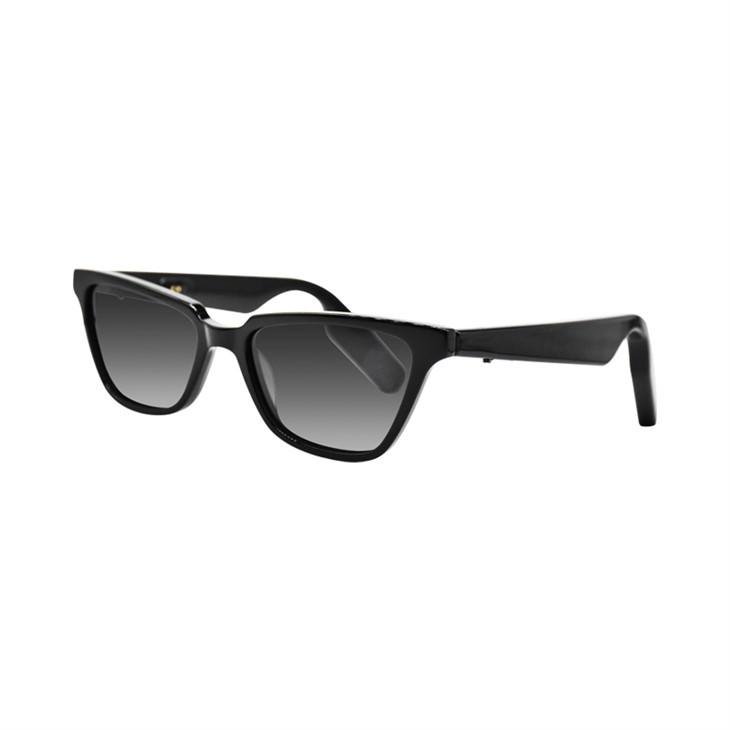
For polarized lenses commonly featured in smart sunglasses, specialized lighting approaches eliminate harsh reflections while maintaining lens clarity. Shooting through a polarizing filter while using polarizing light sources gives you complete control over lens appearance and ensures customers see exactly what they will experience with their purchase.
Styling and Presentation Strategies
Beyond technical execution, styling elevates your product photography from adequate to exceptional. Smart glasses photography benefits from lifestyle context that helps potential buyers envision the product in their daily lives. However, balancing lifestyle appeal with clear product visibility requires careful planning.
Flat lay photography works well for e-commerce listings where customers need to evaluate the product itself. Lay glasses on clean surfaces with subtle shadows that suggest dimension. For smart glasses specifically, consider including a scale reference or positioning the product alongside complementary accessories to communicate the integrated technology package.
Mannequin and model photography adds human scale and emotional connection to your listings. When photographing smart glasses on models, focus on capturing expressions and body language that suggest technological confidence and modern lifestyle integration. The Music Call Sunglasses line exemplifies how lifestyle positioning communicates product benefits: photography showing someone taking a call hands-free while commuting conveys the value proposition more effectively than specifications alone.
Capturing Smart Glasses Technology Features Visually
Your product photography must communicate technological features that differentiate smart glasses from conventional eyewear. Thoughtful composition draws attention to integrated speakers, touch controls, and indicator lights without making the technology feel intrusive or complicated.
Close-up detail shots prove essential for showcasing the refined engineering typical of modern smart glasses. Capture the precision of temple hinges, the quality of lens coatings, and the integration of control interfaces. These details reassure B2B buyers that they are sourcing premium products worthy of their brand reputation.
Consider the Smart Touch Glasses as an example. Photography highlighting the touch-sensitive temple area communicates interaction intuitively. When customers see a finger gently touching the temple region, they immediately understand the control mechanism without requiring explanation.
Post-Processing Workflow for Shopify-Ready Images
Professional photography requires professional editing. Your raw images need processing to meet Shopify requirements while maintaining product accuracy. Color correction ensures the glasses appear true to life across different customer displays, which varies significantly from device to device.
Background cleanup removes dust, shadows, and imperfections that distract from the product. For white background listings, achieving pure white (#FFFFFF) without blown-out highlights on the product itself requires careful masking and exposure blending during post-processing.
Shadow editing deserves particular attention. While subtle drop shadows add dimension and grounding to product images, overly heavy shadows suggest poor lighting and reduce professional credibility. Aim for natural-looking shadows that enhance rather than dominate the composition.
Optimizing Smart Glasses Images for Mobile Commerce
Mobile commerce dominates modern e-commerce, with the majority of Shopify traffic originating from smartphones. Your photography must perform excellently on smaller screens while maintaining enough detail for customers to evaluate quality and features. This requires careful attention to compression settings and responsive image serving.
Shopify's responsive image handling automatically serves appropriately sized images based on customer device and screen resolution. However, you must upload sufficiently high-resolution source images to enable this optimization. For smart glasses photography, ensure your primary images exceed 2048 pixels on the longest dimension to guarantee crisp display on retina devices.
Consider creating image sets that work together: a hero image optimized for social sharing and email marketing, supporting gallery images covering multiple angles and details, and lifestyle shots that contextualize the product. This systematic approach to image sets improves both conversion rates and return rates by setting accurate customer expectations.
360-Degree and Video Product Presentations
Static images have limitations for complex products like smart glasses. 360-degree product photography allows customers to examine the glasses from all angles, building confidence in their purchase decision. This approach proves particularly valuable for B2B wholesale inquiries where buyers cannot inspect physical samples before committing to larger orders.
Video content takes this further, demonstrating smart glasses in action. Short clips showing touch controls being activated, audio playback functioning, or call features in use provide the experiential information that static images cannot convey. These demonstrations address the primary hesitation customers face when purchasing technology-enabled eyewear online.
Building a Cohesive Brand Image Across Your Product Line
For brands offering multiple smart glasses models, consistency in photography style strengthens brand recognition and professionalism. Establish photography guidelines that apply across your entire collection: consistent lighting temperature, similar background treatments, uniform angles, and matching post-processing aesthetics.
| Photography Element | Minimum Standard | Premium Standard |
|---|---|---|
| Image Resolution | 1500px longest side | 3000px+ longest side |
| Background | Clean, consistent color | Pure white or transparent |
| Shadow Treatment | Subtle drop shadow | Natural cast shadow |
| Color Accuracy | Industry standard calibration | ICC profile matching |
| Product Angles | 3-4 consistent angles | 6+ angles plus 360 view |
This table summarizes key photography standards that distinguish professional listings from amateur attempts. For B2B buyers evaluating potential OEM partners, consistent, professional imagery signals manufacturing quality and attention to detail.
Working with Professional Product Photographers
Many brands lack in-house photography capabilities suitable for competitive e-commerce presence. Partnering with professional product photographers requires clear communication about your specific needs. Provide reference images that exemplify your desired style, technical specifications for each product variation, and clear guidelines about brand aesthetics.
For brands sourcing from smart glasses manufacturers in China, professional photography bridges the gap between factory imagery and retail-ready content. Many established OEM partners like those at Smart Glasses Factory offer photography services as part of their brand support packages, ensuring consistent quality across products sourced from their manufacturing capabilities.
Final Recommendations for Smart Glasses Photography Success
Product photography for smart glasses demands attention to both technical excellence and emotional appeal. Your images must communicate sophisticated technology through approachable visual storytelling. Invest in proper equipment, master lighting fundamentals, and develop a consistent workflow that scales with your product line growth.
Remember that your Shopify listing photography represents your entire brand. For B2B buyers evaluating your products, professional imagery signals that you take every aspect of your business seriously, from product development through customer experience. The investment in quality photography returns through higher conversion rates, lower return rates, and stronger wholesale partnerships.
Ready to elevate your smart glasses product photography? Explore our complete collection of Bluetooth Smart Music Sunglasses to see professional product presentation in action, or connect with our team to discuss OEM and ODM manufacturing partnerships that include comprehensive brand support services.
