
Posted At: Nov 18, 2026 - 77 Views

Importing smart glasses from China has become a strategic move for businesses looking to capitalize on the booming wearable technology market. The combination of competitive manufacturing costs, advanced production capabilities, and rapid innovation cycles makes China the preferred sourcing destination for smart eyewear products. However, the success of your import operation hinges entirely on one critical factor: proper documentation.
Every shipment that crosses international borders requires a specific set of paperwork. Missing or incorrect documentation can result in costly delays, customs holds, penalty fees, or even the rejection of your entire shipment. For B2B buyers and distributors, understanding the documentation landscape is not optional—it is the foundation of a successful supply chain operation.
Understanding the Smart Glasses Export Documentation Framework
When you source smart glasses from Chinese manufacturers, you enter a complex ecosystem of trade regulations, quality standards, and bureaucratic requirements. The documentation process begins long before your goods are packed and shipped. It starts during the negotiation phase with your chosen OEM or ODM partner and continues through production, inspection, and logistics.
Chinese exporters and their logistics partners handle much of the documentation from the Chinese side, but as the importer, you bear responsibility for ensuring that your documentation meets the requirements of your destination country. This dual responsibility makes communication with your supplier absolutely essential.
Essential Commercial Documents for Smart Glasses Import
Commercial Invoice
The commercial invoice stands as the most critical document in any international trade transaction. This document serves multiple purposes: it provides a detailed record of the transaction between buyer and seller, it determines the customs value of your goods, and it forms the basis for duty calculations. Your commercial invoice for smart glasses should include complete descriptions of each product line, unit prices in the agreed currency, total quantities,Incoterms terms, payment terms, and the full business details of both parties.
Chinese suppliers typically prepare this document, but you must review it carefully before shipment. Ensure that product descriptions match the nomenclature used in other documents and that all values are consistent across your paperwork.
Bill of Lading or Air Waybill
For sea freight shipments, the Bill of Lading (B/L) serves as both a receipt for goods and a document of title. For air shipments, you will receive an Air Waybill (AWB) instead. These documents authorize you or your designated agent to claim the goods upon arrival at the destination port. The Bill of Lading is negotiable in some cases, meaning it can be transferred to third parties, while the Air Waybill is non-negotiable.
When working with Chinese manufacturers, you will typically receive either a Master Bill of Lading from the shipping line or a House Bill of Lading from your freight forwarder. Your choice of Incoterms determines when title to the goods transfers and who bears the risk during transit.
Packing List
The packing list provides granular details about the contents of each package in your shipment. For smart glasses, this document should specify the number of units per carton, carton dimensions, gross and net weights, and the total number of cartons. Customs officials use the packing list to verify the physical contents of your shipment against the manifest.
A well-organized packing list also facilitates your internal inventory management and helps your warehouse staff receive and process incoming goods efficiently.
Regulatory Certifications for Smart Glasses
Smart glasses fall under multiple product categories that require various certifications depending on your target market. Electronics require electrical safety certifications, wearable devices may need wireless communication approvals, and eyeglass products must meet optical standards.
CE Marking for European Markets
If you plan to sell smart glasses in the European Economic Area, CE marking is mandatory. This marking indicates that your products comply with relevant EU Directives, including the Radio Equipment Directive (RED) for wireless functionality, the Low Voltage Directive for battery-powered devices, and the General Product Safety Directive. Your Chinese manufacturer can often handle CE compliance testing, but you remain responsible for ensuring that the certification covers your specific product configurations and market requirements.
FCC Certification for United States Markets
Any smart glasses with wireless capabilities sold in the United States must receive FCC certification. The Federal Communications Commission requires testing to verify that your devices do not cause harmful interference and that they can withstand expected electromagnetic disturbances. FCC certification typically involves either Certification for higher-power devices or Supplier's Declaration of Conformity for lower-power equipment.
Additional Regional Certifications
Your target markets may require additional certifications. The United Kingdom has its own UKCA marking system following Brexit. Australia requires RCM compliance. Japan enforces VCCI and PSE requirements. Canada mandates ISED certification. Each market has its own documentation requirements that supplement the basic commercial paperwork.
Product-Specific Documentation for Smart Eyewear
Smart glasses occupy a unique position at the intersection of electronics and optical products. This hybrid nature creates documentation requirements that span multiple regulatory domains.
Optical Product Standards
If your smart glasses include prescription lenses or significant optical components, you may need documentation demonstrating compliance with optical standards. These requirements vary by jurisdiction but typically include specifications for lens materials, UV protection levels, impact resistance, and optical clarity measurements.
Battery and Safety Documentation
Lithium batteries present specific documentation challenges due to their classification as hazardous materials. Your shipment documentation must include UN38.3 testing certification proving that batteries have been tested for safe transport, along with detailed battery specifications including capacity, voltage, and chemistry. Safety data sheets for lithium-ion batteries should accompany your shipment.
Working with Freight Forwarders and Customs Brokers
The complexity of smart glasses import documentation makes professional logistics support not just helpful but necessary for most B2B buyers. Freight forwarders coordinate the physical movement of your goods, while customs brokers specialize in navigating the documentation requirements of your destination country.
A competent freight forwarder will consolidate your documentation, ensure that all required paperwork accompanies your shipment, and communicate with customs officials on your behalf. Many forwarders offer digital platforms where you can track your documentation status in real time.
Documentation Checklist for Your First Shipment
Use this checklist to ensure you have all necessary documentation in place:
- Signed commercial invoice with complete product descriptions
- Original Bill of Lading or Air Waybill
- Detailed packing list with carton counts and weights
- Certificate of Origin for preferential tariff treatment
- Product certifications for your destination market
- UN38.3 battery testing documentation
- Safety data sheets for lithium batteries
- Insurance certificate or declaration
- Proforma invoice for advance payment transactions
- Quality inspection report if applicable
Tariff Classification and Customs Valuation
Proper tariff classification determines the duty rate applied to your smart glasses imports. The Harmonized System (HS) code you use must accurately describe your products. Smart glasses typically fall under Chapter 90 for optical instruments or Chapter 85 for electrical machinery, depending on their primary function and how customs authorities in your country interpret them.
Customs valuation is equally important. The transaction value—the price actually paid or payable for your goods—forms the primary basis for valuation. However, additions for assists, royalties, and proceeds from future resale can affect the declared value. Understanding these adjustments prevents disputes with customs authorities and ensures accurate duty calculations.
Digital Documentation and Electronic Data Interchange
Modern supply chain management increasingly relies on digital documentation systems. Electronic Bills of Lading, digital certificates of origin, and blockchain-verified supply chain records are transforming how trade documentation moves through the system. These digital approaches reduce paperwork errors, accelerate processing times, and create immutable audit trails.
When selecting partners for your smart glasses import operation, consider their digital capabilities. Suppliers and logistics providers that offer electronic documentation submission, real-time tracking, and integrated systems will streamline your operations and reduce the risk of documentation errors.
Common Documentation Mistakes and How to Avoid Them
Documentation errors rank among the leading causes of customs delays and additional costs in international trade. The most frequent issues include mismatched information across documents, incorrect HS code classifications, missing signatures or stamps, expired certifications, and incomplete product descriptions.
Establish a systematic review process where multiple team members verify documentation before shipment. Create standardized templates for your most common imports and train your team on the specific requirements of different product categories. Maintain close communication with your Chinese supplier to catch and correct documentation issues before they cause problems at customs.
Building Long-Term Documentation Systems
As your smart glasses import volume grows, documentation management becomes increasingly complex. Implementing an integrated trade compliance system helps you track certifications, manage renewal dates, store documentation centrally, and generate reports for management review.
Your long-term documentation strategy should include regular audits of your documentation processes, continuous training for team members, relationships with reliable logistics partners, and contingency plans for documentation emergencies. Companies that invest in documentation infrastructure early position themselves for scalable, sustainable growth in their smart glasses import operations.
| Document Type | Purpose | Prepared By | Critical for First Shipment |
|---|---|---|---|
| Commercial Invoice | Customs valuation, transaction record | Chinese Supplier | Essential |
| Bill of Lading / Air Waybill | Goods receipt, title transfer | Freight Forwarder | Essential |
| Packing List | Content verification, inventory | Chinese Supplier | Essential |
| Certificate of Origin | Preferential duty rates | Supplier or Chamber of Commerce | Recommended |
| Product Certifications | Regulatory compliance | Testing Laboratory | Essential |
| Battery Documentation | Hazardous materials compliance | Supplier | Essential |
Partner with an Experienced Smart Glasses Manufacturer
Navigating the documentation requirements for smart glasses imports requires both knowledge and experience. Working with a manufacturer who understands international trade documentation simplifies this process significantly. At Smart Glasses Factory, we have helped numerous B2B buyers and distributors navigate the complexities of importing smart eyewear products from China.
Our team provides comprehensive support including documentation preparation, quality certification assistance, and logistics coordination. We understand that your time is valuable, and we work to ensure that every shipment is properly documented and ready for smooth customs clearance at its destination.
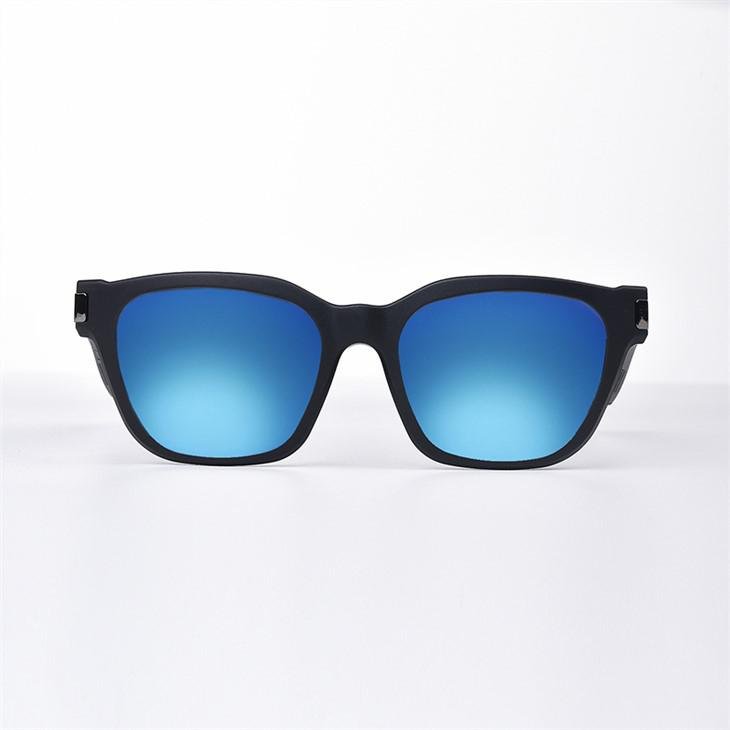
Whether you are importing Bluetooth audio sunglasses for retail distribution, polarized driving smart glasses for your brand, or custom-designed smart eyewear for a specialized market, we have the expertise and infrastructure to support your import operation. Contact our team today to discuss your smart glasses sourcing requirements and discover how we can streamline your documentation process while delivering high-quality products that meet your exact specifications.
