
Posted At: Oct 05, 2026 - 42 Views

The wearable technology landscape has undergone a remarkable transformation over the past few years, with smart glasses evolving from bulky science fiction prototypes into sleek, everyday accessories. At the forefront of this revolution stands the Amazon Echo Frames lineup, which has successfully merged voice assistant capabilities with contemporary eyewear design. For B2B buyers, distributors, and brands seeking smart glasses OEM/ODM manufacturing partnerships, understanding the Echo Frames phenomenon offers valuable insights into market demands, consumer preferences, and the technical requirements for producing competitive voice assistant eyewear.
Understanding the Voice Assistant Glasses Market
Voice assistant technology has become ubiquitous in modern life, with millions of consumers relying on Alexa, Siri, and Google Assistant for daily tasks. The natural evolution of this technology led to its integration into everyday accessories, particularly eyeglasses. This convergence created a new product category that addresses a fundamental user need: hands-free access to digital assistance without the social awkwardness of wearing conspicuous AR headsets.
The market for voice assistant glasses has expanded significantly as consumers increasingly seek seamless technology integration. These devices allow users to make calls, send messages, play music, get directions, and access information through simple voice commands—all while wearing ordinary-looking eyewear. The subtlety of modern smart glasses designs has been instrumental in overcoming the "Google Glass effect," where early smart eyewear faced resistance due to its futuristic appearance and privacy concerns.
For manufacturers and B2B partners, this market segment presents substantial growth opportunities. The demand for voice assistant glasses spans multiple demographics, from fitness enthusiasts wanting workout-friendly audio to professionals requiring discreet communication tools during meetings. Understanding these diverse use cases is essential for developing products that meet specific market segment requirements.
Amazon Echo Frames: Design Philosophy and Style Evolution
Amazon's approach to smart glasses design demonstrates a clear understanding of consumer psychology and fashion sensibilities. The Echo Frames prioritize everyday wearability, featuring designs that closely resemble conventional prescription glasses and sunglasses. This design philosophy has resonated strongly with consumers who want smart functionality without broadcasting their technology use to the world.
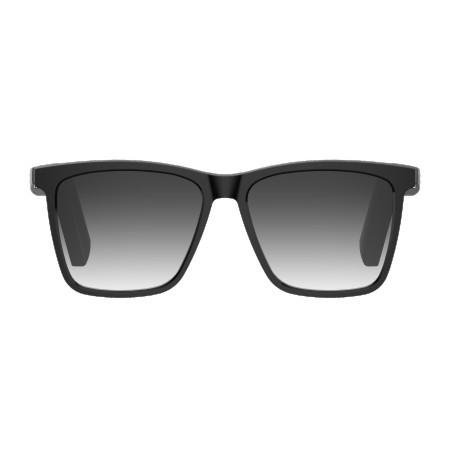
The style evolution of Echo Frames showcases how far smart eyewear has come in terms of aesthetic appeal. Early versions featured chunky frames that still signaled "tech gadget" to observers. Subsequent generations have refined proportions, offering sleeker profiles with more sophisticated color options. The frames now come in various shapes including rectangular, round, and square, catering to different face shapes and style preferences.
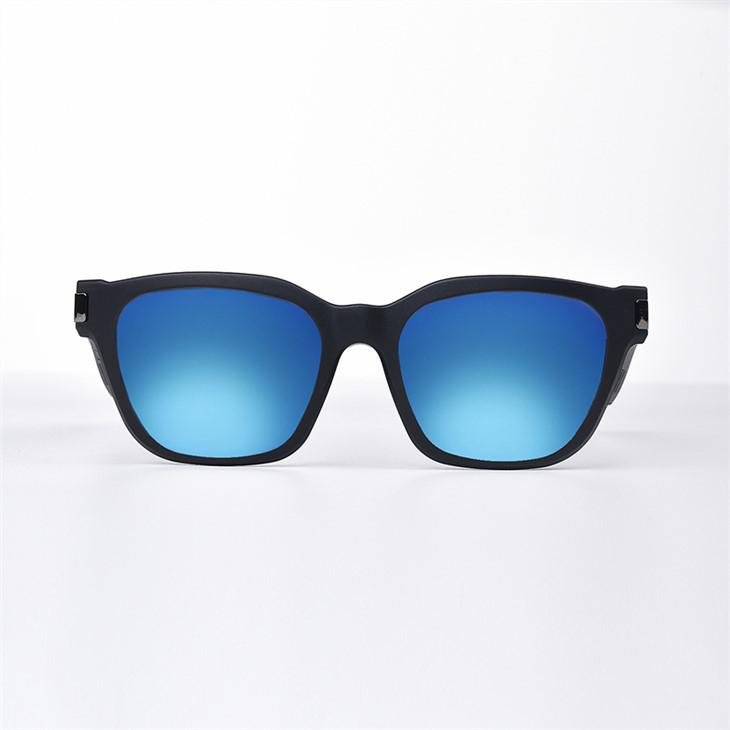
Amazon has also expanded the sunglasses variants within the Echo Frames family, recognizing that many users spend significant time outdoors or prefer sun protection during daily activities. These driving call sunglasses combine UV protection with voice assistant functionality, demonstrating how manufacturers can address multiple use cases within a single product line.
Technical Features Driving Voice Assistant Glasses Success
The success of any voice assistant glasses product depends heavily on the seamless integration of several technical components. Audio quality remains paramount, as users rely on these devices for phone calls, music playback, and voice command processing. Directional speakers have become standard, projecting sound toward the wearer's ears while minimizing sound leakage to surrounding individuals.
Microphone arrays represent another critical technical element. Echo Frames utilize multiple microphones with noise reduction and beam-forming technology to isolate the user's voice from ambient noise effectively. This capability ensures accurate voice recognition even in challenging environments like busy streets, crowded offices, or windy outdoor conditions. The quality of voice capture directly impacts user satisfaction with voice assistant interactions.
Battery life and charging convenience also factor significantly into the user experience equation. Modern smart glasses must deliver sufficient operational time to get users through a typical workday without requiring midday charging. Magnetic charging solutions and efficient power management systems have addressed earlier concerns about battery limitations, making all-day wear practical for most users.
Manufacturing Considerations for Voice Assistant Glasses
Producing competitive voice assistant glasses requires expertise across multiple disciplines, including precision optics, electronics integration, and conventional eyewear manufacturing. The frame construction must accommodate speakers, microphones, batteries, and processing components while maintaining the comfort and durability expected from quality eyewear.
Material selection plays a crucial role in achieving the balance between lightweight comfort and structural integrity. Many manufacturers utilize TR-90 nylon, titanium, or premium plastics that offer excellent strength-to-weight ratios. These materials also provide design flexibility for creating various frame styles without compromising the internal component accommodation required for smart functionality.
For B2B buyers evaluating manufacturing partners, the ability to scale production while maintaining consistent quality becomes a key consideration. Chinese manufacturing facilities have established themselves as leaders in smart glasses production, offering comprehensive OEM/ODM services that span from concept development through mass production. These facilities combine traditional eyewear manufacturing expertise with advanced electronics integration capabilities.
Product Development and Customization Opportunities
The voice assistant glasses market offers numerous customization possibilities that allow brands to differentiate their offerings. Frame colors, materials, and shapes can be tailored to specific target demographics or regional preferences. Some markets favor bold, fashion-forward designs, while others prefer understated, professional aesthetics.
Functional customization extends beyond mere aesthetics. Brands can work with manufacturers to implement specific voice assistant platforms, optimize audio profiles for particular use cases, or integrate additional sensors for specialized applications. Fitness-oriented products might emphasize water resistance and secure fit during physical activity, while professional-oriented variants could prioritize call quality and extended battery life.
Customization also extends to the user experience layer, including app integration, voice command customization, and notification management. These software considerations often prove as important as hardware specifications in determining user satisfaction and brand loyalty.
Market Segmentation and Target Applications
Voice assistant glasses serve diverse market segments, each with distinct requirements and purchasing motivations. The professional segment values discreet communication, hands-free calling during commutes, and quick access to information without reaching for a phone. These users typically prefer more conservative frame designs that complement business attire.
The fitness and outdoor segment embraces smart glasses for activities where phone access proves impractical. Running, cycling, and hiking enthusiasts appreciate GPS navigation prompts, workout tracking, and music playback without headphones that block environmental awareness. For this demographic, anti-sweat sports glasses with voice assistant integration represent an attractive product category.
Social and lifestyle users constitute another significant segment, treating voice assistant glasses as fashion accessories with practical benefits. These consumers often prioritize style variety and may own multiple pairs for different occasions, similar to how traditional eyewear enthusiasts maintain collections of prescription glasses and sunglasses.
Competitive Landscape and Differentiation Strategies
The smart glasses market includes several notable players beyond Amazon, each bringing unique approaches to voice assistant integration. This competition drives innovation while also creating opportunities for new market entrants to establish differentiated positioning. Understanding competitor offerings helps B2B buyers identify market gaps and potential differentiation angles.
Price positioning represents one key differentiation dimension. Some manufacturers target the premium segment with advanced features and luxury materials, while others pursue value-oriented strategies emphasizing essential functionality at accessible price points. Manufacturing partners can guide brands in selecting appropriate positioning based on target markets and competitive dynamics.
Platform integration offers another differentiation avenue. While Alexa integration has proven popular, alternative voice assistant ecosystems like Google Assistant and proprietary solutions present additional market opportunities. Products can also support multiple platforms, though this approach introduces complexity and potential licensing considerations.
Quality Assurance and Testing Requirements
Producing reliable voice assistant glasses demands rigorous quality assurance protocols throughout the manufacturing process. Electrical components must withstand the thermal and mechanical stresses of daily wear, including exposure to perspiration, temperature variations, and physical handling. Accelerated life testing helps identify potential failure modes before full-scale production begins.
Audio quality testing requires specialized facilities and equipment to verify speaker performance, microphone sensitivity, and noise reduction effectiveness. These tests should simulate real-world usage scenarios, including various ambient noise levels and user positioning variations. Acoustic tuning ensures balanced sound reproduction that enhances music listening while maintaining clarity for voice commands and phone calls.
Compliance testing addresses regulatory requirements including RF emissions, electromagnetic interference, and safety standards for consumer electronics. Different markets impose varying regulatory requirements, necessitating careful attention to target market specifications during product development and manufacturing.
Supply Chain Considerations for Smart Components
The electronic components required for voice assistant glasses—including Bluetooth modules, audio codecs, microphones, and batteries—represent a significant portion of product cost and complexity. Establishing reliable supplier relationships ensures consistent quality and availability throughout the product lifecycle.
Component sourcing strategies may emphasize cost optimization through tier-two supplier relationships or prioritize reliability through established component manufacturers. Many OEM/ODM partners maintain established supplier networks that B2B buyers can leverage for competitive pricing and assured quality.
Inventory management becomes particularly important for smart glasses products due to the rapid evolution of electronic components. Building flexibility into product designs allows accommodation of component substitutions when specific parts become unavailable or when newer generations offer improved performance or cost efficiency.
Future Trends in Voice Assistant Eyewear
The evolution of voice assistant glasses continues with several emerging trends that will shape future product development. Artificial intelligence advances promise more natural and contextually aware voice interactions, reducing the frustration of misunderstood commands and expanding the range of possible use cases.
Extended reality integration represents another development trajectory, though current voice assistant glasses deliberately avoid the complexity and social stigma of fully immersive AR experiences. Future products may offer optional AR capabilities that users can enable or disable based on preference, blurring the line between basic voice assistant glasses and advanced AR eyewear.
Battery technology improvements will enable longer operational times and potentially smaller, lighter frame designs. Energy harvesting technologies like solar charging could supplement traditional charging methods, further enhancing the practicality of all-day smart glasses wear.
Making Manufacturing Partnership Decisions
Selecting the right manufacturing partner significantly impacts product success, brand reputation, and long-term business sustainability. Beyond production capabilities, consider factors like communication efficiency, engineering support depth, and track record with similar products. Factory visits and sample evaluations provide valuable insights that complement documentation review.
Intellectual property protection merits serious consideration when engaging manufacturing partners. Establishing clear agreements regarding design confidentiality, component sourcing restrictions, and territorial exclusivity helps protect brand investments and competitive positioning.
Quality management systems and certifications offer additional confidence markers. Partners with established processes for defect prevention, traceability, and continuous improvement demonstrate operational maturity that translates into consistent product quality at scale.
Getting Started with Your Smart Glasses Project
The journey from concept to market-ready voice assistant glasses requires careful planning and execution across multiple phases. Initial concept development should establish clear product specifications, target market definitions, and competitive positioning. These foundational elements guide subsequent engineering and manufacturing decisions.
Prototype development allows validation of design assumptions and technical feasibility before committing to mass production tooling. This iterative phase often reveals optimization opportunities that improve product quality while potentially reducing manufacturing costs.
Our manufacturing facility offers comprehensive support for voice assistant glasses development, from initial concept consultation through mass production and global logistics. Our experience spans the full range of smart glasses categories, including anti-ultraviolet music glasses and other specialized variants. We invite B2B partners to discuss their specific requirements and explore how our capabilities align with your product vision and market objectives.
Whether you represent an established brand seeking to expand into smart eyewear or an entrepreneur launching a new venture, the voice assistant glasses market offers compelling opportunities for differentiation and growth. The combination of mature technology, proven market demand, and accessible manufacturing capabilities creates favorable conditions for successful product launches. We welcome inquiries from serious B2B buyers ready to take the next step toward bringing their smart glasses concepts to market.
