
Posted At: Jun 15, 2026 - 1,396 Views

The smart glasses market has witnessed countless product launches that failed to gain traction, leaving brands and distributors searching for answers. While the technology holds tremendous potential, the gap between concept and commercial success remains vast. For businesses seeking to enter this space with OEM or ODM manufacturing partnerships, understanding these failure patterns is essential for making informed decisions.
The Reality of Smart Glasses Market Challenges
When Google Glass debuted in 2013, it sparked a wave of enthusiasm about wearable technology that would transform how we interact with the world. More than a decade later, the market tells a different story. Most smart glasses products have struggled to achieve meaningful sales volumes, and numerous brands have exited the segment entirely. The reasons extend far beyond simple technological limitations.
Consumer electronics buyers have grown skeptical of smart eyewear propositions. They've watched flagship products get discontinued, software ecosystems collapse, and promised features become obsolete within months of purchase. This skepticism creates an uphill battle for new market entrants, making differentiation and realistic value proposition delivery more critical than ever.
Technical Limitations That Derailed Products
Battery Life Constraints
The fundamental physics of battery technology continues to limit what smart glasses can achieve. Consumers expect devices to last through a full day of use without constant recharging, yet the compact frame requirements of eyewear leave minimal space for battery capacity. Many failed products offered only 2-4 hours of active use, creating frustration among early adopters who found themselves unable to rely on their devices for meaningful applications.
This challenge becomes even more pronounced when manufacturers attempt to pack advanced features like always-on voice assistants, heads-up displays, or high-quality audio systems into the frames. Each feature draws power, and balancing performance with battery life requires careful engineering trade-offs that many products failed to navigate successfully.
Display and Optical Technology Immaturity
Products featuring built-in displays faced particular difficulties. The challenge of projecting readable content onto transparent lenses while maintaining field of view, brightness, and clarity proved technically demanding. Early augmented reality glasses often suffered from limited field of view that made digital overlays feel intrusive rather than immersive. Some products required users to look in specific directions to see content, creating awkward and unnatural interactions.
For B2B buyers evaluating manufacturing partners, the optical system represents one of the most critical technical decisions. Products that prioritize specific use cases—whether driving assistance, outdoor activities, or professional applications—require tailored optical solutions rather than one-size-fits-all approaches.
Design Failures That Alienated Consumers
Perhaps no factor contributed more to market failure than poor industrial design decisions. Smart glasses occupy a unique position in the wearables category: they must function as everyday eyewear while incorporating technology. This dual requirement creates design pressures that many manufacturers underestimated.
The Comfort Factor
Users wear eyeglasses for extended periods—often entire workdays or outdoor excursions. Adding electronic components inevitably increases frame weight and alters weight distribution. Products that felt heavy, caused pressure points, or required frequent adjustment failed to achieve the comfort levels consumers expected from traditional eyewear. The discomfort became a barrier to regular use, sending devices to drawers rather than faces.
Successful smart eyewear requires frame designs that distribute weight effectively, utilize lightweight materials strategically, and maintain the adjustability that allows customization to individual face shapes. These considerations must be addressed from the earliest stages of product development rather than treated as afterthoughts.
Aesthetics and Social Acceptance
The "glasshole" phenomenon—public resistance to the socially awkward appearance of wearing recording-enabled eyewear—represented a significant market barrier. Consumers felt self-conscious wearing obvious smart glasses in social settings, limiting use cases to private or professional contexts where such concerns mattered less.
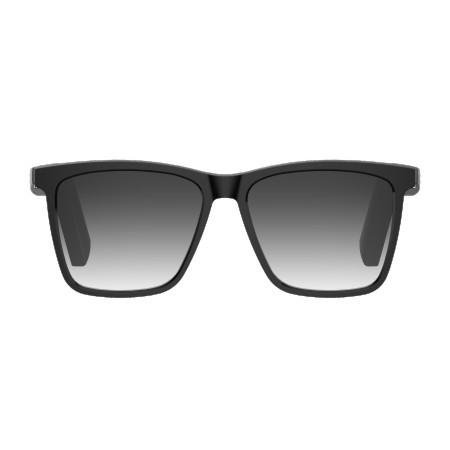
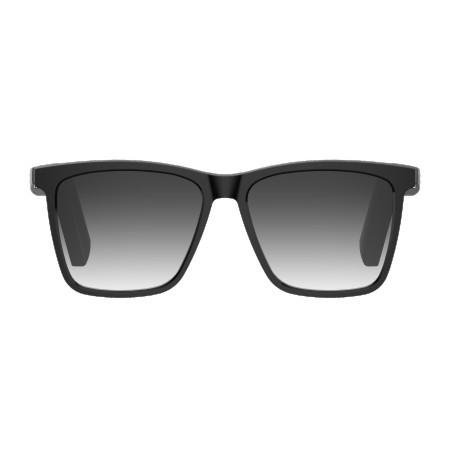
Products that resembled conventional sunglasses or prescription eyewear achieved better social acceptance than those with visible technology. The trend toward more normalized designs has helped newer products gain traction, but the lesson remains: smart glasses must first function as acceptable eyewear before technology features matter.
Privacy and Ethical Concerns
The presence of cameras and microphones in eyewear raised legitimate privacy concerns that products failed to address effectively. High-profile incidents involving unauthorized recording created negative associations that persisted across the category. Businesses, restaurants, and public venues began restricting or banning smart glasses use, further limiting adoption.
For B2B buyers, the implications are significant. Products intended for enterprise or professional use must incorporate obvious visual indicators of recording status and comply with jurisdiction-specific privacy regulations. Manufacturing partners with experience navigating these requirements offer advantages in market acceptance and legal compliance.
Use Case Confusion and Value Proposition Gaps
Many failed smart glasses products suffered from unclear positioning. Manufacturers attempted to create all-purpose devices that would appeal to everyone, resulting in products that excelled at nothing. Consumers struggled to understand why they should purchase smart glasses when their smartphones already addressed most proposed use cases.
The products that found market success generally focused on specific, well-defined applications. Audio sunglasses for active lifestyles, driving-focused communication devices, and specialized industrial tools all found audiences because they solved particular problems better than existing alternatives. Understanding target use cases should drive every aspect of product development, from component selection to feature prioritization.
Market Segmentation Insights
Different consumer segments demonstrate varying levels of receptivity to smart eyewear technology. The driving and outdoor recreation markets have shown particular promise due to clear use cases where hands-free operation and eye attention preservation deliver obvious value. Professional applications in logistics, maintenance, and field service offer steady demand from enterprises seeking productivity improvements.
Consumer entertainment and general communication applications have proven more challenging, facing intense competition from smartphones that offer richer experiences with greater content availability. B2B buyers should carefully evaluate target segments and select manufacturing partners with demonstrated expertise in relevant application areas.
Software Ecosystem and Connectivity Challenges
Hardware represents only half the smart glasses equation. Software integration, app ecosystems, and connectivity protocols determine whether products deliver on their promises. Several high-profile launches stumbled not because of hardware quality but because of software instability, poor smartphone integration, or abandoned development platforms.
Consumers expect seamless connectivity with their existing devices and services. Products that required complex setup procedures, suffered frequent disconnection issues, or offered limited app support quickly earned negative reviews that damaged category perception more broadly. Manufacturing partners must demonstrate robust software implementation capabilities alongside hardware expertise.
Price-to-Value Disconnect
Premium pricing without premium experience doomed numerous smart glasses products. When consumers could purchase capable wireless earbuds for a fraction of the price, paying several hundred dollars for sunglasses with built-in audio required compelling justification. Products failed to communicate clear value propositions that justified price premiums over simpler alternatives.
The economics of smart glasses manufacturing present ongoing challenges. Component costs, quality control requirements, and customization capabilities all influence final pricing. Working with established OEM partners who have optimized production processes and supply chain relationships helps brands achieve price points that align with consumer expectations while maintaining margin requirements.
Feature Comparison: Success Factors in Current Market
| Factor | Failed Products | Successful Products |
|---|---|---|
| Battery Life | 2-4 hours active use | 6+ hours with power-saving modes |
| Frame Weight | Over 50 grams | Under 40 grams |
| Primary Use Case | General/multi-purpose | Focused application |
| Price Point | $300+ for basic features | $100-200 for audio, $200-400 for advanced |
| Design Approach | Technology-forward appearance | Normalizes into existing eyewear categories |
Strategic Recommendations for B2B Buyers
Despite the challenges, smart glasses represent a viable product category for businesses with realistic expectations and strategic approaches. Success requires focusing on specific market segments, partnering with experienced manufacturers, and prioritizing user experience over feature quantity.
When selecting an OEM/ODM manufacturing partner, evaluate their track record with similar products, their understanding of target applications, and their capability to support ongoing product refinement. Manufacturing partners who have observed industry failures and learned from them offer valuable insights that can prevent costly mistakes.
Consider starting with focused product categories that demonstrate clear market demand. Audio sunglasses for outdoor activities, communication devices for driving, and specialized glasses for fitness tracking all represent segments where consumer value propositions are well-understood and manufacturing processes have matured.
Invest in industrial design that prioritizes comfort and aesthetic acceptance. The days of obvious "tech gear" aesthetics have passed; today's successful smart eyewear looks and feels like quality conventional glasses with integrated technology. Frame materials, hinge mechanisms, and weight distribution require the same attention as electronic component selection.
Plan for ongoing software support and connectivity updates. Smart glasses are computing devices that require maintenance and improvement throughout their market lifetime. Manufacturing partners should demonstrate commitment to long-term support rather than treating products as one-time engineering projects.
Looking Forward: The Maturation of Smart Eyewear
The smart glasses market continues evolving, with improved component technologies, refined design approaches, and clearer use cases emerging. Businesses entering this space now benefit from the failures of predecessors while accessing more mature manufacturing capabilities and proven technical solutions.
The brands that succeed will be those that respect the unique constraints of smart eyewear—form factor limitations, power budgets, and the fundamental requirement that products must first function as acceptable glasses. Technology serves as an enabler, not the primary selling point. Understanding this distinction separates successful products from the failures that populate industry history.
Ready to discuss your smart glasses project with experienced manufacturing partners? Our team has helped numerous B2B clients navigate product development challenges and bring successful smart eyewear to market. Share your requirements today and discover how strategic manufacturing partnerships can transform your smart glasses ambitions into market-ready products.
