
Posted At: Jul 22, 2026 - 43 Views

Turkey has quietly transformed into one of the most strategically important markets for smart wearables in the Eurasian region. Positioned at the crossroads of Europe and Asia, this nation of over 85 million people represents far more than just a domestic market—it serves as a critical distribution hub and commercial gateway for brands looking to capture demand across multiple regional markets simultaneously. For Chinese smart glasses manufacturers seeking international growth, understanding Turkey's unique position can unlock significant opportunities.
The Geographic Advantage Turkey Commands
When trade routes are discussed, Turkey's historical significance as the nexus of the Silk Road often comes up. Today, that same geographical positioning translates into modern commercial advantages. Istanbul, the country's largest city, sits just a few hours flight time from major European capitals, Middle Eastern business centers, and Central Asian republics. This compact connectivity means that products manufactured in China can reach Turkish warehouses quickly via established logistics corridors, then be redistributed throughout the region with minimal additional transit time.
The Turkish government's investments in port infrastructure, particularly the Mersin and Istanbul ports, have further strengthened this role. Free trade zones in Istanbul, Izmir, and Antalya offer favorable conditions for re-export operations, making it economically sensible for Chinese manufacturers to position inventory in Turkey rather than attempting to serve multiple regional markets directly from Chinese facilities.
Market Size and Growth Trajectory
The Turkish smart wearables market has experienced consistent expansion over the past five years. While exact figures vary by research firm, most analysts place the current market size at approximately $180-220 million annually for smart wearables broadly, with smart glasses representing a growing segment within this category. The adoption curve in Turkey tends to follow European trends by approximately 12-18 months, suggesting that as smart glasses become mainstream in Western Europe, similar patterns will emerge in Turkish consumer behavior.
Young Turkish consumers, particularly those in urban centers like Istanbul, Ankara, and Izmir, demonstrate strong interest in technology-forward products. The country's high smartphone penetration rate—exceeding 90% among adults—creates the foundational ecosystem necessary for smart glasses adoption. Furthermore, Turkey's thriving tourism sector, which welcomes over 50 million visitors annually, has created demand for multilingual, internationally-compatible smart devices.
Trade Relationships and Regulatory Considerations
Turkey maintains a unique customs union agreement with the European Union, which simplifies the movement of many manufactured goods between Turkey and EU member states. This arrangement predates Turkey's own technology manufacturing capabilities but has created an environment where Turkish importers and distributors have developed sophisticated understanding of EU product standards, certification requirements, and quality expectations.
For Chinese smart glasses manufacturers, this means that products designed to meet European CE certification standards can often enter the Turkish market through similar pathways. The Turkish Standards Institution (TSE) maintains technical standards that largely align with European norms, reducing the compliance burden for manufacturers who have already prepared products for the EU market.
Import duties on consumer electronics entering Turkey have historically been moderate, though the country's periodic adjustments to protect domestic industries require monitoring. Working with established Turkish distributors who understand these regulatory nuances can significantly accelerate market entry and reduce compliance risks.
Consumer Preferences in the Turkish Market
Turkish consumers display distinctive preferences that smart glasses manufacturers should consider when developing or selecting products for this market. Price sensitivity remains significant—while consumers appreciate premium features, the market skews toward mid-range pricing that delivers strong value. This creates opportunities for manufacturers who can balance functionality with accessibility.
Functionality priorities in Turkey align closely with Mediterranean and Middle Eastern lifestyles. Outdoor-friendly designs perform well given Turkey's sunny climate and strong outdoor culture. Products featuring audio integration, hands-free calling, and UV protection resonate with consumers who spend considerable time in social outdoor settings. The country's growing fitness culture has also driven interest in sports-oriented smart eyewear.
Brand perception matters in Turkey, but not necessarily in the way Western brands might expect. Turkish consumers appreciate brands that demonstrate commitment to the market through localized marketing, customer service, and presence. This creates opportunities for Chinese manufacturers willing to invest in market development rather than simply pursuing transactional sales.
Opportunities for Chinese Smart Glasses Manufacturers
The most compelling opportunity for Chinese smart glasses OEM/ODM manufacturers lies in positioning Turkey as a regional headquarters for broader market coverage. Rather than managing separate relationships across Europe, the Middle East, and Central Asia, manufacturers can establish strong partnerships with Turkish distributors who already possess the logistics networks, regulatory expertise, and commercial relationships necessary for regional distribution.
These partnerships can take multiple forms depending on manufacturer preferences. Some Chinese manufacturers establish exclusive distribution agreements with large Turkish partners who take responsibility for inventory, marketing, and sales across defined territories. Others prefer joint venture arrangements where manufacturing knowledge combines with local market expertise. Regardless of structure, the fundamental advantage remains: access to established regional networks without building them from scratch.
The B2B relationship dynamic differs meaningfully from consumer marketing. Turkish distributors and brands seek partners who can provide consistent quality, flexible production volumes, and responsive communication. Manufacturers who demonstrate reliability often find that Turkish partners become increasingly loyal and expand order volumes over time, particularly when those partners successfully capture market share using products from reliable suppliers.
Strategic Product Positioning
Products suited for the Turkish regional bridge strategy share several characteristics. Durability ranks among the most important—products that can withstand the rigors of regional distribution and diverse climate conditions between manufacturing and end consumer require robust construction. This extends beyond physical durability to include battery longevity and software stability across varying network conditions.
Multi-language support has become essential. Turkish is naturally required, but products targeting regional distribution must also accommodate European languages, Arabic, Persian, and Russian—the primary languages of the markets that Turkish distributors typically serve. Chinese manufacturers who build localization capabilities into their products from design inception gain significant advantages over those treating localization as an afterthought.
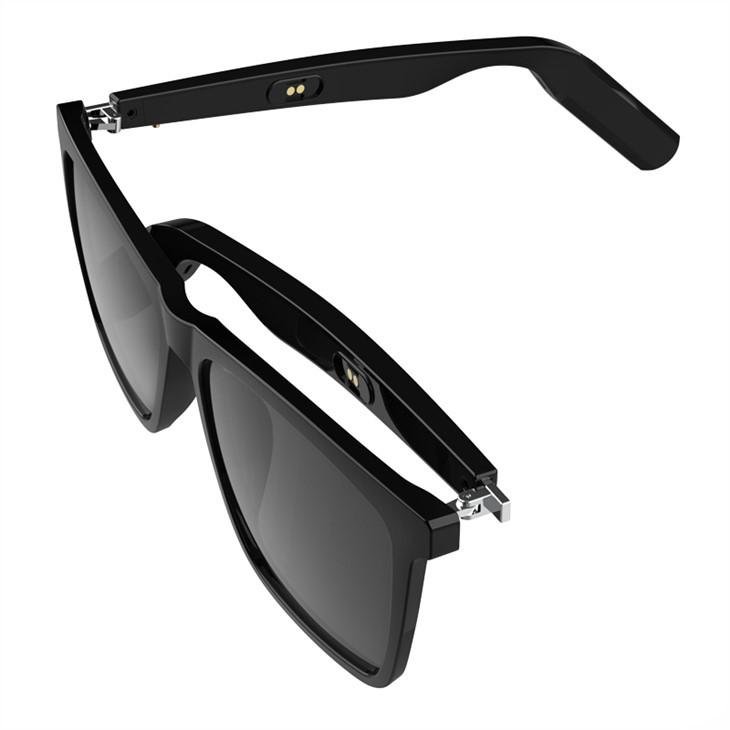
Consider products like the Smart Audio Bluetooth Sunglasses, which combine practical UV protection with modern connectivity features. These hybrid devices appeal to consumers seeking functionality without sacrificing style, a balance that resonates strongly across Mediterranean markets.
Understanding the Competitive Landscape
The Turkish smart glasses market currently features established international brands alongside emerging domestic players. This competition actually benefits well-positioned Chinese manufacturers because it validates market demand while creating opportunities to supply components or finished products to brands seeking manufacturing partners. Many Turkish brands recognize their limitations in hardware development and actively seek reliable Chinese partners.
Price competition exists but has softened somewhat as the market matures. Early adopter phases typically favor aggressive pricing, but as consumers become more sophisticated, quality and feature differentiation increasingly drive purchase decisions. Manufacturers who invested in building brand equity and product reputation during the low-price phase now enjoy stronger margins and customer loyalty.
Local manufacturing presence in Turkey remains limited for smart glasses specifically, though broader electronics manufacturing exists. This gap creates opportunity for Chinese manufacturers who can bridge the market with competitively priced, quality-manufactured products while potentially exploring local assembly or finishing operations as volumes grow.
Logistics and Supply Chain Considerations
Efficient supply chain management determines success in the regional bridge model. Chinese manufacturers should anticipate that Turkish partners typically prefer consolidated shipments rather than frequent small orders. This preference reflects both cost efficiency and warehouse management considerations. Manufacturing schedules should account for longer lead times when serving regional distribution through Turkish hubs.
Quality control protocols require particular attention when products travel greater distances before reaching end consumers. Chinese manufacturers serious about the Turkish market should implement rigorous inspection procedures before products leave their facilities. Returns and warranty claims become significantly more complex and costly when products must travel back across multiple borders, making upfront quality investment essential.
Currency management deserves consideration given the volatility of both the Turkish lira and Chinese yuan against major trading currencies. Contract structures that account for exchange rate fluctuations protect both parties from unexpected losses and create more sustainable long-term partnerships.
The Regional Expansion Multiplier
Perhaps the most compelling argument for prioritizing Turkey as a regional bridge relates to scale economics. Serving European markets directly from China involves navigating complex EU regulations, managing longer shipping routes, and competing against established European brands with strong distribution networks. The Turkish bridge allows manufacturers to penetrate these markets through established commercial relationships while maintaining the cost advantages of Chinese manufacturing.
The same logic applies to Middle Eastern markets where Turkish distributors often possess superior commercial networks compared to direct Chinese entry. Central Asian markets, which share cultural and linguistic connections with Turkey, become significantly more accessible through Turkish partnerships. One strategic investment in Turkish relationships can therefore unlock simultaneous access to markets that would otherwise require separate development efforts.
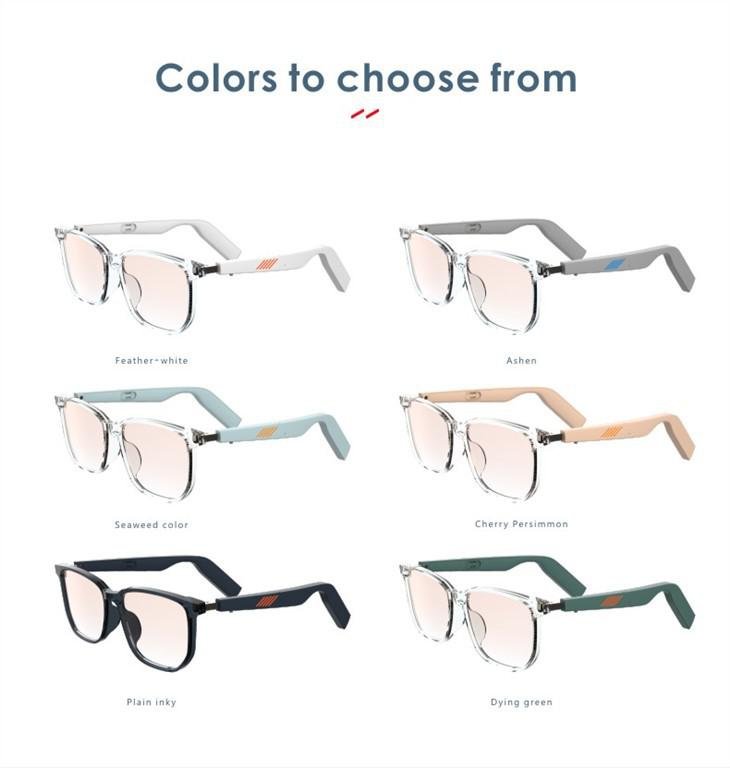
Consider products like Multifunctional Smart Glasses designed for diverse use cases. These versatile products appeal across multiple regional markets with varying primary use cases, from commuting in European cities to outdoor recreation in Middle Eastern deserts. The ability to serve multiple markets with single product designs amplifies manufacturing efficiency and marketing effectiveness.
Building Lasting Business Relationships
Success in the Turkish market ultimately depends on relationship quality rather than transaction efficiency alone. Turkish business culture values personal connections, face-to-face meetings, and demonstrated commitment to mutual success. Manufacturers who invest time in understanding their Turkish partners' businesses, challenges, and growth objectives typically achieve stronger outcomes than those pursuing purely transactional approaches.
Communication styles should adapt to Turkish preferences. While directness is valued, building rapport before diving into business discussions creates more productive conversations. Regular in-person visits, participation in Turkish trade events, and presence at regional exhibitions demonstrate commitment that resonates with Turkish business partners.
Long-term thinking separates successful regional players from those who attempt quick market entry and exit. Turkish partners who see genuine commitment from their Chinese manufacturing partners become advocates within their networks, opening doors that remain closed to less invested competitors. This relationship capital compounds over time, creating sustainable competitive advantages that transcend product features or pricing.
Market Entry Pathways
Manufacturers exploring the Turkish regional bridge opportunity have several entry pathway options. Attending regional trade exhibitions provides opportunities to meet potential partners and understand market dynamics firsthand. The Istanbul Electronics Fair and similar events attract both Turkish and regional buyers seeking new products and partnerships.
Digital channels offer additional entry possibilities, though they complement rather than replace relationship-based approaches. Turkish B2B platforms and industry-specific directories can identify potential partners, but converting these initial contacts into meaningful business relationships requires sustained engagement and trust-building efforts.
Working with trade associations or government-supported trade missions provides structured access to Turkish business networks. Chinese trade promotion organizations often facilitate introductions to verified Turkish partners, reducing the risk associated with identifying new business relationships independently.
Looking Forward: Turkey's Evolving Role
Turkey's position as a regional bridge will likely strengthen rather than diminish in coming years. The country's infrastructure investments continue to expand logistics capabilities, while its educated, technology-aware population provides a strong foundation for smart device adoption. Regional political and economic developments may occasionally create challenges, but the fundamental geographic and commercial advantages that position Turkey as a distribution hub remain robust.
Chinese smart glasses manufacturers who establish strong Turkish partnerships now position themselves for long-term regional success. The relationships built, knowledge gained, and reputation established through Turkish market engagement create foundations that support broader international expansion objectives.
The smart glasses category specifically stands to benefit from Turkey's continued development. As augmented reality applications mature and consumer awareness grows, markets across the Eurasian region will increasingly demand smart eyewear products. Turkish distributors with established relationships, local expertise, and regional networks will become increasingly valuable partners as this category develops.
Partner With a Regional Expert
Understanding the Turkish market opportunity requires more than abstract analysis—it demands engagement with experienced partners who understand both local market dynamics and international manufacturing capabilities. Our team at Smart Glasses Factory has developed deep expertise in facilitating partnerships between Chinese smart glasses manufacturers and Turkish regional distributors.
We help manufacturers identify appropriate partnership structures, navigate regulatory requirements, and establish productive long-term relationships with Turkish partners. Our understanding of both manufacturing capabilities and market preferences enables us to bridge cultural and commercial gaps that often challenge cross-border partnerships.
If your brand or business is exploring smart glasses market opportunities in Turkey or the broader Eurasian region, we invite you to discuss how we can support your growth objectives. Our experience connecting Chinese manufacturing excellence with regional market expertise has helped numerous partners achieve successful market entry and sustainable growth.
