
Posted At: Nov 03, 2026 - 219 Views

When evaluating smart glasses for your product line, most buyers focus on battery life, connectivity, and design aesthetics. However, one technical specification often gets overlooked despite its profound impact on user satisfaction: speaker driver size. The audio components inside your smart glasses determine whether customers experience rich, immersive sound or tinny, disappointing audio that undermines the entire device.
In the competitive landscape of smart wireless audio sunglasses, understanding driver technology gives you a significant advantage when negotiating with manufacturers or specifying requirements for custom development.
What Exactly Is a Speaker Driver?
A speaker driver is the core component responsible for converting electrical signals into audible sound waves. In smart glasses, these miniature drivers work continuously to deliver phone calls, music playback, and voice assistant responses directly to the wearer's ears. The driver consists of several key parts: a magnet, a voice coil, a diaphragm (or cone), and a surround.
When electrical current flows through the voice coil, it interacts with the magnet's field, causing the diaphragm to vibrate. These vibrations push air molecules in precise patterns, creating the sound waves your brain interprets as music, speech, or notifications. The size of the diaphragm directly influences how much air the driver can move and what frequencies it can reproduce effectively.
The Science Behind Driver Size and Sound Quality
Larger drivers generally produce more powerful bass response and can achieve higher volume levels without distortion. This relationship stems from basic acoustic physics: bigger diaphragms displace more air with each movement, generating greater sound pressure and deeper low-frequency output. However, smart glasses present unique constraints that make driver selection more nuanced than simply choosing the largest option available.
Space limitations in eyewear frames restrict driver diameter to typically between 10mm and 20mm. This compact form factor demands creative engineering solutions to maximize audio performance within tight dimensional constraints. The interplay between driver size, frame design, and acoustic chamber engineering becomes crucial for achieving premium sound quality.
How Different Driver Sizes Perform
10mm-12mm drivers represent the most common size found in slim-profile smart glasses. These compact drivers excel at reproducing mid-range frequencies, making vocals and dialogue clear and intelligible. However, they often struggle with bass extension, producing shallower low-end response compared to their larger counterparts. Products like Bluetooth office glasses frequently utilize this driver size, prioritizing all-day comfort and professional aesthetics over thunderous bass.
13mm-16mm drivers offer an optimal balance for most smart glasses applications. This size range delivers substantial improvements in bass response and overall sound pressure levels while remaining manageable within typical frame dimensions. The additional diaphragm area provides enough air displacement for satisfying low frequencies without compromising the sleek profile that consumers expect from modern eyewear.
17mm-20mm drivers push the boundaries of what's possible in smart glasses audio. These larger drivers can produce deeper bass, wider soundstages, and higher maximum volumes. However, they require more substantial frame sections to house the components, potentially resulting in bulkier or heavier eyewear. Sports-oriented models often embrace this tradeoff, targeting users who prioritize audio performance during physical activities.
Why Driver Size Matters for Your Product Line
For B2B buyers sourcing smart glasses, driver specifications directly impact several business-critical factors. Customer satisfaction ratings frequently cite audio quality as a primary concern in smart glasses reviews, meaning your product's sonic performance affects return rates, reviews, and repeat purchases. A device that sounds disappointing damages brand reputation regardless of how impressive its other features might be.
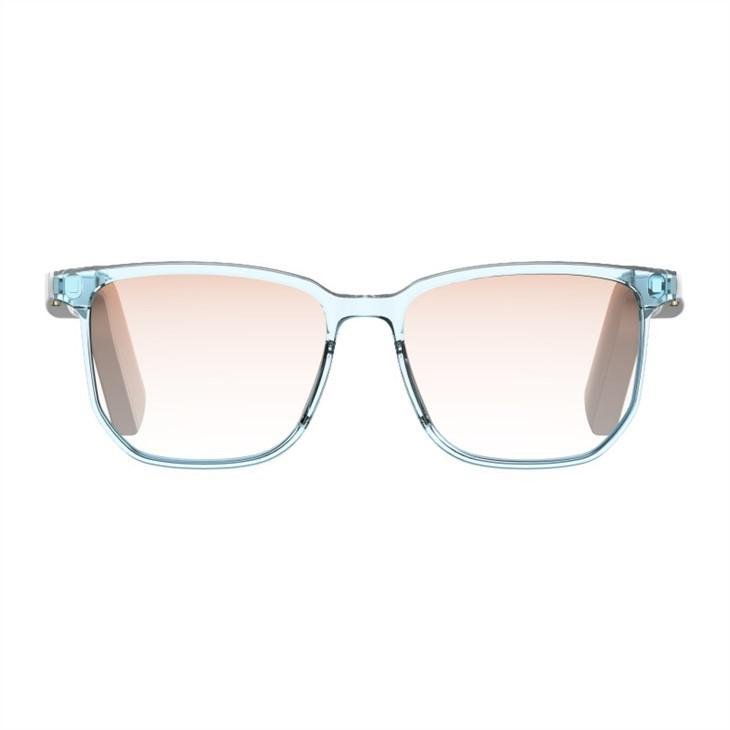
Consider your target market carefully. Professional users seeking anti-blue light smart call glasses prioritize clear voice reproduction for video conferences and phone calls. In this scenario, a mid-sized driver that excels at mid-range clarity serves better than a larger driver optimized for music reproduction. Conversely, sports and lifestyle products may benefit from drivers that deliver more impactful audio experiences during workouts and outdoor activities.
Beyond Size: Other Factors Affecting Audio Quality
While driver size provides a useful baseline for comparing smart glasses, it represents only one piece of the audio quality puzzle. Material composition of the diaphragm significantly influences sound characteristics. Premium drivers utilize materials like titanium, graphene, or composite fibers that offer ideal combinations of rigidity and lightness, enabling faster transient response and reduced distortion.
Acoustic chamber design deserves equal attention during product evaluation. The internal cavity surrounding the drivers must be carefully engineered to enhance certain frequencies while controlling resonance and interference. Open-ear designs, which position drivers to project sound toward the ear canal without creating a sealed environment, require entirely different acoustic engineering compared to traditional headphone-style drivers.
Digital signal processing (DSP) also shapes the final audio output substantially. Even modest drivers can deliver impressive results when paired with well-tuned DSP algorithms that compensate for acoustic limitations and optimize the audio signal for the specific driver characteristics. Modern smart glasses incorporate dedicated audio chips that enable sophisticated sound processing in compact form factors.
Manufacturing Considerations for OEM/ODM Partnerships
When establishing relationships with smart glasses manufacturers, understanding driver specifications helps you ask informed questions and evaluate technical capabilities accurately. Request detailed specifications sheets that include not just driver diameter, but also frequency response ranges, sensitivity ratings, and impedance values. These technical parameters provide a more complete picture of expected audio performance.
Sample evaluation should include extended listening sessions across various content types. Test phone calls at different volume levels, music genres spanning bass-heavy electronic to acoustic simplicity, and voice assistant interactions. Pay attention to distortion at high volumes and any unwanted artifacts that might indicate quality control issues in driver assembly or acoustic tuning.
Driver Size Comparison in Current Smart Glasses
| Driver Size | Typical Application | Bass Response | Clarity | Max Volume |
|---|---|---|---|---|
| 10mm-12mm | Office/Professional | Moderate | Excellent | Good |
| 13mm-16mm | Lifestyle/Mixed Use | Good | Very Good | Very Good |
| 17mm-20mm | Sports/Entertainment | Excellent | Good | Excellent |
Future Trends in Smart Glasses Audio Technology
The smart glasses industry continues advancing audio capabilities through innovative engineering approaches. Bone conduction technology offers an alternative to traditional air-conduction drivers, transmitting sound through the bones of the skull directly to the inner ear. While this approach eliminates sound leakage concerns, it typically sacrifices audio fidelity compared to properly designed air-conduction systems.
Micro-electromechanical systems (MEMS) speakers represent another emerging technology that could revolutionize smart glasses audio. These tiny semiconductor-based transducers promise improved consistency, smaller footprints, and potential cost reductions at scale. Early implementations show promise for mid-range frequency reproduction, though bass performance continues improving with each generation.
Beamforming arrays, which use multiple small drivers working in concert, enable directional audio that focuses sound toward the intended listener while minimizing what people nearby can hear. This technology addresses one of the primary consumer concerns about smart glasses: audio privacy. As this capability matures, expect increasing adoption across premium smart glasses product lines.
Making Informed Procurement Decisions
Armed with this knowledge about speaker driver size and its implications, you can approach smart glasses procurement with greater confidence. Match driver specifications to your product's intended use case and target market. Don't assume that larger drivers automatically mean better products—optimal selection depends on balancing audio performance against form factor, weight, and cost considerations.
Request audio samples whenever possible before committing to production orders. Specifications can't fully convey how a product actually sounds, and subjective evaluation remains essential for assessing real-world audio quality. Establish clear quality standards and acceptance criteria that your manufacturing partners can consistently meet.
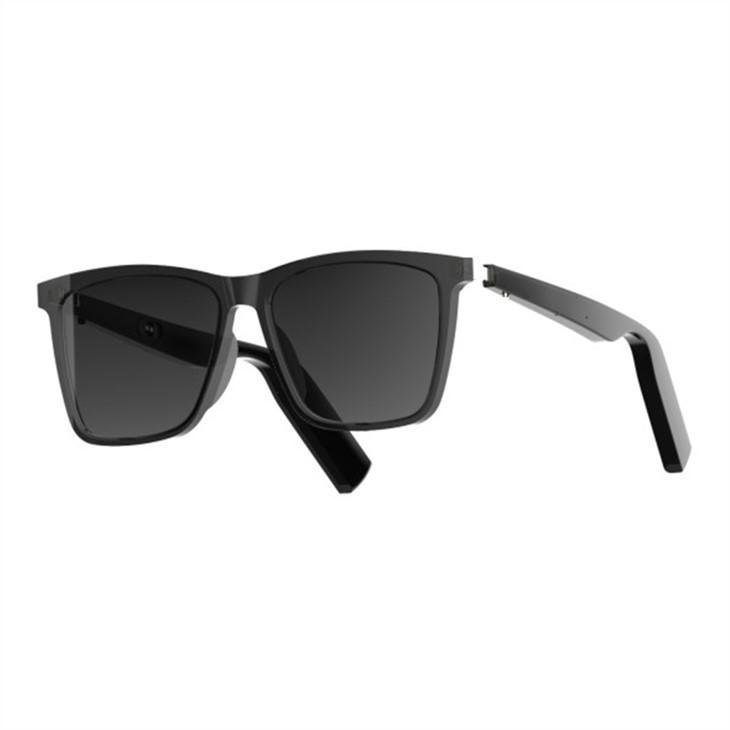
Consider requesting custom acoustic tuning to differentiate your product line from competitors using default driver configurations. Many OEM/ODM manufacturers offer audio engineering services that optimize the acoustic chamber and DSP settings for your specific driver selection and target use case. This customization can deliver meaningful competitive advantages in markets where audio quality serves as a key purchase criterion.
Partner with Experts in Audio Eyewear Manufacturing
The relationship between speaker driver size and sound quality represents just one aspect of smart glasses development that requires specialized expertise. From industrial design through acoustic engineering to mass production quality control, successful audio eyewear products demand comprehensive manufacturing capabilities.
Evaluate potential partners based on their experience with audio systems, not just general electronics manufacturing. Ask about their audio engineering teams, testing equipment, and track record with similar products. The best manufacturers combine design expertise with rigorous quality assurance processes that ensure consistent audio performance across production volumes.
Ready to discuss your smart glasses project? Our engineering team specializes in audio eyewear development across all driver sizes and configurations. Whether you need budget-friendly models using compact drivers or premium products featuring full-range audio systems, we have the expertise to bring your vision to reality. Contact our team today to explore how we can support your next smart glasses launch with world-class audio performance.
