
Posted At: Oct 22, 2026 - 83 Views

The global population of individuals experiencing low vision continues to grow, creating unprecedented demand for innovative assistive technologies. Smart magnification glasses have emerged as a game-changing solution, offering users enhanced visual clarity while maintaining the aesthetics of everyday eyewear. For B2B buyers, distributors, and brands, this market segment presents compelling opportunities for growth and differentiation through strategic OEM/ODM partnerships with Chinese manufacturers.
Understanding the technical capabilities, manufacturing processes, and market dynamics of smart magnification glasses is essential for making informed sourcing decisions. This comprehensive guide examines the key factors that define quality low vision solutions and how partnerships with experienced manufacturers can accelerate your product development timeline.
Understanding Low Vision and Smart Magnification Technology
Low vision encompasses a range of visual impairments that cannot be fully corrected through traditional eyewear, surgery, or medication. Individuals with low vision often struggle with everyday activities such as reading, recognizing faces, and navigating unfamiliar environments. Smart magnification glasses address these challenges by combining advanced optical magnification with digital enhancement technologies.
Modern smart magnification glasses utilize high-resolution cameras to capture the user's environment, processing the visual information through sophisticated algorithms to enhance contrast, enlarge text, and adjust color profiles. This approach allows users with varying degrees of visual impairment to experience significantly improved visual acuity while maintaining natural peripheral vision.
The technology stack typically includes precision optical lenses with variable magnification capabilities, micro-display systems that project enhanced imagery directly into the user's field of view, and intuitive controls that allow quick adjustment of magnification levels. Some advanced models incorporate AI-powered scene recognition to automatically optimize settings based on the user's activity, whether reading a book, watching television, or walking outdoors.
Key Features of Premium Smart Magnification Glasses
When evaluating smart magnification glasses for OEM/ODM manufacturing partnerships, several critical features distinguish premium products from budget alternatives. Understanding these differentiators helps B2B buyers select manufacturing partners capable of delivering high-quality solutions to their end customers.
Optical Performance and Magnification Range
The core function of any magnification glasses lies in its optical performance. Premium smart magnification systems offer variable magnification ranges typically spanning from 1x to 12x or higher, with smooth transitions between levels. The quality of the optical elements directly impacts image clarity, distortion levels, and the user's overall visual comfort during extended wear.
Manufacturers utilize precision-ground lenses with advanced coatings to minimize reflections and maximize light transmission. The integration of electronic magnification with traditional optical magnification requires careful calibration to ensure seamless performance across all lighting conditions. Look for manufacturing partners with demonstrated expertise in optical engineering and display system integration.
Display Technology and Visual Processing
The micro-display systems embedded within smart magnification glasses represent a critical technology component. Current-generation devices predominantly use OLED or LCoS displays, each offering distinct advantages in terms of brightness, contrast ratio, and power consumption. OLED displays provide deeper blacks and faster response times, while LCoS technology offers excellent color accuracy and higher resolution potential.
Visual processing algorithms play an equally important role in delivering comfortable viewing experiences. Advanced image processing can enhance edge definition, adjust contrast on-the-fly, and even provide text-to-speech conversion for users who prefer auditory feedback. These features require sophisticated firmware development alongside robust hardware engineering, emphasizing the importance of selecting manufacturers with comprehensive R&D capabilities.
User Interface and Accessibility Features
Effective smart magnification glasses must prioritize intuitive operation for users who may have limited manual dexterity or difficulty with complex electronic interfaces. Physical controls should feature tactile feedback and logical positioning, while companion applications for smartphones provide alternative configuration options for users and caregivers.
Voice control capabilities represent an increasingly important feature set, allowing hands-free operation during daily activities. Battery life optimization ensures that users can rely on their magnification glasses throughout typical daily routines without interruption. These usability considerations should be thoroughly evaluated during the product development and manufacturing partner selection process.
Manufacturing Capabilities and Quality Standards
Chinese smart glasses manufacturers have developed substantial capabilities in producing sophisticated electronic eyewear, including specialized low vision solutions. The ecosystem of component suppliers, optical specialists, and assembly facilities in regions like Shenzhen enables efficient production of complex smart glasses while maintaining competitive pricing structures.
Quality manufacturing of smart magnification glasses requires expertise across multiple disciplines. Frame construction must balance durability with lightweight comfort, as users often wear these devices for extended periods. Electronic components must withstand daily use patterns, including repeated donning and removal, exposure to various environmental conditions, and continuous operation of processing systems.
Component Sourcing and Supply Chain Management
Premium smart magnification glasses integrate numerous specialized components including miniature cameras, micro-displays, custom optical elements, rechargeable batteries, and wireless connectivity modules. Established manufacturers maintain relationships with Tier-1 component suppliers, ensuring consistent quality and reliable supply for production volumes of any scale.
The battery system deserves particular attention, as it directly impacts device weight, balance, and operating duration. Lithium-polymer cells with advanced power management circuitry enable all-day operation while keeping the overall device weight comfortable for extended wear. Manufacturing partners should demonstrate expertise in battery integration and compliance with international safety standards.
Certification and Compliance Requirements
B2B buyers must ensure that smart magnification glasses meet relevant regulatory requirements for their target markets. CE marking indicates compliance with European safety and performance standards, while FCC certification addresses electromagnetic compatibility for devices sold in the United States. Additional certifications may apply for medical device classifications depending on regional regulatory frameworks.
Quality management systems such as ISO 13485 demonstrate a manufacturer's commitment to consistent production standards, particularly important for assistive technology products where reliability directly impacts user safety and satisfaction. Request documentation of relevant certifications when evaluating potential manufacturing partners.
Market Applications and Use Cases
Smart magnification glasses serve diverse populations with varying needs, driving demand across multiple market segments. Understanding these applications helps B2B buyers position their products effectively and identify the most valuable feature combinations for their target customers.
Age-Related Vision Decline
The largest market segment for smart magnification glasses consists of older adults experiencing age-related macular degeneration, glaucoma, diabetic retinopathy, or general reduction in visual acuity. These users typically prioritize simplicity, comfort, and reliability over advanced technical features. Products serving this segment should emphasize straightforward operation, comfortable fit for all-day wear, and proven visual enhancement across common daily activities.
Professional and Educational Applications
Individuals with low vision who wish to continue working or pursuing education benefit from smart magnification glasses that integrate seamlessly with professional and academic environments. Features such as distance viewing for whiteboard presentations, document scanning capabilities, and computer screen magnification create versatile tools for productive participation in workplace and educational settings.
Some manufacturers offer specialized firmware configurations optimized for specific professional contexts, including medical imaging review, architectural drafting, or laboratory work. B2B buyers serving professional markets should discuss customization options with potential manufacturing partners to ensure their products meet the precise requirements of target users.
Outdoor and Active Lifestyles
Advancements in smart glasses technology have enabled outdoor applications previously challenging for electronic eyewear. Polarized lenses with UV protection combine with electronic magnification to support activities such as hiking, birdwatching, and sightseeing. These applications require particular attention to outdoor visibility, battery performance in varying temperatures, and ruggedized construction.
Manufacturers increasingly offer modular systems that allow users to customize their magnification glasses for different activities, swapping lens types or adding accessories to optimize performance for specific environments. This approach can appeal to B2B buyers seeking to address multiple market segments with a unified product platform.
Design Considerations for Market Success
Product design significantly impacts both user adoption and commercial success in the smart magnification glasses market. B2B buyers should work with manufacturing partners who understand the balance between functional requirements and aesthetic appeal that drives consumer acceptance.
Industrial Design and Ergonomics
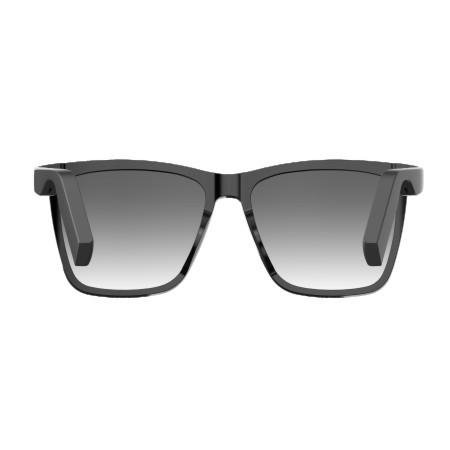
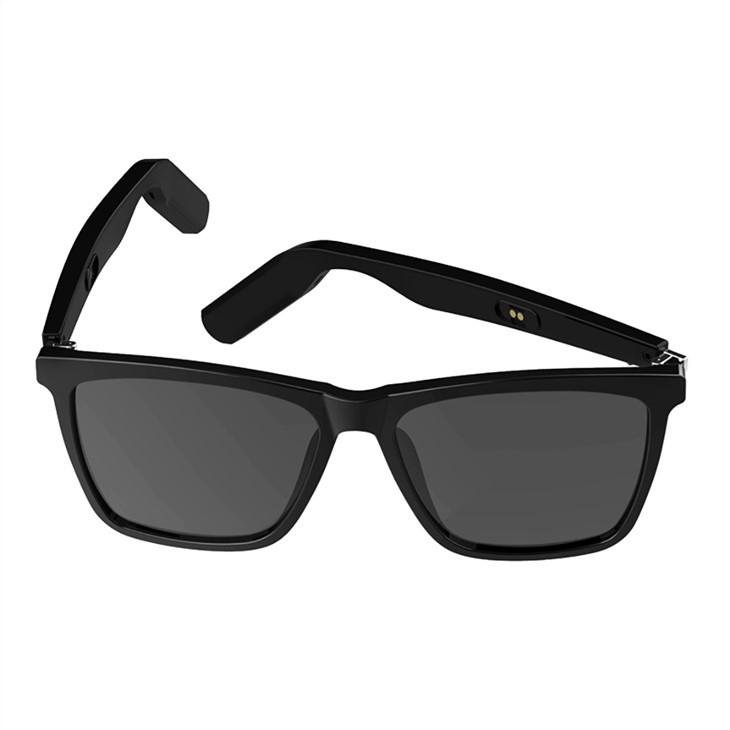
Traditional assistive devices often carry a stigma that discourages adoption, particularly among younger users who may feel self-conscious about visible disability aids. Contemporary smart magnification glasses increasingly adopt mainstream eyewear aesthetics, featuring stylish frames available in multiple colors and sizes to appeal to broader consumer preferences.
Ergonomic design ensures comfortable wear during extended use, which is essential given that many users with low vision require constant magnification assistance. Weight distribution, nose pad design, temple piece pressure points, and overall balance require careful engineering to prevent fatigue and discomfort that would limit device utility.
Customization and Personalization Options
OEM/ODM manufacturing enables B2B buyers to customize smart magnification glasses for their brand identity and target market requirements. Customization options may include frame styles, color schemes, logo placement, packaging design, and pre-installed software configurations. These variations allow brands to differentiate their offerings while leveraging the manufacturing expertise of established partners.
Some manufacturing partners offer comprehensive customization programs including bespoke frame development for brands requiring unique designs. While minimum order quantities may be higher for fully custom products, the ability to create distinctive offerings can justify investment through reduced competitive pressure and improved brand positioning.
Cost Factors and Pricing Strategies
Understanding the cost structure of smart magnification glasses production helps B2B buyers develop realistic pricing strategies and evaluate manufacturer quotes accurately. Several factors contribute to overall product cost and should be considered holistically rather than focusing exclusively on unit pricing.
| Cost Component | Typical Proportion | Impact Factors |
|---|---|---|
| Electronic Components | 35-45% | Display technology, camera quality, processing hardware |
| Optical Elements | 15-20% | Lens quality, magnification range, coatings |
| Frame Assembly | 10-15% | Materials, design complexity, finishing |
| Battery and Power | 8-12% | Capacity, safety features, cycle life |
| Manufacturing Labor | 10-15% | Location, automation level, quality requirements |
| Certification and Compliance | 3-5% | Target markets, testing requirements |
Volume pricing typically follows economies of scale, with significant per-unit cost reductions achievable at higher production volumes. B2B buyers should consider their projected sales volumes when negotiating pricing and determining appropriate product positioning. Products serving budget market segments may require higher volumes to achieve profitability, while premium positioning allows for lower volume requirements with higher margins.
Partner Selection Criteria for OEM/ODM Relationships
Selecting the right manufacturing partner forms the foundation of successful product development and market entry. B2B buyers should evaluate potential partners across multiple dimensions to ensure alignment with their business objectives and quality expectations.
Technical Expertise and R&D Capabilities
Manufacturing partners should demonstrate comprehensive expertise across the hardware, software, and optical engineering disciplines required for smart magnification glasses production. Request evidence of previous electronic eyewear development, including both completed products and works-in-progress that showcase current capabilities.
R&D infrastructure including optical laboratories, RF testing facilities, and software development teams indicates a partner capable of supporting product evolution beyond initial launch. As technology advances rapidly in this space, manufacturing partners must demonstrate commitment to ongoing development and innovation.
Production Capacity and Scalability
Current production capacity should align with your near-term requirements, while scalability provisions ensure the partner can accommodate growth without compromising quality or timelines. Factory tours provide valuable insight into actual production capabilities, workforce expertise, and quality control processes in operation.
Supply chain relationships significantly impact production reliability, particularly given the specialized components required for smart magnification glasses. Partners with established supplier networks and inventory management systems offer greater production predictability compared to manufacturers dependent on spot-market component sourcing.
Communication and Project Management
Effective communication becomes particularly critical when developing complex products across geographic and cultural boundaries. Evaluate potential partners' communication practices, including response times, language capabilities, and project management infrastructure. Dedicated account managers or project teams often indicate a partner prepared to support B2B relationships appropriately.
Transparent pricing structures, clear milestone definitions, and regular progress reporting contribute to successful development partnerships. Request sample documentation from potential partners to evaluate the professionalism and clarity of their project management approach.
Future Trends in Smart Magnification Technology
The smart magnification glasses market continues evolving rapidly, with several emerging trends likely to shape product development and market opportunities in coming years. B2B buyers should consider how these developments align with their strategic objectives and product roadmaps.
Artificial Intelligence Integration
AI-powered features are becoming increasingly sophisticated, enabling capabilities such as real-time object recognition, facial identification, text reading, and contextual scene understanding. These features can dramatically enhance user independence by providing information previously inaccessible to individuals with visual impairments.
On-device AI processing is becoming more feasible as specialized chips deliver improved performance with reduced power consumption. Manufacturing partners investing in AI capabilities today position themselves to offer increasingly intelligent products as the technology matures.
Connectivity and Smart Ecosystem Integration
Smart magnification glasses increasingly integrate with broader ecosystems of smartphones, smart home devices, and accessibility applications. Bluetooth connectivity enables wireless communication with external devices, while WiFi capabilities support cloud-based services and firmware updates.
This connectivity enables features such as remote assistance, where caregivers or professionals can view through the user's glasses to provide guidance, and seamless handoff between magnification devices and other accessibility tools. Manufacturing partners should demonstrate capability in implementing secure, reliable wireless functionality.
Miniaturization and Extended Wear
Advances in component miniaturization enable progressively smaller, lighter smart glasses without sacrificing functionality. This trend supports the development of devices suitable for continuous all-day wear, including prescription lens integration that allows users to replace their everyday eyewear entirely.
Battery technology improvements contribute to extended operation between charges, while wireless charging capabilities add convenience for daily use. Manufacturing partners must balance the drive toward miniaturization with durability and repairability requirements appropriate for assistive technology products.
Making Your Manufacturing Decision
The opportunity in smart magnification glasses extends beyond product functionality to encompass the broader impact on users' quality of life. B2B buyers who approach manufacturing partnerships with both commercial rigor and genuine commitment to user benefit position themselves for sustainable success in this meaningful market segment.
Evaluating potential manufacturing partners requires balancing multiple factors including technical capability, production capacity, quality track record, and cultural alignment with your organization. The investment in thorough partner evaluation typically pays returns through smoother development processes, higher quality products, and more productive long-term relationships.
Request samples from shortlisted manufacturers to evaluate actual product quality and manufacturing standards. Conduct thorough due diligence including facility visits, reference checks with existing clients, and detailed technical discussions about your specific requirements. These investments in the selection process significantly reduce risks during product development and production.
Partner With Expert Smart Glasses Manufacturers
Ready to explore smart magnification glasses manufacturing for your brand or distribution business? Our experienced team specializes in OEM/ODM production of sophisticated electronic eyewear, including advanced low vision solutions. We offer comprehensive support from initial concept through mass production, with flexible engagement models designed to accommodate projects of varying scale and complexity.
Contact our sales team to discuss your requirements, receive detailed quotations, and learn how we can help bring your smart magnification glasses to market. With extensive manufacturing capabilities, proven quality systems, and commitment to customer success, we provide the manufacturing partnership foundation your business needs to succeed in the growing low vision technology market.
