
Posted At: Oct 26, 2026 - 13 Views

The global smart glasses market continues its explosive growth trajectory, and B2B buyers are increasingly seeking reliable manufacturing partners to capitalize on this demand. Understanding smart glasses wholesale pricing is crucial for distributors, brands, and businesses looking to enter this lucrative market with competitive product offerings.
This guide breaks down everything you need to know about wholesale pricing structures, manufacturing costs, and strategies for securing the best deals from Chinese smart glasses factories.
Understanding Smart Glasses Wholesale Pricing Fundamentals
Wholesale pricing for smart glasses varies significantly based on multiple factors including product type, features, customization requirements, and order volume. Unlike consumer electronics with standardized pricing, smart glasses wholesale costs depend heavily on the complexity of audio integration, Bluetooth connectivity, and specialized lens technologies.
When evaluating smart glasses factory partnerships, you will encounter several pricing tiers that reflect the sophistication of the manufacturing process. Entry-level audio sunglasses typically command lower wholesale prices, while advanced models featuring voice assistants, noise-canceling microphones, and augmented reality capabilities demand premium manufacturing investments.
The wholesale price you pay ultimately determines your margin potential and market competitiveness. Smart glasses that balance quality construction with reasonable manufacturing costs give you the flexibility to price competitively while maintaining healthy profit margins.
Key Factors Influencing Wholesale Costs
Component Quality and Specifications
The internal components drive substantial cost variations between smart glasses models. High-quality speakers, premium microphone arrays, and advanced Bluetooth chipsets increase manufacturing expenses but deliver superior user experiences that justify higher retail price points.
For instance, models like the HD Stereo Music Glasses feature enhanced audio drivers that require more sophisticated manufacturing processes. Similarly, sunglasses with polarized lenses and UV400 protection demand specialized lens manufacturing that impacts overall production costs.
Frame Materials and Construction
Material selection significantly affects both wholesale pricing and product positioning. Premium materials like titanium, high-grade acetate, and aerospace-grade aluminum increase per-unit costs but enable higher retail price anchoring. Memory metal components and spring hinges add durability value that appeals to quality-conscious consumers.
Standard TR90 frames offer excellent value for mid-market positioning, while metal-alloy constructions provide premium market appeal. Your target customer segment should guide your material selections and corresponding wholesale budget allocations.
Customization and Branding Requirements
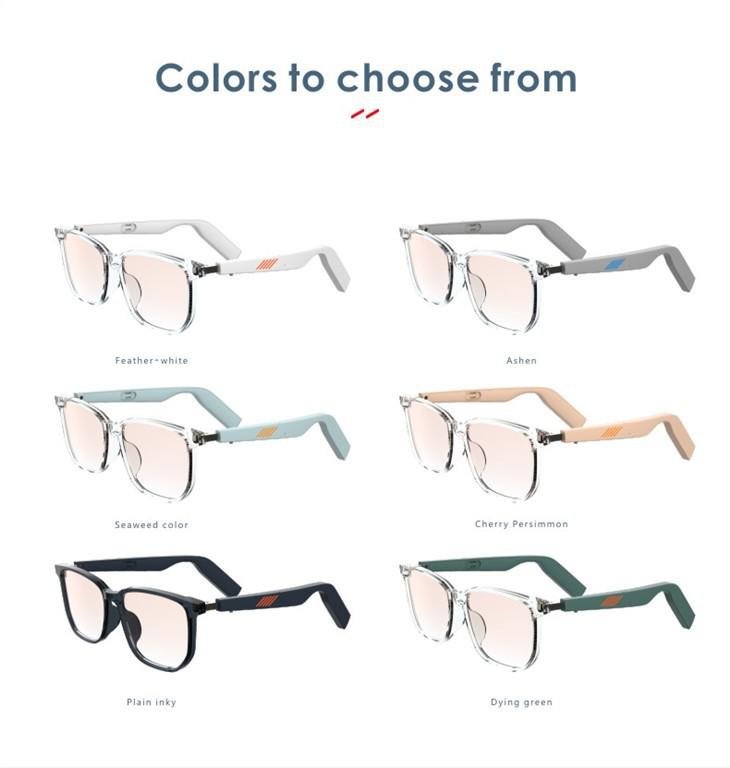
OEM (Original Equipment Manufacturer) and ODM (Original Design Manufacturer) partnerships offer different cost structures. Custom packaging, logo engraving, and exclusive color formulations require additional setup fees but differentiate your brand in a crowded marketplace.
The investment in smart glasses with Bluetooth calling capabilities that feature your brand identity creates lasting market recognition and customer loyalty. These customization expenses distribute across larger orders, making per-unit costs increasingly attractive at higher volumes.
Smart Glasses Price Categories and Wholesale Ranges
Understanding the typical wholesale price ranges helps you budget accurately and negotiate confidently with manufacturers. The following breakdown reflects current market conditions for 2026:
| Product Category | Entry-Level Wholesale | Mid-Range Wholesale | Premium Wholesale |
|---|---|---|---|
| Basic Audio Sunglasses | $15-25 | $25-40 | $40-60 |
| Bluetooth Calling Glasses | $20-35 | $35-55 | $55-85 |
| Music-Enabled Frames | $18-30 | $30-50 | $50-75 |
| Driving Safety Glasses | $22-38 | $38-60 | $60-90 |
| Gaming Audio Eyewear | $25-45 | $45-70 | $70-100+ |
These ranges serve as general benchmarks. Actual pricing depends on specific feature combinations, order volumes, and customization requirements discussed with your manufacturing partner.
Minimum Order Quantities and Volume Discounts
Minimum order quantities (MOQ) represent one of the most critical considerations for B2B buyers. Most Chinese smart glasses manufacturers establish MOQs ranging from 100 to 500 units per SKU, though some factories offer flexible arrangements for emerging brands and startups.
How MOQ Affects Your Pricing Strategy
Larger orders unlock progressively better per-unit pricing. A standard MOQ of 200 units might see 5-10% cost reduction compared to smaller runs, while orders exceeding 1,000 units frequently qualify for 15-25% discounts depending on product complexity.
Strategic inventory planning becomes essential when working within MOQ constraints. Consider your sales velocity, storage capabilities, and capital availability when determining optimal order sizes. Products like fashion smart music glasses offer strong visual appeal that typically supports healthy turnover rates.
Negotiating Flexible Arrangements
Established manufacturers often accommodate mixed-SKU orders that aggregate across multiple product variants. This approach lets you satisfy MOQ requirements while maintaining diverse product offerings that appeal to different customer segments.
First-time buyers should explore trial orders or sample productions before committing to full MOQ quantities. Many factories offer reduced quantities for initial batches at slightly elevated per-unit costs, allowing you to validate product quality and market reception before scaling production.
OEM vs. ODM: Manufacturing Cost Implications
Understanding the distinction between OEM and ODM partnerships helps you choose the right manufacturing approach for your business model and budget.
OEM Manufacturing
OEM (Original Equipment Manufacturer) arrangements involve manufacturing products based on your exclusive designs and specifications. This approach offers complete design control but requires significant upfront investment in product development and tooling. OEM partnerships suit established brands with clear product visions and sufficient capital for development phases.
ODM Manufacturing
ODM (Original Design Manufacturer) partnerships leverage existing product platforms and tooling, substantially reducing development costs and time-to-market. You select from established designs and customize through branding, color options, and minor feature modifications. This approach works exceptionally well for brands entering the smart glasses market with limited design resources.
For example, the Polarized Driving Call Glasses represent ODM options that combine practical driving safety features with Bluetooth calling functionality, available for customization under your brand identity.
Additional Costs Beyond Unit Pricing
Savvy B2B buyers account for total landed costs rather than focusing exclusively on per-unit wholesale prices. Several supplementary expenses factor into your overall procurement budget:
- Tooling and Mold Setup: One-time investments ranging from $500 to $5,000 depending on complexity
- Custom Packaging: $0.50-3.00 per unit for branded boxes, pouches, and accessories
- Logo Application: Laser engraving, screen printing, or metal badge installation costs
- Shipping and Logistics: Sea freight, air freight, or express courier expenses
- Import Duties and Taxes: Vary by destination country and product classification
- Quality Inspection: Third-party testing fees for certification compliance
Quality Considerations and Cost Trade-offs
The temptation to minimize wholesale costs can lead to quality compromises that damage your brand reputation and increase return rates. Balancing cost efficiency with acceptable quality standards requires careful supplier evaluation and specification clarity.
Component Testing and Certification
Reputable manufacturers conduct rigorous testing protocols including Bluetooth connectivity validation, battery life verification, and durability assessments. Products like wireless Bluetooth sunglasses should meet international standards for electromagnetic compatibility and safety certification.
Request documentation of component sourcing, manufacturing processes, and quality control procedures during supplier negotiations. Transparent manufacturers willingly share these details, building confidence in their production capabilities.
Sample Evaluation Before Bulk Orders
Always request product samples before committing to full production runs. Evaluate audio quality, comfort during extended wear, Bluetooth pairing reliability, and battery performance. Pay attention to frame alignment, hinge functionality, and lens quality to identify potential issues before they affect hundreds or thousands of units.
Regional Manufacturing Considerations
Chinese smart glasses manufacturing concentrates in several key regions, each with distinct advantages. The Pearl River Delta, particularly Shenzhen and Dongguan, hosts the most mature electronics manufacturing ecosystems with comprehensive supply chains and experienced workforce populations.
Manufacturing proximity to component suppliers significantly impacts production efficiency and cost. Shenzhen's electronics districts provide rapid access to Bluetooth modules, batteries, speakers, and optical components, reducing lead times and shipping expenses between suppliers.
Payment Terms and Financial Planning
Standard payment arrangements for international smart glasses wholesale orders typically involve a 30-50% deposit upon order confirmation, with the balance due before shipping. Some established manufacturers offer open account terms for verified buyers with established relationships and strong credit histories.
Currency considerations affect your actual costs when transacting in USD, EUR, or other major currencies. Factor exchange rate volatility into your pricing strategy and consider hedging strategies for larger orders spanning extended production timelines.
Market Trends Affecting 2026 Pricing
Several market dynamics influence current and projected smart glasses wholesale pricing:
- Component Standardization: Increasing adoption of standardized Bluetooth modules and audio components drives manufacturing efficiency and cost reductions
- Scale Economics: Growing demand across market segments enables manufacturers to invest in automation, reducing labor costs
- Competition Intensification: More manufacturers entering the market creates competitive pressure on margins
- Feature Integration: Advanced features like noise cancellation and voice assistant integration become standard, affecting baseline pricing expectations
- Material Innovation: New frame materials offer durability improvements without premium pricing increases
Strategic Recommendations for B2B Buyers
Maximizing value from your smart glasses wholesale partnerships requires strategic planning beyond simple price negotiation. Consider these proven approaches:
First, establish clear product specifications that balance feature requirements with cost constraints. Every unnecessary feature adds manufacturing complexity and expense. Focus on features that deliver measurable user value and support your premium positioning.
Second, develop long-term relationships with manufacturing partners. Consistent order patterns earn preferential pricing, priority production scheduling, and enhanced quality attention. Audio gaming glasses represent a product category where consistent quality builds gaming community trust and repeat purchases.
Third, plan inventory cycles around manufacturing lead times. Standard production timelines range from 30-60 days, with additional time for shipping and customs clearance. Maintain buffer inventory to avoid stockouts during peak demand periods.
Getting Started With Your Smart Glasses Wholesale Partnership
The smart glasses market presents substantial opportunities for B2B buyers positioned with quality products at competitive price points. Understanding wholesale pricing dynamics, manufacturing processes, and cost factors empowers you to negotiate confidently and build sustainable product lines.
Whether you are launching a new brand, expanding an existing electronics portfolio, or establishing corporate merchandise programs, strategic smart glasses procurement requires careful supplier selection, clear specifications, and realistic cost modeling.
Ready to explore smart glasses wholesale pricing for your business? Connect with experienced manufacturing partners who understand B2B requirements and deliver consistent quality across every production run. Request detailed quotations specifying your target volumes, required features, and customization needs to receive accurate pricing tailored to your business objectives.
