
Posted At: Nov 03, 2026 - 160 Views

The smart glasses market is booming, and with that growth comes heightened regulatory scrutiny. If you are a B2B buyer, distributor, or brand sourcing smart eyewear from manufacturers in China, you need to understand the WEEE Directive and how it shapes the production, labeling, and end-of-life management of electronic wearables. Non-compliance can result in costly fines, supply chain disruptions, and reputational damage across European markets.
What Is the WEEE Directive?
The Waste Electrical and Electronic Equipment (WEEE) Directive is a European Union regulation designed to minimize the environmental impact of electronic products throughout their lifecycle. First introduced in 2003 and substantially revised in 2012 (Directive 2012/19/EU), it places the burden of responsible disposal on manufacturers, importers, and distributors who place electronic equipment on the EU market.
In practical terms, any company selling electronic equipment in EU member states must register with national WEEE schemes, finance the collection and recycling of their products at end-of-life, and ensure products are properly marked with the crossed-out wheelie bin symbol. The directive covers a wide range of categories, from large household appliances to portable electronics and wearable technology.
Why Smart Glasses Fall Under the WEEE Directive
Smart glasses are classified as electronic equipment under the WEEE Directive because they contain printed circuit boards, lithium batteries, Bluetooth modules, sensors, and display components. Even models that primarily function as audio sunglasses or call-enabled eyewear fall squarely within the scope of the regulation due to their electronic internals.
The directive categorizes electronic equipment into ten distinct groups. Smart glasses typically fall under Category 6: Consumer Equipment (which includes portable electronic devices) or Category 8: Medical Devices for specialized AR glasses. Regardless of the specific category, if your smart glasses product line is sold in Europe, WEEE compliance is not optional — it is a legal requirement.
Producer Responsibility Under WEEE
The WEEE Directive imposes several obligations on producers, a term that can apply to both original equipment manufacturers (OEMs) and original design manufacturers (ODMs) operating in China when their products are sold in the EU.
1. WEEE Registration
Producers must register with the relevant WEEE registry in each EU country where they place products on the market. This registration creates a traceable record linking each product category to a registered entity responsible for its end-of-life management. For a China-based manufacturer serving European B2B clients, this typically means the brand or importer in the destination country assumes producer responsibility — but contractual agreements often push compliance obligations back to the OEM.
2. Financing End-of-Life Collection
Producers must contribute to the cost of collecting, treating, and recycling WEEE when products reach the end of their useful life. The financial obligation can be met through membership in a Producer Compliance Scheme (PCS), which pools resources across multiple manufacturers to fund collective recycling infrastructure. The specific fee depends on the product category, weight, and the applicable national scheme rates.
3. Marking and Labeling Requirements
All smart glasses shipped to EU markets must bear the WEEE symbol (the crossed-out wheelie bin with a bar underneath) on the product, its packaging, or accompanying documentation. The marking must be clearly visible, indelible, and easily understandable. Additionally, producers must provide information on proper disposal methods to help consumers participate in recycling programs.
4. Reporting Obligations
Registered producers must submit annual reports to national WEEE registries detailing the quantity (by weight) of products placed on the market, collected for recycling, and processed through approved treatment facilities. Inaccurate or late reporting can trigger penalties and may jeopardize a company's market access in affected regions.
Understanding WEEE Categories for Smart Glasses
Smart glasses products span multiple WEEE categories depending on their primary function. Here is how common smart eyewear types map to regulatory classifications:
| Smart Glasses Type | WEEE Category | Compliance Notes |
|---|---|---|
| Audio Sunglasses / Music Glasses | Category 6 (Consumer Equipment) | Standard WEEE registration and recycling fee applies |
| Bluetooth Call Driving Glasses | Category 6 (Consumer Equipment) | Must include battery marking per Battery Directive as well |
| AR Display Smart Glasses | Category 6 or 8 (Medical/Specialized) | May require additional safety assessments depending on display intensity |
| Voice Call Smart Glasses | Category 6 (Consumer Equipment) | Standard producer responsibility obligations |
| Sport & Outdoor Smart Sunglasses | Category 6 (Consumer Equipment) | Outdoor use may trigger additional IP and environmental ratings |
This table highlights why B2B buyers need to understand the exact product category when negotiating with manufacturers. The WEEE fee structure varies significantly, and a smart glasses factory that understands these nuances can help you optimize compliance costs while maintaining full regulatory coverage.
Cross-Border Compliance: China Manufacturers and EU Markets
For brands sourcing from Chinese smart glasses manufacturers, WEEE compliance creates a layered responsibility chain. When a Chinese OEM exports products under the buyer's brand name, the buyer typically becomes the Responsible Person for EU market access. However, savvy B2B buyers should verify that their manufacturing partner has internal processes aligned with WEEE requirements — from component sourcing to packaging documentation.
A well-prepared smart glasses manufacturer in China should be able to provide:
- WEEE-compliant product marking on packaging and user manuals
- Detailed Bill of Materials (BOM) to verify electronic component disclosure
- Battery compliance documentation aligned with EU Battery Regulation
- Technical files that support end-of-life disassembly and recycling planning
- Guidance on restricted substances such as lead, mercury, cadmium, and hexavalent chromium
The Bluetooth 5.0 Smart Glasses manufactured at our facility exemplifies how electronic components are systematically documented for compliance purposes. Every PCB, sensor, and battery cell is traced to its origin, enabling our B2B clients to meet their WEEE producer obligations without sourcing delays.
The Role of RoHS in Conjunction With WEEE
While the WEEE Directive handles end-of-life management, the Restriction of Hazardous Substances (RoHS) Directive governs product design and material selection. Together, these regulations form the backbone of EU electronic equipment compliance. Smart glasses must be free from restricted substances such as lead, mercury, and certain phthalates to qualify for CE marking and WEEE registration.
For B2B buyers, this means your manufacturing partner must implement both directives simultaneously. A compliant production run should begin with RoHS-compliant component sourcing, proceed through RoHS testing of the finished assembly, and conclude with WEEE-appropriate packaging and labeling. Our manufacturing processes integrate both frameworks at every stage, ensuring that each product batch meets current EU requirements.
How to Choose a WEEE-Compliant Smart Glasses Manufacturing Partner
Selecting the right OEM/ODM partner in China goes beyond pricing and production capacity. When evaluating smart glasses manufacturers for EU-bound products, B2B buyers should assess the following:
Regulatory Expertise
Does the manufacturer have dedicated compliance staff familiar with WEEE and RoHS? Do they maintain relationships with EU-approved testing laboratories and certification bodies? A factory that treats regulation as an afterthought will create costly problems during customs clearance and market surveillance audits.
Documentation Systems
Compliance is documentation-driven. Your partner should maintain detailed technical files, CE declaration records, WEEE registration references, and material declarations that can be shared with your EU importer or compliance scheme. Poor documentation directly translates to market access delays.
Traceability and Transparency
End-of-life compliance requires knowing exactly what materials went into each product. Look for manufacturers who implement traceability systems that track components from sub-suppliers through final assembly. This transparency supports both WEEE reporting and your brand's environmental sustainability commitments.
Scalability With Compliance in Mind
As your order volumes grow, WEEE obligations scale proportionally. Your manufacturing partner must have the infrastructure to handle increased production without compromising compliance integrity. This includes adequate testing capacity, expanded documentation workflows, and packaging systems that can accommodate country-specific WEEE marking variations.
The Voice Call Smart Glasses line demonstrates our ability to integrate compliance into high-volume production runs while maintaining the documentation standards that European regulatory bodies expect.
Battery Compliance: An Often-Overlooked Companion to WEEE
Smart glasses contain lithium-polymer or lithium-ion batteries, which fall under the EU Battery Regulation (2023/1542) in addition to WEEE requirements. B2B buyers sourcing from China must ensure their products comply with battery marking, capacity labeling, safety testing, and the upcoming due diligence requirements for raw material sourcing.
A battery non-compliance issue can block an entire shipment at the EU border, regardless of WEEE status. Working with a manufacturer who understands the intersection of WEEE and battery regulations prevents these costly interruptions.
Environmental Goals and the Future of WEEE
The European Commission has signaled that future revisions to the WEEE Directive will emphasize circular economy principles, including stricter recycling targets, requirements for repairability, and mandatory recycled content in electronic products. Smart glasses manufacturers who proactively align with these emerging trends will be better positioned to serve B2B buyers who face increasing pressure from consumers and regulators to demonstrate environmental responsibility.
Brands that can demonstrate robust WEEE compliance gain a competitive edge in markets where sustainability credentials influence purchasing decisions. A partnership with a forward-thinking smart glasses factory today is an investment in your product line's market viability tomorrow.
Partner With a Manufacturer That Understands WEEE From the Ground Up
Navigating WEEE compliance for smart glasses requires deep knowledge of EU regulations, meticulous documentation, and a manufacturing process designed with end-of-life in mind. At our smart glasses factory, we have built our production systems around regulatory compliance — not as an add-on, but as an integral part of every product we manufacture.
Whether you need Music Call Sunglasses for a lifestyle brand or specialized AR eyewear for a tech company, we provide the documentation, testing, and traceability that European market access demands. Our team works directly with B2B buyers to ensure every shipment meets WEEE, RoHS, and battery compliance requirements — so you can focus on growing your brand.
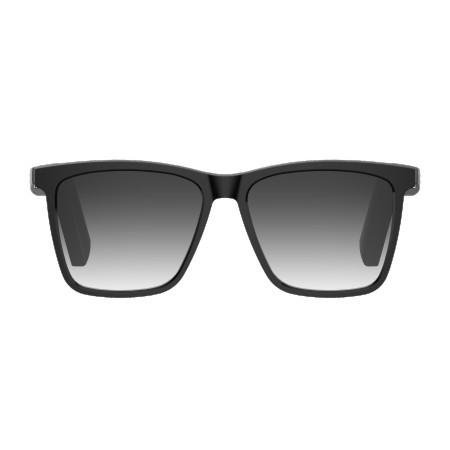
Ready to source WEEE-compliant smart glasses from a manufacturer that treats regulation as a core competency? Contact our team to discuss your next product development project and discover how our compliance-first approach protects your brand across European markets.
