
Posted At: May 19, 2026 - 2,465 Views

The global population of visually impaired individuals exceeds 285 million, according to the World Health Organization. This significant demographic represents not only a humanitarian imperative but also a substantial market opportunity for technology companies and manufacturers. Smart glasses designed for visually impaired users represent one of the most promising segments in the broader assistive technology landscape, combining cutting-edge hardware with sophisticated software to transform how people with visual impairments navigate, communicate, and interact with their surroundings.
For B2B buyers, distributors, and brands exploring smart glasses OEM and ODM manufacturing opportunities in China, understanding the technology landscape, manufacturing considerations, and market dynamics is essential for making informed partnership decisions. This guide provides a comprehensive overview of the current state of smart glasses technology for visually impaired users, along with practical insights for companies seeking to enter or expand their presence in this specialized market.
Understanding the Visually Impaired Market and User Needs
Before examining specific technologies, B2B decision-makers must recognize that the visually impaired population is not homogeneous. Users range from those with partial vision who benefit from magnification and contrast enhancement to completely blind individuals who rely primarily on auditory and haptic feedback systems. Effective smart glasses solutions address these diverse needs through customizable features and adaptable interfaces.
Research indicates that visually impaired individuals consistently prioritize three core functionalities when evaluating assistive technology: independent navigation, readable text access, and reliable object identification. Smart glasses manufacturers must therefore develop products that excel in these fundamental areas while offering flexibility for individual user preferences and specific impairment characteristics.
The market demand for such solutions continues to grow as populations age and awareness of assistive technologies increases. B2B buyers recognize that products addressing genuine user needs while demonstrating clear value propositions are positioned for success in both consumer and institutional procurement channels.
Core Technologies Powering Smart Glasses for Visual Assistance
Computer Vision and Object Recognition
Modern smart glasses for visually impaired users rely heavily on computer vision algorithms to interpret visual information from the user's environment. Camera systems embedded in the frames capture real-time video, which is then processed either locally on the device or through cloud-based services to identify objects, faces, text, and environmental features.
Recent advances in machine learning have dramatically improved object recognition accuracy, enabling smart glasses to identify thousands of everyday objects with remarkable precision. For manufacturing partners, this means investing in quality camera modules with appropriate resolution and low-light performance capabilities. The computational requirements for real-time processing necessitate powerful yet energy-efficient processors, creating opportunities for manufacturers skilled in balancing performance with battery life constraints.
Our Anti-blue Light Smart Call Glasses manufacturing demonstrates how advanced sensor integration and intelligent processing can be achieved while maintaining consumer-friendly form factors and extended battery life.
Text-to-Speech and Audio Description Systems
Converting visual information into audible output represents a critical function in assistive smart glasses. Optical character recognition (OCR) technology enables instant translation of printed text into speech, allowing users to read documents, menus, signs, and labels independently. More sophisticated systems provide descriptive narration of scenes, identifying not just what objects are present but also their relative positions, colors, and actions.
The quality of audio output significantly impacts user experience. Directional audio technology ensures that information reaches the user clearly without obstructing ambient sounds necessary for environmental awareness. Bone conduction audio systems offer an alternative approach, transmitting sound through the skull rather than the ears, which proves particularly valuable for users who rely on their ears for navigation cues.
Manufacturers developing these systems must carefully balance speaker placement, volume levels, and audio clarity. The Directional Audio Smart Glasses in our product range showcase the precision engineering required to deliver clear audio while preserving situational awareness for users.
Depth Sensing and Spatial Mapping
Advanced smart glasses incorporate depth sensors to create three-dimensional maps of the surrounding environment. This capability enables obstacle detection and avoidance, navigation assistance, and enhanced spatial awareness for users. LiDAR and structured light technologies each offer distinct advantages in terms of range, accuracy, and cost, requiring manufacturers to select appropriate solutions based on product positioning and target price points.
Spatial mapping data processed in real-time can alert users to approaching obstacles, stair edges, and changing terrain. Some systems provide haptic feedback through vibration patterns that correspond to distance and direction of hazards, offering an additional sensory channel for information delivery.
AI-Powered Contextual Understanding
Artificial intelligence extends beyond basic object recognition to provide contextual understanding of visual scenes. Modern systems can distinguish between a stop sign and a stoplight, identify currency denominations, recognize faces of family members and caregivers, and describe complex scenes such as social gatherings or natural landscapes.
For OEM manufacturers, integrating AI capabilities requires decisions about processing architecture, connectivity requirements, and ongoing model update mechanisms. Edge computing solutions reduce latency and privacy concerns by processing data locally, while cloud-dependent approaches enable more sophisticated analysis at the cost of connectivity requirements and potential privacy considerations.
Hardware Considerations for Assistive Smart Glasses
Form Factor and Wearability
Successful smart glasses for visually impaired users must function as everyday wearable devices, which means comfortable fit, appropriate weight distribution, and cosmetically acceptable appearance. Manufacturing partners must balance the inclusion of sophisticated technology with practical considerations around comfort during extended wear.
Frame materials, hinge mechanisms, and weight distribution all impact long-term wearability. Titanium and high-quality plastics offer durability without excessive weight, while adjustable nose pads and temple pieces accommodate diverse facial structures. The goal is technology that disappears into daily life rather than demanding constant attention.
Camera Systems
Camera specifications directly impact the effectiveness of visual assistance features. Resolution, field of view, frame rate, and low-light performance each contribute to system capability. Wide-angle lenses provide broader environmental awareness, while narrow fields of view offer higher detail for reading and object identification tasks.
Manufacturers must also consider camera placement to optimize viewing angles while maintaining aesthetic appeal and avoiding obstruction of the user's natural vision. Dual camera systems can provide stereo vision for depth perception but add complexity and cost to the design.
Battery Life and Power Management
Continuous operation of cameras, processors, wireless connectivity, and audio systems demands significant power. Battery technology and power management strategies directly impact user experience, with extended battery life representing a competitive advantage in the market. Efficient processors, optimized software, and intelligent power state management enable all-day operation without frequent recharging.
Market Opportunities for B2B Partners
The smart glasses market for visually impaired users presents substantial opportunities for well-positioned B2B partners. Several factors drive market growth and create favorable conditions for new entrants and expanding companies.
Regulatory Support and Accessibility Mandates
Governments worldwide increasingly mandate accessibility features in public infrastructure, employment settings, and digital services. These regulatory requirements create institutional demand for assistive technologies, including smart glasses solutions. B2B buyers serving government agencies, healthcare organizations, and educational institutions benefit from policy-driven procurement that prioritizes quality and compliance.
Aging Population Demographics
Demographic shifts toward older populations increase the prevalence of vision-related conditions including macular degeneration, glaucoma, and diabetic retinopathy. This expanding user base drives sustained demand for assistive technologies that support independent living and quality of life maintenance.
Technology Maturation
As core technologies mature, costs decline while capabilities expand. Component costs for cameras, processors, and batteries continue decreasing, enabling more aggressive price points without sacrificing functionality. This trajectory creates opportunities for manufacturers to deliver increasing value at accessible price levels.
Manufacturing Partnership Considerations
Selecting the right OEM/ODM manufacturing partner significantly impacts product success. B2B buyers should evaluate potential partners across multiple dimensions to ensure alignment with product requirements and business objectives.
Technical Capabilities
Manufacturing partners must demonstrate proficiency across hardware, software, and integration domains. Assessment criteria should include experience with similar wearable devices, quality of camera and audio subsystems, software development capabilities, and testing and certification infrastructure.
Quality Assurance and Compliance
Medical and accessibility devices face stringent regulatory requirements in major markets. Manufacturing partners should demonstrate familiarity with relevant standards including CE marking for European markets, FDA registration where applicable, and other regional requirements. Comprehensive testing protocols and documented quality management systems provide assurance of consistent product quality.
Supply Chain and Component Sourcing
Reliable component sourcing directly impacts production schedules and cost stability. Manufacturing partners with established supplier relationships and inventory management capabilities can better manage supply chain disruptions and accommodate scaling requirements.
Customization and Scalability
B2B buyers typically require flexibility in product customization to address brand requirements and market-specific features. Manufacturing partners should offer configurable options while maintaining efficient production processes that accommodate both small-volume customization and large-scale production runs.
Future Technology Trajectories
The technology landscape for assistive smart glasses continues evolving, with several emerging capabilities likely to shape future product generations.
Enhanced AR Integration
Augmented reality displays offer possibilities for enhanced visual assistance, overlaying guidance information, navigation cues, and object highlights directly in the user's field of view. While current display technologies face limitations in brightness, field of view, and power consumption, ongoing development suggests viable AR solutions within the planning horizon for products currently in development.
Improved AI Models
Artificial intelligence capabilities continue advancing rapidly, with language and vision models becoming more sophisticated and specialized. Future smart glasses will likely incorporate more contextual awareness, natural language interaction, and predictive assistance capabilities that adapt to individual user patterns and preferences.
Expanded Connectivity
5G and future connectivity standards will enable more sophisticated cloud-based processing without sacrificing responsiveness. This connectivity evolution enables products to leverage powerful remote processing while maintaining real-time performance for time-sensitive assistance functions.
Making Informed Partnership Decisions
For B2B buyers, distributors, and brands evaluating smart glasses manufacturing opportunities, the path forward requires careful analysis of market positioning, technical requirements, and partnership capabilities. The visually impaired assistive technology market rewards companies that prioritize genuine user value, demonstrate technical excellence, and build sustainable business relationships.
Our experience in Fashion Music Glasses and broader smart eyewear manufacturing has taught us that successful products emerge from deep understanding of end-user needs combined with disciplined engineering and manufacturing excellence.
Manufacturing partners in China offer significant advantages including advanced production capabilities, competitive cost structures, and established supply chains for electronic components. However, evaluating partners requires attention to quality systems, communication practices, and demonstrated experience with comparable products.
The decision to enter the smart glasses market for visually impaired users represents a commitment to serving an important humanitarian need while building a viable business. Companies that approach this opportunity with appropriate preparation, realistic expectations, and partnership selection rigor position themselves for success in a market with substantial growth potential and genuine social impact.
Getting Started with Your Smart Glasses Manufacturing Initiative
Whether you are entering the assistive technology market for the first time or expanding an existing portfolio, developing smart glasses for visually impaired users requires systematic planning and reliable manufacturing partnerships. Begin by clearly defining your target market segments, required features, and quality standards, then identify manufacturing partners whose capabilities align with your product vision.
Request detailed capability presentations, visit production facilities when possible, and request samples for thorough evaluation. The investment in proper partner selection pays dividends throughout the product lifecycle through improved quality, more efficient production, and collaborative problem-solving.
Ready to explore smart glasses manufacturing opportunities? Browse our complete product portfolio to see examples of our manufacturing capabilities, or contact our team to discuss your specific requirements for assistive technology products.
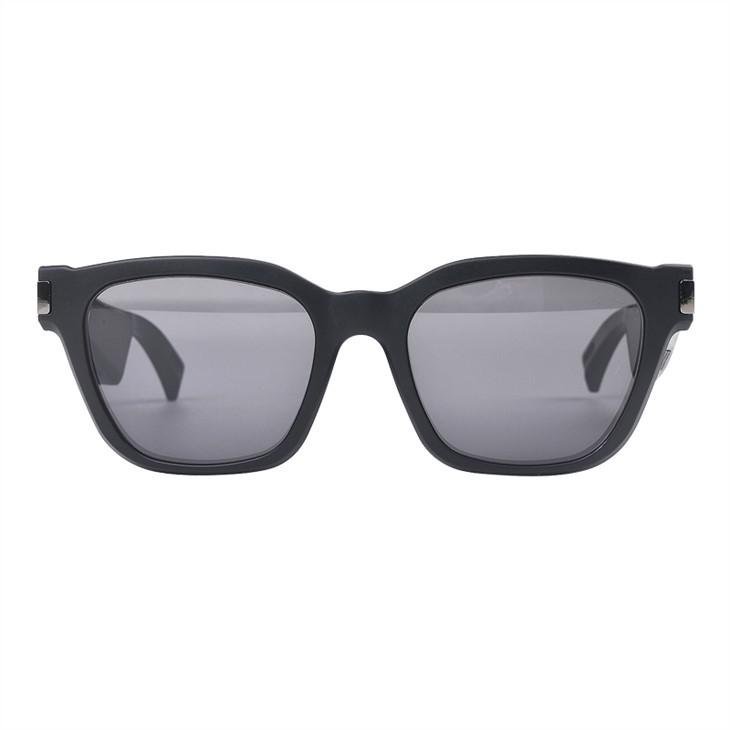
The smart glasses industry continues presenting compelling opportunities for B2B partners who approach the market with appropriate preparation and strategic intent. By focusing on genuine user value, leveraging capable manufacturing partnerships, and maintaining commitment to quality, companies can build sustainable positions in this important and growing segment.
Key Feature Comparison: Smart Glasses Technologies for Visual Assistance
| Technology Feature | Primary Function | User Benefit | Manufacturing Consideration |
|---|---|---|---|
| Object Recognition | Identifies everyday objects in real-time | Independent identification of products, obstacles, surroundings | Camera resolution, processing power, AI model accuracy |
| OCR Text Reading | Converts printed text to speech | Access to documents, signs, menus, labels | Camera focus, lighting, recognition software quality |
| Depth Sensing | Maps 3D environment and detects obstacles | Safe navigation, fall prevention | Sensor type selection, processing requirements |
| Face Recognition | Identifies known individuals | Social independence, security awareness | Privacy compliance, database management |
| Directional Audio | Delivers spatial audio information | Enhanced situational awareness, clear communication | Speaker placement, acoustic engineering |
| Haptic Feedback | Provides tactile alerts for hazards | Non-auditory information delivery option | Motor placement, vibration pattern design |
This technology comparison illustrates the diverse capabilities available to manufacturers and highlights the engineering decisions required during product development. Each feature presents trade-offs between cost, complexity, and user benefit that B2B buyers must navigate when defining product specifications.
Manufacturers with demonstrated expertise across these technology domains offer significant value to B2B partners by providing guidance on feature optimization and cost-effective implementation strategies.
