
Posted At: May 07, 2026 - 4,186 Views

Building a successful smart glasses brand requires more than just a brilliant concept. Product development cycles in the wearables industry stretch across multiple disciplines—hardware engineering, optics calibration, firmware programming, industrial design, and mass production logistics all need to work in harmony. For brands and distributors entering this market, managing these interconnected processes independently often leads to costly delays, quality inconsistencies, and communication breakdowns between suppliers.
Turnkey manufacturing eliminates these friction points by consolidating every production stage under a single experienced partner. From initial concept sketches to final retail packaging, a capable turnkey provider handles the complete journey, allowing B2B clients to focus on brand building and market distribution while experts manage technical execution.
What Defines Smart Glasses Turnkey Manufacturing
Turnkey manufacturing in the smart glasses sector refers to a comprehensive service model where one manufacturing facility assumes responsibility for bringing a smart eyewear product from concept to completion. Unlike traditional sourcing approaches that require coordinating multiple vendors for different components, turnkey operations consolidate design services, component procurement, assembly, quality assurance, and logistics coordination within a unified production ecosystem.
The distinction becomes particularly important with smart glasses because these products occupy a unique intersection of fashion accessories and electronic devices. A successful smart glasses line must deliver fashionable aesthetics alongside reliable technology—audio systems, Bluetooth connectivity, battery management, and often AR displays or biometric sensors. Managing this convergence requires manufacturing partners with cross-disciplinary expertise and vertically integrated capabilities.
The Complete Turnkey Manufacturing Process
Product Concept and Industrial Design
Every smart glasses product begins as an abstract vision. Turnkey manufacturers initiate the process by conducting detailed feasibility assessments that evaluate technical requirements against manufacturing capabilities. Engineering teams analyze proposed features—directional audio systems, touch controls, integrated microphones, or display modules—and identify optimal component configurations that balance performance with production viability.
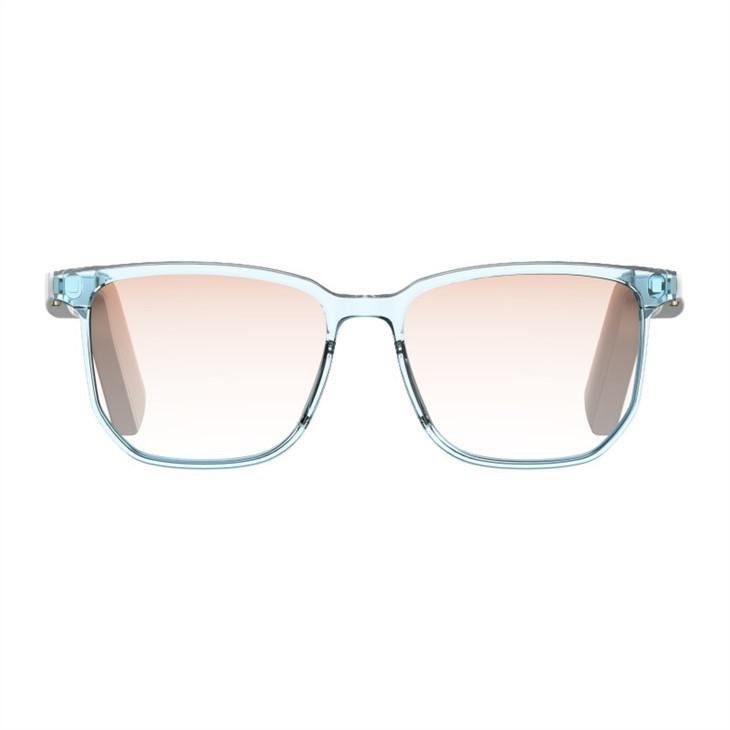
Industrial designers then translate functional requirements into manufacturable form factors. Frame geometry receives careful attention, considering weight distribution for extended wear comfort, hinge mechanics for durability, and temple thickness sufficient to house electronic components without compromising style. Material selection follows, with options spanning traditional acetate and titanium to modern polymer composites, each presenting distinct processing requirements.
Prototyping and Engineering Validation
Before committing to mass production, turnkey manufacturing produces functional prototypes that validate design decisions against real-world performance criteria. Initial prototypes undergo rigorous testing for structural integrity, weather resistance, and electronic functionality. Design iterations follow based on test findings, progressively refining the product toward production-ready specifications.
Electronic systems require particular scrutiny during this phase. Bluetooth pairing reliability, audio quality measurements, battery life verification, and charging mechanism testing all proceed according to established protocols. For products incorporating optical displays or sensors, additional calibration procedures ensure visual clarity and tracking accuracy meet intended performance thresholds.
Tooling and Production Setup
Transitioning from prototype to mass production demands specialized tooling. Turnkey manufacturers invest in injection molds for frame components, custom fixtures for assembly stations, and testing equipment calibrated for production-line throughput. These tooling investments represent significant upfront costs that turnkey models distribute across client production volumes.
Component supply chains receive careful attention during this preparation phase. Manufacturers establish relationships with verified suppliers for critical components—micro speakers, Bluetooth modules, batteries, touch sensors, and optical elements. Bulk procurement agreements secure favorable pricing while maintaining sufficient inventory buffers to support production schedules.
Mass Production and Assembly
Production launch marks the culmination of preparation activities. Assembly lines organize into specialized stations, each handling specific installation tasks. Electronic components mount within temple housings, speakers and microphones integrate with acoustic chambers, batteries connect to power management circuits, and optical elements secure within frame openings. Quality checkpoints interleave with assembly operations, catching defects before they propagate through subsequent processing stages.
Surface finishing follows structural assembly. Frames receive color treatments, logos apply through pad printing or laser engraving, and protective coatings enhance durability. Final cosmetic inspection ensures every unit meets aesthetic standards before proceeding to packaging operations.
Quality Assurance in Smart Glasses Manufacturing
Smart glasses quality verification extends beyond conventional electronics testing protocols. The hybrid nature of these products—as functional devices worn as fashion accessories—demands comprehensive evaluation across multiple dimensions.
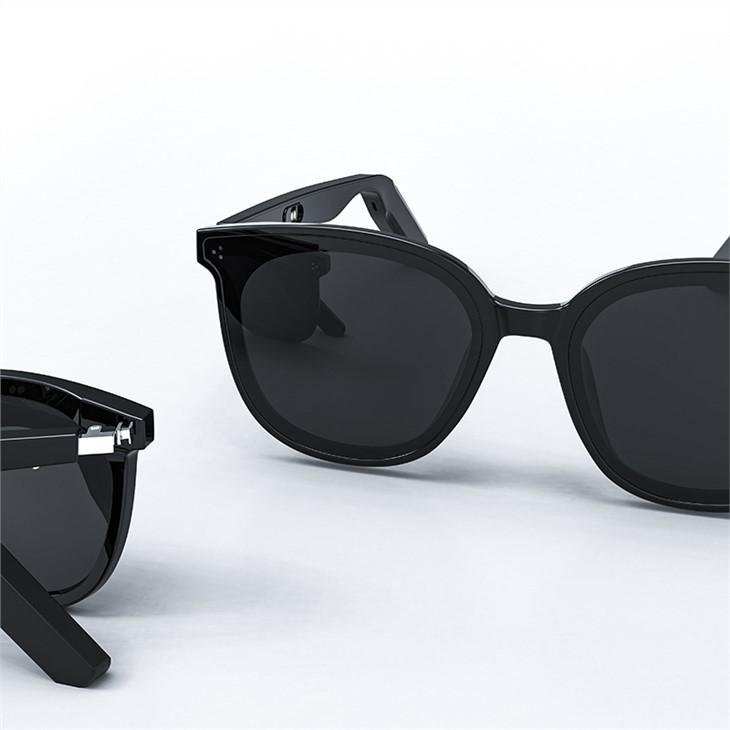
Electronic performance testing validates Bluetooth connectivity ranges, audio output levels, microphone sensitivity, and battery endurance under standard usage scenarios. Environmental testing exposes units to temperature extremes, humidity variations, and UV exposure to confirm durability under real-world wearing conditions. Mechanical stress testing simulates repeated donning and removal, hinge cycling, and accidental drops to verify structural resilience.
Defect Rate Management
Reputable turnkey manufacturers maintain defect rates well below industry averages, typically targeting below 1% for cosmetic issues and below 0.5% for functional failures. Achieving these standards requires systematic approach to quality management—statistical process control monitors production metrics in real-time, incoming component inspection prevents defective materials from entering assembly, and end-of-line testing provides final verification before shipping preparation.
Customization Options for B2B Clients
Turnkey manufacturing accommodates diverse branding requirements through extensive customization capabilities. Frame aesthetics respond to nearly unlimited variation—color matching against brand guidelines, material selection for specific price points, and design modifications to establish product differentiation.
Electronic feature customization addresses functional positioning within target markets. Audio-focused products prioritize speaker quality and microphone clarity for calls and voice assistance. Sports-oriented lines emphasize lightweight construction, secure fit during movement, and water resistance for outdoor activities. Professional applications might incorporate discrete notification systems, hands-free communication, or augmented reality overlays for training and productivity scenarios.
Packaging customization extends brand experience beyond the product itself. Custom boxes, insertion materials, user manuals, and accessory kits all receive attention within turnkey service offerings. Some clients leverage these elements to create premium unboxing experiences that reinforce brand positioning and justify higher retail price points.
Why China Remains the Smart Glasses Manufacturing Hub
China's dominance in smart glasses manufacturing stems from accumulated advantages that newer production regions have struggled to replicate. Electronics manufacturing clusters in Guangdong province host dense networks of component suppliers, enabling rapid procurement and competitive pricing. Workforce expertise in wearable electronics has developed over decades of producing headphones, fitness trackers, and smartwatches—skills directly transferable to smart glasses production.
Manufacturing infrastructure continues advancing alongside technology evolution. Facilities equipped for smart glasses production increasingly incorporate automation for precision tasks while maintaining skilled labor for complex assembly operations. Component ecosystems have matured to support increasingly sophisticated smart eyewear products, with local suppliers offering competitive alternatives to imported components.
Cost Structure Advantages
Production costs in China benefit from economies of scale unavailable in smaller manufacturing regions. Component volumes consumed by Chinese factories drive supplier pricing down while maintaining quality standards. Labor costs, while rising, remain competitive relative to total product value, particularly when accounting for workforce productivity and quality outcomes.
Partnering with a Turnkey Manufacturer
Selecting the right turnkey partner determines project success more than any other single factor. B2B buyers should evaluate prospective manufacturers across several dimensions—technical capabilities, quality track record, communication practices, and production capacity alignment with anticipated volumes.
Factory audits provide valuable insight into actual operational capabilities. Visiting production facilities reveals equipment conditions, worker organization, quality management systems, and management competence that marketing materials cannot fully convey. For buyers unable to conduct on-site visits, third-party inspection services offer alternative verification mechanisms.
Communication and Project Management
Successful turnkey relationships depend heavily on communication quality. Projects inevitably encounter challenges requiring collaborative problem-solving. Manufacturers who respond promptly to inquiries, provide regular progress updates, and proactively surface potential issues contribute to smoother development experiences than those who communicate infrequently or defensively when problems arise.
Dedicated project managers serve as single points of contact, coordinating internal resources and keeping clients informed throughout development cycles. This organizational approach prevents the confusion that emerges when clients must navigate multiple departmental contacts for different production aspects.
Production Timeline Considerations
Smart glasses development timelines vary based on product complexity and customization requirements. Straightforward products leveraging existing platforms might progress from concept to production-ready status within three to four months. Highly customized products incorporating novel features or unique industrial designs typically require five to seven months for complete development.
Timeline planning should account for potential delays—design revisions based on prototype testing, component sourcing challenges, or quality issues requiring process adjustments. Building contingency into project schedules prevents artificial pressure that might compromise quality decisions or relationship quality with manufacturing partners.
Minimum Order Quantities and Scalability
Turnkey manufacturing arrangements typically establish minimum order quantities that balance production efficiency against client inventory risk. Standard MOQs range from 500 to 1,000 units for products utilizing existing component configurations. Highly customized products with unique tooling requirements may impose higher minimums to justify initial investment amortization.
Production scaling follows successful market validation. Initial orders establish quality consistency and relationship dynamics before committing to larger volumes. Seasonal demand variations, promotional opportunities, and geographic expansion all drive production planning discussions with manufacturing partners. Flexible capacity arrangements accommodate these varying requirements while maintaining per-unit economics favorable to client business models.
Making Your Smart Glasses Vision Reality
The path from smart glasses concept to commercial product demands careful navigation across technical, operational, and commercial dimensions. Turnkey manufacturing reduces this complexity by providing integrated expertise spanning every development stage. B2B buyers who leverage these comprehensive services gain access to manufacturing capabilities that would otherwise require building extensive internal teams or coordinating fragmented supplier relationships.
Understanding your specific requirements—target market positioning, price architecture, feature priorities, and volume projections—enables productive conversations with potential manufacturing partners. The right turnkey manufacturer becomes a strategic collaborator invested in your product success rather than merely a vendor processing purchase orders.
Ready to explore smart glasses manufacturing options for your brand or distribution business? Our engineering team welcomes detailed discussions about your product requirements, timeline objectives, and business constraints. Share your vision, and let's examine how turnkey manufacturing services can accelerate your smart glasses market entry.
