
Posted At: Apr 21, 2026 - 3,499 Views

The global smart glasses market is experiencing unprecedented growth, with industry analysts projecting significant expansion through the coming decade. For brands, distributors, and businesses seeking to capitalize on this momentum, finding the right smart glasses supplier represents one of the most consequential decisions you will make. A partnership with the wrong manufacturer can drain resources, delay product launches, and damage your brand reputation. Conversely, aligning with a capable OEM/ODM partner accelerates your time-to-market and positions your product line for sustainable success.
This guide distills industry expertise into actionable criteria for evaluating smart glasses manufacturers in China. Whether you are launching your first product or expanding an existing line, these best practices will help you identify partners capable of transforming your vision into market-ready reality.
Why China Remains the Premier Destination for Smart Glasses Manufacturing
China's dominance in consumer electronics manufacturing extends naturally to the smart glasses sector. The ecosystem encompasses specialized suppliers for every component—from micro displays and optical waveguides to bone conduction transducers and low-power Bluetooth modules. This concentration of expertise creates significant advantages for brands willing to invest time in proper supplier vetting.
Shenzhen and surrounding Pearl River Delta cities host the highest concentration of electronics manufacturing capacity. The region offers integrated supply chains that dramatically reduce production costs while maintaining the flexibility to accommodate custom specifications. However, this density also means navigating a crowded landscape where supplier quality varies enormously.
Technical Capabilities: The Foundation of Supplier Evaluation
Before engaging with any potential partner, you must clearly define your product requirements. Smart glasses span diverse categories—audio sunglasses, camera-enabled devices, augmented reality displays, and fitness-focused wearables each demand distinct manufacturing competencies. A supplier excelling at producing basic audio sunglasses may lack the precision required for AR optical systems.
Evaluate prospective manufacturers against these technical criteria:
- Optical expertise: For AR-enabled products, assess the supplier's experience with waveguide fabrication, field-of-view optimization, and prescription lens integration. Poor optical quality destroys user experience regardless of other features.
- Audio engineering: Bone conduction and directional audio technologies require specialized knowledge. Examine whether the supplier has demonstrated competence in acoustic tuning and noise isolation.
- Connectivity proficiency: Bluetooth 5.x compatibility, multipoint pairing, and seamless app integration represent baseline expectations. Ask about experience with proprietary wireless protocols if your product requires them.
- Power management: Battery life remains a primary consumer concern. Inquire about the supplier's experience with low-power chip architectures and efficient charging solutions.
- Industrial design capability: Evaluate their portfolio for products combining aesthetic appeal with ergonomic considerations. Smart glasses must feel comfortable during extended wear while projecting a style appropriate to your target market.
Request samples of similar products they have manufactured. Hands-on evaluation reveals build quality that specifications sheets cannot capture. Examine hinge mechanisms, weight distribution, material finishes, and button tactility. These details differentiate premium products from forgettable commodities.
Quality Assurance: Certifications and Testing Protocols
International markets enforce rigorous standards for electronic devices. Your smart glasses supplier must demonstrate compliance capability to avoid costly rework, shipment delays, or rejected inventory.
Essential certifications include CE marking for European markets, FCC certification for the United States, and RoHS compliance restricting hazardous substances. Beyond regulatory requirements, assess whether the supplier conducts additional testing such as:
- IP ratings for water and dust resistance
- Drop testing to validate structural integrity
- Temperature and humidity cycling for environmental durability
- Radio frequency exposure compliance
- Optical safety assessments
Quality management systems matter. ISO 9001 certification indicates commitment to documented processes and continuous improvement. While certification alone does not guarantee quality, it suggests organizational maturity that correlates with consistent manufacturing outcomes.
Production Capacity and Scalability
Your relationship with a smart glasses supplier should accommodate growth. Initial orders often represent proof-of-concept volumes, but successful products require manufacturing partners capable of scaling production rapidly without sacrificing quality.
During supplier evaluation, inquire about:
- Monthly production capacity for your product category
- Current facility utilization rates
- Component inventory management practices
- Lead time consistency across different order volumes
- Ability to ramp production within compressed timelines
Understanding their supply chain resilience proves equally important. The global electronics industry has experienced significant disruption in recent years. Ask about secondary supplier relationships for critical components—display modules, Bluetooth chips, and batteries. Diversified sourcing reduces vulnerability to shortages that could stall your production schedules.
Communication and Project Management
Manufacturing partnerships succeed or fail on communication quality. Even technically proficient suppliers create problems when project management practices fall short. For international buyers working across time zones, responsive communication becomes even more critical.
Establish expectations during initial conversations. Your supplier should designate dedicated points of contact responsible for your account. Response time benchmarks—24 hours for general inquiries, same-day for production issues—should be explicitly agreed upon before commitments.
Assess their English proficiency and cultural understanding of Western business expectations. Miscommunications around specifications, timelines, or quality standards create expensive problems downstream. Professional suppliers proactively flag potential issues rather than waiting for customers to discover them.
Request examples of their documentation practices. Clear technical specifications, production schedules with milestone tracking, and transparent quality reporting demonstrate organizational maturity. Poor documentation often indicates disorganized production management.
intellectual Property Protection
Sharing product designs with manufacturing partners inherently creates IP risk. Before disclosing detailed specifications, establish contractual protections including non-disclosure agreements, manufacturing restrictions, and clear ownership terms for tooling and custom developments.
Reputable suppliers understand these concerns and maintain formal IP protection protocols. Inquire about their track record with client confidentiality and any independent verification of their security practices. Suppliers resistant to discussing IP protection—or those suggesting you need not worry about such matters—warrant additional scrutiny.
Cost Structure and Transparency
Price competition among Chinese manufacturers ensures competitive quotes, but the lowest price rarely represents the best value. Hidden costs emerge through component substitutions, quality shortcuts, or post-production charges absent from initial pricing.
Request comprehensive quotations itemizing tooling costs, per-unit pricing across expected volumes, component specifications, packaging requirements, and shipping terms. Ambiguity in quotations invites surprise expenses during production.
Establish payment terms that protect both parties. Typical arrangements involve deposits for tooling and initial production runs with balance payments prior to shipment. Avoid suppliers insisting on full prepayment—this arrangement eliminates your leverage if problems arise.
Be cautious of quotes significantly below market rates. Sustainable manufacturing requires adequate margins. Prices unrealistically low suggest corners being cut—using inferior components, skipping quality checks, or planning to extract additional payments after you become dependent on their production.
Sample Production and Prototyping
Never commit to large-scale production without first evaluating samples. Quality of pre-production samples typically indicates the attention your actual order will receive. Request multiple iterations if necessary—the investment in refinement during prototyping saves substantial expense once full production begins.
Test samples thoroughly across conditions representing actual use cases. Evaluate audio quality in various environments. Assess comfort during extended wear sessions. Verify Bluetooth connectivity reliability with different host devices. Confirm that app integration functions as specified across supported platforms.
Document any discrepancies between agreed specifications and delivered samples. Reputable suppliers welcome this feedback and incorporate corrections into production planning. Resistance to addressing sample issues suggests problems that will persist at scale.
Red Flags to Watch For
Certain warning signs warrant immediate caution. Suppliers unable or unwilling to provide facility tour opportunities may be concealing substandard conditions. Inability to reference previous clients or projects suggests limited experience. Pressure tactics pushing for immediate decisions typically indicate commission-driven sales priorities rather than genuine partnership interest.
Vague answers to technical questions reveal knowledge gaps that will create problems during production. Promises of impossibly short lead times often signal that deadlines will be missed. Requests for unusual payment methods—wire transfers to personal accounts, cryptocurrency payments, or payment through unfamiliar intermediaries—indicate potential fraud risk.
Building Long-Term Partnership Value
The most successful smart glasses brands cultivate relationships with manufacturing partners rather than treating suppliers as transactional vendors. Long-term partnerships unlock preferential pricing, priority production allocation, and collaborative innovation that benefits both parties.
Invest time in relationship building. Regular communication, prompt payment practices, and reasonable flexibility around minor issues create goodwill that proves valuable when challenges inevitably arise. Manufacturers who view you as a valued partner rather than interchangeable revenue provide different service quality.
Making Your Final Selection
Compile findings from technical evaluation, quality assessment, communication testing, and business term negotiation. No supplier excels in every dimension—establish which factors matter most for your specific priorities and weight evaluations accordingly.
Consider starting with smaller initial orders to validate the relationship before committing larger volumes. This approach reduces risk while providing genuine production experience with the supplier's actual performance. Results from live production often differ from pre-order promises in ways that only become apparent under real conditions.
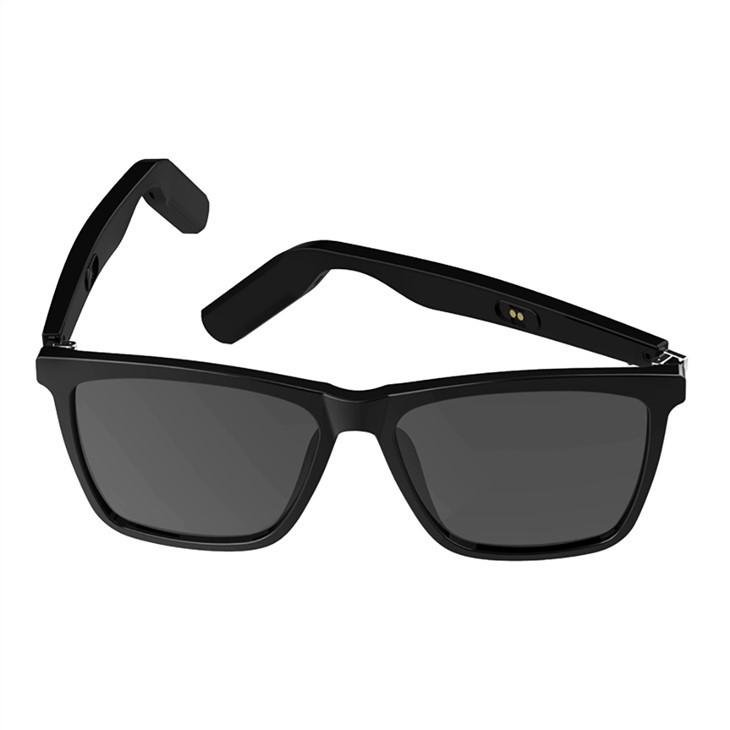
Our manufacturing facility demonstrates the capabilities described throughout this guide. We specialize in directional audio smart glasses and integrated wearable technology, serving brands and distributors seeking reliable production partnerships in China.
Comparing Supplier Evaluation Criteria
| Evaluation Category | Essential Requirements | Advanced Indicators |
|---|---|---|
| Technical Capability | Relevant product experience, skilled engineering team | Proprietary technology, R&D investment |
| Quality Assurance | ISO certification, standard testing protocols | Automated inspection, traceability systems |
| Production Capacity | Sufficient for initial volumes | Scalable with inventory buffer capability |
| Communication | Responsive, professional, English-proficient | Dedicated account management, proactive updates |
| IP Protection | Signed NDAs, documented protocols | Independent security verification |
| Business Practices | Transparent pricing, fair payment terms | Long-term relationship orientation |
Use this comparison framework as a checklist during supplier evaluation. Document findings systematically to enable objective comparison across multiple candidates. Decisions grounded in documented evaluation outperform those based on impressions or incomplete information.
Partner With Confidence
Selecting the right smart glasses supplier requires upfront investment of time and resources, but this investment pays dividends throughout your product lifecycle. Thorough evaluation prevents expensive problems while identifying partners capable of supporting your growth ambitions.
The Chinese manufacturing landscape offers exceptional opportunities for brands willing to navigate its complexity thoughtfully. With proper supplier selection practices, you gain access to world-class production capabilities, competitive cost structures, and supply chain infrastructure that would take years to build independently.
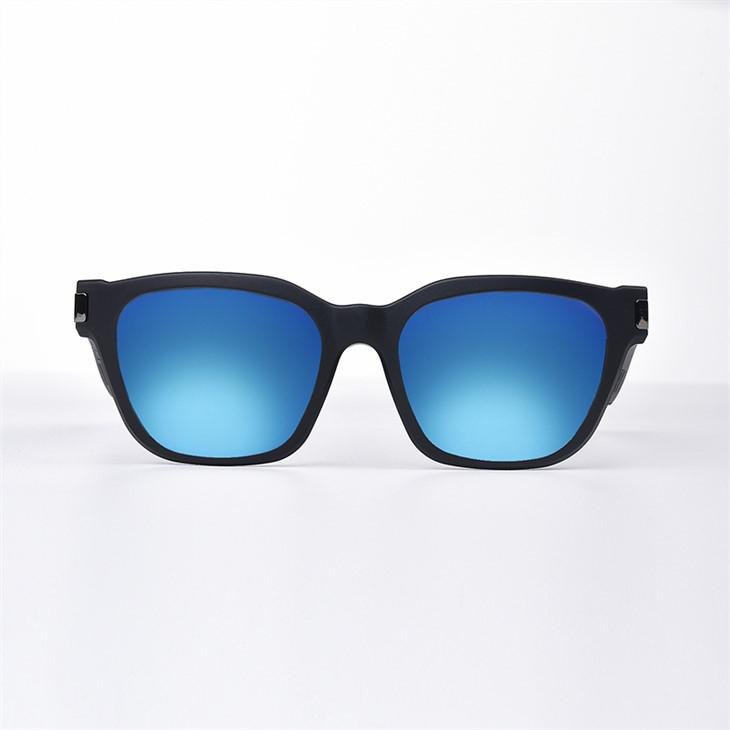
We invite you to explore our polarized smart driving glasses and broader product portfolio demonstrating manufacturing capabilities across smart eyewear categories. Our team welcomes inquiries from brands and distributors seeking manufacturing partners committed to quality, transparency, and long-term collaboration.
