Posted At: Aug 12, 2026 - 1,297 Views

The smart glasses market is experiencing a seismic shift. From audio sunglasses to AR-enabled wearables, consumer demand for intelligent eyewear has opened extraordinary opportunities for brands, distributors, and entrepreneurs ready to enter this space. If you are a B2B buyer exploring smart glasses OEM/ODM manufacturing in China, launching a Shopify store can be your fastest route to market.
This guide strips away the guesswork. Whether you are launching a new brand or expanding an existing catalog with smart eyewear, you will find actionable steps, platform configuration details, and sourcing strategies that real-world distributors use to build profitable stores from scratch.
Why Shopify Remains the Top Choice for Smart Glasses Sellers
Shopify powers millions of stores globally, and for smart glasses sellers, it offers a compelling combination of simplicity and scalability. The platform handles payment processing, hosting, security, and mobile optimization out of the box. For B2B buyers working with limited technical resources, this means you can focus your energy on product selection, supplier communication, and marketing rather than wrestling with code.
Beyond the basics, Shopify's app ecosystem provides everything you need to manage inventory, automate customer service, and run targeted ad campaigns. When paired with a reliable China-based smart glasses manufacturer, the platform becomes a powerful sales machine that can scale from dozens to thousands of monthly orders.
Step 1: Define Your Smart Glasses Niche
Before you touch a single setting in Shopify, you need clarity on what you are selling and to whom. The smart glasses category is broad, and trying to serve every subcategory dilutes your marketing budget and confuses your audience.
Consider narrowing your focus to one or two segments that align with your target market:
- Audio Sunglasses — Open-ear audio glasses for outdoor enthusiasts, cyclists, and commuters. This category has strong margins and repeat purchase potential.
- Bluetooth Calling Glasses — Hands-free communication eyewear targeting professionals and business users who need seamless call management.
- Fashion Smart Eyewear — Style-forward designs that blend fashion with technology, appealing to fashion-conscious Gen Z and Millennial buyers.
- Sports and Active Wearables — Ruggedized smart glasses with polarized lenses, sweat resistance, and secure fit for athletes and fitness users.
Defining your niche shapes every decision downstream—from the products you source to the design aesthetic of your store and the keywords you target in your SEO campaigns.
Step 2: Register Your Domain and Set Up Shopify
Start by purchasing a domain name that reflects your brand. Ideally, include a relevant keyword in your domain to boost SEO relevance. Something like yourbrand.com works, but domains containing terms like "smartglasses," "audioglasses," or "smarteyewear" provide an immediate SEO signal to both search engines and visitors.
Once you have your domain, create your Shopify store:
- Sign up for a Shopify plan. The Basic plan suffices when starting out, but upgrade to Shopify or Advanced Shopify as your order volume grows.
- Connect your domain through Shopify's built-in domain management settings.
- Configure your store timezone, currency, and measurement units to match your primary market.
- Set up your billing information and tax settings in the administration panel.
Most new store owners rush past the settings panel, but taking 20 minutes to configure tax rates, shipping zones, and checkout options now prevents costly headaches later.
Step 3: Choose a High-Converting Store Theme
Your theme is your storefront's first impression. For smart glasses—products where visual appeal, fit, and design details drive purchasing decisions—your theme must showcase imagery beautifully and support rich product storytelling.
Look for themes that offer:
- Full-width hero image sections for lifestyle product photography
- Built-in image zoom functionality for lens detail and frame texture
- Clean, minimalist layouts that let the product stand out
- Mobile-first design, since a significant portion of eyewear buyers browse on phones
- Fast loading speeds, as page speed directly impacts Google rankings and bounce rates
Free themes like Debut or Dawn work well for startups. As your catalog grows, consider premium themes designed for fashion and accessories stores.
Step 4: Source Your Smart Glasses Inventory
This is where many store owners struggle. The success of your Shopify store depends heavily on finding a manufacturer that delivers consistent quality, competitive pricing, and reliable logistics. As a B2B buyer seeking smart glasses OEM/ODM manufacturing in China, you need a supplier who understands both the technology and the export requirements of your target market.
When evaluating manufacturers, prioritize those who offer:
- Custom branding options including logo engraving, custom temples, and bespoke packaging
- Certification support for CE, FCC, RoHS, and other regional compliance requirements
- Flexible MOQs (Minimum Order Quantities) for market testing before full-scale production
- Sample order processes so you can verify product quality before listing
- Drop shipping or fulfillment integration options forScalable operations
One of the most efficient ways to source is through established manufacturing partners who already produce proven smart glasses designs. Working with an experienced OEM/ODM factory eliminates the need for expensive R&D investment while giving you access to models that have already been tested in the market.
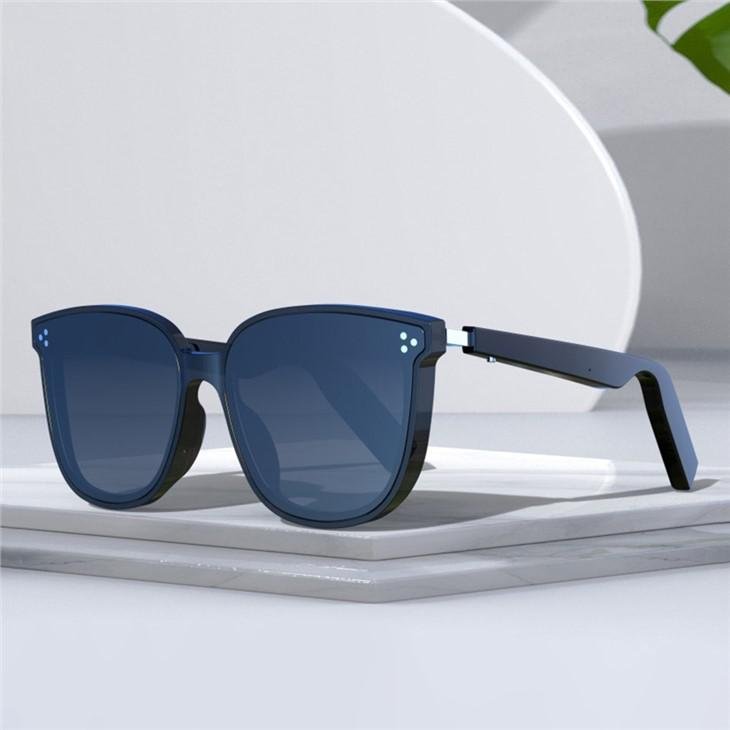
For example, consider products like Fashion Polarized Wireless Glasses — these combine polarized sun protection with wireless audio functionality, making them ideal for outdoor lifestyle brands. The combination of fashion aesthetics with practical features represents the sweet spot many consumers are searching for.
Step 5: Build Your Product Listings with SEO Strategy
Product listing optimization determines whether your store ranks in search results and converts visitors into buyers. Each product page should be meticulously crafted.
Product Titles
Write titles that include your primary keyword naturally while remaining readable. Instead of "Glasses 2025," use "Bluetooth Audio Sunglasses — Polarized UV Protection Wireless Smart Eyewear." Front-load your most important terms, as search engines and shoppers alike scan titles from left to right.
Product Descriptions
Write descriptions in two layers. The short description should communicate the core value proposition in 2-3 sentences—perfect for search snippets and social sharing. The long description should expand into features, use cases, technical specifications, and a compelling call to action.
For smart glasses specifically, include details on battery life, Bluetooth version, water resistance rating, lens type, frame material, and charging time. These technical details matter enormously to online buyers who cannot physically handle the product.
Product Images
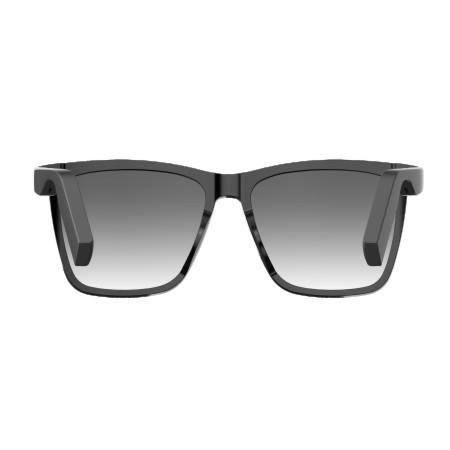
High-quality imagery is non-negotiable. You need multiple angles, lifestyle shots showing the glasses in use, close-ups of hinges and temples, and comparison images showing the glasses on different face shapes. The Audio Polarized Sunglasses available through our manufacturing partners demonstrate how professional lifestyle photography elevates product presentation and drives conversions.
Collections and Organization
Group products into logical collections that match how your target audience shops. Common structures include:
- By product type: Audio Glasses, Calling Glasses, Sports Glasses
- By use case: Commuting, Outdoor Sports, Professional/Office
- By price tier: Budget-Friendly, Premium, Enterprise
Collections improve navigation and allow you to create targeted landing pages for specific keyword clusters, which strengthens your overall SEO profile.
Step 6: Configure Payment Gateways and Pricing Strategy
For B2B and international customers, offer multiple payment methods including Shopify Payments, PayPal, and Stripe. If you are targeting wholesale buyers, consider enabling Shopify's wholesale channel or a wholesale app that supports custom pricing tiers, net payment terms, and purchase order workflows.
Your pricing strategy should account for product costs, shipping, platform fees, marketing spend, and target profit margins. Smart glasses typically carry healthy margins—particularly audio sunglasses and fashion smart eyewear where brand perception and design add significant perceived value. Research competitor pricing, but avoid racing to the bottom. Customers purchasing smart eyewear online make decisions based on trust, design, and reviews, not solely on price.
Step 7: Set Up Shipping and Fulfillment
Shipping configuration directly impacts conversion rates. Unexpected shipping costs are the leading cause of cart abandonment in e-commerce. Offer transparent shipping rates by integrating real-time carrier rates, or build shipping costs into your product pricing with free shipping thresholds.
For smart glasses sourced from China manufacturers, consider these fulfillment approaches:
- Direct Dropshipping — Your supplier ships directly to your customer. Low upfront investment but less control over packaging and delivery speed.
- Third-Party Logistics (3PL) — Use a freight forwarder to consolidate shipments into a local warehouse, then fulfill domestically. Faster delivery times and better unboxing experiences.
- Hybrid Model — Start with dropshipping to test demand, then transition to 3PL as sales volume justifies the investment.
For B2B buyers serving business customers or retail partners, wholesale orders typically ship in bulk containers. Ensure your manufacturer provides accurate weight and dimension data for each SKU so you can calculate freight costs precisely.
Step 8: Install Essential Shopify Apps
The right app stack transforms your store from a basic e-commerce site into a conversion-optimized selling machine. These categories matter most for smart glasses stores:
| Category | Purpose | Example Apps |
|---|---|---|
| Product Reviews | Build trust with verified customer reviews | Product Reviews, Judge.me |
| Email Marketing | Capture leads and nurture customers | Omnisend, Klaviyo |
| SEO Optimization | Meta tags, schema markup, site speed | Smart SEO, SEO Manager |
| Conversion Optimization | Pop-ups, urgency timers, exit intent | Privy, Smile.io |
| Analytics | Track performance and customer behavior | Google Analytics 4, Shopify Analytics |
Resist the temptation to install every promising app. Each additional script slows your site and adds complexity. Install only what you actively use, and audit your app stack quarterly.
Step 9: Drive Traffic with a Launch Strategy
A beautifully designed store with no visitors generates zero revenue. You need a launch strategy that combines organic discovery with targeted paid campaigns.
Start with organic SEO by publishing blog content around smart glasses keywords your audience searches. Product comparison articles, buying guides, and use-case blog posts attract organic traffic while subtly introducing your catalog. For instance, a post titled "How to Choose the Best Bluetooth Audio Sunglasses for Commuting" can rank for valuable long-tail keywords and link naturally to your product listings.
Complement organic efforts with strategic paid advertising. Meta Ads targeting interest categories like "sunglasses," "outdoor recreation," and "fitness technology" work well for smart glasses. Retargeting campaigns capturing visitors who browsed but did not purchase dramatically improve ROAS (Return on Ad Spend).
Consider influencer partnerships as well. Micro-influencers in cycling, running, tech, and fashion niches can demonstrate your smart glasses in authentic contexts that resonate with their engaged audiences.
Step 10: Optimize for Continuous Growth
Your store launch is the beginning, not the finish line. Successful smart glasses sellers treat their Shopify store as a living system that requires constant refinement.
Review your analytics dashboard weekly. Track which products generate the most revenue, which traffic sources convert best, and where customers abandon the purchase funnel. Use these insights to update product descriptions, adjust pricing, refine your advertising targeting, and retire underperforming listings.
Expand your catalog strategically based on customer feedback and market trends. If customers repeatedly ask about AR-enabled models or prescription lens compatibility, those signals point to product opportunities worth exploring with your manufacturer.
Launch Your Smart Glasses Store with Confidence
The combination of a well-configured Shopify store and a reliable China-based smart glasses manufacturing partner gives you a formidable competitive advantage. You get the flexibility and global reach of one of the world's leading e-commerce platforms, paired with access to cutting-edge smart eyewear technology at manufacturer-direct pricing.
Whether you are building a consumer brand, serving B2B wholesale accounts, or launching a private-label line, the infrastructure is within reach. Start with a focused product line, validate demand with test orders, and reinvest your profits into marketing and catalog expansion.
Ready to connect with verified smart glasses manufacturers who can support your Shopify store with OEM/ODM capabilities, custom branding, and flexible MOQs? Explore our product portfolio to see what is available for immediate sourcing, or reach out to our manufacturing team to discuss your specific requirements.
Browse Bluetooth Smart Music Sunglasses — a best-seller category that blends style, technology, and strong profit margins, perfect for stores targeting active lifestyle consumers.