
Posted At: Jun 23, 2026 - 2,267 Views

The smart glasses market continues to explode, with projections showing sustained double-digit growth through the next decade. For B2B buyers, distributors, and brands seeking to capitalize on this momentum, establishing a professional Shopify storefront represents one of the fastest paths to market. Whether you're sourcing bluetooth audio glasses for resale or building a premium brand around cutting-edge AR eyewear, the foundation you lay during setup will determine your long-term success.
This checklist covers everything you need to transform your vision into a fully operational e-commerce store tailored specifically for the smart glasses industry and B2B clientele.
1. Domain and Store Foundation
Your domain name serves as your digital storefront address. For smart glasses retail, aim for something memorable that reflects innovation and professionalism. Avoid hyphens or numbers that create confusion during verbal communication with wholesale partners.
Select a Shopify plan that accommodates your growth trajectory. The Basic plan suffices for early-stage operations, but B2B sellers handling bulk orders should consider the Basic plan with additional apps for wholesale functionality. Shopify's infrastructure handles secure transactions, SSL certificates, and server performance, so you can focus on product strategy rather than technical maintenance.
2. Store Configuration and Branding
Navigate to Settings > Store Details and complete every field with precision. Your store name appears across invoices, emails, and search results. The legal business name must match your registered entity for tax compliance and supplier credibility verification.
Upload a professional favicon that works at small sizes—ideally your logo or a simplified brand mark recognizable in browser tabs. Configure your store's timezone and weight units to match your primary shipping regions. For international smart glasses distribution, ensure currency display options accommodate multiple regions without confusing B2B buyers expecting specific pricing tiers.
3. Theme Selection and Customization
Choose a Shopify theme that showcases technology products effectively. Look for themes featuring prominent imagery sections, clean typography, and mobile-first responsive design. Your smart glasses catalog will rely heavily on high-quality product photography, so avoid themes that minimize image display areas.
Customize your theme's color palette to reflect your brand identity. Technology products often pair well with dark backgrounds that emphasize sleekness, or alternatively, clean white interfaces that communicate clarity and innovation. Configure your homepage to highlight featured collections, new arrivals, and any B2B bulk pricing announcements.
4. Product Data Architecture
Creating products correctly from the start prevents headaches later. Each smart glasses listing should include comprehensive specifications that B2B buyers require for their own marketing and compliance documentation. Break down your product structure systematically:
- Product title incorporating brand, model, key feature, and style descriptor
- Detailed description covering use cases, target audience, and competitive advantages
- Complete technical specifications including Bluetooth version, battery life, charging method, frame dimensions, and lens compatibility
- Material composition and certifications (CE, FCC, RoHS for international markets)
- Available color variants with individual SKU codes for inventory tracking
5. Strategic Product Photography
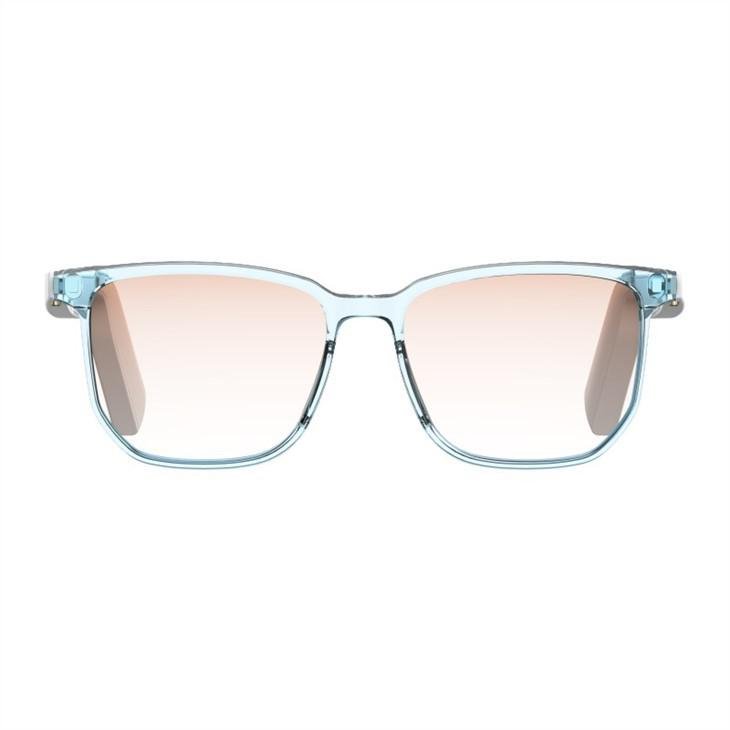
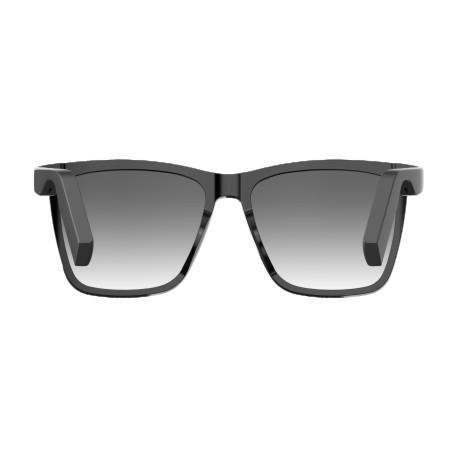
For smart glasses, visual presentation determines conversion rates. Invest in multiple product image angles: front view showing frame design, side profile displaying temples and hinges, top-down view revealing lens shape, and lifestyle shots demonstrating actual use.
Include comparison imagery showing your products alongside competitors' offerings, highlighting superior craftsmanship or unique features. Lifestyle photography featuring diverse models wearing your smart glasses during activities—commuting, exercising, traveling—helps B2B buyers envision the end-customer experience.
Shopify allows video uploads, and product videos significantly boost conversion for technical products. Create brief clips demonstrating key features like touch controls, audio quality, or AR functionality. These videos serve as silent salespeople working around the clock across time zones.
6. Pricing Strategy for B2B Markets
B2B pricing differs fundamentally from consumer retail. Consider implementing quantity-based tier pricing that rewards larger orders. Create separate customer groups for wholesale buyers, allowing you to display hidden wholesale prices that retail customers cannot access.
For smart glasses sourced through fashion smart music call glasses and similar OEM partnerships, factor in landed costs, shipping, customs duties, and currency fluctuations when establishing wholesale margins. Your pricing structure should allow distributors sufficient margin while remaining competitive in their markets.
7. Inventory and Fulfillment Setup
Connect your Shopify store to inventory management systems that can handle multi-location tracking if you stock products across warehouses. For dropshipping models common in smart glasses retail, configure fulfillment settings to route orders directly to your manufacturing partner or third-party logistics provider.
Set up low-stock alerts for popular SKUs. Smart glasses trends shift quickly, and running out of your best-selling models during peak demand periods costs sales and damages supplier relationships with your manufacturing partners.
8. Shipping Configuration
Smart glasses are high-value, relatively compact products that benefit from tracked shipping methods with insurance coverage. Configure shipping zones covering your target markets, with particular attention to international regions where B2B buyers frequently operate.
Consider offering free shipping thresholds that encourage larger orders—a B2B buyer ordering fifty units will happily hit a free shipping threshold, while single-unit retail customers pay standard rates. Create shipping profiles for bulk orders that may require palletization, freight forwarding, or special handling.
9. Payment Gateway Configuration
For B2B transactions, wire transfers and trade credit accounts matter as much as credit card processing. Enable bank payments and invoice payment options alongside standard credit card processing. PayPal remains popular among international buyers and provides additional buyer protection that facilitates trust.
For wholesale orders exceeding typical credit card limits, configure manual payment methods where you review and approve large orders individually. This prevents fraudulent transactions while accommodating legitimate bulk purchasing workflows.
10. Legal Pages and Trust Signals
B2B buyers conduct thorough due diligence before committing to supplier relationships. Create comprehensive policy pages that demonstrate professionalism and transparency. Your refund policy should balance customer protection with realistic expectations for bulk commercial transactions.
Include an about page telling your brand story—why you entered the smart glasses market, what relationships you've built with manufacturers, and how you serve your customers differently. Add contact information across multiple channels: email, phone, and live chat for urgent wholesale inquiries.
11. SEO Optimization for Smart Glasses
Configure your store's SEO foundation in Settings > Search engine listing preview. Write unique meta descriptions for your homepage incorporating primary keywords. Enable SEO-friendly URLs that include product names rather than random alphanumeric strings.
For each product page, customize the SEO title and meta description with relevant keywords potential buyers might search: "wholesale smart sunglasses," "OEM smart glasses manufacturer," "AR glasses bulk order," or "Bluetooth audio eyewear distributor." Use your product descriptions to naturally incorporate long-tail keywords that capture specific search intent.
12. Analytics and Tracking Configuration
Install Google Analytics 4 with enhanced e-commerce tracking to monitor product performance, checkout behavior, and conversion funnels. Set up Shopify's built-in analytics as your primary dashboard while using GA4 for deeper traffic analysis.
Configure Google Tag Manager for additional tracking pixels that support your marketing campaigns. For retargeting efforts, add Facebook Pixel or similar tracking that enables lookalike audience building once you accumulate conversion data.
13. Essential Apps for Smart Glasses Retail
Several app categories prove essential for smart glasses e-commerce success:
| App Category | Purpose | Recommended Features |
|---|---|---|
| Wholesale Pricing | B2B tier pricing | Customer-specific prices, quantity breaks |
| Product Reviews | Social proof | Automated review requests, photo reviews |
| Email Marketing | Customer retention | Abandoned cart recovery, post-purchase sequences |
| Currency Conversion | International sales | Automatic local pricing display |
| Inventory Sync | Stock management | Multi-location updates, alert thresholds |
14. Pre-Launch Quality Assurance
Before announcing your store, conduct systematic testing across devices and browsers. Complete test purchases using all payment methods to verify transaction flows. Check email notifications trigger correctly for orders, shipments, and account creations.
Review your entire checkout process as a guest customer and registered buyer. Identify any friction points—unnecessary form fields, confusing shipping options, or unclear return policies. B2B buyers especially value streamlined purchasing experiences that respect their time.
15. Launch Strategy and Marketing Foundation
Coordinate your Shopify launch with supplier communication. Ensure your manufacturing partner understands your sales projections and can scale production accordingly. For trendy music sunglasses and similar trending products, coordinate with your supplier on inventory levels before committing to marketing spend.
Build anticipation through pre-launch activities: collect email signups offering early-bird pricing, create social media content showcasing your brand identity, and reach out directly to potential B2B buyers in your target markets. Your Shopify store represents the destination, but driving traffic requires coordinated marketing efforts.
Ready to Source World-Class Smart Glasses?
Setting up your Shopify store correctly positions you to capture market share in the rapidly expanding smart glasses industry. The foundation you've built through this checklist creates a professional B2B presence that instills confidence in distributors and bulk buyers worldwide.
When you're ready to source products for your store, partner with a manufacturer that understands both technology and international trade. Smart Glasses Factory specializes in OEM and ODM manufacturing for brands at every scale—from emerging entrepreneurs to established retailers fulfilling thousands of monthly orders. Our production facilities maintain rigorous quality standards while offering flexible minimum order quantities that accommodate growth stages.
Connect with our team to discuss your product requirements, customization options, and pricing structures for bulk orders. We're here to support your success from product development through delivery, helping you build a smart glasses business that thrives for years to come.
