
Posted At: Oct 26, 2026 - 638 Views

When sourcing smart glasses for your brand or distribution business, understanding how to navigate factory pricing can mean the difference between a profitable product launch and a margin-eroding mistake. China-based manufacturers offer significant cost advantages, but the initial quoted prices rarely reflect the best deals available. Strategic negotiation, backed by industry knowledge and proper preparation, unlocks substantial factory discounts that directly improve your bottom line.
Why Factory Prices Are Just the Starting Point
Smart glasses manufacturers typically quote MSRP-style pricing for first-time inquiries. These initial figures include built-in negotiation room, reflecting the established practice that most B2B buyers will request better terms. Attempting to place an order at the first offered price leaves money on the table—often 15% to 30% more than necessary.
Understanding this dynamic shifts your mindset from passive price-taker to active negotiator. Manufacturers expect negotiation, and demonstrating that you understand the process signals you are a serious, repeat customer worth cultivating.
Key Factors That Unlock Better Factory Discounts
Order Volume Commitment
Volume remains the most powerful lever in smart glasses price negotiation. Manufacturers achieve economies of scale when producing larger batches, and they pass a portion of those savings to buyers who guarantee consistent order flow. A commitment of 500 units per order typically yields 10-15% discounts, while 1,000+ unit commitments can push discounts to 20-25%.
Consider negotiating tiered pricing structures where your per-unit cost decreases as order quantities increase. This approach provides flexibility while rewarding larger commitments. For example, agreeing to a minimum order quantity (MOQ) of 300 units might secure pricing that becomes even more attractive if you exceed that threshold.
Long-Term Partnership Agreements
Smart glasses manufacturers value stable, long-term relationships over one-time transactions. When you position yourself as a committed partner rather than a casual buyer, factories become more willing to offer preferential pricing. Propose multi-order agreements spanning six months to a year, outlining projected monthly or quarterly volumes.
The assurance of repeat business reduces the manufacturer's customer acquisition costs, creating room for better pricing. Document these arrangements clearly in written contracts, specifying volume commitments, delivery schedules, and pricing terms for each period.
Payment Term Optimization
Your payment terms directly influence the pricing flexibility available. Manufacturers often quote different prices based on payment structures. Offering favorable terms—such as paying a larger deposit upfront or committing to full prepayment for initial orders—demonstrates reliability and reduces the factory's financial risk, which can translate into meaningful discounts.
Typical arrangements include 30% deposit with 70% balance payment before shipping. If you can offer 50% or full prepayment, expect 3-8% additional savings. Conversely, requesting longer payment terms or net-30 arrangements may increase quoted prices to offset the extended cash flow risk.
Understanding the Smart Glasses Cost Structure
Effective negotiation requires knowledge of how smart glasses are priced. Components and manufacturing processes drive costs, and understanding these elements helps you identify where discounts are realistic versus where factories operate on thin margins.
Component-Level Breakdown
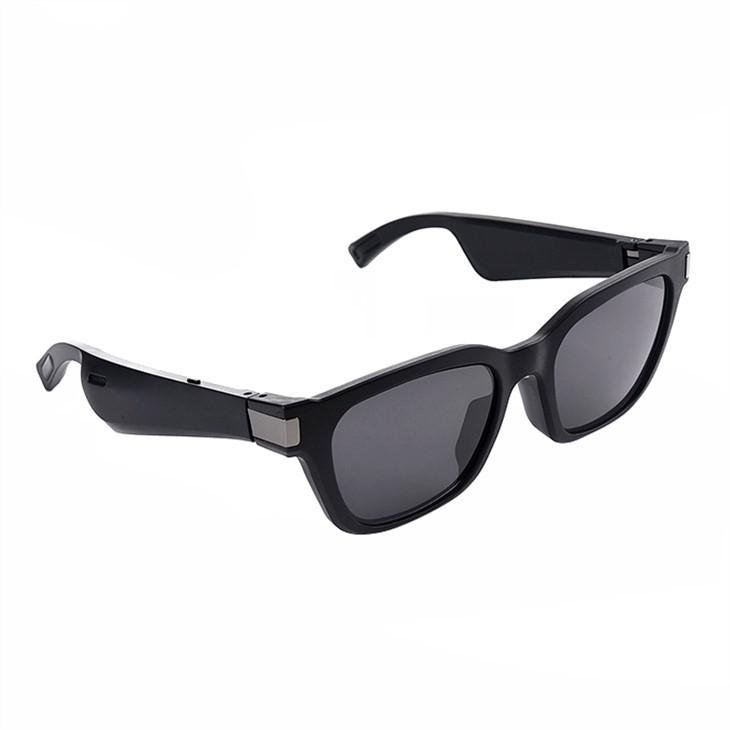
Smart glasses pricing typically reflects several key components:
- Optical displays and lenses — When AR functionality is included, waveguide or Birdbath displays represent 25-40% of total BOM cost
- Audio systems — Bone conduction or speaker drivers account for 8-15% depending on quality
- Connectivity modules — Bluetooth and WiFi chips typically cost 5-10% of the bill of materials
- Frame materials and manufacturing — Injection molding, finishing, and materials range from 15-25%
- Battery and power management — Essential components representing 5-10% of costs
- Assembly and testing — Labor and quality control typically 10-15% of pricing
When negotiating, focus discussions on areas where you have specific requirements that might reduce costs—such as standard connectivity options rather than custom modules, or proven optical solutions rather than experimental displays.
Strategic Negotiation Approaches
Request Detailed Quotations
Always ask for itemized quotations that break down material costs, labor, overhead, and profit margins. Vague total-price quotes limit your negotiation points. When you receive line-item breakdowns, you can identify areas for cost optimization—such as substituting materials while maintaining quality or adjusting specifications that inflate costs without proportional value.
Compare Multiple Factory Quotations
Never accept the first quotation you receive. Contact at least three to five manufacturers for comparable quotes. This approach accomplishes several objectives: it establishes market price benchmarks, creates competitive pressure among factories, and provides leverage during negotiations. When Factory B offers lower pricing than Factory A, use that information to negotiate better terms with both.
Bundle Product Requirements
If you source multiple product types—smart sunglasses, audio glasses, prescription smart frames—bundle these requirements into single negotiations with manufacturers capable of producing various models. Factories prefer consolidated orders that maximize production efficiency, and bundling typically unlocks additional discounts beyond what volume alone would achieve.
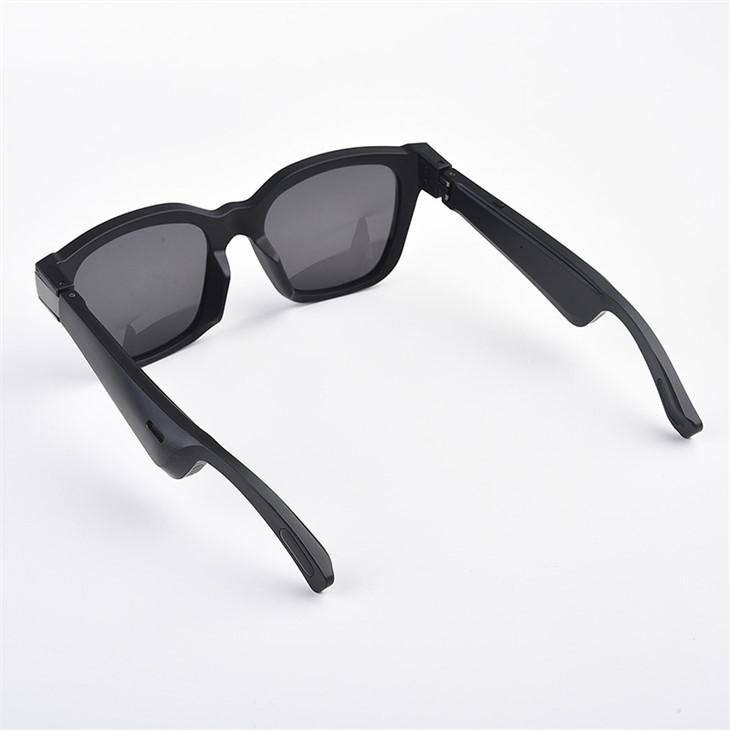
Our factory produces a comprehensive range of fashionable wireless Bluetooth smart glasses suitable for various market segments, allowing you to consolidate sourcing while accessing bundle pricing.
Red Flags That Signal Unreliable Pricing
Not all low prices represent good deals. Extremely discounted quotes often signal compromised quality, hidden costs, or factories that will attempt to increase prices mid-production. Watch for these warning signs:
- Quotes significantly below market averages (20%+ lower than competing factories)
- Factories unwilling to provide detailed cost breakdowns
- Reluctance to share samples before production commitment
- Vague answers regarding component suppliers and quality certifications
- Pressure to make quick decisions without adequate review time
Reputable manufacturers offer competitive but realistic pricing that reflects actual production costs with reasonable margins. The goal is value—not the lowest possible price that may compromise your product quality and brand reputation.
Building Leverage Through Preparation
Manufacturers respect buyers who arrive prepared. Before entering negotiations, compile the following:
- Target pricing based on market research and margin requirements
- Competitive quotations from other factories
- Clear specifications for your smart glasses requirements
- Volume forecasts for the next 12 months
- Payment terms you can offer
- Timeline requirements and flexibility
This preparation signals professionalism and gives you concrete positions to defend during discussions. Factories are far more likely to accommodate well-prepared buyers who demonstrate clear business understanding.
Discount Tiers: What to Expect at Different Order Levels
Use this general framework to set realistic expectations when negotiating smart glasses pricing:
| Order Quantity (Per Batch) | Typical Discount Range | Payment Advantage |
|---|---|---|
| 100-299 units | 5-10% off initial quote | Standard terms available |
| 300-499 units | 10-15% off initial quote | 50% deposit typical |
| 500-999 units | 15-20% off initial quote | Flexible terms possible |
| 1,000+ units | 20-30% off initial quote | Prepayment incentives available |
These ranges assume standard smart glasses configurations. Products requiring custom tooling, specialized components, or unique features may have narrower discount potential due to higher baseline costs and limited supplier options.
Beyond Price: Value-Adding Negotiations
Price reduction represents only one dimension of factory negotiation. Experienced B2B buyers also negotiate value-added terms that improve overall business outcomes:
- Tooling ownership — Request that custom molds and tooling transfer to your ownership after fulfilling committed volumes
- Exclusive market arrangements — Negotiate territorial exclusivity protecting your brand in specific markets
- Warranty provisions — Secure enhanced warranty terms that protect against manufacturing defects
- Customization rights — Lock in the ability to modify products without significant price penalties
- Priority production scheduling — Ensure preferential slot allocation during peak manufacturing seasons
These provisions often deliver greater long-term value than percentage-point discounts, particularly for brands building sustainable market positions.
Timing Your Negotiations Strategically
Manufacturing cycles create windows of opportunity for better pricing. factories experience slower periods during Chinese New Year preparations (January-February), summer months (July-August), and immediately following major holidays. During these phases, manufacturers actively seek orders to maintain production schedules and worker retention.
Placing orders or beginning negotiations during these periods positions you advantageously. factories demonstrate greater flexibility on pricing when filling production capacity takes priority.
Establishing Your Negotiation Position
Walk into negotiations with a clear understanding of your walk-away point. Research competitor pricing, calculate your required margins, and determine the maximum price you can accept while maintaining profitability. Never reveal your true maximum during initial discussions—start with targets below your acceptable threshold and negotiate upward.
Be prepared to walk away if terms do not meet your requirements. This willingness demonstrates you will not accept unfavorable conditions, and factories often improve offers when they sense genuine negotiation fatigue on your part.
Start Your Smart Glasses Sourcing Today
Understanding factory discount structures and negotiation strategies empowers you to secure competitive pricing for your smart glasses orders. Whether you need Bluetooth-enabled office glasses for professional markets or driving sunglasses with calling functionality for active lifestyles, the principles remain consistent: know your volumes, build relationships, negotiate strategically, and never accept the first price offered.
Our team welcomes B2B inquiries from distributors, brands, and retailers seeking competitive smart glasses pricing with reliable manufacturing quality. Share your requirements, and our specialists will provide customized quotations reflecting the best terms available for your order specifications.
