
Posted At: Oct 27, 2026 - 24 Views

When your product arrives at retail or lands on a customer's doorstep, the packaging is the first tangible experience they have with your brand. For smart glasses—where technology meets fashion—packaging must serve multiple critical functions: protecting delicate electronics during transit, communicating brand value, and creating an unforgettable unboxing moment that drives social sharing and customer loyalty.
If you're a B2B buyer, distributor, or brand manager sourcing smart glasses through OEM or ODM manufacturing in China, understanding packaging design and materials isn't optional—it's essential for market success. This guide walks you through everything you need to know about creating packaging that protects your products, elevates your brand, and keeps your costs manageable.
Why Smart Glasses Packaging Demands Special Attention
Smart glasses aren't like ordinary eyeglasses or standard electronics. They combine precision optics, Bluetooth connectivity, speakers, microphones, batteries, and often touch controls into a single wearable device. This complexity creates unique packaging challenges that generic solutions simply can't address.
The average smart glasses unit carries a retail value between $150 and $600, with some premium models exceeding $1,000. Shipping damage, moisture infiltration, or electrostatic discharge during handling can render these devices worthless before they ever reach the end user. Your packaging strategy directly impacts your bottom line through reduced returns, fewer warranty claims, and the lifetime value of your customers.
Beyond protection, packaging for smart glasses must accommodate specific product features. Open-frame designs that display the glasses prominently while keeping them secure. Dedicated compartments for charging cables, documentation, and accessories. Clear window panels that showcase the product without requiring the box to be opened. These considerations shape every material and design decision you make.
Core Packaging Materials for Smart Glasses
Material selection forms the foundation of your packaging strategy. The right materials protect your products, reflect your brand positioning, and fit within your budget parameters. Here's what B2B buyers need to understand about the primary packaging material categories.
Rigid Boxes: Premium Protection and Presentation
Rigid boxes represent the gold standard for high-value smart glasses packaging. Constructed from thick paperboard—typically 800gsm to 1500gsm—their structural integrity provides exceptional protection against crushing, impacts, and compression during shipping. The substantial feel communicates premium positioning, which aligns perfectly with the technology and price point of smart glasses.
Most rigid boxes for smart glasses feature a flip-top or clamshell design that opens to reveal the product suspended in a custom foam or EVA insert. The interior can be wrapped with microfiber fabric or soft-touch paper to prevent scratches while enhancing the premium perception. Magnetic closures add a satisfying tactile element while ensuring the box stays securely closed during transit.
Surface finishing options for rigid boxes are virtually limitless. Soft-touch lamination creates a velvety texture that feels luxurious. Spot UV highlighting on logos and branding elements adds visual depth. Foil stamping in gold, silver, or holographic finishes catches light and communicates exclusivity. Debossing and embossing create dimensional branding that consumers can feel as well as see.
Corrugated Cartons: Practical Protection at Scale
For brands shipping high volumes or targeting more price-conscious market segments, corrugated cartons offer a practical middle ground. Single-wall and double-wall corrugated provide excellent compression strength and impact resistance at a fraction of the cost of rigid boxes. They're the standard choice for outer shipping cartons that protect individual product boxes during distribution.
Many smart glasses manufacturers in China use rigid boxes as the primary consumer packaging while employing corrugated overboxes for shipping. This two-layer approach maximizes protection while keeping individual unit costs down. The outer corrugated box can carry shipping labels, barcodes, and batch information without cluttering the premium inner packaging.
When specifying corrugated materials, work with your manufacturing partner to select appropriate flute profiles. B-flute offers good compression resistance with relatively smooth surfaces suitable for printing. E-flute provides superior crush resistance and a thinner profile that saves space. Your choice depends on your shipping volumes, storage conditions, and whether the corrugated serves as primary or secondary packaging.
Foam and Molded Pulp Inserts: Securing Delicate Components
Regardless of outer box materials, the insert holding your smart glasses requires careful consideration. These wearable devices feature irregular shapes, protruding speakers, delicate temple hinges, and often fragile nose pads. Generic foam sheets won't provide adequate protection.
Custom-cut EVA foam remains popular for mid-range smart glasses packaging. The material offers good shock absorption, can be cut to precise specifications, and accepts various surface textures. Black EVA typically creates a sleek, tech-forward appearance, while grey or beige options provide softer, more approachable aesthetics.
Molded pulp inserts—formed from recycled paper products—have gained significant traction in recent years due to their environmental credentials and cost-effectiveness. They can be engineered to cradle complex shapes precisely, provide adequate cushioning, and decompose or recycle easily at end of life. For brands with strong sustainability positioning, molded pulp communicates values alignment throughout the unboxing experience.
High-end smart glasses often feature combination inserts with rigid plastic trays overlaid with soft foam or velvet. These hybrid approaches maximize protection while allowing intricate, magazine-style presentation of the glasses and accessories.
Structural Design Considerations
Packaging structure—the physical arrangement of materials and compartments—directly affects both protection and user experience. Effective smart glasses packaging design balances these competing demands while maintaining manufacturability at scale.
The fundamental structure typically includes dedicated zones for the glasses themselves, accessory compartments for charging cables and documentation, and often a warranty card or quick start guide. Some designs incorporate layers that reveal different elements as the user opens the package progressively, creating a narrative unboxing journey.
Consider how the packaging will be stored and displayed. Retail environments demand packaging that stands upright, hangs properly on peg hooks if applicable, and displays clearly from multiple angles. E-commerce shipping requires structures that survive drops, vibrations, and the compression forces of stacked fulfillment center boxes. Working backwards from your distribution channels ensures your packaging survives real-world conditions.
Insert retention strength deserves particular attention. The glasses must stay firmly secured during shipping but release easily when the customer opens the package. Overly tight retention makes extraction frustrating; insufficient retention allows the product to shift and potentially damage during transit. Most manufacturers test extensively with actual products to calibrate the optimal balance.
Branding Integration Through Packaging Design
Your smart glasses packaging serves as a powerful brand ambassador. Unlike advertising that consumers can ignore or skip, packaging enters their home and often sits in plain view. Every surface represents an opportunity to reinforce brand identity and communicate value.
Color strategy plays a crucial role in brand positioning. Premium smart glasses typically embrace restrained palettes—blacks, whites, and metallics—that convey sophistication and technological competence. Sports and lifestyle-oriented models might incorporate vibrant accent colors or dynamic patterns that suggest energy and movement. Whatever palette you select, consistency across all touchpoints builds recognition and trust.
Typography choices extend beyond logo treatment. Consider how text hierarchy guides the consumer through information: product name prominently displayed, key features highlighted, legal and regulatory information present but not overwhelming. Readability at typical retail viewing distances and under variable lighting conditions should inform font sizing decisions.
QR codes and NFC tags increasingly appear on smart glasses packaging, connecting physical products to digital experiences. They might link to setup tutorials, warranty registration, app downloads, or exclusive content. Ensure these digital touchpoints enhance rather than complicate the unboxing experience.
For brands working with OEM partners in China, branding specifications must be communicated clearly and verified at multiple production stages. Color matching to Pantone or CMYK standards, material samples for approval, and pre-shipment inspections protect against costly misalignments between design intent and final product.
Regulatory and Compliance Requirements
Smart glasses packaging must satisfy various regulatory requirements that vary by target market. These aren't optional considerations—non-compliance can result in shipment holds, fines, or product recalls that damage brand reputation far more than any packaging investment.
In the United States, the Consumer Product Safety Improvement Act establishes requirements for product labeling and packaging, particularly for children's products. While most smart glasses target adult markets, certain safety standards still apply. California Proposition 65 warnings may be required if products contain specific chemicals. FCC certification information typically must appear on packaging for wireless devices.
European Union markets require CE marking compliance, with packaging requirements varying by product category. The WEEE directive affects packaging waste messaging, and REACH regulations govern chemical substances. Many brands create region-specific packaging variants to address these requirements while maintaining core brand elements.
China's packaging regulations have tightened significantly, with requirements for material composition, recycling content, and messaging. For products shipping through Amazon FBA or similar platforms, additional packaging guidelines apply regarding frustration-free packaging certification and prep requirements.
Work with your manufacturing partner to identify applicable requirements for each target market early in the packaging development process. Retrofitting packaging to address regulatory gaps is expensive and time-consuming—prevention through early planning is far more effective.
Cost Optimization Strategies for B2B Buyers
Packaging costs can represent 5% to 20% of total product cost depending on materials, complexity, and volumes. Strategic decisions at the design stage create opportunities for significant savings without sacrificing quality or brand perception.
Material substitution offers immediate cost reduction potential. Exploring alternative foams, papers, or structural approaches that achieve similar protection and aesthetics at lower prices often yields substantial savings at scale. Your manufacturing partner's familiarity with available materials and their performance characteristics makes them invaluable in identifying these opportunities.
Standardized outer dimensions that maximize palletization efficiency reduce per-unit shipping costs. Packaging that fits standard case pack quantities without excess space waste improves warehouse efficiency and reduces damage during storage. These operational considerations often matter more than the packaging itself.
Volume pricing from Chinese manufacturers provides dramatic economies of scale. MOQ (minimum order quantity) requirements typically apply, with per-unit costs dropping significantly at higher volumes. Planning product launches around realistic volume forecasts—rather than ordering far more than you need—balances cost efficiency against capital tied up in inventory.
Modular packaging designs that share common components across product lines reduce tooling costs and simplify inventory management. If your roadmap includes multiple smart glasses variants, designing packaging that accommodates different models while sharing structural elements and materials creates meaningful savings over time.
Working With Your Manufacturing Partner
The relationship between brand and manufacturer significantly impacts packaging outcomes. Clear communication, realistic timelines, and mutual understanding of capabilities and constraints set the foundation for successful collaboration.
Provide comprehensive packaging specifications early in the engagement. 3D renderings, physical mockups, or reference samples communicate your vision far more effectively than written descriptions alone. Be prepared for your manufacturing partner to suggest modifications based on production realities—these insights often improve the final result.
Expect multiple sample iterations before production approval. First article samples rarely match production output perfectly. The sample approval process identifies gaps between expectations and reality before committing to full production runs. Rushing this phase to meet deadlines virtually guarantees packaging problems that cost far more to resolve later.
Quality control protocols should be documented and agreed upon in advance. What inspection criteria apply? What defect rates are acceptable? How are quality disputes resolved? These questions answered in writing before production begins prevent misunderstandings that strain relationships and delay shipments.
Timeline Considerations
Packaging development typically requires 6 to 12 weeks from initial concept to production-ready artwork and tooling. Complex designs with custom inserts or specialty materials may take longer. Build these timelines into your product launch planning to avoid costly expedited production or compromise on packaging quality.
For brands refreshing existing products or entering new markets, early packaging development ensures this critical element doesn't become a bottleneck. The best products deserve packaging that protects them and communicates their value—achieving that outcome requires deliberate planning and adequate time.
Making Packaging Work for Your Brand
Every packaging decision reflects tradeoffs between protection, aesthetics, cost, and sustainability. There's no universal solution—optimal packaging aligns with your specific product, brand positioning, target markets, and business model. The choices that make sense for a premium AR glasses brand differ from those appropriate for a sports-oriented Bluetooth sunglasses line.
Start with your product's unique requirements: What protection level does the hardware demand? What accessories must packaging accommodate? What regulatory requirements apply in your target markets? These technical foundations should guide initial structural and material decisions.
Layer brand considerations onto these technical foundations. What brand personality should packaging express? How does packaging relate to other brand touchpoints? What unboxing experience serves your customer relationships? These strategic questions shape aesthetic choices within the technical constraints.
Validate all decisions against cost and operational realities. The most beautiful packaging that exceeds your budget or fails to survive shipping conditions serves no one. The best packaging solutions balance multiple objectives effectively rather than optimizing single factors.
Partner Selection and Collaboration
Your manufacturing partner's packaging expertise directly impacts outcomes. Look for partners with demonstrated experience producing smart glasses packaging specifically, not just general electronics packaging. The unique form factors and protection requirements of wearables demand specialized knowledge.
Communication capabilities matter enormously when working across time zones and cultural contexts. Partners who provide clear documentation, proactive updates, and responsive support make the development process far smoother than those who communicate minimally until problems arise.
Consider the complete picture when evaluating partners. Packaging is just one element of your smart glasses production—ensuring your manufacturing partner excels across all dimensions (hardware quality, assembly, testing, logistics) prevents the packaging excellence from being undermined by failures elsewhere in the supply chain.
Ready to discuss your smart glasses packaging requirements with an experienced manufacturing partner? Our team at Smart Glasses Factory specializes in turnkey OEM and ODM solutions for smart eyewear brands worldwide. From protective packaging design through production and global logistics, we help you bring products to market that customers trust from the moment they see the box.
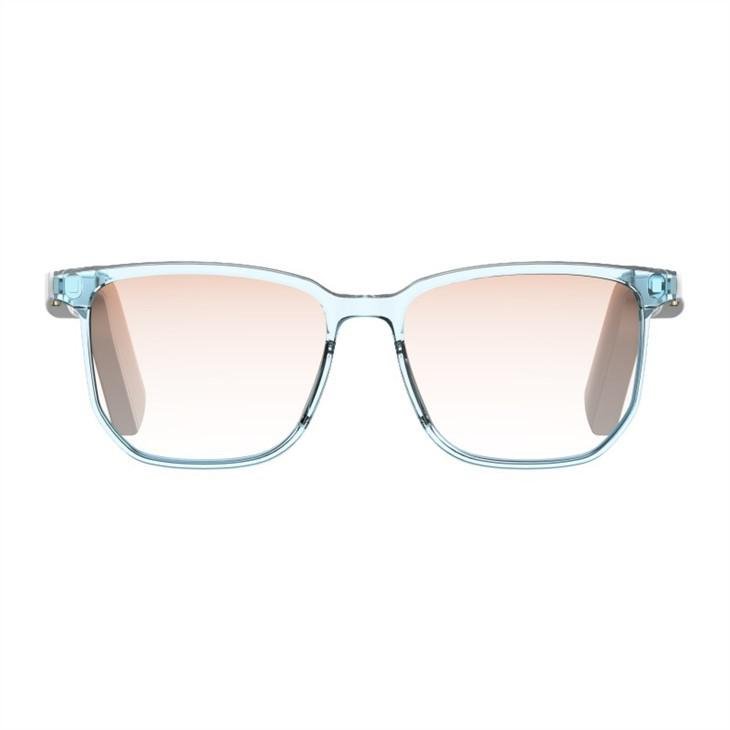
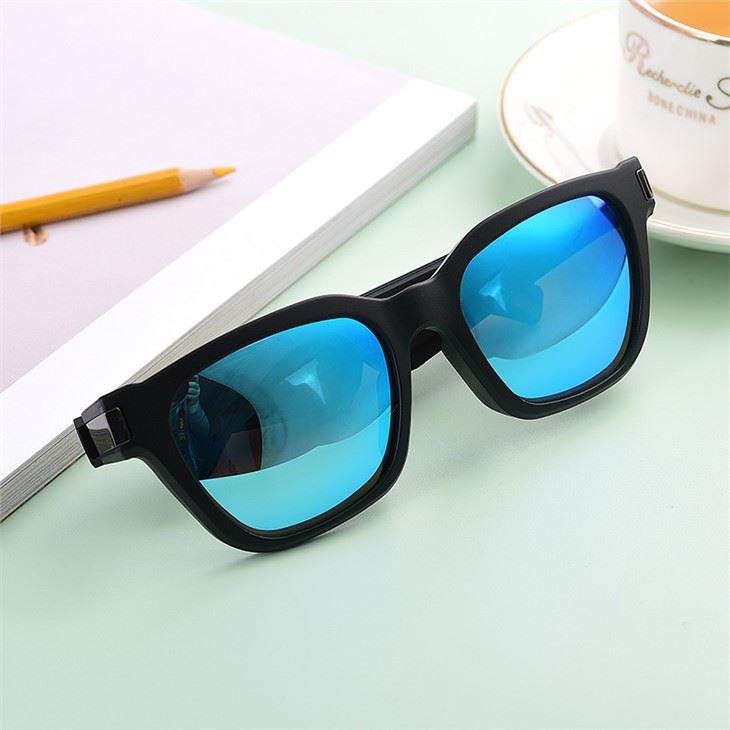
Explore our range of smart polarized sunglasses to see how we approach product development and packaging integration for different market segments. For brands seeking unique combinations of audio technology and UV protection, our anti-ultraviolet music glasses demonstrate how thoughtful packaging design complements innovative products.
The right packaging protects your products, elevates your brand, and contributes to customer satisfaction that drives repeat purchases and referrals. Invest the time and resources to get it right—your bottom line will reflect the returns.
Market Trends Shaping Smart Glasses Packaging
The packaging landscape continues evolving rapidly. Several trends deserve attention from brands planning their packaging strategy for current and future products.
Sustainability has shifted from differentiator to expectation. Consumers increasingly expect responsible packaging choices, and regulatory pressure continues intensifying globally. This doesn't necessarily mean expensive materials—many sustainable approaches cost less than traditional alternatives while meeting environmental expectations. Recycled content, reduced material weights, and improved recyclability address these concerns without compromising protection.
Unboxing as marketing has become central to product strategy for many brands. The visual and emotional experience of opening a package drives social sharing, reviews, and brand perception. Packaging designed with this experience in mind—considering how it looks in unboxing videos and photos—creates marketing value beyond mere protection and branding.
Smart packaging technologies are emerging from novelty toward mainstream adoption. NFC tags, augmented reality experiences, and connected packaging that tracks authenticity and enables replenishment orders represent innovation directions worth monitoring. These technologies add cost and complexity but may deliver sufficient value for specific brands and products.
Minimalist design continues trending, with many brands embracing cleaner aesthetics, reduced visual clutter, and simpler color palettes. This approach often aligns with sustainability objectives—fewer materials, less ink, lighter weights—while communicating sophistication and confidence. The absence of visual noise can actually strengthen brand perception when executed well.
Table: Smart Glasses Packaging Material Comparison
| Material | Protection Level | Cost Range | Sustainability | Best For |
|---|---|---|---|---|
| Rigid Box + EVA Foam | Excellent | $$$ | Moderate | Premium Smart Glasses |
| Molded Pulp + Printed Box | Good | $$ | High | Eco-conscious Brands |
| Corrugated + Foam Insert | Very Good | $ | Moderate | Volume/E-commerce Focus |
| Kraft Paper + Fabric Liner | Moderate | $$ | High | Lifestyle/Sports Brands |
| Rigid + Magnetic Closure | Excellent | $$$ | Moderate | Luxury Positioning |
Each material approach offers distinct advantages. The optimal choice depends on your specific circumstances—brand positioning, target markets, volume projections, and sustainability commitments. Discuss these tradeoffs with your manufacturing partner to identify the approach that best serves your objectives.
Packaging decisions made early in your product development process create ripple effects throughout your business. Choose thoughtfully, partner wisely, and remember that the box your product arrives in becomes part of your brand story. Make it a story worth sharing.
