
Posted At: Nov 05, 2026 - 46 Views

The smart glasses industry has evolved from a futuristic concept into a multi-billion dollar market that is reshaping how businesses operate and consumers interact with digital content. For B2B buyers, distributors, and brands seeking manufacturing partnerships, understanding the current market landscape is essential for making informed sourcing decisions in the smart glasses OEM and ODM sector.
Global Smart Glasses Market Overview
The smart glasses market has demonstrated remarkable resilience and growth despite earlier predictions of slow adoption. Industry analysts now project the global market to reach significant milestones in the coming years, with compound annual growth rates that outpace many consumer electronics categories.
Major technology companies continue to invest heavily in augmented reality (AR) and smart wearable development, signaling confidence in the sector's long-term potential. Enterprise applications have emerged as the primary growth driver, with businesses across healthcare, logistics, manufacturing, and field service sectors deploying smart glasses for training, remote assistance, and hands-free operations.
The consumer segment, while historically slower to adopt, has shown promising signs of expansion as prices decrease and functionality improves. Fashion-forward designs have particularly resonated with younger demographics, creating new market opportunities beyond traditional tech enthusiasts.

Market Segmentation and Application Areas
Understanding the various market segments helps B2B buyers identify the most promising product categories for their business objectives. The smart glasses market can be broadly categorized by technology type, application, and end-user.
Enterprise and Industrial Applications
The enterprise segment dominates current market revenue, driven by clear ROI demonstrations in professional environments. Warehouse operations, maintenance repairs, medical procedures, and remote collaboration have all benefited from smart glasses implementation. Businesses recognize significant productivity gains when workers can access information without interrupting their primary tasks.
Industrial sectors have particularly embraced smart glasses with specialized features such as ruggedized construction, enhanced durability ratings, and compatibility with safety equipment. These requirements create opportunities for manufacturers who can deliver customized solutions meeting specific industry standards.
Consumer and Lifestyle Products
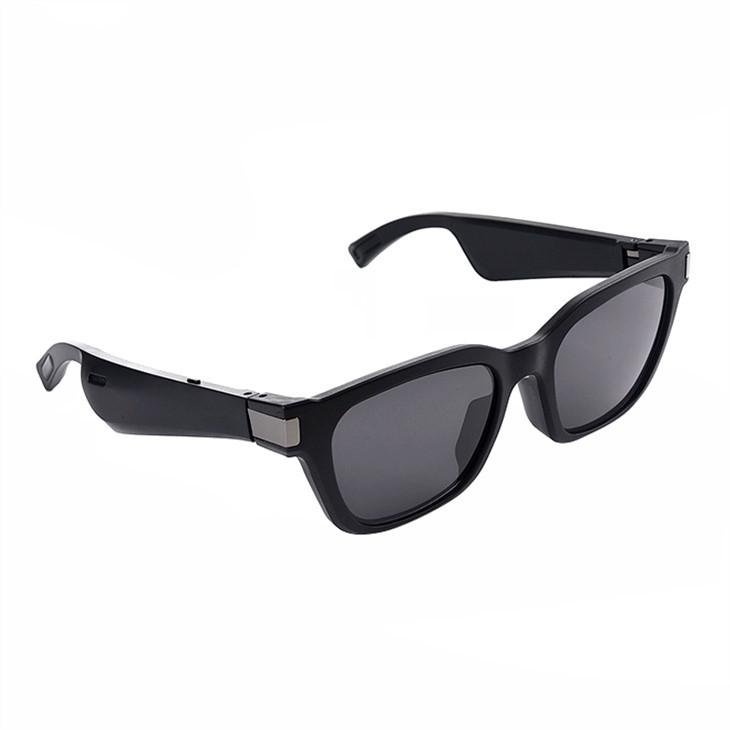
Consumer smart glasses encompass several product categories including audio sunglasses, notification display devices, and camera-enabled wearables. Audio sunglasses have emerged as the most commercially successful consumer category, offering practical benefits like hands-free calling and music playback in a form factor that mirrors traditional eyewear.
The fashion element has become increasingly important in consumer products. Buyers seeking mass-market appeal should prioritize designs that balance technology integration with contemporary aesthetics. The ability to customize frame styles, colors, and finishes significantly impacts market acceptance.
Explore our Smart Fashion Bluetooth Sunglasses collection, which exemplifies how technology and style merge to create consumer-ready products.
Regional Market Dynamics
Geographic distribution of smart glasses demand reveals important patterns for international buyers and distributors. North American and European markets have historically led enterprise adoption, with major corporations implementing smart glasses solutions across various operational contexts.
Asia-Pacific represents the fastest-growing regional market, fueled by manufacturing expansion, increasing consumer purchasing power, and strong government initiatives supporting AR technology development. China specifically has emerged as both a significant market and the dominant manufacturing hub for smart glasses production.
The concentration of electronics manufacturing expertise in China creates compelling advantages for B2B buyers seeking smart glasses production. Access to component suppliers, skilled workforce, and established supply chains positions Chinese manufacturers as ideal partners for brands at various scales of operation.
Technology Trends Shaping Market Growth
Several technological advancements are accelerating smart glasses adoption and creating new market opportunities. B2B buyers should understand these trends when evaluating potential products and manufacturing partners.
Display and Optical Technologies
Waveguide and birdbath optical systems have improved dramatically, enabling sleeker designs while maintaining quality visual overlays. Display resolution, field of view, and brightness have all seen meaningful improvements, making AR experiences more practical and enjoyable.
For applications requiring outdoor use, polarized lens technology addresses a critical user need. Workers and consumers alike require protection from sun glare while maintaining digital functionality. Manufacturers offering polarized smart glasses options address a substantial market segment.
Audio Integration
Directional audio technology has matured significantly, enabling private listening experiences without isolation. Open-ear audio systems allow users to remain aware of their surroundings while enjoying music, calls, or notifications. This balance of immersion and safety proves essential for active lifestyle applications.
Microphone quality for voice commands and calls continues to improve, with beamforming and noise cancellation becoming standard features. These audio capabilities expand use cases across professional communication, navigation assistance, and entertainment.
Battery and Power Management
Extended battery life remains a critical differentiator in the market. Users expect all-day functionality without frequent charging interruptions. Manufacturing advances in battery technology and power-efficient processors enable longer operational periods while maintaining slim form factors.
B2B Sourcing Considerations for Smart Glasses
For brands and distributors entering the smart glasses market, selecting the right manufacturing partner significantly impacts product success. Several factors merit careful evaluation during the supplier selection process.
Manufacturing Capabilities and Quality Standards
Production quality directly affects customer satisfaction and brand reputation. Examine potential partners' quality control processes, certifications, and testing procedures. Experience with consumer electronics safety standards and regulatory compliance demonstrates manufacturing maturity.
Assembly capabilities for complex electronics, water resistance ratings, and drop testing protocols indicate whether a manufacturer can deliver products suitable for various market requirements. Requesting samples and conducting thorough evaluation before large orders reduces risk exposure.
Customization and Design Flexibility
Market differentiation requires products that reflect your brand identity and target audience preferences. Evaluate manufacturers' willingness and ability to accommodate custom designs, materials, colors, and finishing options. The most effective partners collaborate on design optimization while respecting manufacturing constraints.
Software customization capabilities, including branded applications and unique feature sets, provide additional differentiation opportunities. Understanding the technical boundaries of each manufacturer's platform helps set realistic product expectations.
Supply Chain and Component Sourcing
Established component relationships ensure reliable access to critical parts including displays, processors, batteries, and optical elements. Manufacturers with diversified supplier networks demonstrate resilience against component shortages that periodically impact the electronics industry.
Vertical integration capabilities, where manufacturers produce certain components in-house, can offer cost advantages and quality control benefits. However, pure-play assemblers with strong supplier partnerships may provide greater flexibility during market fluctuations.
Competitive Landscape and Market Entry Strategies
The smart glasses market features established technology giants alongside specialized manufacturers and emerging players. This competitive environment creates both opportunities and challenges for new market entrants.
Large technology companies focus primarily on premium, feature-rich products targeting enterprise customers and early technology adopters. This positioning leaves market space for quality mid-range products serving mainstream consumer segments and specialized professional applications.
B2B buyers can leverage this market structure by partnering with manufacturers capable of delivering reliable products at competitive price points. Volume-based pricing becomes particularly attractive as order quantities increase, enabling competitive retail positioning while maintaining healthy margins.
Future Growth Projections and Opportunities
Industry forecasts suggest continued market expansion through the decade, with several factors contributing to sustained growth trajectories. Artificial intelligence integration, 5G connectivity improvements, and declining component costs will collectively expand smart glasses accessibility.
Emerging application areas including navigation assistance, real-time translation, and health monitoring present new market opportunities. As feature sets expand, product categories will become more specialized, creating niche markets for focused brands and distributors.
Our Bluetooth Smart Audio Sunglasses for Cycling demonstrate how specialized product development addresses specific use cases while leveraging core smart glasses capabilities.
Strategic Recommendations for B2B Buyers
Success in the smart glasses market requires strategic planning across product development, manufacturing partnerships, and market positioning. Consider these key factors when developing your market entry or expansion strategy.
Begin with clear product-market fit definitions. Understanding your target customer, their specific needs, and competitive alternatives shapes product requirements and pricing strategies. Products attempting to serve everyone typically resonate with no one.
Invest in relationship building with manufacturing partners. Long-term partnerships yield better results than transactional purchasing arrangements. Manufacturers invested in your success provide preferential treatment, faster response times, and more collaborative problem-solving.
Plan for product iteration and market feedback integration. The smart glasses market evolves rapidly, and successful products adapt based on user feedback and competitive developments. Build flexibility into your product roadmap and manufacturing agreements.
Market Size Data Overview
Current market analysis provides quantifiable context for strategic planning and investment decisions.
| Region | Market Share | Growth Rate |
|---|---|---|
| North America | 28% | 18% CAGR |
| Europe | 24% | 15% CAGR |
| Asia-Pacific | 35% | 25% CAGR |
| Rest of World | 13% | 20% CAGR |
The Asia-Pacific region's combined position as the largest market share holder and fastest-growing region reflects both consumer adoption and manufacturing concentration. For B2B buyers, this means manufacturers in the region possess both production expertise and market proximity advantages.
Partner with Industry-Leading Smart Glasses Manufacturers
Navigating the smart glasses market requires experienced manufacturing partners who understand both technical requirements and market dynamics. Our team specializes in delivering high-quality smart glasses solutions tailored to your specific business needs, from initial design consultation through production and delivery.
We offer comprehensive OEM and ODM services including product customization, packaging design, and logistics optimization. Our manufacturing facilities maintain rigorous quality standards while offering competitive pricing structures that support healthy margins for distributors and brands.
Whether you're launching a new smart glasses product line or expanding an existing portfolio, we provide the manufacturing expertise, production capacity, and collaborative approach that drives market success. Contact our sales team today to discuss your project requirements and discover how we can help bring your smart glasses vision to market.
