
Posted At: May 12, 2026 - 1,580 Views

The Gulf Cooperation Council (GCC) countries are rapidly emerging as pivotal markets for smart wearable technology, with smart glasses positioned as the next significant category for both consumers and enterprise customers. The convergence of Vision 2030 initiatives, substantial consumer spending power, and aggressive digital transformation strategies has created unprecedented opportunities for manufacturers and distributors entering this region.
Understanding the Gulf Smart Glasses Landscape
The Middle East smart glasses market is experiencing a transformation phase, moving beyond early adopter curiosity toward mainstream adoption. Unlike saturated Western markets where smartphone penetration has plateaued, Gulf nations show dynamic growth patterns driven by demographic advantages and government-backed technology initiatives.
The region's younger population—over 60% under the age of 35 in countries like Saudi Arabia and the UAE—demonstrates high receptivity to wearable technology. These consumers view smart glasses not merely as functional devices but as fashion accessories and status symbols, creating demand for products that balance cutting-edge technology with sophisticated aesthetics.
Key Regional Markets and Their Unique Characteristics
United Arab Emirates
The UAE remains the regional leader in smart glasses adoption, driven by Dubai's ambitious smart city initiatives and Abu Dhabi's technology investments. The country's position as a global tourism hub means consumers expect access to the latest technology, while the business-friendly environment facilitates rapid market entry for international brands and manufacturers.
Enterprise adoption is particularly strong in the UAE, with organizations across logistics, healthcare, and hospitality sectors piloting smart glasses solutions for worker productivity and customer service applications. The blend of luxury consumers and forward-thinking enterprises creates multiple market segments for manufacturers to address.
Saudi Arabia
Saudi Arabia's Vision 2030 program has accelerated technology adoption across all sectors, with smart glasses finding applications in mega-project construction, training simulation, and customer-facing retail environments. The Kingdom's large domestic market—over 35 million people—offers scale advantages that attract serious market entrants.
The outdoor lifestyle common in Saudi Arabia creates natural demand for smart sunglasses that combine sun protection with audio and connectivity features. Products like Wireless Bluetooth Smart Sunglasses Hands-Free are particularly well-suited to this market, offering polarized lenses alongside modern connectivity features that complement active lifestyles.
Qatar and Bahrain
Smaller but affluent markets like Qatar and Bahrain offer premium positioning opportunities. These nations' smaller populations translate to higher per-capita spending and faster adoption of premium product categories. Qatar's hosting of major international events has accelerated technology infrastructure development, creating spillover benefits for smart device adoption.
Market Drivers Creating Gulf Opportunities
Several converging factors position the Gulf as an exceptionally promising market for smart glasses:
- Digital Transformation Mandates: Government initiatives across the GCC require enterprise modernization, driving corporate demand for smart glasses in logistics, maintenance, and customer service applications.
- Tourism and Hospitality Investment: Gulf nations are investing billions in tourism infrastructure, with smart glasses serving as both visitor amenities and operational tools for staff training and translation services.
- Extreme Climate Considerations: The region's harsh outdoor conditions—intense sun, high temperatures, sand exposure—create specialized requirements for smart glasses durability, battery performance, and lens technology that savvy manufacturers can address.
- Youth Demographics: The Gulf's young, digitally native population adopts wearable technology at rates exceeding global averages, creating sustained consumer market growth.
- Enterprise Innovation Culture: Gulf corporations maintain competitive positions by deploying cutting-edge technology, making them early adopters of enterprise smart glasses solutions.
Consumer Preferences: What Gulf Buyers Want
Understanding regional preferences is crucial for manufacturers targeting Gulf markets. The following characteristics define successful smart glasses products in this region:
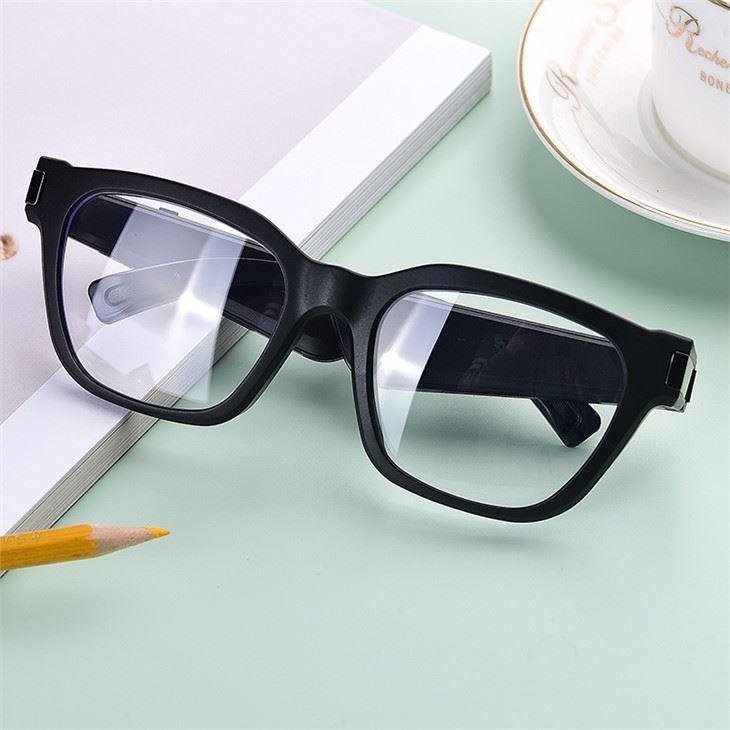
Design Aesthetics
Gulf consumers expect premium materials and sophisticated styling. Metal frames, high-quality acetates, and attention to finishing details distinguish products that command premium pricing. Fashion-forward designs perform particularly well, with consumers viewing smart glasses as an extension of personal style rather than purely functional devices.
The demand for stylish form factors makes products like Fashion Bluetooth Call Glasses especially relevant for this market, combining contemporary aesthetics with practical calling and audio functionality.
Functionality Priorities
Based on regional lifestyle patterns, Gulf consumers prioritize several smart glasses features:
- Superior audio quality for music and calls in outdoor environments
- UV protection and polarized lens options for sun safety
- Extended battery life to support active, mobile lifestyles
- Comfortable fit for extended wearing periods
- Seamless connectivity with popular apps and services
- Water and dust resistance appropriate for regional conditions
Price Sensitivity
Despite high average incomes, Gulf consumers demonstrate sophisticated price-quality evaluation. The market supports premium products but expects corresponding quality and feature sets. Mid-range products with strong feature sets and quality materials capture significant market share, while ultra-budget products struggle due to association with lower quality.
Enterprise and B2B Market Opportunities
Beyond consumer applications, the Gulf enterprise market presents substantial opportunities for smart glasses manufacturers and distributors:
Logistics and Warehousing
Gulf nations' strategic positions as global logistics hubs drive enterprise demand for smart glasses solutions. Warehouse operations, port facilities, and last-mile delivery services benefit from hands-free computing, real-time information access, and augmented reality overlay capabilities for navigation and inventory management.
Healthcare and Medical Training
Healthcare sector investment across the GCC creates opportunities for medical-grade smart glasses applications. Surgical training, remote consultation, and patient record access in clinical settings represent growing enterprise segments where smart glasses add measurable value.
Tourism and Hospitality
Major tourism investments in Saudi Arabia, the UAE, and Qatar drive hospitality sector technology adoption. Hotels, attractions, and tour operators deploy smart glasses for visitor information, language translation, and enhanced experience delivery. These applications require rugged, comfortable devices with extended battery life—characteristics that define successful regional deployments.
Construction and Engineering
Ongoing mega-project development across the Gulf creates demand for smart glasses in construction documentation, remote expert consultation, and training applications. The ability to overlay technical information onto physical environments supports complex project execution in the region's ambitious development programs.
Regulatory and Distribution Considerations
Successful market entry requires understanding regional regulatory frameworks and distribution structures:
Product Certification
Smart glasses entering Gulf markets should obtain relevant certifications, including GCC Conformity Marking for products meeting Gulf Technical Regulations. Regional distributors often require documentation of electromagnetic compatibility, battery safety, and material compliance with regional standards.
Distribution Channels
The Gulf market structure differs significantly from Western markets. Major consumer electronics distributors like Sharaf DG, Jumbo Electronics, and Jarir Bookstore control significant retail channels. Enterprise sales frequently flow through established system integrators and IT distributors with government and corporate relationships.
Online sales are growing but remain secondary to physical retail, where consumers prefer experiencing wearable products before purchase. This preference for in-store evaluation favors distributors with retail presence and product demonstration capabilities.
Partnership Structures
Successful market entry typically involves establishing relationships with regional distributors or exclusive partners. These partnerships provide market knowledge, customer relationships, after-sales support infrastructure, and cultural understanding essential for effective regional operations.
Manufacturing Strategy for Gulf Market Success
For B2B buyers and brands seeking to enter the Gulf market, OEM/ODM manufacturing partnerships offer significant advantages:
Customization Capabilities
Manufacturing partners capable of adapting products to regional preferences—different frame sizes for facial structure variations, lens options appropriate for local conditions, and branding customization—provide competitive advantages in differentiating from standardized imports.
Quality Assurance
Regional consumers and enterprises expect premium quality, making manufacturing partner selection critical. Partners with established quality management systems, component qualification processes, and testing capabilities help ensure products meet expectations and maintain brand reputation.
Supply Chain Considerations
Component sourcing strategies should consider regional climate requirements and available replacement parts for serviceability. Manufacturing partners familiar with Gulf market requirements can advise on appropriate specifications for temperature ranges, humidity resistance, and dust protection ratings.
Product Categories with Strong Gulf Potential
Based on market analysis, several smart glasses categories demonstrate particularly strong potential for Gulf market success:
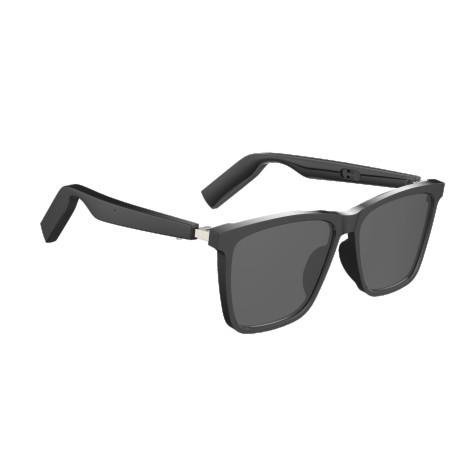
Smart Audio Sunglasses
The combination of sun protection with audio functionality addresses a core Gulf lifestyle need. Open-ear audio systems that allow environmental awareness while delivering quality sound perform well for outdoor activities, driving,, and social situations where traditional headphones feel intrusive.
Hands-Free Calling Glasses
Professional users benefit from integrated calling capabilities that enable phone conversations without reaching for devices. The Gulf's mobile-first culture and business-oriented social norms create natural demand for hands-free calling solutions that maintain professionalism while ensuring connectivity.
Fashion-Integrated Smart Glasses
Glasses that prioritize style while incorporating smart features appeal to fashion-conscious consumers who view wearables as accessories rather than technology products. These products command premium pricing and benefit from careful attention to design and material quality.
Gaming and Entertainment Smart Glasses
Gulf nations' young demographics and high gaming adoption rates create opportunities for smart glasses with entertainment features. Blue light filtering capabilities address growing awareness of digital eye strain, particularly relevant for markets with high screen time exposure.
Competitive Landscape
The Gulf smart glasses market features both global brands and regional competitors. Major international technology companies maintain presence through official distribution channels, while gray market imports and regional brands compete on price. B2B entrants offering differentiated products with strong quality positioning can capture market share from both ends of the competitive spectrum.
Global brands typically focus on high-end consumer segments and enterprise markets, leaving mid-market opportunities accessible for emerging brands with effective distribution partnerships. Products that balance quality, features, and pricing competitively position themselves for successful regional market development.
Market Outlook and Growth Projections
The Gulf smart glasses market is projected to maintain strong growth through 2030, driven by continued digital transformation investment and expanding consumer awareness. Key growth factors include:
| Growth Factor | Impact Level | Timeline |
|---|---|---|
| Vision 2030 Implementation | High | Ongoing |
| Tourism Infrastructure Expansion | High | 2024-2030 |
| Enterprise Digitalization | Medium-High | Ongoing |
| 5G Network Expansion | Medium | 2024-2026 |
| Consumer Awareness Growth | Medium | Ongoing |
Strategic Recommendations for Market Entry
B2B buyers and distributors considering Gulf market entry should approach the opportunity with strategic clarity:
Begin with market-specific product selection. Not every smart glasses product translates effectively to Gulf markets. Evaluate product-market fit based on regional preferences, climate requirements, and cultural considerations before committing to inventory.
Establish distribution partnerships early. Regional distribution relationships require time to develop and prove. Begin partnership discussions 12-18 months before planned market entry to allow for relationship building, contract negotiation, and channel development.
Invest in product localization. Products that acknowledge Gulf market needs—through appropriate lens options, material choices, and feature prioritization—outperform generic alternatives. Manufacturing partners capable of supporting localization deliver competitive advantages.
Plan for after-sales support. Gulf consumers and enterprise customers expect service support. Distribution partners require manufacturer backup for warranty service, replacement parts, and technical support escalation.
Partner with Smart Glasses Manufacturing Experts
Successfully capturing Gulf market opportunities requires manufacturing partners who understand regional requirements and can deliver products meeting exacting quality standards. Whether seeking established products for rapid market entry or custom development for differentiated positioning, working with experienced OEM/ODM manufacturers accelerates time-to-market and reduces development risk.
Our manufacturing team specializes in smart glasses products optimized for Middle East and Gulf market requirements. From Bluetooth Audio Glasses designed for outdoor environments to Stereo Music Sunglasses combining style with functionality, we offer product solutions and customization capabilities supporting your regional market ambitions.
Ready to explore Gulf market opportunities with a manufacturing partner who understands your requirements? Our team provides consultation on product selection, customization options, and distribution strategy for Middle East market entry. Contact us today to discuss how we can support your smart glasses business development in the Gulf region.
