
Posted At: May 14, 2026 - 2,376 Views

The decision of where to source your smart glasses products represents one of the most consequential choices in your supply chain strategy. As the wearables market continues its explosive growth, with analysts projecting global revenues exceeding $40 billion by 2025, brands and distributors face mounting pressure to secure reliable manufacturing partners who can deliver quality products at competitive price points.
Your supplier location decision impacts everything from your per-unit costs and product quality to your ability to iterate quickly and protect your intellectual property. This guide breaks down the real-world advantages and challenges of working with Chinese smart glasses manufacturers versus local suppliers, providing actionable insights for B2B decision-makers evaluating their options.
Understanding the Smart Glasses Manufacturing Landscape
Before diving into the location comparison, it is essential to understand what modern smart glasses manufacturing actually entails. These devices combine advanced optics, miniaturized electronics, wireless connectivity, battery technology, and sophisticated software integration. The complexity of production requires suppliers with specialized expertise across multiple disciplines.
China has established itself as the dominant force in consumer electronics manufacturing over the past three decades. The Pearl River Delta region, particularly cities like Shenzhen, has become synonymous with electronics production. This concentration has created an ecosystem where components, talent, and supporting services flow seamlessly.
Local suppliers, conversely, offer geographic proximity and cultural familiarity that many Western businesses find valuable. These manufacturers might operate in North America, Europe, or other regions, serving domestic markets with the promise of easier communication and oversight.
Cost Structure: Where the Real Differences Emerge
Perhaps no factor influences supplier selection more heavily than cost. Chinese smart glasses manufacturers benefit from structural economic advantages that translate into competitive pricing for buyers.
Labor costs in China remain significantly lower than in developed economies, even as they have risen substantially over the past decade. More importantly, the complete supply chain ecosystem in regions like Shenzhen means components can be sourced locally, reducing transportation costs and lead times dramatically. When a Chinese factory needs microchips, sensors, or optical components, qualified suppliers often operate within the same metropolitan area.
Local suppliers face higher operating costs across virtually every dimension. Factory floor labor, real estate, regulatory compliance, and business taxation all contribute to elevated cost structures. For commodity products where differentiation is minimal, these cost gaps can determine whether a business remains viable.
However, cost comparison requires nuance. Total cost of ownership encompasses more than unit pricing. Shipping, import duties, quality control visits, communication challenges, and potential rework costs all factor into the equation. For premium smart glasses products where quality and brand reputation matter more than marginal cost savings, local manufacturing might present better overall economics.
Manufacturing Capability and Technical Expertise
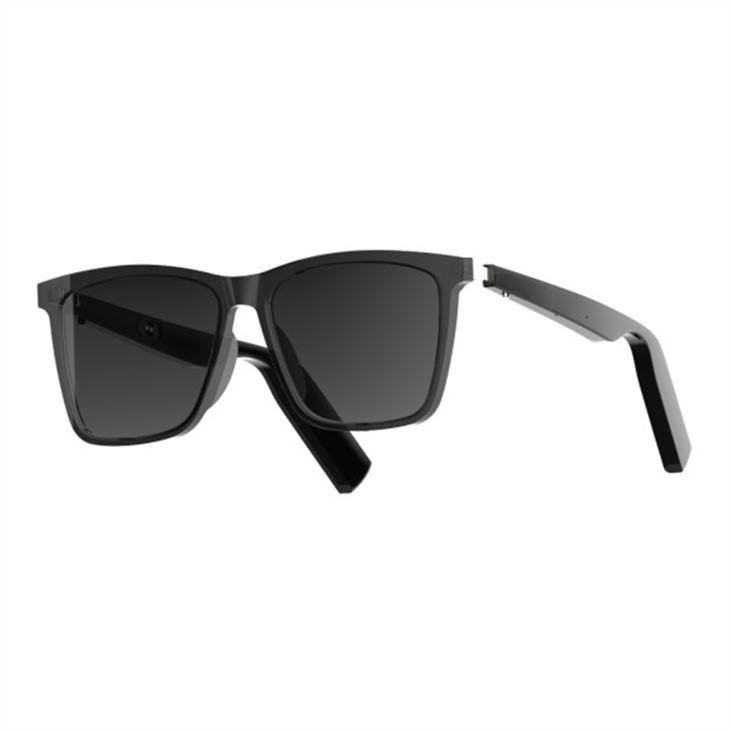
Chinese smart glasses factories have accumulated decades of experience in producing wearable electronics. This expertise manifests in sophisticated production lines specifically configured for assembling delicate electronic devices with precision requirements.
The depth of available manufacturing capacity deserves particular attention. When you partner with a Chinese manufacturer, you typically gain access to production facilities capable of scaling from small prototype runs to hundreds of thousands of units monthly. This flexibility accommodates businesses at every growth stage, from early-stage brands testing market demand to established distributors fulfilling large-scale orders.
Local suppliers often specialize in niche markets or specific product categories. While this specialization can yield exceptional quality in targeted areas, it may also mean limited capacity when your order volume increases. The ecosystem supporting local manufacturers tends to be less developed, potentially creating bottlenecks when specialized components are required.
Quality Control and Consistency Standards
Quality expectations vary across markets and product tiers. Understanding how different manufacturing locations address quality concerns helps buyers align their supplier selection with their brand positioning.
Leading Chinese smart glasses manufacturers have invested heavily in quality management systems. Many operate facilities certified to ISO 9001 standards, implementing rigorous inspection protocols at every production stage. Component traceability systems track parts from raw material through final assembly, enabling rapid identification and resolution of any quality issues that emerge.
The concentration of manufacturing expertise in Chinese industrial zones creates another quality advantage: experienced workforce availability. Workers in these regions have often spent years honing specific assembly skills, developing muscle memory and process knowledge that contributes to consistent output quality.
Local manufacturers may offer advantages in markets with specific regulatory requirements. Products destined for North American or European markets sometimes face certification requirements that local suppliers understand more intimately. However, major Chinese exporters have developed extensive experience navigating international compliance requirements, including FCC, CE, and RoHS certifications.
Supply Chain Resilience and Lead Times
Global supply chain disruptions have elevated supply chain considerations to strategic importance. The COVID-19 pandemic, subsequent shipping challenges, and geopolitical uncertainties have forced businesses to reevaluate their sourcing strategies fundamentally.
Chinese manufacturing hubs offer unparalleled supply chain density. Component suppliers, packaging providers, logistics companies, and specialized service providers cluster around major production centers, creating efficient networks that minimize delays and reduce transportation costs. When unexpected demand spikes occur, Chinese factories can often respond faster due to this ecosystem accessibility.
Lead times from China have historically ranged from 4-8 weeks for production plus 2-4 weeks for ocean shipping to major Western markets. While this timeline requires planning, it has become standard practice for businesses accustomed to international sourcing. Air freight options exist for urgent needs, though at substantially higher costs.
Local suppliers eliminate ocean transit entirely, potentially reducing lead times to 2-3 weeks for standard orders. For businesses requiring rapid replenishment or those selling through retail channels with compressed ordering cycles, this responsiveness might prove valuable despite higher unit costs.
Communication, Collaboration, and Cultural Alignment
Effective communication underpins every successful manufacturing partnership. Language barriers, time zone differences, and cultural variations all influence how smoothly collaborative relationships develop.
Local suppliers offer obvious communication advantages. Face-to-face meetings, real-time conversations without interpreter involvement, and shared cultural contexts reduce misunderstanding risk. When product specifications require nuanced clarification, the ability to work through challenges together physically can accelerate problem-solving.
Chinese manufacturers serving international markets have invested substantially in communication capabilities. Many employ English-speaking account managers and engineers specifically trained to work with Western clients. Time zone accommodations, including extended communication windows, help bridge geographic distance. While cultural differences persist, professional Chinese suppliers have developed sophisticated approaches to cross-cultural collaboration.
Documentation practices also merit consideration. Chinese manufacturers increasingly adopt international business communication standards, using familiar project management tools, detailed specification documents, and transparent reporting formats that align with buyer expectations.
Intellectual Property Protection Considerations
IP concerns frequently surface in supplier location discussions. Some buyers express apprehension about Chinese manufacturing creating exposure for product designs and proprietary technology.
Legitimate Chinese manufacturers understand that their business model depends on maintaining client confidentiality. Reputable factories maintain strict non-disclosure agreements and implement internal controls preventing unauthorized information sharing. Contractual protections, while requiring careful drafting, provide enforceable remedies under Chinese commercial law.
Risk mitigation strategies apply regardless of supplier location. Design differentiation through proprietary components, staggered product releases, and selective information sharing all contribute to protection. Physical security measures, component obfuscation, and firmware encryption provide additional defensive layers.
Local suppliers offer no inherent IP protection advantage. In fact, smaller local manufacturers might possess fewer established procedures for confidentiality management compared to experienced Chinese exporters accustomed to serving international clients.
Minimum Order Quantities and Manufacturing Flexibility
MOQ requirements influence which businesses can work with particular suppliers. Understanding how different manufacturing locations approach minimum commitments helps buyers identify partners aligned with their operational scale.
Chinese manufacturers have developed remarkable flexibility in accommodating diverse client sizes. While some factories maintain high minimums for mass-market products, many offer lower entry points for emerging brands or testing purposes. The competitive landscape in manufacturing regions like Shenzhen creates pressure for factories to accommodate smaller orders, benefiting buyers at earlier growth stages.
Local suppliers may offer smaller minimum commitments for certain product categories, particularly for specialized or custom work. However, higher operating costs mean that low-volume orders often become economically challenging for local factories to service profitably.
Making the Strategic Decision for Your Business
Optimal supplier location depends on your specific circumstances, priorities, and strategic objectives. There is no universally correct answer—the right choice aligns with your brand positioning, volume requirements, quality standards, and operational capabilities.
| Factor | Chinese Manufacturers | Local Manufacturers |
|---|---|---|
| Unit Cost | 15-40% lower typically | Higher but potentially offset by other factors |
| Production Capacity | Easily scalable to massive volumes | May face capacity constraints |
| Lead Time (Production) | 4-8 weeks standard | 2-3 weeks typical |
| Communication | Requires adaptation but increasingly seamless | Direct, immediate, culturally aligned |
| Supply Chain Depth | Unmatched ecosystem density | More limited component access |
For businesses prioritizing competitive pricing, scalable capacity, and access to the world's most developed electronics manufacturing ecosystem, Chinese suppliers offer compelling advantages. The cumulative effect of lower costs, deeper expertise, and comprehensive supply chain integration frequently outweighs the convenience of geographic proximity.
For brands requiring rapid iteration, extremely tight quality specifications for niche markets, or those with limited volume requirements that cannot justify international logistics complexity, local manufacturing might present the better strategic fit.
Partnering with an Experienced Smart Glasses Manufacturer
Regardless of which manufacturing model suits your needs, the specific factory relationship matters more than broad geographic generalizations. Individual supplier capabilities, track records, and commitment to client success vary enormously within any location category.
Due diligence in supplier evaluation, clear contractual terms, and ongoing relationship management contribute to successful partnerships wherever your manufacturer operates. Requesting samples, conducting facility audits, and starting with smaller orders before scaling volume represents prudent practice for any new supplier relationship.
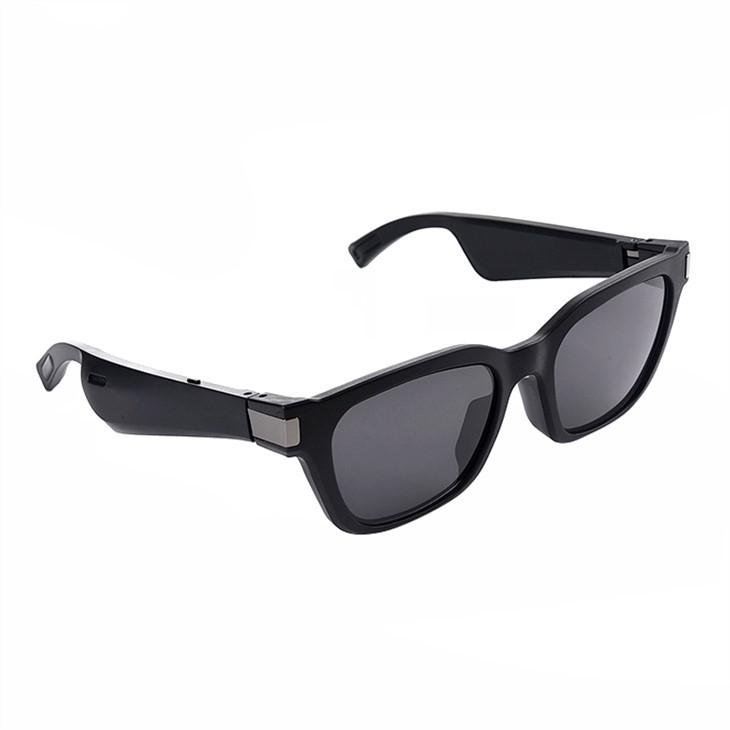
Smart Glasses Factory specializes in delivering turnkey manufacturing solutions for brands, distributors, and businesses seeking premium smart glasses products. Our Shenzhen-based production facilities combine cost-competitive manufacturing with rigorous quality standards and responsive client service.
We invite B2B buyers to explore our fashion smart music glasses collection and bluetooth audio sunglasses with polarized lenses to experience the quality standards we maintain across our product lines.
Ready to discuss your smart glasses manufacturing requirements? Our team welcomes inquiries from brands and distributors evaluating their production options. Share your specifications, volume expectations, and timeline, and we will provide detailed consultation on how we can support your product development and market success.
