
Posted At: Sep 08, 2026 - 74 Views

Macular degeneration represents one of the most significant vision challenges affecting millions of people worldwide. As the leading cause of vision loss among adults over 50, this condition progressively destroys central vision, making everyday tasks like reading, recognizing faces, and driving increasingly difficult. For businesses operating in the optical technology sector, the demand for effective assistive solutions opens substantial commercial opportunities. This comprehensive guide examines how smart glasses technology addresses macular degeneration challenges and why B2B buyers should consider partnering with experienced OEM/ODM manufacturers in China to bring innovative products to market.
Understanding Macular Degeneration and Its Impact
The macula, located at the center of the retina, is responsible for sharp central vision that enables activities like reading, driving, and recognizing details. When macular degeneration develops, patients experience a progressive blur or blind spot in their central vision, though peripheral vision typically remains intact. This condition falls into two categories: dry macular degeneration, which involves gradual thinning of the macula, and wet macular degeneration, characterized by abnormal blood vessel growth that can cause rapid vision deterioration.
Living with macular degeneration significantly impacts quality of life. Patients often struggle with reading medication labels, navigating unfamiliar environments, identifying currency denominations, and maintaining independence in daily activities. These challenges create a substantial market for technological interventions that can partially restore functional vision and reduce the frustration associated with central vision loss. The global aging population continues to increase, ensuring that demand for assistive optical technologies will grow considerably in the coming decades.
How Smart Glasses Transform Visual Assistance
Modern smart glasses designed for visual impairment integrate multiple technologies to compensate for damaged central vision. These devices go far beyond traditional magnifiers or reading glasses, offering adaptive features that respond to the user's specific visual needs. Advanced camera systems capture the wearer's environment in real-time, while sophisticated processing algorithms analyze and enhance the visual information before presenting it back through optimized display systems.
The most effective smart glasses for macular degeneration incorporate several core technologies. Magnification capabilities allow users to zoom in on text and objects, with some devices offering up to 15x magnification that transforms small print into readable content. Contrast enhancement algorithms adjust colors and brightness to improve visibility of edges and details, making it easier to distinguish objects against backgrounds. Text recognition software can identify printed text and convert it to speech, enabling users to listen to books, documents, and signs without straining their remaining vision.
Key Features for Assistive Smart Eyewear
When evaluating smart glasses solutions for macular degeneration, certain features prove essential for effective daily use. Understanding these requirements helps B2B buyers communicate specifications clearly to manufacturing partners and ensures end users receive genuinely useful products.
Adjustable Magnification Systems
Users with varying degrees of vision loss require flexible magnification that can be customized to their specific condition. Look for manufacturers capable of implementing smooth zoom functions, typically ranging from 1x to 15x or higher, with intuitive controls that don't require technical expertise to operate.
High-Quality Camera Integration
The visual input system forms the foundation of any assistive smart glasses product. Manufacturers should utilize cameras capable of capturing detailed images in various lighting conditions, with wide dynamic range capabilities that handle both bright sunlight and dim indoor environments effectively.
Display Technologies
Whether using augmented reality overlays, transparent displays, or bone conduction audio systems, the output method must match user preferences and comfort requirements. Some users prefer visual magnification through the lenses themselves, while others benefit more from audio feedback that describes their visual environment.
Battery Life and Comfort
Extended daily wear requires comfortable fit and adequate battery capacity. Users should be able to wear assistive glasses throughout their normal daily activities without discomfort or frequent recharging interruptions. Premium manufacturing partners understand that technology must serve human needs rather than create new burdens.
The OEM/ODM Manufacturing Advantage
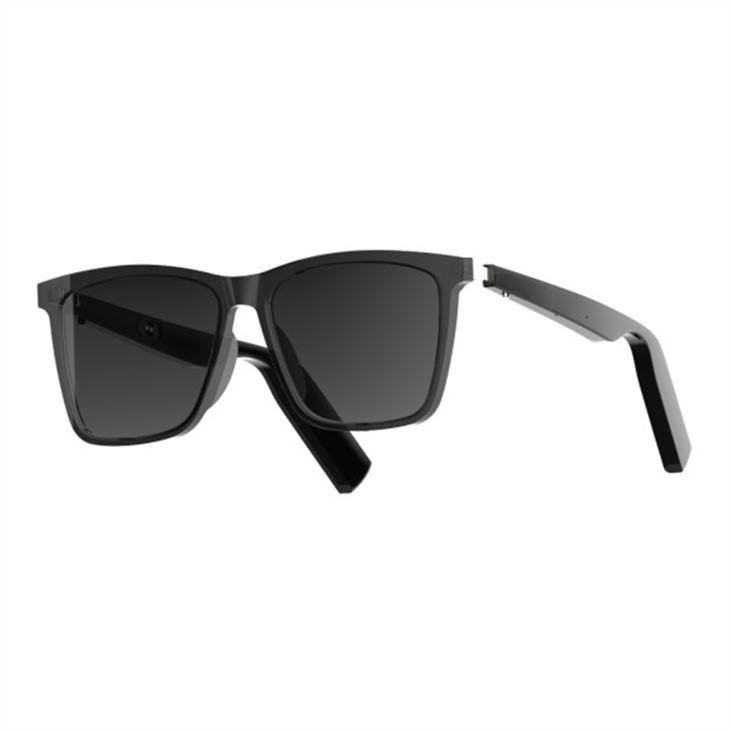
For brands, distributors, and healthcare technology companies entering the assistive smart glasses market, partnering with established Chinese manufacturers offers compelling advantages. China's optical manufacturing infrastructure combines decades of experience with cutting-edge electronics integration capabilities, creating ideal conditions for producing sophisticated assistive eyewear at competitive price points.
OEM (Original Equipment Manufacturing) and ODM (Original Design Manufacturing) partnerships enable businesses to bring products to market without investing in expensive production facilities. Experienced manufacturers handle component sourcing, assembly, quality control, and compliance verification, while partners maintain control over branding, specifications, and market positioning. This model dramatically reduces time-to-market and capital requirements, making innovation accessible to companies of various sizes.
Chinese manufacturing facilities specializing in smart glasses bring particular expertise in the delicate balance between electronics integration and eyewear comfort. These manufacturers understand the unique challenges of fitting technology into wearable form factors while maintaining style, comfort, and durability standards that consumers expect from everyday eyewear.
Market Opportunities in Assistive Vision Technology
The intersection of aging demographics and advancing technology creates substantial growth potential in the assistive vision market. Healthcare systems worldwide increasingly recognize the importance of maintaining independence and quality of life for patients with chronic conditions like macular degeneration. This recognition drives adoption of assistive technologies across healthcare providers, insurance systems, and direct consumer channels.
Distribution partnerships present particularly attractive opportunities for businesses with established healthcare or optical retail networks. Companies can differentiate their offerings by adding proprietary assistive smart glasses to their portfolios, creating value-added solutions that address genuine patient needs while generating healthy margins. The recurring nature of vision health needs also supports long-term customer relationships and repeat business.
Production Specifications and Customization Options
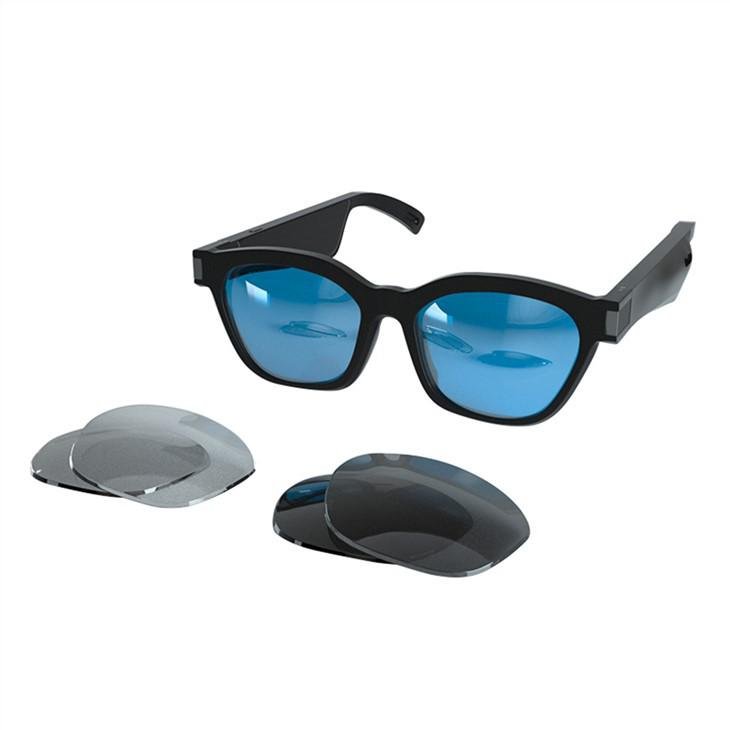
Working with qualified OEM/ODM partners provides access to extensive customization capabilities that can address specific market requirements or regional preferences. Manufacturing facilities equipped for smart glasses production typically offer flexible options across multiple dimensions.
| Specification | Typical Range | Customization Available |
|---|---|---|
| Magnification Level | 1x - 15x continuous | Yes, software configurable |
| Camera Resolution | 8MP - 48MP | Component selection |
| Battery Capacity | 800mAh - 3000mAh | Size/weight trade-offs |
| Frame Materials | TR90, Titanium, Acetate | Full material selection |
| Connectivity | Bluetooth 5.0+, WiFi | Protocol customization |
| Water Resistance | IPX4 - IPX7 | Sealing specifications |
Quality Standards and Regulatory Compliance
Products designed for users with medical conditions require particular attention to quality standards and regulatory requirements. Assistive smart glasses intended for vision impairment support may fall under medical device classifications depending on intended claims and market. Manufacturing partners should demonstrate familiarity with relevant quality management systems and be capable of supporting compliance documentation.
Reputable facilities maintain ISO 9001 quality management certification and implement rigorous testing protocols throughout production. Component-level inspection, assembly verification, and finished product testing ensure consistency and reliability. For markets with specific requirements such as FDA registration, CE marking, or regional healthcare technology certifications, manufacturing partners should provide documentation support and traceability throughout the production process.
Future Directions in Assistive Smart Eyewear
Technology continues advancing rapidly in the smart glasses sector, with improvements in processing power, battery efficiency, and artificial intelligence capabilities opening new possibilities for assistive applications. Machine learning algorithms increasingly enable sophisticated scene understanding, allowing devices to identify objects, describe environments, and provide contextual information that helps users navigate daily life more confidently.
Emerging display technologies promise lighter weight, lower power consumption, and improved visual quality for augmented reality overlays. These advances will enable more comfortable all-day wear and better visual assistance for users with macular degeneration and other vision conditions. Businesses positioning themselves in this market now position themselves to capitalize on continued technological evolution and growing consumer awareness of available solutions.
Partnering for Success in Assistive Vision Technology
The opportunity to serve millions of people affected by macular degeneration with effective, accessible smart glasses technology represents both a commercial opportunity and a chance to make meaningful improvements in users' daily lives. Success in this market requires careful attention to genuine user needs, reliable product quality, and appropriate market positioning.
Companies considering entry into the assistive smart glasses market benefit from partnering with manufacturers who understand both the technical requirements of smart eyewear and the specific needs of vision-impaired users. The right manufacturing partner provides not just production capacity, but engineering expertise, component sourcing relationships, and quality systems that support long-term success.
If your organization is exploring smart glasses manufacturing opportunities for assistive vision applications, connecting with experienced OEM/ODM partners represents a strategic first step. Evaluate potential manufacturing partners based on their experience with similar products, their quality systems, and their willingness to understand your specific market objectives. The combination of effective technology and thoughtful market positioning creates the foundation for successful products that genuinely help users while building sustainable business value.
Explore our smart glasses manufacturing capabilities to discover how we can support your product development and production requirements for assistive vision technology solutions.
