
Posted At: Apr 29, 2026 - 2,761 Views

When your customers demand smart eyewear that survives monsoon seasons, open-water swimming, or industrial washdown procedures, standard water-resistant ratings simply won't suffice. The IP68 rating has become the gold standard for B2B procurement teams sourcing smart glasses that must perform flawlessly when exposed to complete submersion in water. For brands targeting outdoor athletes, maritime workers, or watersport enthusiasts, understanding IP68 certification requirements and manufacturing capabilities can make or break your product line success.
Understanding the IP68 Waterproof Standard
The International Protection Marking, commonly known as IEC 60529, classifies electrical equipment enclosures against solid objects and liquids. The IP rating consists of two digits: the first indicates dust protection (0-6), while the second represents liquid protection (0-9K). An IP68 designation means the device achieved the maximum score for both categories.
The "6" in IP68 refers to complete protection against dust ingress, ensuring no particles can enter the enclosure under any normal operating conditions. The "8" signifies that the manufacturer has tested the device for continuous submersion in water beyond one meter depth, typically at depths ranging from 1.5 meters to 3 meters for durations extending 30 minutes or longer. Unlike lower ratings such as IP67, which only guarantees submersion to 1 meter for 30 minutes, IP68 devices undergo more rigorous testing protocols determined by the manufacturer.
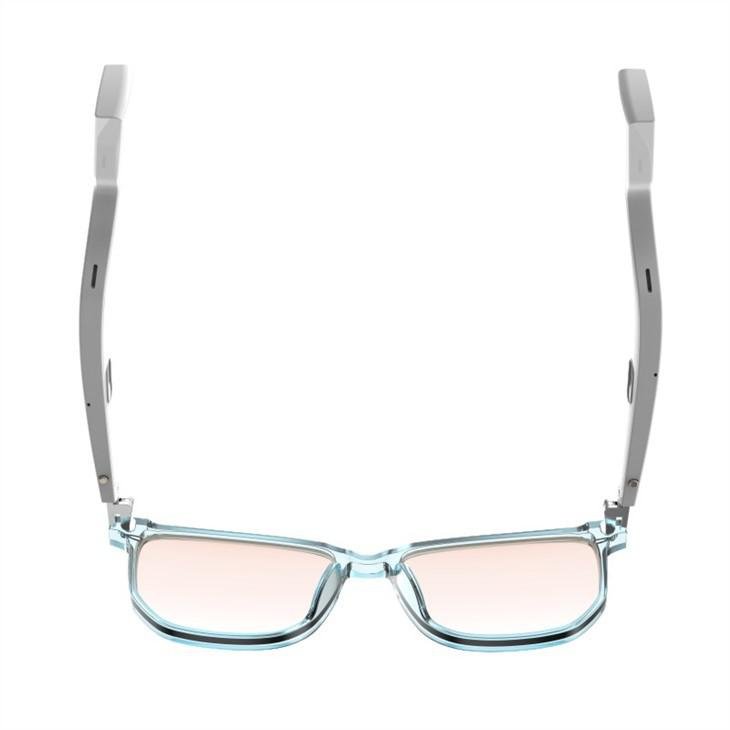
For smart glasses manufacturers, achieving IP68 certification requires meticulous engineering of every potential entry point: speaker grilles, microphone ports, charging contacts, frame hinges, and lens attachments must all incorporate specialized sealing technologies. The difference between IP67 and IP68 compliance often involves proprietary gaskets, silicone molding, and ultrasonic welding techniques that maintain structural integrity during extended water exposure.
Manufacturing Excellence: How Factories Achieve Reliable IP68 Performance
Chinese smart glasses factories with established IP68 capabilities employ multiple engineering strategies during production. Silicone rubber gaskets custom-molded to exact tolerances form the primary seal around electronic compartments, while thermoplastic urethane coatings applied through injection molding create secondary barriers against moisture penetration. Every component undergoes individual leak testing before final assembly.
Our manufacturing partners utilize advanced pressure chamber testing equipment that simulates submersion conditions during quality control. Each finished unit receives automated immersion testing where sensors detect any microscopic leaks that human inspectors might miss. This production-line verification ensures batch consistency that international buyers demand when sourcing thousands of units for distribution networks.
The choice of materials significantly impacts long-term waterproof performance. High-grade nylon composites and ABS plastics with integrated sealing flanges outperform cheaper alternatives that may degrade after repeated thermal cycling or UV exposure. Premium factories source raw materials from certified suppliers and maintain traceability documentation that B2B quality assurance teams require.
Real-World Applications Driving IP68 Smart Glasses Demand
Market research indicates that watersport participation has grown substantially over the past five years, creating expanding opportunities for brands offering protective smart eyewear. Surfing, kayaking, paddleboarding, and recreational swimming enthusiasts consistently rank water damage as their primary concern when purchasing electronic sunglasses or sports glasses. An IP68-certified product directly addresses this pain point, enabling manufacturers to target high-value market segments with confidence.
Commercial and industrial applications present equally compelling opportunities. Construction workers operating in rainy conditions, fishing guides spending entire days on open water, and maritime logistics personnel require eyewear that maintains functionality regardless of weather exposure. These professional users often represent institutional purchasing channels that place large-volume orders with extended product lifecycle expectations.
Fitness tracking integration has become standard in modern smart glasses, and swimmers particularly benefit from devices that accurately measure stroke count, distance, and heart rate during water workouts. Waterproof smart glasses with built-in GPS and biometric sensors serve an underserved market segment where competitors offering only splash-resistant products cannot compete.
Key Features to Evaluate When Sourcing IP68 Smart Glasses
B2B buyers should verify several critical specifications before committing to manufacturing partnerships. First, confirm the exact testing depth and duration that factory certifications guarantee. Some manufacturers specify IP68 compliance at 1.5 meters for 30 minutes, while others test at depths reaching 3 meters for up to 60 minutes. Your target application should determine which specification provides adequate safety margins.
Battery compartment sealing deserves particular attention since lithium-ion cells generate heat during operation, creating internal pressure fluctuations that stress seals over time. Quality manufacturers incorporate pressure equalization membranes that prevent seal compression while blocking water ingress. These micro-valves allow air passage while maintaining waterproof integrity throughout the product lifespan.
Optical component protection requires specialized consideration. Lenses must maintain anti-fog and anti-scratch properties even after repeated water exposure. Premium factories apply multi-layer coatings that resist degradation from saltwater, chlorine, and freshwater environments. UV400 protection ratings should remain consistent regardless of waterproof construction methods.
Comparing Waterproof Standards: Making the Right Selection
| Rating | Dust Protection | Water Protection | Best Application |
|---|---|---|---|
| IP54 | Limited dust ingress | Splashing from any direction | Light rain, sweat resistance |
| IP65 | Complete dust tight | Water jet protection | Heavy rain, water sports |
| IP67 | Complete dust tight | 1m submersion, 30 minutes | Accidental drops, brief immersion |
| IP68 | Complete dust tight | 1.5-3m submersion, 30+ minutes | Swimming, diving, professional watersports |
This comparison demonstrates why IP68 smart glasses serve a distinct market segment where lower ratings cannot provide adequate protection. For brands targeting professional or extreme water sports markets, IP68 certification represents a minimum requirement rather than a premium feature.
Design Considerations for IP68 Smart Eyewear
Industrial designers working with waterproof smart glasses face unique challenges that conventional eyeglass design rarely encounters. Structural requirements for pressure resistance often result in slightly bulkier frame profiles, though modern manufacturing techniques have minimized aesthetic trade-offs. Premium factories balance protection requirements with fashion-forward aesthetics that appeal to mainstream consumers.
Component selection requires careful vendor management. Touch sensors, bone conduction speakers, and microphone arrays must all integrate seamlessly with waterproof enclosures. Factories with established IP68 experience maintain preferred component suppliers whose products consistently pass waterproof assembly requirements. B2B buyers should inquire about specific component sources when evaluating manufacturing partnerships.
Charging solutions present particular design challenges for waterproof smart glasses. USB-C and proprietary magnetic charging connectors must incorporate sealing mechanisms that maintain waterproof integrity during regular use. Some manufacturers opt for fully enclosed designs with wireless charging capabilities, eliminating physical connectors entirely. This approach simplifies waterproof construction while introducing alternative engineering requirements.
Quality Assurance Protocols for Waterproof Smart Glasses
Reputable factories implement multi-stage quality control processes specifically designed for waterproof products. Incoming material inspection verifies that plastic pellets, rubber compounds, and electronic components meet specification requirements before entering production. Statistical process control monitors assembly parameters throughout manufacturing runs, identifying drift before quality escapes occur.
Finished goods testing for IP68 products typically includes multiple verification methods. Hydrostatic pressure testing submerses samples in pressurized chambers to verify seal integrity under simulated depth conditions. Thermal shock testing cycles products between extreme temperatures to ensure sealing materials maintain flexibility after environmental conditioning. Drop tests confirm that waterproof structures survive reasonable handling without compromising protection ratings.
International standards compliance testing from accredited laboratories provides third-party verification that B2B buyers can trust. Factories should provide test reports from recognized certification bodies demonstrating compliance with IEC 60529 requirements. Documentation should specify exact test conditions including depth, duration, water temperature, and sample quantity to enable accurate comparison between supplier offerings.
Cost Considerations for IP68 Smart Glasses Manufacturing
Waterproof construction inherently increases production costs compared to standard smart glasses without sealed enclosures. Specialized materials, additional assembly steps, and rigorous testing protocols contribute to higher per-unit costs. However, the premium pricing achievable for IP68-certified products typically generates superior margins that justify increased investment for brands targeting specialty markets.
Economies of scale apply to waterproof smart glasses manufacturing, though the learning curve for achieving consistent quality may extend initial production runs. Established factories with proven IP68 track records can deliver competitive pricing for volumes exceeding 1,000 units monthly. B2B buyers should request volume pricing tiers and minimum order quantities during supplier evaluation processes.
Total cost of ownership calculations should factor in warranty replacement rates. Products with inferior waterproofing often experience higher failure rates within 12-18 months, creating hidden costs through returns processing, replacement fulfillment, and brand reputation damage. Investing in properly certified IP68 products from the outset typically reduces overall costs when considering product lifecycle economics.
Partnering with the Right Smart Glasses Factory
Selecting a manufacturing partner for IP68 smart glasses requires evaluating multiple factors beyond simple unit pricing. Factory certifications including ISO 9001 quality management and ISO 14001 environmental management demonstrate commitment to systematic processes that large-scale production demands. Production facility tours, whether virtual or in-person, enable direct assessment of equipment, workflows, and quality control implementation.
Communication capabilities significantly impact successful partnership outcomes. Time zone differences between China-based factories and Western brand teams require clear communication protocols and responsive escalation paths. Quality reporting formats, production milestone tracking, and shipping documentation should align with buyer internal processes to minimize administrative friction.
Design for manufacturing support distinguishes premium partners from basic contract assemblers. Factories with experienced engineering teams can suggest modifications that improve waterproof performance, reduce assembly complexity, or enhance component reliability. These value-added contributions often prove more valuable than unit price negotiations for brands seeking long-term competitive advantages.
Future Trends in Waterproof Smart Eyewear Technology
Advancing micro-electronics miniaturization continues enabling more powerful features within waterproof enclosures. Next-generation chipsets consume less power while delivering enhanced processing capabilities, reducing thermal management challenges that affect seal longevity. Battery technology improvements enable longer runtime between charges, reducing charging frequency and associated seal stress cycles.
Material science innovations promise future waterproof smart glasses with thinner, lighter constructions that maintain current protection levels. Graphene-enhanced composites and advanced polymer blends offer strength-to-weight ratios exceeding conventional materials. Self-healing surface treatments may eventually enable seal repair following minor damage, extending product lifespans in demanding applications.
Sustainability requirements increasingly influence smart glasses design, including waterproof products. Recycled ocean plastics, bio-based polymers, and reduced chemical formulations address brand environmental commitments while meeting performance requirements. Forward-thinking factories have already developed product lines incorporating recycled materials without compromising IP68 certification requirements.
Ready to Source IP68 Smart Glasses for Your Brand?
The market opportunity for waterproof smart glasses continues expanding as consumer awareness of IP68 benefits grows. B2B buyers who establish manufacturing partnerships now position their brands to capture market share in this specialized segment before competitors saturate the channel. Quality-focused factories with proven IP68 expertise represent valuable long-term partners for brands committed to product excellence.
Our team connects B2B buyers with verified smart glasses manufacturers offering certified IP68 production capabilities. Whether you require standard waterproof designs or custom engineering for specialized applications, we can facilitate introductions to factory partners matching your technical and volume requirements. Request detailed quotations including material specifications, testing protocols, and certification documentation to begin evaluating options for your next product line.
