
Posted At: Jul 15, 2026 - 1,597 Views

In the competitive landscape of smart wearables, the humble hinge often determines whether a product survives daily use or fails prematurely. For brands and distributors sourcing smart glasses from manufacturers in China, understanding hinge engineering can mean the difference between a reliable product line and a wave of costly returns. The hinge represents one of the most mechanically stressed components in any foldable eyewear, yet it frequently receives less attention than displays, batteries, or processors during product development discussions.
Why Hinge Engineering Matters for Smart Glasses
Smart glasses face unique mechanical challenges that traditional eyewear never encountered. Beyond the standard requirements of comfortable fit and smooth operation, these devices must accommodate delicate electronic components, ensure proper alignment of optical elements, and maintain structural integrity despite continuous flex cycles. The hinge must transfer loads evenly across the frame while protecting embedded sensors, speakers, and connectivity modules from mechanical stress.
Manufacturing facilities specializing in smart eyewear understand that a poorly designed hinge creates cascading problems. Frame misalignment leads to optical distortion in AR applications. Excessive friction damages delicate wiring routed through the hinge mechanism. Material fatigue causes catastrophic failure after just months of normal use. These issues erode brand reputation and drain profit margins through warranty claims and replacements.
Material Selection in High-Performance Hinge Construction
Modern smart glasses hinges leverage advanced materials engineered for specific performance characteristics. Aerospace-grade titanium alloys offer exceptional strength-to-weight ratios, making them ideal for premium product lines where consumers expect featherlight comfort without compromising durability. The corrosion resistance of titanium also proves valuable for lifestyle products exposed to sweat, sunscreen, and environmental moisture.
Premium metal hinges often incorporate stainless steel components where maximum wear resistance becomes critical. High-carbon stainless alloys maintain mechanical properties through thousands of open-close cycles, ensuring consistent spring tension throughout the product lifespan. Some manufacturers apply specialized coatings such as physical vapor deposition (PVD) to enhance surface hardness and introduce subtle color variations that complement frame aesthetics.
For volume-oriented product tiers, engineering-grade polymers provide compelling value propositions. Glass-filled nylon compounds deliver impressive rigidity alongside impact resistance, while maintaining the design flexibility required for complex hinge geometries. These materials absorb vibration effectively, protecting sensitive electronics from mechanical shocks during everyday activities.
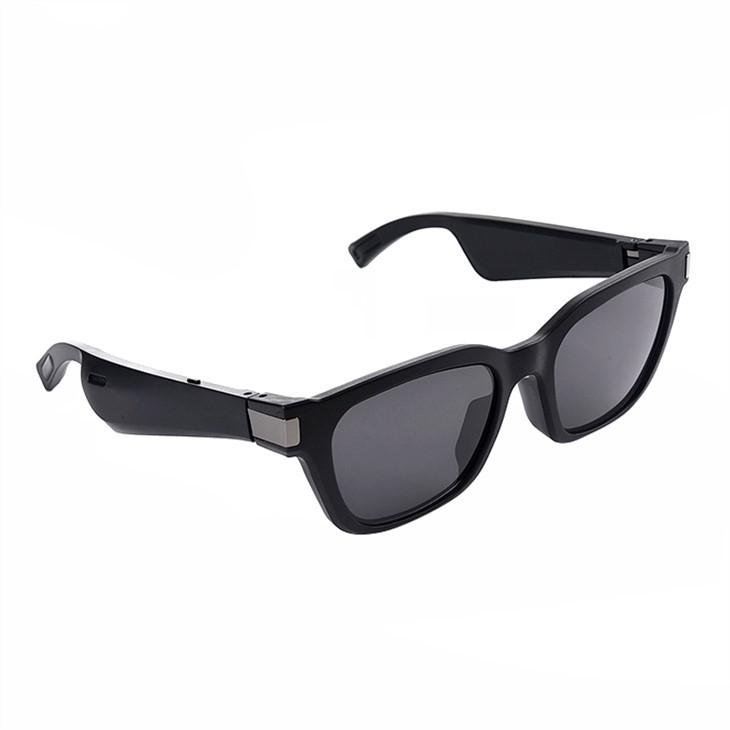
Precision Engineering Principles in Hinge Design
Effective hinge engineering begins with comprehensive load analysis during the design phase. Engineers map stress distributions across the hinge mechanism under various operating conditions, identifying potential failure points before manufacturing tooling gets committed. Finite element analysis (FEA) simulations predict how different geometries respond to repetitive loading, enabling optimization of wall thickness, rib placement, and material distribution.
Torque management emerges as a critical design parameter. The hinge must provide sufficient resistance to maintain the desired viewing angle while requiring minimal force for user operation. Too much torque creates user fatigue during repeated adjustments. Too little torque causes frames to slip down the nose during active use. Skilled engineers balance these competing requirements through careful spring rate calibration and friction coefficient management.
Manufacturers implementing world-class quality systems recognize that tolerance stack-up significantly impacts hinge performance. Each component within the hinge assembly carries dimensional tolerances that compound during assembly. Top-tier factories employ precision machining centers capable of achieving tolerances measured in microns, ensuring consistent torque characteristics across production volumes numbering in the hundreds of thousands.
Durability Testing Protocols for Smart Eyewear Hinges
Reputable smart glasses factories subject hinge designs to rigorous accelerated life testing before approving production. Standard protocols often include thousands of open-close cycles under controlled loads, simulating years of typical use within compressed timeframes. Testing machines measure torque degradation across the test duration, flagging designs that exhibit excessive performance drift.
Environmental testing chambers expose hinge assemblies to extreme temperature cycles, humidity extremes, and salt spray conditions. These tests verify that material properties remain stable across the operating envelope, preventing field failures in diverse climate conditions from Scandinavian winters to tropical summers. Corrosion resistance testing proves particularly relevant for products targeting outdoor enthusiasts, athletes, and maritime applications.
Drop testing and impact resistance verification ensure hinges withstand the inevitable mishandling that occurs in real-world use. Engineering teams define specific drop heights and impact points based on anticipated consumer behavior patterns. The Waterproof Sports Polarized Glasses demonstrate how rigorous testing protocols translate into products capable of surviving demanding active lifestyles.
Manufacturing Excellence in Hinge Production
Consistent hinge quality requires investment in specialized manufacturing equipment. Computer numerical control (CNC) machining centers provide the precision necessary for metal components, while injection molding presses with tight process control deliver repeatable polymer parts. Many facilities employ multi-axis machining to create complex hinge geometries that would prove impossible through conventional manufacturing approaches.
Surface finishing operations significantly impact hinge performance and longevity. Polishing processes remove machining marks that could initiate crack propagation under cyclic loading. Anodizing or plating treatments create protective barriers against corrosion while enabling aesthetic customization. Quality-conscious factories maintain separate production lines for different finishing operations, preventing cross-contamination that could compromise coating adhesion.
Assembly processes demand equal attention to achieve reliable hinge function. Automated pressing operations ensure consistent insertion force during hinge pin installation. Ultrasonic welding or adhesive bonding secures electronic leads routed through the hinge area. Some manufacturers employ vision systems to verify component orientation before final assembly, preventing the alignment errors that cause premature failure.
Design for Manufacturability Optimization
Forward-thinking smart glasses factories integrate design for manufacturability (DFM) principles early in product development. Engineers collaborate with brand partners during conceptualization phases, identifying opportunities to simplify hinge designs without sacrificing performance. Reduced part counts lower manufacturing costs while improving reliability by eliminating potential failure points.
Standardization strategies enable factories to leverage proven hinge architectures across multiple product platforms. Modular designs incorporate interchangeable spring cartridges, allowing torque characteristics to be adjusted without complete redesign. This approach accelerates time-to-market for brand partners while benefiting from accumulated reliability data from previous deployments.
Advanced simulation tools predict manufacturing variability before tooling gets machined. Engineers explore tolerance ranges computationally, identifying insensitive design regions where minor process variations produce minimal performance impact. This proactive approach reduces scrap rates and eliminates the costly design iterations that plague less sophisticated development processes.
Cost-Quality Balance in Hinge Manufacturing
B2B buyers must navigate the inherent tradeoffs between hinge cost and performance characteristics. Premium materials and precision machining command higher unit costs but deliver superior durability and user satisfaction. Volume considerations significantly impact pricing structures, as dedicated tooling amortization spreads across larger production runs.
Strategic sourcing decisions can optimize total cost of ownership beyond initial unit pricing. A slightly more expensive hinge that reduces field failures by half generates substantial savings through avoided warranty costs, shipping expenses, and brand damage. Sophisticated procurement teams analyze total lifecycle costs rather than focusing exclusively on piece price negotiations.
Factories offering flexible manufacturing capabilities provide valuable options for brands at different market positions. A single facility might produce entry-level products featuring injection-molded hinges alongside premium lines incorporating machined titanium components. This versatility enables brands to launch across multiple market segments without sacrificing supply chain simplicity.
Partnering with Experienced Smart Glasses Manufacturers
Selecting the right manufacturing partner requires evaluating more than pricing structures. Technical capabilities, quality systems, and engineering support capacity differentiate exceptional partners from commodity assemblers. Facilities demonstrating comprehensive hinge expertise typically maintain dedicated engineering teams, extensive testing laboratories, and documented process capabilities.
Communication efficiency proves equally important for successful partnerships. Time zone alignment, language capabilities, and cultural compatibility influence project velocity and issue resolution effectiveness. Chinese manufacturers with established track records serving international brands typically offer sophisticated project management interfaces that bridge geographic distance.
Quality certifications provide objective validation of manufacturing competence. Facilities demonstrating ISO 9001 compliance maintain systematic approaches to process control and continuous improvement. Automotive industry certifications such as IATF 16949 indicate manufacturing rigor suitable for demanding applications. These credentials suggest that hinge production occurs within controlled environments meeting international quality standards.
Future Trends in Smart Glasses Hinge Technology
Emerging material technologies promise continued hinge performance improvements. Shape-memory alloys can theoretically adapt mechanical properties based on temperature conditions, potentially enabling automatic temple angle adjustments. Composite materials combining metallic strength with polymer corrosion resistance may enable novel hinge architectures previously impractical with conventional materials.
Miniaturization pressures drive innovation in compact hinge designs. As smart glasses trend toward sleeker profiles, engineers must pack equivalent mechanical function into reducing form factors. This challenge requires creative solutions including integrated hinges that combine multiple functions within single components.
Sustainability considerations increasingly influence material selection decisions. Manufacturers explore recycled metals, bio-based polymers, and reduced-plating finishing processes to address environmental concerns from brand partners and end consumers. These emerging requirements create both challenges and opportunities for factories capable of adapting production processes.
Making Informed Sourcing Decisions
Understanding hinge engineering fundamentals empowers B2B buyers to evaluate manufacturing partners more effectively. Questions about material specifications, testing protocols, and process capabilities reveal how seriously potential partners approach this critical component. Factories confident in their hinge expertise typically welcome detailed technical discussions rather than deflecting with generic reassurances.
Requesting hinge samples for independent testing provides valuable validation before committing to production partnerships. Third-party laboratory analysis can verify material compositions, dimensional accuracy, and mechanical performance against specifications. This due diligence investment often proves trivial compared to potential costs from quality escapes reaching end consumers.
The Bluetooth Smart Polarized Sunglasses exemplify how mature manufacturing expertise translates into products meeting demanding performance requirements. These products demonstrate reliable hinge function through thousands of development iterations and comprehensive validation testing.
Building long-term relationships with capable manufacturing partners creates compounding advantages over transactional procurement approaches. Shared learning across multiple product generations enables continuous improvement in hinge design and manufacturing efficiency. Partners invested in mutual success work proactively to identify optimization opportunities that benefit both parties.
Conclusion for Your Smart Glasses Manufacturing Journey
Hinge engineering represents a critical success factor in smart glasses product development that deserves serious attention from B2B buyers and brand managers. The materials, precision, and testing protocols employed by manufacturing partners directly impact product reliability, brand reputation, and total cost of ownership. Understanding these technical foundations enables more effective vendor evaluation and partnership selection.
Ready to discuss your smart glasses hinge requirements with experienced engineers? Our team welcomes detailed technical conversations exploring how we can support your product vision with manufacturing excellence. Visit our product portfolio to discover the range of smart eyewear currently in production, then reach out to schedule a consultation with our engineering team.
