Posted At: Apr 09, 2026 - 2,259 Views

The landscape of modern surgery is undergoing a profound transformation. Surgeons are increasingly adopting smart glasses technology to enhance precision, improve patient outcomes, and streamline collaborative workflows within operating rooms. These wearable devices are no longer futuristic concepts but practical tools that address real challenges faced by medical professionals daily.
For B2B buyers, distributors, and brands seeking to enter this growing market, understanding the intersection of wearable technology and surgical applications presents significant opportunities. Medical facilities worldwide are investing in solutions that reduce surgical complications, minimize procedure times, and enhance the training of junior surgeons. Smart glasses manufacturers who can deliver reliable, medical-grade devices stand to capture substantial market share in this expanding sector.
The Evolution of Surgical Visualization
Traditional surgical visualization relied heavily on stationary monitors, physical charts, and verbal communication between team members. This approach often required surgeons to look away from the operative field, disrupting their focus and potentially extending procedure times. The introduction of heads-up displays and wearable computing has fundamentally changed this dynamic.
Modern smart glasses for surgeons integrate high-resolution displays, advanced sensors, and wireless connectivity to present critical information directly within the surgeon's field of vision. Patient vitals, imaging data, surgical plans, and real-time guidance can all be accessed without requiring the surgeon to shift attention from the operative site. This seamless information flow represents a paradigm shift in how surgical procedures are planned and executed.
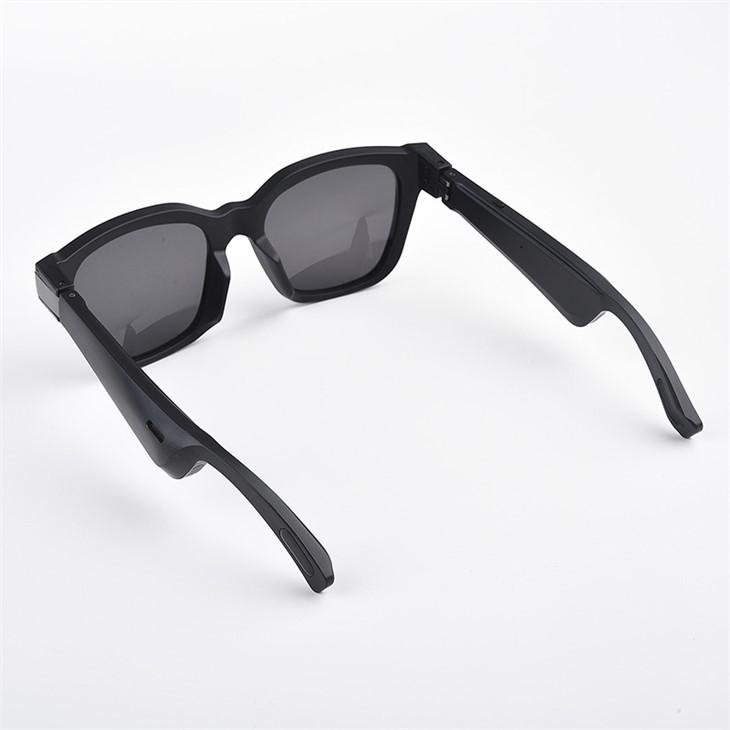
Our directional audio smart glasses exemplify the specialized hardware required for demanding medical environments. The ability to deliver crystal-clear audio while maintaining awareness of surrounding sounds proves essential in operating room settings where ambient communication remains vital.
Key Applications in Surgical Environments
Real-Time Imaging Overlay
One of the most impactful applications of smart glasses in surgery involves the overlay of medical imaging directly onto the surgeon's view. Pre-operative CT scans, MRI data, and ultrasound images can be registered to patient anatomy, allowing surgeons to visualize internal structures beneath the surface being operated on. This capability proves particularly valuable in complex procedures such as orthopedic surgeries, neurosurgical interventions, and minimally invasive abdominal operations.
The precision required for these applications demands sophisticated tracking systems and high-quality displays. Medical-grade smart glasses must maintain sub-millimeter accuracy in image overlay while remaining comfortable enough for extended surgical procedures lasting several hours. These technical requirements distinguish medical applications from consumer-grade wearable devices.
Remote Expert Consultation
Smart glasses enable unprecedented collaboration capabilities in surgical settings. A surgeon performing a challenging procedure can share their exact viewpoint with remote experts, receiving real-time guidance without requiring physical presence. This capability proves transformative for teaching institutions, rural hospitals lacking specialized expertise, and complex cases requiring input from multiple subspecialists.
The technology facilitates what many in the medical community call "telementoring" – a practice where experienced surgeons guide less experienced colleagues through difficult portions of procedures. Documentation captured through smart glasses also serves valuable educational purposes, creating immersive training materials that surpass traditional video recordings in demonstrating surgical techniques.
Hands-Free Access to Patient Data
Operating rooms demand absolute sterility, making any physical interaction with devices potential contamination risks. Smart glasses eliminate the need for surgeons to touch keyboards, mice, or non-sterile equipment to access patient information. Critical data including allergies, medication lists, laboratory results, and surgical checklists can be summoned through voice commands or subtle head movements.
This hands-free functionality extends to controlling imaging systems, adjusting lighting, and documenting procedure details. The reduction in physical contact with non-sterile surfaces directly correlates with decreased infection risks – a paramount concern in all surgical settings. Our smart touch glasses demonstrate alternative interaction modalities that can be adapted for medical documentation purposes while maintaining appropriate hygiene standards.
Technical Requirements for Medical-Grade Devices
B2B buyers entering the medical smart glasses market must understand the stringent requirements that distinguish surgical-grade devices from consumer electronics. These requirements span optical performance, materials, connectivity, battery life, and regulatory compliance.
Optical Performance Standards
Surgical smart glasses must deliver images of sufficient resolution and brightness to be useful under intense operating room lighting. Ambient light levels in surgical suites can reach 100,000 lux, far exceeding typical indoor environments. Displays must remain visible under these conditions while preserving the surgeon's ability to perceive actual patient anatomy accurately.
Field of view requirements vary by application, but most surgical use cases demand at least 30-40 degrees to present meaningful information without requiring significant head movement. Refresh rates must support smooth video transmission for real-time imaging applications, typically requiring 60Hz minimum performance. Optical distortion must be minimized to prevent eye strain during extended wear – a critical consideration given that surgical procedures frequently last several hours.
Materials and Sterilization Compatibility
Medical environments require devices that can withstand repeated sterilization procedures without degradation. Smart glasses intended for surgical use must be constructed from materials compatible with hospital-grade disinfectants and, in some cases, steam sterilization. Traditional consumer electronics cannot tolerate these harsh treatment protocols.
Weight distribution represents another critical factor. Devices that cause discomfort during short-term wear become intolerable during lengthy surgical procedures. Medical-grade smart glasses typically employ titanium, medical-grade plastics, and aerospace-grade aluminum to achieve durability without excessive weight. Careful ergonomic design ensures pressure points do not cause pain or skin damage during extended use.
Connectivity and Data Security
Operating room smart glasses must integrate seamlessly with hospital information systems, medical imaging networks, and communication infrastructure. Wireless connectivity must support low-latency transmission of high-bandwidth data including live video feeds and large imaging files. Wi-Fi 6 and Bluetooth 5.0 capabilities represent current standards for medical wearable devices.
Data security requirements in healthcare settings far exceed typical consumer applications. Patient information transmitted through smart glasses falls under strict regulatory frameworks including HIPAA in the United States and GDPR in Europe. Manufacturing partners must implement robust encryption, secure authentication protocols, and comprehensive audit logging capabilities in their device designs.
Battery Life Considerations
Surgical procedures cannot pause for device charging. Smart glasses deployed in operating rooms must deliver sufficient battery life to power through complete procedures with reserve capacity for unexpected complications. Current medical-grade devices typically provide 4-6 hours of continuous operation, with hot-swappable battery options enabling extended use without interruption.
Power management becomes particularly important as devices incorporate additional sensors and processing capabilities. Balancing performance requirements against battery life demands careful optimization during the hardware design phase – an area where experienced OEM manufacturers provide significant value through proven reference designs and component selection expertise.
Market Opportunity and Industry Trends
The global market for medical smart glasses continues expanding as technology matures and healthcare systems recognize the practical benefits these devices deliver. Market research indicates double-digit compound annual growth rates projected through the next decade, driven by advances in display technology, decreasing hardware costs, and increasing acceptance within medical communities.
| Application Area | Adoption Rate | Growth Projection |
|---|---|---|
| Surgical Guidance | High | 25% CAGR |
| Medical Training | Medium-High | 22% CAGR |
| Remote Consultation | Medium | 30% CAGR |
| Documentation | High | 18% CAGR |
Key growth drivers include the global shortage of specialized surgeons, increasing complexity of surgical procedures, and expanding applications of minimally invasive techniques that rely heavily on visual guidance systems. Telemedicine adoption accelerated by the COVID-19 pandemic has further validated remote consultation models that smart glasses enable.
OEM/ODM Manufacturing Considerations
B2B buyers seeking to develop medical smart glasses products must navigate complex decisions regarding manufacturing partnerships, customization requirements, and regulatory pathways. The distinction between OEM (Original Equipment Manufacturer) and ODM (Original Design Manufacturer) models significantly impacts product development timelines, costs, and competitive positioning.
Design for Medical Compliance
Products intended for surgical use typically require regulatory clearance as medical devices, adding complexity to the development process. Different markets impose varying requirements: FDA 510(k) clearance in the United States, CE marking under EU medical device regulations, and equivalent approvals in Japan, China, and other major markets. Manufacturing partners experienced with medical device development understand these requirements and can guide product architecture decisions that facilitate regulatory approval.
Electrical safety standards, electromagnetic compatibility requirements, and biocompatibility testing for any patient-contacting components must be addressed during the design phase. Attempting to retrofit consumer-grade designs to meet medical standards typically proves more costly and time-consuming than beginning with appropriate design constraints.
Customization Capabilities
Successful market entry often requires differentiating products through specialized features, proprietary software integration, or unique industrial design. Manufacturing partners must offer sufficient customization flexibility while maintaining the quality systems and process controls required for medical device production.
Critical customization areas include optical systems (lens prescriptions, magnification levels, field of view specifications), connectivity protocols (integration with specific hospital systems), and software platforms (compatibility with existing hospital infrastructure). Our manufacturing capabilities support extensive customization while maintaining the rigorous quality controls essential for medical device production.
Supply Chain Resilience
Recent global disruptions have highlighted the importance of supply chain resilience in technology manufacturing. B2B buyers should evaluate prospective manufacturing partners' component sourcing strategies, inventory management practices, and geographic diversification of suppliers. Partnerships with manufacturers maintaining redundant supply sources for critical components provide insurance against future disruptions.
Long-term component availability commitments, buffer stock arrangements, and alternative sourcing agreements represent negotiation points that protect buyer interests over product lifecycle spans frequently exceeding five years for medical devices. Manufacturing partners demonstrating sophisticated supply chain management capabilities merit serious consideration despite potentially higher unit costs.
Integration with Broader Digital Health Ecosystems
Smart glasses for surgeons do not operate in isolation but function as components within comprehensive digital health infrastructure. Successful products must integrate seamlessly with electronic health record systems, picture archiving and communication systems (PACS), operating room management software, and medical device networks.
Application programming interfaces (APIs) and software development kits (SDKs) enable third-party developers to create specialized surgical applications. Manufacturing partners offering robust developer ecosystems accelerate time-to-market for specialized applications while expanding the overall value proposition of their hardware platforms. B2B buyers should evaluate software ecosystem maturity when selecting manufacturing partners.
The convergence of augmented reality, artificial intelligence, and surgical robotics promises continued evolution of operating room technology. Smart glasses will likely serve as primary human-machine interfaces for increasingly sophisticated surgical systems, creating substantial opportunities for manufacturers positioned to deliver next-generation devices.
Making Manufacturing Partnerships Work
Establishing successful OEM/ODM relationships requires careful attention to communication, expectations, and quality assurance. B2B buyers should invest in comprehensive requirements documentation, prototype evaluation processes, and pilot production runs before committing to full-scale manufacturing.
Quality management systems certifications including ISO 13485 provide baseline assurance of manufacturing partner capabilities for medical device production. Beyond certifications, practical evaluation of manufacturing facilities, process documentation practices, and staff expertise provides deeper insight into actual operational quality.
Long-term success in this market requires manufacturing partners who understand both the technical requirements of surgical smart glasses and the commercial realities of healthcare markets. The combination of medical device expertise, consumer electronics manufacturing efficiency, and responsive customer service distinguishes partners capable of supporting product success throughout market lifecycles.
The Path Forward
Smart glasses technology continues advancing rapidly, with each generation delivering improved performance, reduced costs, and expanded capabilities. Healthcare systems increasingly recognize the value these devices provide in improving surgical outcomes, enhancing training effectiveness, and extending specialized expertise to underserved populations.
B2B buyers positioned to bring medical-grade smart glasses to market face favorable conditions: growing demand, maturing technology, and regulatory frameworks that reward quality and innovation. Success requires careful partner selection, rigorous product development practices, and strategic positioning within the broader digital health ecosystem.
Whether serving academic medical centers seeking cutting-edge training tools, community hospitals upgrading surgical capabilities, or international markets expanding access to specialized care, the opportunity for manufacturers who deliver reliable, effective medical smart glasses continues expanding. Explore our product portfolio to discover manufacturing solutions that can bring your surgical smart glasses vision to market.