
Posted At: Oct 15, 2026 - 398 Views

The global smart glasses market is experiencing unprecedented growth, projected to reach $98.7 billion by 2030 with a compound annual growth rate of 17.2%. For Shopify store owners and e-commerce brands, this represents a significant opportunity to capture early market share in the wearables category. Whether you operate a niche tech boutique or a large-scale consumer electronics retail operation, integrating smart glasses into your product lineup requires strategic planning, technical understanding, and reliable sourcing partnerships.
This guide walks you through everything you need to know about bringing smart glasses to your Shopify storefront, from platform integration considerations to selecting the right OEM manufacturing partner in China. The information here is particularly valuable for B2B buyers, distributors, and brands looking to establish long-term supply chain relationships rather than one-off dropshipping arrangements.
Understanding the Smart Glasses Market Opportunity
Before diving into technical integration details, it helps to understand why smart glasses have become such an attractive product category for e-commerce entrepreneurs. Unlike many tech gadgets that appeal only to early adopters, smart glasses now serve diverse consumer segments including fitness enthusiasts, outdoor adventurers, professionals who need hands-free communication, and fashion-conscious individuals seeking tech-integrated accessories.
The product category has matured significantly from its early days when bulky, expensive devices dominated the market. Modern smart glasses combine sleek aesthetics with practical functionality, making them accessible to mainstream consumers. This shift has created substantial opportunities for Shopify merchants who can position themselves as destination stores for wearable technology.
Product Categories to Consider for Your Store
When stocking your Shopify store with smart glasses, you'll encounter several distinct product categories. Understanding these variations helps you select inventory that aligns with your target customer base and margin requirements.
Audio Sunglasses
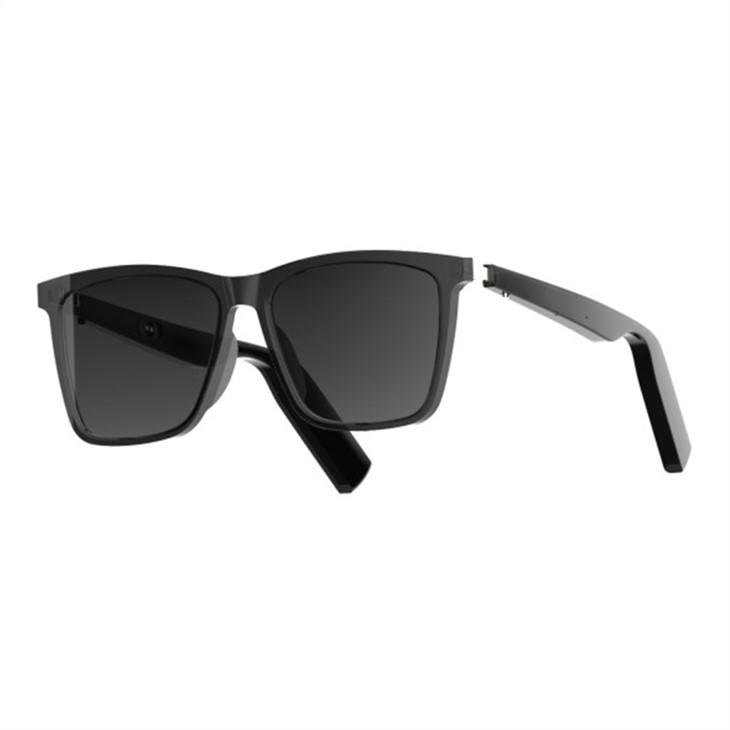
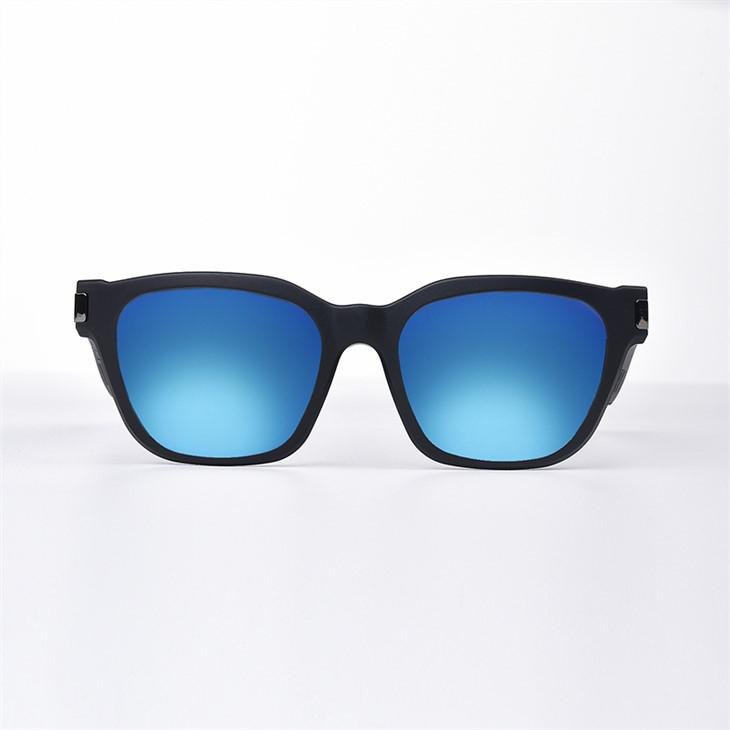
Perhaps the most accessible entry point into the smart glasses market, audio sunglasses combine polarized UV-protection lenses with built-in speakers. These devices allow users to listen to music, podcasts, or take calls without wearing separate headphones. The form factor feels natural to consumers, and price points typically range from $80 to $250 depending on features and brand positioning.
For Shopify stores targeting fitness audiences or outdoor lifestyle consumers, audio sunglasses represent an excellent starting inventory category. They require minimal customer education and offer clear value propositions.
Bluetooth Driving Glasses
The driving glasses segment has emerged as a strong performer in the smart wearables space. These products combine polarized driving lenses with Bluetooth connectivity, allowing users to take calls safely while keeping both hands on the wheel. Advanced models include noise-canceling microphones, GPS navigation audio integration, and automatic call answering.
E-commerce stores focusing on automotive accessories, professional driver markets, or commuter-focused audiences find significant success with this category. The safety angle provides compelling marketing angles that resonate strongly with target demographics.
Sports and Outdoor Smart Glasses
Fitness-focused smart glasses represent another high-growth segment, combining performance lenses with activity tracking, music playback, and workout guidance features. These products appeal to athletes, hikers, cyclists, and outdoor recreation enthusiasts who want technology that enhances rather than interrupts their activities.
Fashion-Forward Smart Eyewear
The intersection of fashion and technology has created entirely new market segments. Smart fashion glasses prioritize aesthetic appeal while incorporating subtle technology features like audio playback, call handling, and health monitoring. This category appeals to style-conscious consumers who view smart glasses as an extension of their personal brand rather than purely functional devices.
Technical Considerations for Shopify Integration
Integrating smart glasses into your Shopify store requires attention to several technical and operational considerations that differ from standard product categories.
Product Data Specifications
Smart glasses products require detailed specification sheets that help customers understand exactly what they're purchasing. Your Shopify product pages should include comprehensive technical details covering Bluetooth version compatibility, battery life, charging specifications, water resistance ratings, lens options, frame materials, and weight. Customers shopping in the wearables category tend to be more technically informed than average consumers, so thorough documentation builds trust and reduces return rates.
Variant Management
Most smart glasses lines include multiple variants including different frame colors, lens types, and occasionally feature tiers. Shopify's native variant system handles this complexity effectively, but you should plan your variant structure carefully before inventory arrival. Common variant combinations include frame color (black, brown, gray, blue), lens type (polarized, non-polarized, photochromic), and technology package (basic audio, audio plus calls, full smart features).
Compatibility Information
Clearly document which devices your smart glasses are compatible with. Most products work with both iOS and Android devices, but specific feature availability may vary. Include information about minimum operating system requirements, app availability for advanced features, and any subscription services customers might need to unlock full functionality.
Sourcing Smart Glasses: The OEM/ODM Advantage
For serious Shopify store operators and brands looking to scale, working directly with original design manufacturers in China offers substantial advantages over traditional wholesale channels. OEM and ODM partnerships provide capabilities that wholesale distributors simply cannot match.
Customization and Branding
OEM partnerships allow you to customize products extensively, from frame colors and materials to packaging design and branded apps. You can create a truly unique product line that competitors cannot easily replicate. ODM arrangements offer similar benefits with shorter development timelines, as manufacturers provide pre-designed bases that you customize with your branding.
This level of customization extends to technical features as well. You might want specific Bluetooth codecs for superior audio quality, custom firmware that integrates with your brand app, or proprietary lens technologies that differentiate your offering. Chinese manufacturers with OEM/ODM capabilities can accommodate these requests while maintaining competitive pricing.
Quality Control and Manufacturing Standards
Reputable smart glasses manufacturers in China operate facilities that meet international quality standards including ISO 9001 certification and CE/FCC compliance testing. When you partner directly with manufacturers, you gain visibility into production processes, component sourcing, and testing procedures that wholesale arrangements typically obscure.
Quality control becomes particularly important with smart glasses because these products combine delicate electronics with precision optics and structural mechanics. Every aspect must work harmoniously, and defects in any single component can compromise the entire product experience.
Cost Efficiency and Margin Improvement
Direct manufacturer relationships typically deliver 30-50% cost reductions compared to wholesale pricing. These savings translate directly to improved margins or competitive pricing advantages. For high-volume Shopify operations, the financial impact can be transformative.
Consider this comparison: if wholesale pricing on audio sunglasses yields 35% margins at $120 retail, direct OEM pricing might enable 60% margins at the same price point, or alternatively, $80 retail pricing that still maintains healthy margins while destroying competitors on price.
Evaluating Potential Manufacturing Partners
Not all Chinese manufacturers deliver equal quality and service levels. Due diligence before committing to partnerships protects your business from production delays, quality issues, and communication frustrations.
Facility Assessment Criteria
When evaluating potential partners, request information about their manufacturing facilities, production capacity, employee count, and quality assurance processes. Ideally, arrange virtual or in-person facility tours to verify capabilities directly. Look for manufacturers with dedicated R&D departments, testing laboratories, and assembly lines specifically configured for smart glasses production.
Experience and Specialization
Manufacturers specializing in smart glasses bring accumulated expertise that general electronics assemblers cannot replicate. Look for partners with proven track records producing similar products for established brands. Ask for case studies, client references, and samples of previous work. The learning curve in smart glasses production is steep, and experienced manufacturers have already solved problems that newcomers are still discovering.
Communication and Support
Effective communication becomes critical when managing international manufacturing relationships. Evaluate potential partners' English language capabilities, response times, and project management structures. Dedicated account managers who understand both your business needs and manufacturing capabilities make partnerships substantially more productive.
Inventory Planning and Demand Forecasting
Smart glasses inventory management requires balancing availability against capital commitment in a product category with relatively long lead times compared to domestic shipping alternatives.
Lead Time Considerations
Production lead times from Chinese manufacturers typically range from 30-90 days depending on order complexity and current production schedules. Ocean freight adds another 20-35 days for most routes from Chinese ports to North American or European destinations. Total supply chain timelines commonly span 60-120 days from order placement to inventory receipt.
This timeline reality means successful Shopify operators plan inventory 3-4 months ahead of anticipated demand. Relying on just-in-time inventory strategies often results in stockouts during peak selling periods.
Minimum Order Quantities
OEM partnerships typically involve minimum order quantities (MOQs) that reflect production economies of scale. MOQs for smart glasses generally range from 100-500 units per SKU, though this varies by manufacturer and customization level. Some manufacturers offer lower MOQs for standard products, providing flexibility for testing new products or serving smaller merchants.
Seasonal Demand Patterns
Smart glasses sales follow predictable seasonal patterns that inform inventory planning. The highest demand periods occur in spring and early summer as consumers prepare for outdoor activities, and again in Q4 as holiday gift-buying drives technology purchases. Align your production schedules to ensure inventory arrives 4-6 weeks before anticipated demand peaks, accounting for typical holiday shipping congestion.
Marketing Your Smart Glasses Collection
Successfully selling smart glasses on Shopify requires more than simply listing products. The category demands educational content, clear value communication, and lifestyle positioning that helps customers envision how products fit their lives.
Content Strategy
Develop rich content that addresses customer questions at every stage of the buying journey. Product comparison guides help customers choose between similar models. Use case content demonstrates practical applications for different customer segments. Tutorial content ensures customers maximize value from their purchases, building loyalty and reducing returns.
Visual Presentation
Smart glasses products require exceptional visual presentation. High-quality lifestyle photography showing products in context outperforms studio shots significantly. Video demonstrations of features like call quality, music playback, and fit adjustments convert browsers to buyers more effectively than static images alone.
Social Proof and Reviews
Collecting and displaying customer reviews serves critical functions for smart glasses products. Reviews address purchase hesitation by providing authentic user feedback about comfort, battery life, and real-world performance. Consider implementing review request emails at optimal timing after delivery to maximize collection rates.
Logistics and Fulfillment Considerations
Efficient logistics operations ensure customers receive products in excellent condition while maintaining healthy operational margins.
Packaging Requirements
Smart glasses require protective packaging that prevents damage during shipping while presenting a premium unboxing experience. Work with your manufacturing partner to develop packaging that balances protection, presentation, and shipping efficiency. Many manufacturers offer packaging design services as part of OEM partnerships.
Returns Management
Establish clear return policies and processes for smart glasses specifically. The category presents unique challenges including electronics defects, comfort issues, and functionality concerns. Having predetermined processes for handling different return scenarios reduces operational friction while maintaining customer satisfaction.
Building Long-Term Supply Chain Relationships
The most successful Shopify operations treating smart glasses as a core category invest in long-term manufacturer relationships rather than treating suppliers as transactional vendors.
Partnership Development
As your business grows, deepening manufacturer relationships yields compounding benefits. Long-term partners offer better pricing, priority production allocation during capacity constraints, access to new product development before public release, and flexible terms that support business growth.
Product Roadmap Collaboration
Engaging manufacturers in your product roadmap creates mutual investment in your success. Share sales data, customer feedback, and market observations that help manufacturers understand evolving consumer preferences. This collaboration produces products that better match market demands while strengthening your position as a valued customer.
Getting Started with Your Smart Glasses Line
The path from initial interest to successfully selling smart glasses on Shopify involves manageable steps when approached systematically. Begin by defining your target customer segments and selecting product categories that serve those audiences. Develop your brand positioning and content strategy before launching, ensuring you can communicate value effectively from day one.
Connect with reputable manufacturers early in your planning process. Their expertise helps validate product viability, refine specifications, and establish realistic timelines and budgets. Request samples from multiple manufacturers to evaluate quality differences firsthand before committing to partnerships.
Start with a focused product line rather than attempting to offer every possible variant immediately. Deep expertise in a narrower range builds credibility faster than shallow coverage across many options. Expand thoughtfully as you learn what resonates with your customer base.
If you're ready to explore OEM partnership opportunities for smart glasses manufacturing, the sourcing team at Smart Glasses Factory specializes in supporting Shopify store operators, distributors, and brands seeking reliable manufacturing partnerships in China. We offer comprehensive OEM/ODM services with competitive minimum order quantities, extensive customization options, and dedicated account management to support your growth.
