
Posted At: Jul 02, 2026 - 2,381 Views

Imagine offering your customers a cinema-quality movie experience anywhere — on a long-haul flight, during a lunch break, or curled up on the couch at home. Smart glasses for movies are making this a reality, and the market demand is growing at an extraordinary pace. For B2B buyers, distributors, and brands, this represents one of the most compelling opportunities in consumer electronics right now.
Personal theater smart glasses combine advanced micro-display technology, spatial audio, and ergonomic design to deliver an immersive viewing experience that rivals traditional screens. As streaming platforms proliferate and consumers increasingly demand portable, hands-free entertainment solutions, smart glasses are positioned to become the next must-have accessory in the media and entertainment ecosystem.
What Are Smart Glasses for Movies?
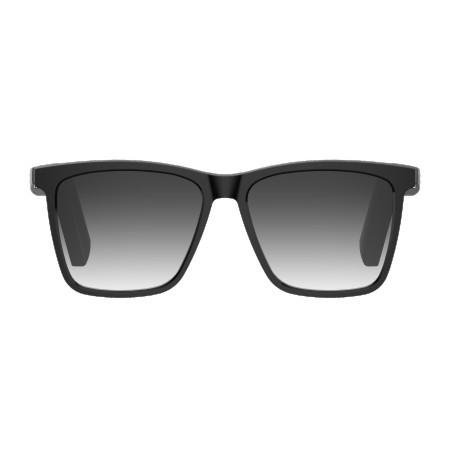
Smart glasses designed for movie viewing are wearable displays that project high-resolution video content directly into the user's field of vision. These devices create a virtual screen effect — typically equivalent to watching a 100- to 200-inch display from a few meters away — without requiring any external screen or surface.
Unlike traditional augmented reality (AR) glasses that overlay digital information onto the real world, personal theater smart glasses prioritize immersion. They typically feature opaque or tinted lenses that block ambient light, allowing the viewer to focus entirely on the projected content. The result is a private, distraction-free viewing experience that feels remarkably close to sitting in an actual movie theater.
At their core, these devices integrate several key technologies: micro-OLED or MicroLED displays, custom optical waveguides, bone-conduction or directional speakers, wireless connectivity (usually Bluetooth and Wi-Fi), and compact rechargeable batteries. The best models also include built-in storage or support for external media sources such as smartphones, tablets, and laptops.
Why the Market for Smart Movie Glasses Is Exploding
The global smart glasses market has experienced significant momentum over the past several years, and entertainment-focused devices are leading adoption. Several converging factors are driving this growth.
First, streaming services have fundamentally changed how people consume video content. With millions of titles available on demand, viewers increasingly want to watch wherever they are — not just when they're in front of a television. Smart movie glasses satisfy this need by providing a high-quality viewing experience in any environment.
Second, improvements in display technology have dramatically reduced the size and cost of components while simultaneously improving image quality. Micro-OLED panels, in particular, offer excellent contrast ratios, wide color gamuts, and fast response times — all essential for a satisfying movie-watching experience.
Third, consumer comfort expectations have matured. Early smart glasses were bulky, uncomfortable, and aesthetically unappealing. Modern designs are sleek, lightweight, and stylish enough to wear in public without attracting unwanted attention. Manufacturers have learned that the best personal theater devices must function as both functional electronics and fashionable accessories.
Key Features Your Smart Glasses for Movies Must Have
When evaluating smart glasses for movie streaming as a product line, certain features distinguish premium offerings from mediocre ones. Understanding these features helps B2B buyers select the right OEM partner and specification package.
Display Quality and Field of View
The visual experience is everything in personal theater glasses. Look for devices that offer Full HD (1920×1080) resolution per eye or higher, with a field of view (FOV) between 40 and 60 degrees. A wider FOV creates a more immersive feeling, making the virtual screen feel life-sized rather than like a small window hovering in front of you. High brightness levels (measured in nits) ensure content remains visible even in partially lit environments, though full darkness delivers the best theater-like experience.
Audio Performance
Sound design separates a forgettable product from a memorable one. Directional speakers that project audio toward the user's ears without isolating them completely offer the best balance between immersion and environmental awareness. Some models incorporate bone-conduction technology, which transmits sound through the skull, leaving the ears open. Others rely on near-ear speaker chambers that create a private audio bubble. Both approaches have merit, and the choice often depends on the target use case — outdoor activities may favor open-ear designs, while long-haul travelers might prefer the isolation of near-ear speakers.
Battery Life and Power Management
A movie can last two to three hours, and travelers often want to binge-watch multiple films on a single charge. Battery life of at least four to six hours is essential for a satisfying personal theater experience. Fast charging capabilities (USB-C with Power Delivery) are increasingly expected by consumers. Some advanced models also support pass-through charging, allowing the device to be used while connected to an external power source — a particularly useful feature for long flights or overnight train journeys.
Connectivity and Content Sources
Versatile connectivity options determine how easily users can access their favorite content. Bluetooth pairing with smartphones and tablets is standard, enabling wireless streaming from Netflix, Disney+, Amazon Prime Video, and other platforms. Wi-Fi support opens the door to direct streaming without requiring a paired device. USB-C and HDMI connectivity options appeal to users who want a wired, zero-latency connection to laptops or gaming consoles. Built-in storage capacity (ranging from 16GB to 128GB) allows users to download content for offline viewing, which is especially valuable during travel.
Comfort and Wearability
No matter how impressive the display, glasses that cause discomfort after thirty minutes will end up in a drawer. Weight distribution, frame material, nose pad design, and temple pressure all influence long-term comfort. Premium models weigh under 80 grams, use titanium or magnesium-alloy frames, and include adjustable nose pieces and flexible temples to accommodate a wide range of head shapes. Prescription lens inserts — available either built-in or as accessories — dramatically expand the addressable market by serving users who need corrective eyewear.
Popular Use Cases for Smart Movie Glasses
Understanding how end consumers use these devices helps brands position their products effectively and tailor specifications to real-world needs.
- Travel entertainment: Long flights, train rides, and road trips represent the single largest use case. Passengers want a private, high-quality entertainment experience without dealing with seat-back screens or cumbersome tablets.
- Commute viewing: Urban commuters increasingly use public transportation, and smart glasses let them watch content privately during their daily journeys without needing to hold a device.
- Home theater alternative: For apartment dwellers, dorm residents, or anyone who shares living space, personal theater glasses offer a way to enjoy big-screen entertainment without disturbing others or requiring a physical TV setup.
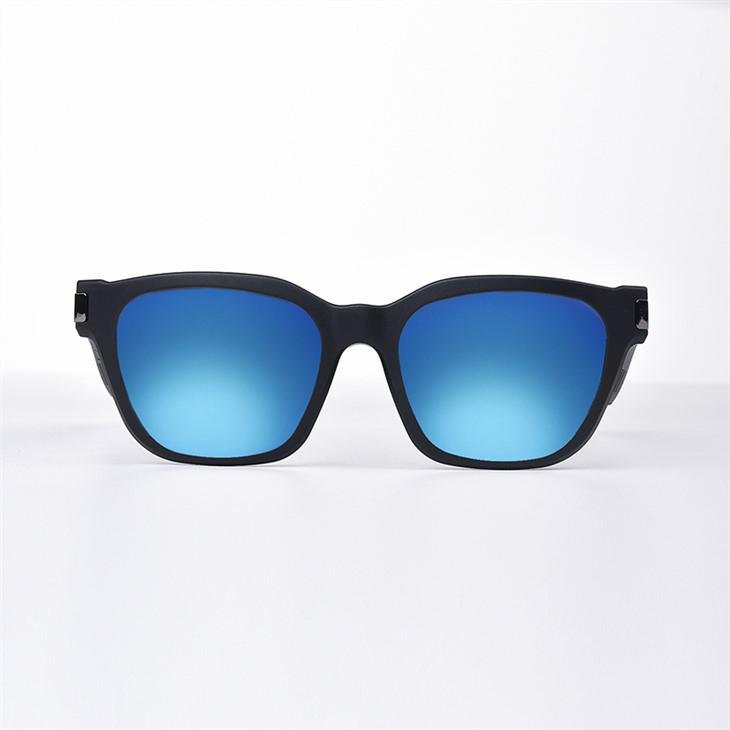
- Outdoor and leisure: Polarized lens options with UV protection combine movie-watching capability with outdoor functionality, appealing to fishermen, beachgoers, and outdoor enthusiasts who want entertainment alongside their activities.
- Gaming and streaming: While primarily marketed for movies, these glasses also serve gamers who want a large, private display and viewers who watch live sports or events.
Target Markets and Audience Segments
The appeal of smart movie glasses spans multiple demographic groups, each with distinct preferences and price sensitivities. Young professionals aged 25 to 40 represent the primary audience — tech-savvy individuals with disposable income who consume significant amounts of streaming content and appreciate cutting-edge gadgets. Frequent travelers form a secondary but highly valuable segment, as their need for portable entertainment directly aligns with the core value proposition of personal theater glasses.
Gamers and esports enthusiasts constitute another growing segment, particularly as cloud gaming services expand and more titles become accessible on mobile devices. Students and younger consumers drawn to immersive media experiences round out the addressable market. For B2B buyers, this broad appeal means that smart movie glasses can be positioned across multiple retail channels — electronics stores, travel accessory retailers, fashion and lifestyle outlets, and online marketplaces.
Technical Specifications That Matter for OEM Manufacturing
When sourcing smart glasses for movies from a Chinese OEM/ODM manufacturer, certain specifications deserve careful attention. These parameters directly affect product quality, cost, and market competitiveness.
| Specification | Entry-Level | Mid-Range | Premium |
|---|---|---|---|
| Display Type | LCoS | Micro-OLED | MicroLED |
| Resolution | 720p per eye | 1080p per eye | 2K+ per eye |
| Field of View | 30-40° | 40-50° | 50-65° |
| Battery Life | 2-3 hours | 4-5 hours | 6-8 hours |
| Weight | 100-120g | 70-90g | 50-70g |
| Audio | Basic speakers | Directional speakers | Bone conduction / Spatial audio |
| Connectivity | Bluetooth only | Bluetooth + Wi-Fi | BT, Wi-Fi, USB-C, HDMI |
Why Partner With a Chinese OEM/ODM for Smart Glasses Manufacturing
China remains the undisputed global hub for consumer electronics manufacturing, and smart glasses are no exception. Working with an experienced Chinese OEM/ODM manufacturer offers several strategic advantages for brands and distributors entering this market.
Cost efficiency without compromising quality. Chinese manufacturing facilities have refined their processes over decades, enabling them to produce complex electronics at competitive price points. Component sourcing, assembly, quality control, and packaging can all be handled under one roof, reducing logistics costs and production timelines.
Customization and branding flexibility. A capable OEM/ODM partner offers extensive customization options — from frame materials and colors to logo placement, packaging design, and software interfaces. Brands can develop products that reflect their identity without investing in their own manufacturing infrastructure.
Technical expertise and rapid prototyping. Leading smart glasses manufacturers in China employ teams of optical engineers, hardware designers, and firmware developers who stay current with the latest display and audio technologies. This expertise translates into faster development cycles, with many partners capable of delivering prototypes within weeks rather than months.
Scalability and supply chain reliability. Established manufacturers maintain relationships with component suppliers, ensuring consistent access to critical parts such as micro-OLED panels, optical lenses, and Bluetooth modules. This supply chain stability is crucial for meeting demand spikes without production bottlenecks.
Regulatory compliance support. Different markets have varying certification requirements — CE, FCC, RoHS, and country-specific safety standards. Experienced OEM partners guide brands through these requirements, streamlining the process of bringing products to market across multiple regions.
Design Trends Shaping the Next Generation of Personal Theater Glasses
The aesthetic evolution of smart glasses for movies mirrors trends in the broader eyewear industry. Consumers increasingly demand devices that look like designer fashion items rather than clunky electronics. This has led to several observable design directions.
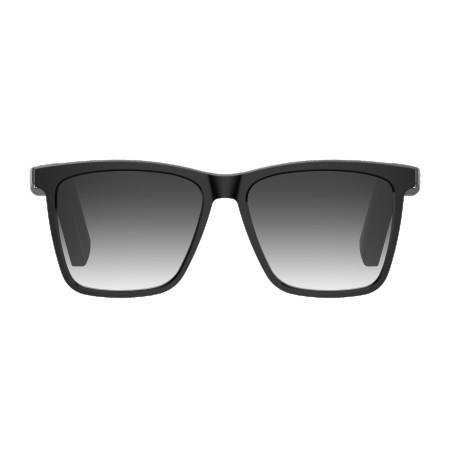
Minimalist frames with clean lines and neutral color palettes appeal to mainstream consumers who want technology to feel invisible. Bold, expressive styles with colored lenses and distinctive shapes target younger demographics who view wearable tech as a fashion statement. Foldable designs address portability concerns, making it easier to store glasses in a pocket or small bag when not in use.
Interchangeable lenses represent another important trend. Users can swap tinted, polarized, or clear lenses depending on their environment and activity, effectively using the same device for indoor movie watching and outdoor adventures. This versatility enhances the value proposition and reduces the need for multiple specialized products.
Integration with AI assistants and voice control is also gaining traction. Hands-free operation — pausing playback, adjusting volume, or launching specific apps with voice commands — adds convenience that aligns with how consumers interact with other smart devices in their lives.
Building a Competitive Smart Glasses Product Line
Success in this market requires more than simply sourcing a generic product and slapping a brand name on it. B2B buyers who achieve the best results take a strategic approach to product differentiation and positioning.
Start by identifying your core audience and their primary use case. A product designed for frequent air travelers should prioritize battery life, lightweight comfort, and noise-isolating audio. A lifestyle-focused product aimed at outdoor enthusiasts should feature polarized lenses, UV protection, and a rugged frame design. Attempting to serve everyone with a single product rarely leads to strong market performance.
Invest in quality control. Request samples from potential OEM partners and conduct thorough testing across multiple criteria — display performance under different lighting conditions, audio clarity, physical durability, and software stability. The best Chinese manufacturers welcome this scrutiny and often provide detailed test reports as part of their standard process.
Consider bundling strategies that enhance the overall value proposition. Accessories such as protective cases, additional lens sets, charging cables, and prescription lens adapters make attractive bundle options that justify premium pricing and improve customer satisfaction.
Ready to Bring Your Smart Glasses Product to Market?
The opportunity in smart glasses for movies is substantial, and the window to establish a presence in this growing market is open now. Whether you're a distributor looking to expand your electronics portfolio, a brand seeking a new product category, or an investor evaluating consumer electronics opportunities, personal theater smart glasses deserve serious consideration.
Our manufacturing facility specializes in end-to-end OEM/ODM production of smart glasses — from concept and design through prototyping, mass production, and global shipping. We work with clients across North America, Europe, Southeast Asia, and the Middle East, delivering products that meet the highest standards for quality, safety, and performance.
Our team of optical engineers, industrial designers, and supply chain specialists will guide you through every step of the process. We offer flexible minimum order quantities, competitive pricing structures, and comprehensive after-sales support. If you're ready to explore how smart glasses for movies can become a core part of your product lineup, we invite you to reach out for a consultation.
Explore our full range of smart glasses products and discover the possibilities for your brand. Our team is standing by to discuss your requirements, answer technical questions, and provide customized quotes tailored to your business needs. Let us help you turn your vision into a market-ready product that captivates consumers and drives revenue.
