
Posted At: Jun 09, 2026 - 2,050 Views

The intersection of wearable technology and automotive safety is creating unprecedented opportunities in the smart glasses market. As road safety concerns continue to rise globally, smart glasses designed for driving have emerged as a critical product category that combines functionality, protection, and modern convenience. For B2B buyers, distributors, and brands seeking manufacturing partnerships, understanding this market segment has never been more important.
Driving demands complete visual attention and minimal distraction. Traditional sunglasses offer basic glare reduction, but they fall short in addressing the complex visual challenges modern drivers face. Smart driving glasses bridge this gap by integrating technology that enhances visibility, enables hands-free communication, and provides real-time information without compromising road focus.
Why Smart Glasses Are Revolutionizing Driving Safety
Modern drivers contend with multiple visual stressors that traditional eyewear cannot address adequately. Harsh sunlight creates dangerous glare, oncoming headlights cause temporary blindness at night, and the constant need to check navigation or answer calls splits attention between the road and devices. Smart glasses for driving tackle these challenges head-on with purpose-built features.
Premium driving smart glasses incorporate polarized lens technology that eliminates harmful glare from road surfaces and oncoming traffic. This polarization technology works by blocking horizontal light waves that bounce off wet asphalt, water, and other reflective surfaces. The result is dramatically improved contrast and reduced eye strain during long drives or in challenging weather conditions.
Essential Features of Quality Driving Smart Glasses
Polarized and Photochromic Lens Technology
The foundation of any driving smart glasses product begins with exceptional lens quality. Polarized lenses filter out glare effectively, making them indispensable for daytime driving. For B2B buyers evaluating manufacturers, the quality of polarization directly impacts product performance and customer satisfaction.
Advanced models combine polarization with photochromic properties, automatically adjusting tint based on ambient light conditions. This technology ensures optimal visibility whether navigating through a sun-drenched highway or entering a dark tunnel. OEM manufacturers capable of integrating both technologies deliver premium products that command higher market prices.
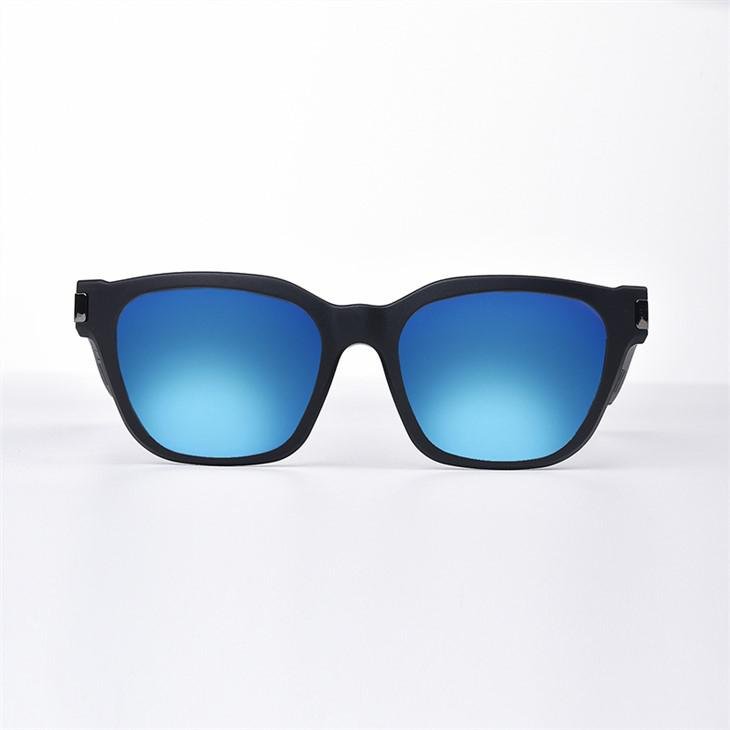
Our Polarized Driving Call Glasses exemplify this fusion of protection and smart functionality. These glasses feature industrial-grade polarization that meets ANSI Z80.3 standards while incorporating Bluetooth connectivity for seamless hands-free operation.
Hands-Free Communication Systems
Distracted driving remains one of the leading causes of road accidents worldwide. Smart glasses equipped with Bluetooth audio systems enable drivers to take calls, receive navigation instructions, and listen to music without ever touching their phone or removing their eyes from the road.
The audio technology in these glasses uses bone conduction or directional speakers that deliver sound privately to the wearer without blocking environmental awareness. This balance between connectivity and safety consciousness distinguishes driving smart glasses from regular headphones or earbuds.
Blue Light Filtration for Night Driving
Night driving presents unique visual challenges that standard sunglasses cannot address. Oncoming headlights create intense glare, while prolonged night driving causes eye fatigue. Quality driving smart glasses incorporate specialized blue light filtering coatings that reduce the harsh effects of headlights while maintaining clear vision.
These filtering capabilities become particularly valuable for commercial drivers who spend extended hours on the road. B2B buyers targeting professional driver markets should prioritize manufacturers with proven blue light filtration technology.
Market Opportunity for B2B Buyers
The global smart driving glasses market is experiencing substantial growth, driven by increasing awareness of road safety, stricter distracted driving regulations, and rising demand for connected device integration in everyday products. Market analysts project continued expansion as consumers increasingly seek technology solutions that enhance their driving experience while maintaining safety compliance.
For brands and distributors, partnering with an experienced OEM/ODM manufacturer in China offers significant competitive advantages. Chinese manufacturing facilities have refined production processes for smart eyewear, achieving economies of scale that translate to attractive pricing without compromising quality. The combination of established supply chains, skilled labor, and advanced component sourcing makes China the optimal destination for smart driving glasses production.
Understanding OEM vs ODM Manufacturing Options
B2B buyers entering the smart driving glasses market must decide between OEM (Original Equipment Manufacturer) and ODM (Original Design Manufacturer) partnerships. OEM arrangements involve manufacturing products based on the buyer's proprietary specifications, maintaining complete brand control and differentiation. This approach suits established brands with specific technical requirements.
ODM partnerships leverage the manufacturer's existing product designs and technological platforms, enabling faster market entry with lower initial investment. Reputable manufacturers offer flexible arrangements that can begin as ODM collaborations and evolve into fully customized OEM production as brands scale.
Technical Specifications That Matter
When evaluating smart driving glasses manufacturers, certain technical specifications demand careful attention. Battery life determines practical usability—drivers need glasses that function throughout extended journeys without requiring mid-trip charging. Quality manufacturers achieve 8-12 hours of continuous audio playback or 6-8 hours of talk time.
Bluetooth connectivity standards matter significantly. Bluetooth 5.0 and above ensure stable pairing with smartphones, rapid connection recovery when entering vehicles, and efficient power consumption. Compatibility with both iOS and Android ecosystems expands the potential customer base considerably.
Lens quality certifications provide assurance of safety and performance standards. Buyers should verify that manufacturers' products meet regional standards such as ANSI Z80.3 in North America, EN ISO 12312-1 in Europe, or relevant Asian safety standards. Products lacking proper certification create liability exposure and customer satisfaction issues.
Target Markets and Applications
Smart driving glasses serve diverse market segments beyond general consumer driving. Commercial fleet operators increasingly provide smart eyewear to drivers as part of safety compliance programs. These bulk purchasers prioritize durability, consistent performance, and enterprise management compatibility.
Ride-sharing drivers represent another significant market, spending extended hours behind the wheel while managing navigation and passenger communications. For this demographic, the combination of sun protection, hands-free calling, and audio navigation creates compelling value propositions.
Outdoor enthusiasts who drive in variable conditions—mountain roads, coastal highways, desert terrain—require glasses that handle intense glare and sudden light changes. The versatility demanded by this segment drives innovation in lens technology and frame durability.
Design Considerations for Different Regions
Consumer preferences for driving glasses vary significantly across global markets. North American buyers typically favor wraparound styles with sporty aesthetics, emphasizing protection and modern appearance. European markets show preference for classic, understated designs that complement professional attire. Asian markets often prioritize lightweight construction and smaller frame profiles.
Successful B2B partnerships involve manufacturers who understand these regional nuances and can adapt designs accordingly. The ability to modify temple width, bridge fit, and overall frame dimensions ensures comfortable wear across diverse head shapes common in global markets.
Quality Assurance in Smart Glasses Manufacturing
Durability testing separates premium smart driving glasses from budget alternatives. Quality manufacturers subject products to rigorous evaluation including frame stress testing, hinge cycle testing, lens impact resistance, and water resistance certification. Smart components require additional validation including audio clarity testing, Bluetooth range verification, and battery performance benchmarking.
For B2B buyers, requesting detailed quality documentation and visiting manufacturing facilities when possible provides confidence in production capabilities. Manufacturers who invest in comprehensive testing equipment demonstrate commitment to consistent product quality.
Cost Factors and Pricing Strategies
Understanding the cost structure of smart driving glasses helps B2B buyers negotiate favorable terms and establish appropriate retail pricing. Component costs include frames, lenses with specialized coatings, electronic modules (Bluetooth chips, batteries, speakers), and packaging materials. Manufacturing labor, quality control processes, and compliance certification contribute to total production costs.
Economies of scale significantly impact per-unit pricing. Initial orders typically carry higher per-unit costs, with meaningful reductions achievable at quantities exceeding 1,000-2,000 units. B2B buyers should plan volume projections realistically while establishing manufacturer relationships that accommodate growth.
Supply Chain Considerations
Component sourcing represents a critical factor in smart glasses manufacturing reliability. Bluetooth modules, specialized batteries, and micro speakers require partnerships with established electronics suppliers. Experienced manufacturers maintain relationships with verified component suppliers, reducing supply disruption risks.
Lens sourcing deserves particular attention since optical quality directly affects product performance and customer satisfaction. Manufacturers with established relationships with major lens producers can secure better pricing and ensure consistent quality across production runs.
Future Trends in Smart Driving Eyewear
Augmented reality heads-up displays represent the next frontier in driving smart glasses. These systems overlay navigation arrows, speed information, and hazard warnings directly onto the driver's field of view. While still emerging, AR driving glasses will create substantial market opportunities for manufacturers who successfully bring this technology to consumers.
Integration with vehicle systems through advanced connectivity protocols will enable smart glasses to interact directly with dashboards, provide proximity alerts, and enhance parking assistance. B2B buyers positioning for future market evolution should seek manufacturers with R&D capabilities and technology roadmaps.
Choosing Your Manufacturing Partner
Selecting the right OEM/ODM manufacturer determines the success of your smart driving glasses venture. Consider factors beyond pricing alone. Manufacturing experience in smart eyewear specifically, quality control track record, communication efficiency, and logistics capabilities all contribute to partnership success.
Request product samples before committing to production orders. Evaluate frame construction quality, lens optical performance, electronic functionality, and overall user experience. Testing products under actual driving conditions provides invaluable insights that specification sheets cannot convey.
Reputable manufacturers support B2B partners through design consultation, compliance guidance, and marketing material development. These value-added services distinguish genuine partnership relationships from transactional supplier arrangements.
Getting Started with Your Smart Glasses Line
The path from concept to market-ready product involves several phases with your manufacturing partner. Initial discussions establish product requirements, target specifications, and volume expectations. Design refinement follows, incorporating feedback on aesthetics, fit, and functionality. Prototype development allows physical evaluation before committing to production tooling.
Production planning coordinates component procurement, manufacturing schedules, and quality control protocols. Clear communication throughout these phases prevents costly errors and ensures the final product meets expectations.
Conclusion for B2B Decision Makers
Smart driving glasses represent a compelling opportunity in the expanding wearable technology market. The combination of essential safety functionality, hands-free connectivity, and growing consumer awareness creates favorable conditions for brands entering this segment.
Partnering with an experienced manufacturer in China provides access to proven technology, efficient production capabilities, and competitive pricing structures. The key to success lies in selecting a manufacturing partner who understands both the technical requirements of smart eyewear and the business needs of B2B customers.
Ready to explore smart driving glasses manufacturing for your brand? Our team specializes in OEM and ODM production of high-quality smart eyewear designed for driving applications. We invite B2B buyers to discuss their requirements and discover how our manufacturing capabilities can support your product development goals.
Contact our sales team today to request a consultation and learn about our current production capabilities for driving smart glasses.
