
Posted At: Nov 23, 2026 - 12 Views

Falls represent one of the most significant health threats facing the global elderly population. Statistics reveal that approximately 37.3 million falls occur worldwide each year, with a substantial percentage proving fatal or resulting in severe injuries requiring extended hospitalization. For businesses operating in the wearable technology space, this challenge presents an unprecedented market opportunity that combines humanitarian impact with substantial commercial potential.
The convergence of advanced sensor technology, artificial intelligence, and compact hardware has enabled manufacturers to develop sophisticated smart touch glasses capable of detecting falls in real-time and triggering immediate emergency response protocols. These devices represent more than simple safety gadgets—they embody a comprehensive approach to elderly care that integrates continuous monitoring with actionable health insights.
Understanding the Fall Detection Challenge in Elderly Care
Elderly individuals face heightened vulnerability to falls due to multiple contributing factors including diminished balance coordination, reduced visual acuity, medication side effects, and age-related cognitive decline. What makes falls particularly dangerous is not merely the impact itself but the delayed response time. When an elderly person falls and cannot summon help independently, hours or even days may pass before discovery, dramatically worsening outcomes.
Traditional fall detection solutions have relied on wearable pendants, wrist-mounted devices, or stationary monitoring systems. While these products serve a purpose, they often suffer from compliance issues—elderly users forget to wear them, remove them due to discomfort, or find the form factor stigmatizing. Smart glasses overcome these barriers by integrating seamlessly into daily routines as items users already wear, particularly those incorporating corrective lenses or sun protection.
Technical Architecture of Fall Detection Smart Glasses
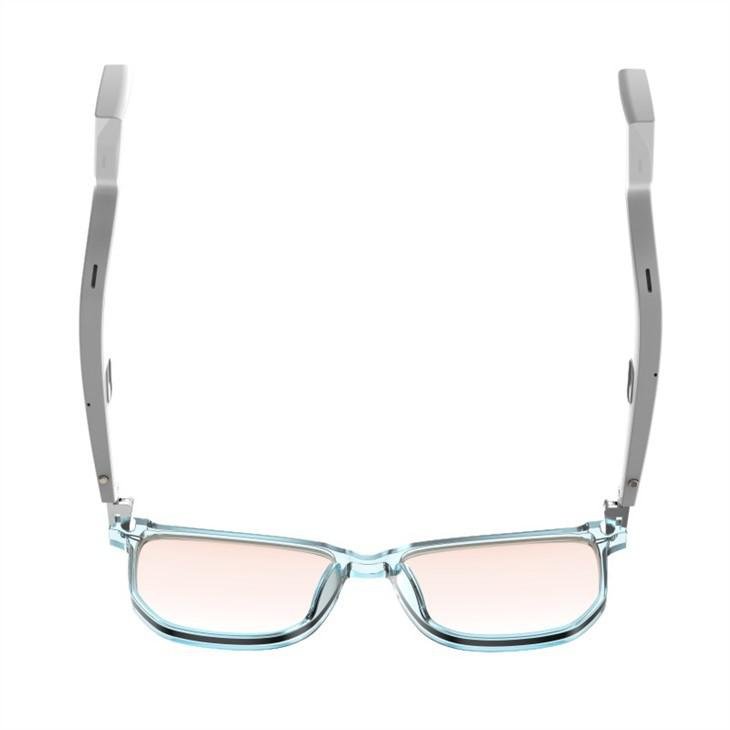
Modern fall detection glasses utilize a multi-sensor approach to achieve high accuracy while minimizing false positives. The core detection system typically combines:
- Three-axis accelerometers that measure sudden changes in velocity and orientation
- Gyroscopic sensors providing rotational movement data
- Barometric pressure sensors detecting altitude changes associated with collapse
- Machine learning algorithms that distinguish falls from normal activities like sitting down abruptly or climbing stairs
The sophistication lies in the algorithm's ability to recognize the characteristic signature of a fall: rapid downward movement followed by an abrupt stop and prolonged immobility. Advanced systems incorporate contextual awareness, analyzing patterns over time to establish individual baseline behaviors and adjust sensitivity accordingly.
Integration with Emergency Response Ecosystems
Fall detection capability alone provides limited value without robust connectivity to emergency services. Contemporary smart glasses incorporate multiple communication pathways including Bluetooth connectivity for smartphone pairing, Wi-Fi for direct internet access, and cellular capabilities for independent operation. When a fall is detected, the system initiates a cascading response protocol:
First, the device performs a preliminary assessment using onboard processors to verify the detected event matches fall parameters. Upon confirmation, it sends alerts to pre-configured emergency contacts while simultaneously attempting voice communication with the wearer. If no response is received within a programmed interval, the system automatically contacts emergency services with precise location data derived from GPS, Wi-Fi positioning, or cell tower triangulation.
Market Opportunity for B2B Partners
The global market for elderly fall detection technology continues expanding as populations age across developed nations and healthcare systems increasingly prioritize preventive care models. Industry analysts project compound annual growth rates exceeding 15% through 2030, driven by rising healthcare expenditure, technological cost reductions, and growing consumer awareness of connected health solutions.
For distributors and brands seeking market entry or expansion, smart glasses represent a premium product category with strong margin potential. Unlike commoditized fitness trackers, fall detection glasses serve a specific high-need application that justifies higher price points and generates strong customer loyalty. Healthcare institutions, senior living communities, insurance providers, and government health programs increasingly subsidize or mandate such technology, creating institutional purchasing channels alongside consumer markets.
OEM/ODM Manufacturing Capabilities
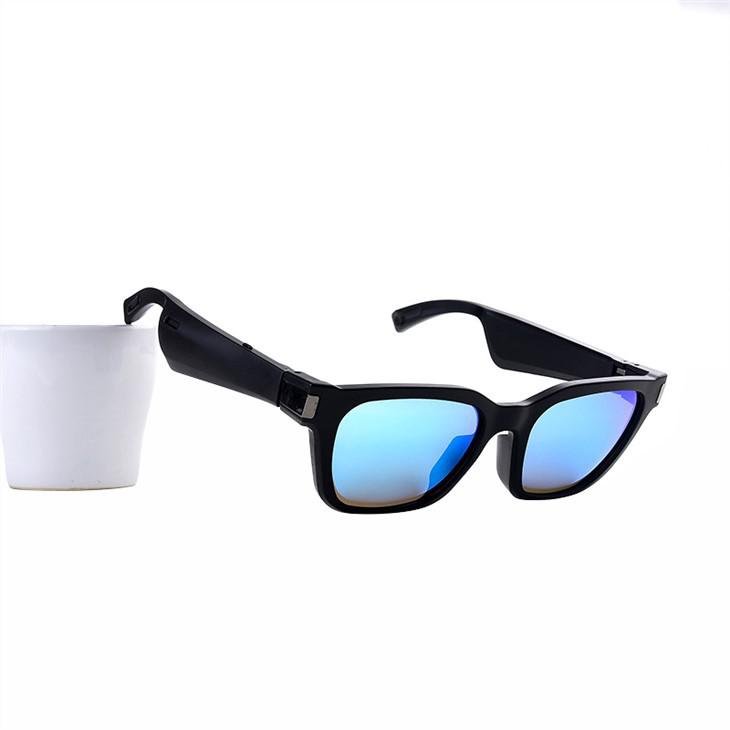
Successful market entry requires manufacturing partners capable of delivering medical-grade reliability at consumer price points. Our facility specializes in producing open music hands-free call smart glasses with customizable sensor arrays and detection algorithms tailored to specific market requirements. We understand that B2B clients require flexible solutions accommodating diverse design preferences, regulatory environments, and feature specifications.
Our engineering teams work closely with clients to optimize sensor placement, calibrate detection thresholds, and integrate desired connectivity protocols. Whether targeting markets requiring FDA clearance, CE marking, or other regional certifications, we maintain comprehensive quality management systems ensuring consistent product performance across production volumes.
Extending Beyond Fall Detection: Comprehensive Health Monitoring
Forward-thinking manufacturers recognize that fall detection serves as an entry point to broader elderly health monitoring ecosystems. Contemporary smart glasses increasingly incorporate supplementary capabilities including continuous heart rate monitoring, blood oxygen saturation measurement, temperature sensing, and sleep quality tracking. These additional data points enhance the value proposition while providing healthcare providers with comprehensive wellness insights.
The integration of health monitoring with fall detection creates compelling use cases for telehealth applications. When combined with appropriate software platforms, detected falls and anomalous health readings can trigger virtual consultations, enabling healthcare providers to intervene proactively rather than reactively. This shift from episodic to continuous care delivery models represents the future of elderly health management.
Design Considerations for Elderly Adoption
Product success depends heavily on adoption rates among elderly users who may harbor skepticism toward technology. Successful products balance sophisticated functionality with intuitive operation. Key design principles include automatic operation without user intervention, comfortable extended wear, prescription lens compatibility, and attractive aesthetics that avoid institutional or medical device appearances.
Battery life proves particularly critical—elderly users and their caregivers cannot manage daily charging routines reliably. Our manufacturing processes incorporate high-density battery technology delivering multi-day operation, with magnetic charging systems eliminating fumbling with connectors. Voice feedback systems replace complex button sequences, allowing hands-free interaction even when users struggle with fine motor control.
Regulatory Landscape and Quality Assurance
Smart glasses intended for medical or safety-critical applications must navigate complex regulatory frameworks. In the United States, FDA registration or clearance may be required depending on specific marketing claims. European markets demand compliance with MDR requirements, while Asian markets maintain their own certification regimes.
Our manufacturing facilities maintain certifications including ISO 13485 for medical device quality management, ensuring processes meet the rigorous standards healthcare purchasers demand. We provide comprehensive technical documentation packages supporting client regulatory submissions, including design history files, risk management documentation, and validation protocols.
Comparative Feature Analysis
| Feature Category | Basic Detection | Advanced Systems | Premium Integration |
|---|---|---|---|
| Detection Accuracy | 85-90% | 92-96% | 97-99% |
| False Positive Rate | High | Moderate | Minimal |
| Response Time | 30-60 seconds | 10-30 seconds | Under 10 seconds |
| GPS Accuracy | Cell tower level | Wi-Fi positioning | Dual-band GPS |
| Battery Life | 8-12 hours | 24-48 hours | 72+ hours |
| Health Monitoring | None | Basic vitals | Comprehensive |
Building Your Fall Detection Product Line
Establishing presence in the elderly safety technology market requires strategic product portfolio development. We recommend starting with core fall detection capabilities, then expanding functionality based on customer feedback and market response. Our fashionable smart glasses wireless Bluetooth platforms provide flexible foundations accommodating diverse market positioning strategies.
Whether targeting premium healthcare markets requiring comprehensive feature sets or volume-focused consumer segments prioritizing accessibility, our manufacturing capabilities scale accordingly. We support white-label production, custom branding implementation, and complete original design manufacturing depending on client capabilities and market objectives.
The opportunity in elderly fall detection technology combines compelling humanitarian impact with substantial commercial potential. As populations continue aging and healthcare systems seek technological interventions reducing emergency response costs and improving patient outcomes, smart glasses equipped with fall detection will increasingly become essential rather than optional. Partner with experienced manufacturers who understand both the technical complexity and the human stakes involved in protecting vulnerable populations.
Ready to explore smart glasses manufacturing for your fall detection product line? Our engineering team welcomes discussions about your technical requirements, market objectives, and customization needs. Together, we can develop solutions that protect elderly individuals while building sustainable businesses in this growing category.
