
Posted At: Nov 06, 2026 - 191 Views

The wearables market continues expanding at remarkable rates, with smart glasses emerging as one of the most promising segments for 2025 and beyond. For B2B buyers, distributors, and brands seeking to capitalize on this growth without the burden of substantial upfront investment, the smart glasses dropshipping model presents an attractive opportunity. This approach allows businesses to offer cutting-edge smart eyewear while maintaining lean operations and reduced financial exposure.
Understanding the Zero Inventory Dropshipping Model
Traditional retail distribution requires significant capital allocation for inventory purchasing, warehousing, and logistics infrastructure. The zero inventory model fundamentally shifts this paradigm by connecting B2B buyers directly with manufacturers who handle production, storage, and fulfillment. When a customer places an order through your sales channel, the manufacturer ships the product directly to the end consumer under your brand or white-label arrangement.
This arrangement transforms your business model from capital-intensive distribution to a marketing and sales-focused operation. Your primary investments shift toward customer acquisition, brand building, and sales infrastructure rather than warehouse leases and inventory management systems. For businesses entering the smart glasses market, this represents a lower-risk pathway to establishing market presence.
Why Smart Glasses Suit the Dropshipping Model
Smart glasses possess characteristics that make them particularly well-suited for zero inventory distribution. The product category encompasses diverse variants including audio sunglasses, Bluetooth calling glasses, polarized smart eyewear, and multifunctional devices. This variety allows B2B buyers to test multiple product categories without committing to large quantities of any single SKU.
Product evolution in the smart glasses space occurs rapidly, with manufacturers continuously releasing updated versions with improved features, better audio quality, enhanced UV protection, and refined industrial design. When you operate with zero inventory, you avoid the costly problem of holding outdated stock while competitors market newer generations. Your product catalog can evolve seamlessly as manufacturer capabilities advance.
Working with OEM/ODM Manufacturers
OEM (Original Equipment Manufacturer) and ODM (Original Design Manufacturer) partnerships form the backbone of successful smart glasses dropshipping operations. These manufacturers possess the technical expertise, production facilities, and component sourcing networks necessary to deliver quality products at scale. When you partner with an established smart glasses factory, you gain access to proven product designs that can be customized to reflect your brand identity.
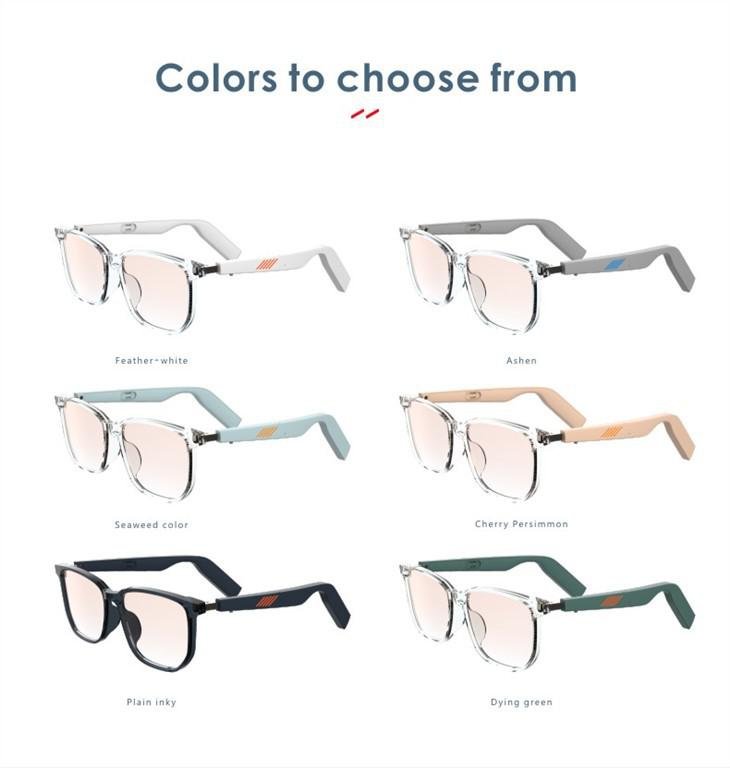
ODM arrangements prove particularly valuable for B2B buyers who may lack extensive product development resources. An ODM partner provides ready-to-customize designs while allowing modifications to branding, packaging, color options, and certain functional features. This approach accelerates your time-to-market while maintaining product differentiation in competitive markets.
Operational Workflow for B2B Dropshippers
The typical workflow begins when you establish a partnership agreement with your chosen manufacturer. This agreement defines pricing structures, branding customization options, order processing procedures, and fulfillment timelines. Once terms are established, you focus on establishing your sales channels—whether through e-commerce platforms, B2B marketplaces, or direct business-to-business relationships with retailers.
When orders flow through your system, they are transmitted to the manufacturer for processing. The manufacturer picks, packs, and ships directly to your customer under your branded packaging when applicable. You receive order notifications and tracking information for customer service purposes. This entire process can be largely automated through API integrations between your sales platform and the manufacturer's order management system.
Key Advantages for Distribution Businesses
The financial benefits of zero inventory distribution extend beyond eliminating warehousing costs. Your working capital requirements decrease dramatically since you only pay for products after receiving payment from your customers. This cash flow advantage proves especially valuable for businesses in growth phases or those managing multiple product lines simultaneously.
Geographic flexibility represents another significant benefit. Without inventory constraints, you can serve customers across diverse regions without establishing regional distribution centers. Your manufacturer handles international shipping logistics, customs documentation, and delivery fulfillment regardless of your business location. This flexibility enables rapid market expansion testing without substantial infrastructure investment.
- Reduced capital requirements for inventory acquisition
- Elimination of warehouse storage and management costs
- Ability to test multiple product categories simultaneously
- Reduced risk from product obsolescence
- Faster scaling potential without capacity constraints
- Geographic flexibility in serving customers worldwide
Product Categories to Consider
The smart glasses market offers diverse product categories that appeal to different consumer segments. Audio sunglasses combine UV protection with wireless music playback and hands-free calling capabilities. These products resonate strongly with outdoor enthusiasts, commuters, and fitness-conscious consumers who value audio entertainment without dedicated headphones.
Bluetooth calling glasses target professional users seeking seamless communication during busy schedules. These devices enable clear voice transmission for business calls while maintaining a professional appearance. The integration of sophisticated microphone arrays and noise cancellation technology has elevated these products beyond early-generation attempts.
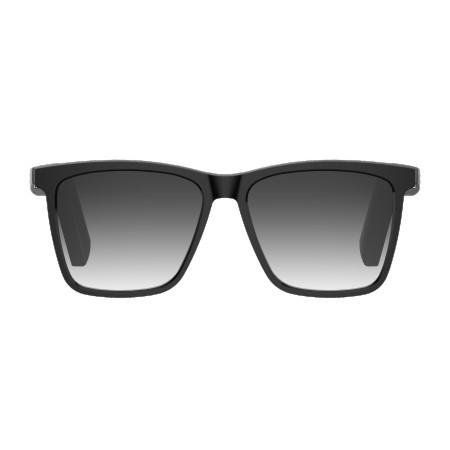
Polarized smart sunglasses represent the premium segment, combining advanced lens technology with electronic features. For B2B buyers targeting high-end retail channels, these products offer superior margins and appeal to quality-conscious consumers. The Bluetooth audio sunglasses with polarized lenses demonstrate how manufacturers combine functionality with premium optics.
Quality Assurance Considerations
While zero inventory reduces operational complexity, B2B buyers must maintain rigorous quality standards when selecting manufacturing partners. Product quality directly impacts your brand reputation and customer retention rates. Establish clear quality specifications, acceptable defect thresholds, and return processing procedures before initiating any dropshipping arrangement.
Reputable manufacturers implement comprehensive quality control protocols throughout production. These include component inspection, assembly monitoring, final product testing, and packaging verification. Request samples before launching any product category to evaluate build quality, audio performance, battery life, and comfort. Your manufacturing partner should support sample evaluation as a standard part of the qualification process.
Building Sustainable Margins
Successful smart glasses distribution requires careful margin architecture. Factor in your sales platform fees, payment processing costs, customer acquisition expenses, and any applicable shipping or customs duties when calculating viable pricing structures. The wholesale pricing you negotiate with manufacturers forms the foundation of your profit potential.
Consider the total cost of customer acquisition across different sales channels. E-commerce platforms with high traffic volumes may charge premium fees but provide immediate access to qualified buyers. Direct B2B relationships with retailers require more extended sales cycles but often yield larger volume commitments. Diversifying across channels reduces dependency on any single platform while spreading customer acquisition costs.
Market Positioning Strategies
Differentiating your smart glasses offerings requires strategic positioning in a competitive marketplace. Focus on specific consumer segments rather than attempting to serve all buyers with generic product descriptions. Outdoor recreation enthusiasts respond to messaging around durability, polarized optics, and adventure-ready features. Professional users prioritize call quality, battery performance, and subtle industrial design.
Consider bundling strategies that combine complementary products or accessories. A smart glasses purchase enhanced with protective cases, cleaning solutions, or replacement lenses creates perceived value while increasing average order value. Some distributors successfully position smart sunglasses as technology-forward alternatives to traditional premium eyewear, targeting fashion-conscious consumers willing to pay for innovation.
Future Outlook for Smart Glasses Distribution
The smart glasses category continues benefiting from technological advancements that improve user experience while reducing manufacturing costs. Display technology, battery efficiency, audio quality, and artificial intelligence integration are advancing rapidly. These improvements will expand consumer use cases and drive mainstream adoption beyond early technology adopters.
B2B buyers establishing operations now position themselves advantageously for anticipated market growth. Early market entry allows you to establish supplier relationships, refine operational processes, and build customer bases before competitive intensity increases. The black technology smart sunglasses category illustrates how manufacturers continuously introduce innovative designs that capture consumer imagination.
| Smart Glasses Category | Target Consumer | Key Features | Margin Potential |
|---|---|---|---|
| Audio Sunglasses | Outdoor enthusiasts, commuters | Music playback, UV protection | Moderate to High |
| Bluetooth Calling | Professionals, business users | Hands-free calls, noise cancellation | High |
| Polarized Smart | Premium consumers, athletes | Advanced optics, audio, calling | Very High |
| Sports & Fitness | Fitness enthusiasts, runners | Stability, sweat resistance, audio | Moderate to High |
Getting Started with Your Smart Glasses Partnership
Initiating your smart glasses dropshipping operation requires careful partner selection and clear operational agreements. Evaluate potential manufacturers based on production capacity, quality consistency, communication responsiveness, and experience serving international distributors. Request detailed pricing structures including unit costs, customization fees, minimum order quantities, and fulfillment charges.
Start with a focused product selection rather than attempting comprehensive catalog coverage immediately. Prove market demand with initial offerings before expanding into additional categories. This measured approach reduces complexity while allowing you to refine your sales and customer service processes without overwhelming your operations team.
The zero inventory model empowers B2B buyers to enter the smart glasses market with minimal financial risk while maintaining full flexibility for scaling operations as market conditions evolve. Partner with experienced manufacturers who understand the demands of dropshipping operations and can support your growth trajectory. Ready to explore smart glasses products suitable for your distribution business? Review our audio polarized sunglasses collection and connect with our team to discuss customized solutions for your market requirements.
