
Posted At: Jun 12, 2026 - 2,277 Views

The global smart glasses market continues expanding rapidly, creating substantial opportunities for distributors, brands, and entrepreneurs looking to enter this lucrative segment. Understanding the intricacies of smart glasses dropshipping pricing and margin structures can make the difference between a profitable venture and a struggling one. Whether you are an established retailer diversifying your product portfolio or a startup entering the wearables space, this guide provides the financial insights you need to make informed sourcing decisions.
Understanding Smart Glasses Pricing Tiers
When evaluating smart glasses wholesale pricing from manufacturers, you will encounter several pricing models that directly impact your margins. Chinese factories offering OEM and ODM services typically structure their pricing based on order volume, customization requirements, and component specifications.
The most competitive pricing tier begins at orders of 500+ units per SKU, where factory-direct pricing offers the most attractive margins. Mid-tier pricing applies to orders between 100-499 units, while smaller orders under 100 units command premium pricing due to setup and production inefficiencies. For dropshippers specifically, understanding these thresholds helps determine whether to consolidate orders across multiple retailers or maintain individual relationships with factories.
Component costs significantly influence final pricing. Smart audio glasses with basic Bluetooth functionality, speakers, and microphone systems generally fall into lower price brackets compared to AR-enabled devices with displays, gesture controls, and advanced sensors. Your target market segment should dictate which category you prioritize for sourcing.
Breaking Down the Cost Structure
Factory pricing for smart glasses encompasses several cost components that B2B buyers must understand before negotiating terms. Material costs typically represent 35-45% of the total production cost, covering frames, lenses, electronic components, batteries, and packaging materials. Manufacturing labor and overhead account for 25-30%, while quality control, logistics, and administrative expenses make up the remaining 25-35%.
For smart audio glasses with wireless Bluetooth functionality, component selection dramatically affects pricing. Premium acoustic drivers and noise-canceling microphones increase per-unit costs but allow for higher retail positioning. Conversely, budget-oriented models using standard components enable competitive pricing in price-sensitive markets.
Key Cost Components Explained
- Frame Materials: Injection-molded plastics, TR-90 nylon, aluminum-magnesium alloys, and titanium each carry different price points and market positioning implications.
- Electronic Modules: Bluetooth chipsets, audio drivers, batteries, and charging circuits vary significantly based on quality grades and brand names.
- Lens Technology: Standard prescription lenses, polarized sun lenses, blue-light filtering, and AR display integration each add distinct cost layers.
- Certification and Compliance: FCC, CE, RoHS, and region-specific certifications add fixed costs that amortize across larger order volumes.
- Packaging and Branding: Custom boxes, inserts, and branded accessories distribute their costs across total unit quantities.
Margin Analysis for Different Business Models
Dropshipping smart glasses offers distinct margin profiles compared to traditional wholesale arrangements. Understanding these differences helps you select the optimal business model for your operational capabilities and market positioning.
Traditional wholesale distributors typically operate with 40-60% margins when purchasing at factory rates and selling to retailers. Retailers then apply additional markups, resulting in consumer prices that may represent 2.5-3x the original manufacturing cost. For dropshippers working directly with factories, margins compress to 25-40% but operational complexity and inventory risk decrease substantially.
Comparing Margin Scenarios
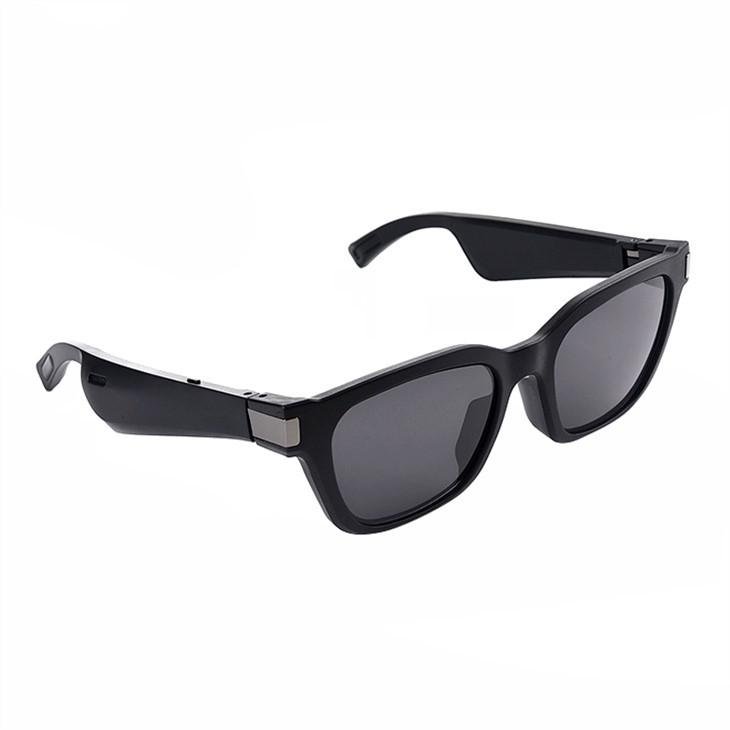
Consider a practical example with smart touch music glasses priced at $25 per unit from a Chinese factory at 500-unit orders. When sold through dropshipping channels at $49.99, you achieve approximately 50% gross margin before advertising and transaction fees. Alternatively, selling through Amazon FBA at $59.99 with $15 in FBA fees and $5 in shipping costs yields approximately 38% net margin after all marketplace expenses.
Private labeling arrangements offer another margin enhancement strategy. By investing in custom branding, you eliminate direct price competition with identical products from other sellers. Premium branding enables 15-25% price premiums over generic alternatives, translating directly to improved profitability per unit sold.
Volume-Based Pricing Strategies
Smart glasses factories implement tiered pricing structures that reward larger commitments. Negotiating effectively requires understanding how volume thresholds affect your unit economics.
| Order Quantity | Typical Unit Price Range | Est. Margin Potential | Best Suited For |
|---|---|---|---|
| 50-99 units | $35-50 | 15-25% | Testing new markets, limited budget buyers |
| 100-499 units | $25-35 | 30-45% | Growing distributors, regional retailers |
| 500-999 units | $18-25 | 50-65% | Established e-commerce businesses, multiple storefronts |
| 1000+ units | $12-18 | 70-85% | Major retailers, international distributors, brand owners |
These ranges assume standard smart audio glasses with basic features. AR-enabled devices and products with advanced specifications command higher absolute prices while maintaining similar margin percentages across tiers.
Hidden Costs That Impact True Margins
Experienced B2B buyers know that quoted prices rarely represent total acquisition costs. Several hidden expenses can erode margins if not anticipated during pricing negotiations.
Sample and prototyping costs often surprise first-time buyers. Most factories charge $200-500 for pre-production samples, with revision iterations adding additional fees. Tooling and mold setup costs for custom components typically range from $2,000-10,000 depending on complexity. While these expenses amortize across larger orders, they must factor into your break-even calculations.
Quality inspection and testing represent another cost category that responsible buyers cannot skip. Third-party inspection services in China charge $150-300 per day, with comprehensive inspections requiring 2-3 days for substantial orders. Shipping and customs duties vary by destination country but generally add 8-25% to landed costs depending on trade agreements and product classifications.
Return rates in the smart glasses category tend to run higher than average consumer electronics due to fit issues, functionality concerns, and customer expectation mismatches. Budgeting 3-5% of revenue for returns, refunds, and customer service handling protects your net margin projections from unpleasant surprises.
Maximizing Margins Through Strategic Sourcing
Partnering directly with smart glasses manufacturers in China eliminates intermediary markups that traditional supply chains impose. Factory-direct relationships provide access to wholesale pricing structures unavailable through trading companies or brokers. More importantly, direct communication enables customization requests, flexible payment terms, and priority production scheduling that distributors cannot match.
Seasonal timing influences pricing availability significantly. Chinese factories experience peak production seasons from March-June and September-November, with December-February representing slower periods when eager manufacturers offer better pricing to maintain production schedules. Planning your inventory procurement around these cycles can yield 10-15% cost advantages over peak-season ordering.
Product bundle strategies allow you to optimize your margin structure across complementary items. Pairing specialized smart sunglasses for outdoor activities with standard audio glasses creates perceived value that supports premium positioning. Bundle pricing psychology enables 20-30% higher average order values compared to single-product purchases.
Regional Market Considerations
Target market geography affects both pricing negotiations and achievable margins. North American and European markets tolerate higher retail price points, enabling premium positioning strategies. However, these markets also demand stricter compliance certifications, warranty support, and often require local customer service capabilities.
Southeast Asian and Latin American markets offer growth potential with lower price sensitivity barriers. Competition in these regions often centers on value proposition rather than brand prestige, creating opportunities for well-positioned generic products to capture market share quickly. Logistics complexity and currency considerations add operational challenges that must be factored into margin calculations.
Middle Eastern markets present unique opportunities for premium smart eyewear, particularly in the Gulf region where consumers demonstrate strong preferences for high-quality tech accessories. Retail price points in these markets often exceed Western equivalents, making them attractive for brands willing to invest in regional marketing and distribution partnerships.
Building Sustainable Margin Structures
Long-term profitability in the smart glasses market requires more than competitive sourcing pricing. Developing sustainable margins means investing in brand equity, customer experience, and operational efficiency rather than pursuing race-to-the-bottom pricing strategies that invite market saturation.
Product differentiation through exclusive features, proprietary packaging, or bundled accessories creates defensible market positions that support healthy margins. Working with manufacturers offering trendy music sunglasses that incorporate unique design elements distinguishes your offerings from commodity competitors.
Customer retention significantly impacts true margin realization. Acquiring new customers costs 5-7x more than retaining existing ones, meaning that dropshippers and distributors who invest in post-purchase engagement achieve better net margins despite slightly higher per-transaction costs. Email marketing, loyalty programs, and responsive customer service build the customer relationships that sustain profitable operations.
Taking the Next Step
The smart glasses market presents genuine opportunities for B2B buyers who approach pricing and margin planning with realistic expectations and strategic foresight. Understanding the cost structures outlined in this guide positions you to negotiate confidently with manufacturers and structure your business for sustainable profitability.
Ready to explore smart glasses sourcing options that optimize your margin potential? Our team at Smart Glasses Factory connects B2B buyers with comprehensive OEM/ODM manufacturing capabilities in China. From initial pricing discussions through production and quality control, we support your journey from concept to market-ready products. Request a quote today to discover how factory-direct pricing can transform your smart glasses business model.
