
Posted At: Oct 16, 2026 - 94 Views

The driver training industry is undergoing a significant transformation, and smart glasses technology sits at the heart of this change. Training centers, driving schools, and fleet management companies across the globe are discovering how wearable augmented reality devices can create immersive, hands-free learning environments that accelerate skill acquisition while keeping costs manageable. For B2B buyers, distributors, and brands seeking manufacturing partnerships in China, the smart glasses market presents compelling opportunities to capitalize on this growing demand.
Why Simulated Practice Matters in Driver Training
Traditional driver training relies heavily on supervised road time, which presents several challenges. Weather conditions, traffic density, and instructor availability all create bottlenecks in the learning process. Students often struggle to gain adequate practice hours before their licensing exams, leading to higher failure rates and increased costs for both training organizations and learners.
Simulated practice using smart glasses addresses these pain points by creating controlled learning environments where students can experience diverse driving scenarios without leaving a classroom. The technology overlays digital information onto the real world, allowing trainees to practice decision-making, hazard recognition, and vehicle control in a risk-free setting. This approach reduces pressure on limited road resources while providing repeatable, consistent training experiences.
Key Features of Smart Glasses for Driver Training
Modern smart glasses designed for driver training applications come equipped with features specifically engineered to support learning objectives. Understanding these capabilities helps B2B buyers evaluate potential OEM partners and specify requirements for custom development.
Heads-Up Display Technology
Heads-up display (HUD) functionality projects critical information directly into the driver's field of vision. Speed indicators, navigation prompts, and hazard warnings appear as if floating in the real environment, allowing trainees to maintain awareness of actual road conditions while receiving guidance. This technology mirrors the information presentation style of advanced driver assistance systems (ADAS), preparing students for the interfaces they will encounter in modern vehicles.
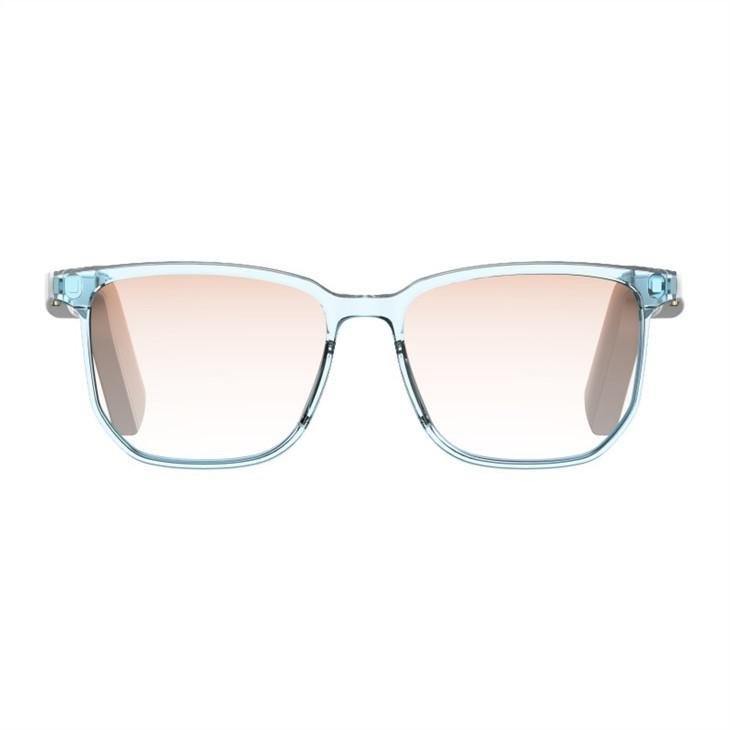
Our Smart Glasses Bluetooth Call integrate HUD capabilities with seamless communication features, enabling instructors to provide real-time verbal guidance without interrupting the trainee's visual focus on the road ahead.
Augmented Reality Scenario Overlay
Augmented reality overlays can transform an ordinary driving range into a dynamic training environment. Trainees wearing AR-enabled smart glasses might see virtual pedestrians crossing unexpectedly, vehicles emerging from side streets, or traffic signals changing in response to their speed and position. This flexibility allows training programs to expose students to rare but critical situations—such as animal crossings or adverse weather effects—without the safety risks of actual road conditions.
Biometric Feedback Integration
Advanced smart glasses for training applications can incorporate biometric sensors that monitor the driver's physiological state. Heart rate variability, eye movement patterns, and stress indicators provide valuable data about the trainee's cognitive load and emotional regulation while driving. Instructors can use this information to identify when a student is becoming overwhelmed and adjust the training difficulty accordingly.
Benefits for Training Organizations
Adopting smart glasses technology delivers measurable advantages for driver training organizations looking to scale their operations and improve learner outcomes.
Reduced Training Costs
Simulated practice through smart glasses significantly decreases the number of actual vehicle hours required per student. Fuel consumption, vehicle maintenance, and instructor time all decrease when trainees can practice essential skills in simulated environments. Training centers report cost reductions of 30-40% when integrating smart glasses into their curricula, with corresponding improvements in throughput capacity.
Enhanced Safety Outcomes
By allowing trainees to make mistakes in virtual scenarios, smart glasses training prepares students for hazardous situations they might otherwise encounter unprepared on public roads. Statistics from pilot programs show that graduates of AR-enhanced training demonstrate better hazard perception skills and more confident decision-making during actual driving tests.
Scalable Learning Experiences
Smart glasses enable training centers to scale their operations without proportional increases in vehicles, instructors, or facility space. Multiple trainees can practice simultaneously in the same physical environment, each experiencing customized scenarios matched to their skill level. This scalability is particularly valuable for commercial fleet operators training large numbers of drivers for specific vehicle types or delivery routes.
Technology Comparison: Smart Glasses vs Traditional Training Methods
| Feature | Traditional Training | Smart Glasses Simulation |
|---|---|---|
| Scenario Flexibility | Limited by physical environment | Unlimited virtual scenarios |
| Hazard Exposure | Relies on chance encounters | Controlled, repeatable exposure |
| Instructor Feedback | Real-time but verbal only | Visual, audio, and biometric data |
| Cost per Training Hour | Higher (vehicle, fuel, maintenance) | Lower (shared device, no vehicle) |
| Student Throughput | Constrained by vehicle availability | Scalable with device quantity |
| Weather Dependencies | Training affected by conditions | Consistent year-round operation |
OEM/ODM Manufacturing Opportunities
For B2B buyers, distributors, and brands, partnering with an experienced smart glasses manufacturer in China opens doors to customized solutions tailored to specific training requirements. OEM (Original Equipment Manufacturer) and ODM (Original Design Manufacturer) partnerships offer several strategic advantages for organizations entering or expanding in the driver training technology market.
Custom Hardware Development
Working with a manufacturing partner allows organizations to specify exact hardware requirements for their training applications. This might include enhanced HUD optics for optimal readability during daytime driving, extended battery life for full training session duration, or ruggedized construction suitable for intensive training center use. Custom tooling and branding options ensure the final products reflect your organization's identity and quality standards.
Software Integration Capabilities
Successful smart glasses deployment in driver training requires seamless integration with learning management systems, scenario authoring tools, and assessment platforms. Manufacturing partners with software development capabilities can deliver turnkey solutions that include both hardware and purpose-built software, reducing complexity for buyers and ensuring optimal performance across the entire training ecosystem.
Volume Production Economics
Chinese manufacturing facilities offer significant economies of scale for smart glasses production. Established supply chains for optical components, display modules, batteries, and wireless modules enable competitive pricing without compromising quality. For organizations planning large-scale deployments across multiple training centers or regions, these production economics can dramatically improve project viability and return on investment.
Implementation Considerations for Training Centers
Organizations evaluating smart glasses adoption should consider several practical factors that influence successful deployment. Infrastructure requirements include compatible devices for trainees, instructor control stations, and network connectivity for data synchronization and progress tracking. Training program design must integrate simulated practice effectively with road time, ensuring students develop both virtual skills and real-world competencies.
Device management becomes increasingly important as training centers scale their smart glasses fleets. Robust construction quality minimizes repair and replacement costs, while modular designs facilitate efficient servicing. Manufacturer support agreements should address warranty coverage, software updates, and spare parts availability to maintain consistent training operations.
Market Trends Driving Adoption
The driver training technology market is experiencing strong growth driven by regulatory pressure, insurance incentives, and rising consumer expectations. Several factors accelerate adoption across different regions and market segments.
Regulatory bodies in multiple countries now recognize simulated training components as valid alternatives to minimum road hour requirements. This regulatory acceptance creates formal channels for integrating smart glasses technology into certified training programs. Insurance providers increasingly offer premium discounts for drivers who complete recognized simulation-based training, creating direct financial incentives for learners to seek programs utilizing smart glasses technology.
Fleet operators represent another significant market segment adopting smart glasses training solutions. Commercial delivery services, transportation companies, and logistics organizations use the technology to standardize onboarding for new drivers, maintain consistent training quality across multiple locations, and reduce accident rates that drive insurance costs and operational disruptions.
Future Directions in Driver Training Technology
The evolution of smart glasses technology continues to expand possibilities for driver training applications. Improvements in display resolution, field of view, and processing power enable more immersive and realistic training scenarios. Artificial intelligence integration allows for adaptive difficulty adjustment based on real-time performance assessment, creating personalized learning paths for each trainee.
Emerging technologies such as eye-tracking will enable more sophisticated assessment of visual attention patterns, helping instructors identify where trainees need additional practice. Haptic feedback integration may provide physical cues for hazard awareness, complementing visual and audio information delivery. These advances will further enhance the effectiveness of simulated practice and increase the value proposition for training organizations.
Partnering for Success in Smart Glasses Manufacturing
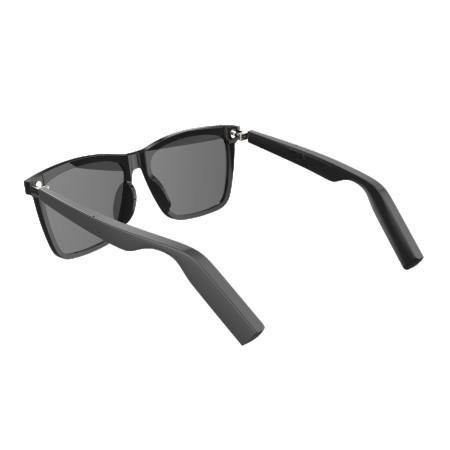
Selecting the right manufacturing partner is critical for organizations developing smart glasses products for driver training applications. Quality assurance processes, production capacity, and communication efficiency all influence project outcomes and long-term business success. Manufacturing partners with demonstrated experience in wearable technology and proven track records with B2B clients can help navigate technical challenges and bring products to market efficiently.
Our facility specializes in custom smart glasses development for specialized applications including driver training simulation. We work closely with clients throughout the product development lifecycle, from initial concept validation through mass production and ongoing support. Our engineering team understands the unique requirements of training applications and can recommend optimal specifications for your specific use cases.
Ready to Explore Smart Glasses Manufacturing?
The driver training industry presents substantial opportunities for organizations positioned to deliver innovative smart glasses solutions. Whether you are a training center looking to enhance your technology offerings, a distributor seeking exclusive products for your regional market, or a brand developing a comprehensive driver training platform, we have the manufacturing expertise and production capabilities to support your ambitions.
Contact our team to discuss your requirements, request samples, or explore collaborative development options for your smart glasses product line. Our experienced engineers will work with you to define specifications, optimize designs for manufacturability, and establish production schedules that meet your market entry timeline. Let us help you bring effective smart glasses solutions to the driver training market and position your organization for success in this growing industry segment.
