
Posted At: Nov 12, 2026 - 309 Views

When sourcing fashion smart music call glasses or any smart eyewear from Chinese manufacturers, understanding CIF pricing can significantly impact your bottom line. Cost Insurance Freight (CIF) is one of the most common Incoterms used in international trade, and mastering this pricing model gives procurement teams a competitive edge when negotiating with smart glasses factories.
This comprehensive guide walks you through every component of CIF pricing, helping you evaluate quotes accurately and avoid unexpected costs in your smart glasses supply chain.
What Exactly is CIF in Smart Glasses Procurement?
CIF stands for Cost, Insurance, and Freight. Under this Incoterm, the seller is responsible for delivering goods to the destination port, covering the cost of goods, marine insurance, and all transportation expenses until the shipment arrives at the buyer's designated port. This arrangement simplifies budgeting for B2B buyers who want a single, predictable cost figure.
For smart glasses manufacturers in China, CIF pricing typically includes:
- Raw material costs for lenses, frames, and electronic components
- Manufacturing labor and assembly charges
- Quality control inspection fees
- Packaging materials suitable for international shipping
- Export customs documentation
- Marine insurance coverage during transit
- Freight charges from Chinese port to destination port
Understanding these components helps you compare quotes apples-to-apples when evaluating different smart glasses factories. Some manufacturers bundle expenses differently, so knowing what CIF truly includes prevents misunderstandings later in the procurement process.
Breaking Down Smart Glasses Manufacturing Costs
The actual production cost of smart glasses involves multiple layers that B2B buyers should understand before requesting quotes. Component costs alone can vary dramatically depending on specifications like display technology, audio quality, battery capacity, and frame materials.
Electronic Component Expenses
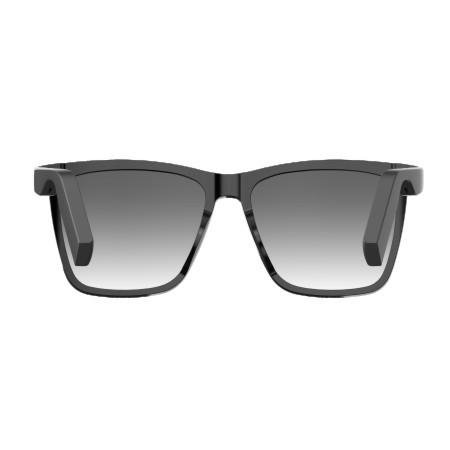
Smart glasses require sophisticated electronics including Bluetooth modules, micro speakers, microphones, rechargeable batteries, and sometimes display overlays or AR components. When sourcing products like HD stereo music glasses, the electronic components often represent 40-60% of the total manufacturing cost.
Display-capable smart glasses with augmented reality features command premium pricing due to specialized components like waveguide lenses, micro-OLED displays, and advanced sensors. These components require precise calibration and testing, adding to both material and labor costs.
Frame and Lens Materials
Frame construction ranges from budget-friendly ABS plastics to premium titanium, acetate, or aluminum alloys. Lens options similarly span basic polycarbonate to polarized, photochromic, or blue-light filtering varieties. For products like anti-ultraviolet sunglasses UV400, specialized lens coatings add approximately 15-25% to the base lens cost.
Labor and Assembly Considerations
Chinese smart glasses factories employ skilled technicians for electronic assembly, quality testing, and final packaging. Labor costs vary by region, with factories in Guangdong and Zhejiang provinces offering competitive rates. Complex products requiring hand assembly, such as precision audio components or multi-sensor arrays, naturally incur higher labor charges.
Insurance Coverage in CIF Smart Glasses Shipments
Marine insurance protects both buyers and sellers against loss or damage during international transit. Under CIF terms, sellers must procure minimum insurance coverage—typically 110% of the goods' value against standard risks like damage, theft, and weather-related losses.
For high-value smart glasses shipments, B2B buyers should verify coverage adequacy. Electronics shipments face specific risks including:
- Physical damage from handling or container shifts
- Water damage from humidity or flooding
- Temperature fluctuations affecting battery components
- Theft or piracy in certain shipping routes
- Customs delays leading to component degradation
Many buyers opt for additional coverage beyond the standard CIF minimum, particularly when shipping premium products like voice call smart glasses with integrated electronics. Discuss insurance specifications with your manufacturer upfront to ensure adequate protection for your shipment value.
Freight Logistics for Smart Glasses from China
Transportation costs constitute a significant portion of CIF pricing, and understanding shipping dynamics helps you optimize procurement timing and costs. Most smart glasses shipments from Chinese factories travel via sea freight, with air freight reserved for urgent or sample orders.
Sea Freight Options
Full container loads (FCL) offer the most economical shipping for bulk smart glasses orders. A standard 20-foot container typically holds 3,000-5,000 units depending on packaging dimensions, while 40-foot containers accommodate 6,000-10,000 units. Less than container load (LCL) shipments become cost-effective for smaller orders but involve additional handling.
Major Shipping Routes
Understanding common shipping routes helps B2B buyers anticipate transit times and costs:
| Route | Transit Time | Cost Factor |
|---|---|---|
| Shenzhen/Guangzhou to Los Angeles | 12-16 days | Baseline |
| Shanghai to Rotterdam | 28-35 days | +15-20% |
| Shenzhen to Sydney | 14-18 days | +5-10% |
| Hong Kong to Dubai | 10-14 days | +8-12% |
Port Selection Impact
CIF destination port selection affects overall costs. Major ports like Los Angeles, Rotterdam, and Singapore offer frequent sailings and competitive rates, while smaller ports may require transshipment, adding both time and expense. Factor port accessibility into your supply chain planning when evaluating CIF quotes.
Negotiating CIF Terms with Smart Glasses Manufacturers
Effective negotiation requires understanding manufacturer cost structures and market conditions. Chinese smart glasses factories operate on thin margins, but buyers who demonstrate serious partnership potential often secure better pricing tiers.
Volume Commitments
Order volume directly impacts per-unit pricing. Manufacturers can offer significant discounts for commitments of 2,000+ units per order or annual volumes exceeding 10,000 units. When negotiating CIF terms, present realistic forecasts to unlock volume-based pricing structures.
Payment Term Considerations
Standard payment terms in Chinese manufacturing typically involve 30-50% deposit with balance paid before shipment. Experienced B2B buyers negotiate payment structures that align with their cash flow needs while providing manufacturers adequate security. Letters of credit offer additional protection for substantial orders.
Long-Term Partnership Benefits
Manufacturers value long-term relationships over one-time transactions. Demonstrating commitment to ongoing business often results in better pricing, priority production scheduling, and enhanced quality attention. Share your growth projections and product roadmap to position yourself as a strategic partner rather than a transactional buyer.
Hidden Costs to Watch for in CIF Quotes
Savvy B2B buyers identify potential extras that might not be immediately apparent in CIF pricing. Understanding these hidden costs prevents budget overruns and ensures accurate total cost of ownership calculations.
Inspection and Certification Fees
Quality inspection services, whether conducted by the manufacturer or third-party agencies, typically incur additional charges. Product certifications like CE, FCC, or regional compliance testing add further costs. Factor these expenses into your initial budgeting rather than encountering them as surprises.
Customs and Duties
While CIF covers delivery to the destination port, import duties, taxes, and customs brokerage remain the buyer's responsibility. Smart glasses typically fall under harmonized tariff codes with rates ranging from 0-10% depending on product specifications and import country. Work with a customs broker to accurately estimate landed costs.
Warehousing and Distribution
Post-port expenses including drayage, warehousing, and last-mile delivery to your distribution centers add to your total procurement cost. These expenses vary significantly by location and should be incorporated into supply chain planning.
Quality Assurance in Smart Glasses Manufacturing
CIF pricing from reputable manufacturers should include quality control measures appropriate to your order size and market requirements. Understanding quality processes helps buyers evaluate whether quoted prices adequately cover necessary inspection standards.
Inspection Protocols
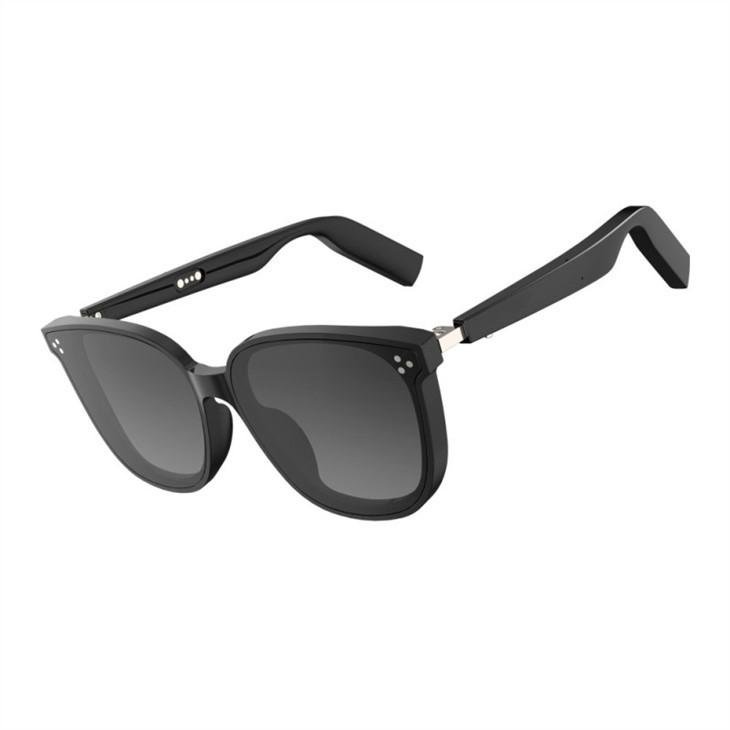
Standard quality checks include visual inspection, functionality testing, packaging verification, and sample testing. For electronics like wireless speaker sunglasses, testing typically covers Bluetooth pairing, audio quality, microphone clarity, battery performance, and water resistance where applicable.
Acceptable Quality Level (AQL) Standards
Most manufacturers apply AQL sampling standards for batch inspection, commonly using AQL 2.5 for general inspection and AQL 1.0 for critical characteristics. Understanding AQL levels helps set realistic quality expectations and prevents disputes over acceptable defect rates.
Timeline Considerations for CIF Shipments
Planning production and shipping timelines ensures smooth procurement cycles. Typical smart glasses orders require 25-45 days for production, followed by 10-35 days for sea freight depending on destination. Build buffer time for quality inspection, customs clearance, and potential delays into your procurement calendar.
For seasonal products or promotional launches, coordinate with manufacturers well in advance to secure production slots and optimal shipping schedules. Rush orders typically incur premium pricing of 15-30% and may compromise quality control timelines.
Making Informed Procurement Decisions
Understanding CIF pricing fundamentals empowers B2B buyers to evaluate smart glasses manufacturing quotes with confidence. The key is recognizing that the lowest price rarely represents the best value when quality, reliability, and service are considered.
Request detailed CIF breakdowns from multiple manufacturers, comparing component costs, insurance coverage, and freight charges separately. This granular analysis reveals pricing strategies and helps identify opportunities for negotiation. Reputable factories welcome detailed questions about their pricing structures.
Consider total landed cost rather than unit price alone. A slightly higher CIF quote from a manufacturer with superior quality processes, better communication, and reliable delivery may prove more economical than pursuing the lowest initial price and absorbing hidden costs later.
Ready to explore smart glasses manufacturing options for your brand? Our team at Smart Glasses Factory specializes in OEM and ODM production for distributors, brands, and retailers worldwide. We provide transparent CIF quotations with detailed cost breakdowns, comprehensive quality assurance, and flexible shipping solutions tailored to your business needs. Browse our product portfolio or contact our procurement specialists today to discuss your smart glasses requirements and receive a customized CIF quote for your next order.
