
Posted At: Aug 03, 2026 - 18 Views

Every second counts when an ambulance rushes through city streets. Paramedics face split-second decisions where access to the right information at the right moment can mean the difference between life and death. Traditional methods of accessing patient records, communicating with hospital staff, or following procedural guidelines often require operators to divert attention from the patient—until now. Smart glasses are emerging as a game-changing tool in emergency medical services, giving ambulance crews the power to stay fully engaged with their patients while accessing digital resources in real time.
The integration of wearable technology into pre-hospital emergency care represents one of the most significant advances in paramedicine in recent years. These devices go far beyond simple communication headsets, offering sophisticated augmented reality displays, biometric monitoring capabilities, and seamless connectivity with hospital systems. For businesses seeking to enter this expanding market, understanding the technology, applications, and manufacturing considerations has never been more critical.
The Evolution of Paramedic Technology
Emergency medical services have continuously adapted to incorporate technological advances. From the introduction of mobile phones for dispatch to digital patient care reporting systems, each innovation has streamlined how paramedics deliver care. Smart glasses represent the next logical step in this evolution, addressing a fundamental challenge that has persisted throughout the history of emergency medicine: the need to access information without breaking physical contact with the patient.
In the past, paramedics relied on paper charts, clipboards, and eventually tablet devices to document care and access protocols. While these tools improved record-keeping and consistency, they still required divided attention. A paramedic checking a dosage chart on a tablet must physically look away from the patient, potentially missing subtle changes in condition. Smart glasses eliminate this compromise entirely, overlaying critical information directly into the wearer's field of vision.
Real-World Applications in Emergency Situations
The practical applications of smart glasses in ambulance settings span a remarkable range of scenarios. During cardiac emergencies, paramedics can access Advanced Cardiovascular Life Support algorithms without interrupting chest compressions or other life-saving interventions. The medication dosages, shock sequences, and timing protocols appear directly in their visual field, ensuring adherence to established guidelines even under extreme pressure.
Trauma assessment becomes more systematic when smart glasses can guide paramedics through systematic evaluation protocols. The device can display checklist items, highlight areas of concern, and even use computer vision to assess visible injuries. This structured approach reduces the cognitive load on responders and minimizes the risk of overlooking critical injuries, particularly in mass casualty incidents where multiple patients require rapid triage.
Pediatric emergencies present unique challenges due to the specialized knowledge required for different age groups and sizes. Smart glasses can display age-appropriate vital sign ranges, equipment sizes, and medication dosages based on entered patient information. This capability proves invaluable for paramedics who may not regularly treat pediatric patients, providing the specialized knowledge typically found only in pediatric emergency departments.
Remote Guidance and Telemedicine Integration
Perhaps the most transformative application of smart glasses in ambulance services involves real-time remote consultation. When paramedics encounter complex situations beyond their immediate expertise, they can connect via video link with emergency physicians, trauma specialists, or other experts who can see exactly what the paramedic sees. The treating physician observes the patient through the paramedic's point of view, guiding examination techniques, interpreting findings, and advising on treatment decisions.
This capability proves particularly valuable in rural areas where advanced medical expertise may be far away but smartphone connectivity exists. A paramedic managing a complex obstetric emergency, a severe burn case, or a neurological event can receive real-time guidance from specialists hundreds of miles away. The result is that patients receive hospital-quality decision-making support regardless of their geographic location.
The hands-free nature of smart glasses proves essential during these consultations. Paramedics maintain complete use of both hands while following remote guidance, allowing them to perform procedures, administer medications, or operate equipment while receiving instructions. This interaction feels remarkably natural compared to holding a phone or tablet while trying to work.
Documenting Care in Real Time
Patient care documentation has traditionally occurred after the fact, with paramedics completing reports at the station following their shift. This approach introduces delays and potential inaccuracies as memories fade and details blur. Smart glasses can automate significant portions of documentation through voice recognition, automatic timestamps, and integration with cardiac monitors and other equipment.
When a paramedic declares a cardiac arrest, the smart glasses automatically log the time, capture vital signs as they are recorded, and begin documenting interventions as they occur. Voice commands allow hands-free notation of patient responses, examiner findings, and environmental observations. This approach produces more accurate records, reduces administrative burden on paramedics, and ensures that hospital teams receive complete information before the patient arrives.
Technical Requirements for Medical-Grade Smart Glasses
Not all smart glasses meet the demanding requirements of emergency medical applications. Paramedic work involves physical activity, variable lighting conditions, exposure to blood and other bodily fluids, and operation in confined spaces like ambulance interiors. Successful deployment requires careful attention to hardware specifications and durability standards.
Display Technology
The optical system must perform reliably across bright sunlight, interior lighting, and the dim illumination typical of nighttime scenes. High-contrast displays ensure readability in all conditions, while transparent optics maintain situational awareness of the physical environment. For augmented reality overlays, image sharpness and registration accuracy directly impact usability.
Field of view represents a critical consideration. Too narrow a field forces users to look around the edges of the display; too wide risks visual discomfort and information overload. Medical applications typically benefit from medium field-of-view systems that present information naturally without inducing fatigue during extended wear.
Audio Systems
Paramedics work in extremely noisy environments—sirens, traffic, generators, and distressed patients all compete acoustically. The audio system must deliver clear communication while protecting hearing from harmful noise levels. Directional microphones with advanced noise cancellation enable reliable voice commands and communication even in these challenging acoustic environments.
Our Bluetooth Audio Glasses incorporate advanced audio technology designed for demanding environments, featuring noise-canceling microphones and hearing protection capabilities that address these exact challenges. The open-ear audio design maintains awareness of environmental sounds while ensuring clear communication.
Durability and Hygiene
Emergency medical equipment faces exposure to fluids, physical impacts, temperature extremes, and rigorous cleaning protocols. Smart glasses intended for ambulance use must meet IP54 or higher ingress protection ratings, withstand repeated disinfection with medical-grade cleaners, and survive the inevitable drops and bumps of pre-hospital care.
Materials selection significantly impacts both durability and comfort. Extended wear during long shifts demands lightweight construction without sacrificing structural integrity. Many medical-grade smart glasses incorporate antimicrobial coatings and materials designed specifically for healthcare environments.
Battery Life and Charging
Ambulance shifts extend well beyond typical workdays, with emergency calls arriving at unpredictable intervals. Smart glasses must deliver sufficient battery life for complete shifts while supporting rapid charging during vehicle turnover. Hot-swap battery systems in some models allow continuous operation without device downtime.
Connectivity and Integration Challenges
Smart glasses only deliver value when connected to the broader healthcare information ecosystem. This integration presents significant technical and organizational challenges that must be addressed during deployment planning. Hospital systems, dispatch networks, electronic health records, and emergency medical services databases all need secure, reliable connectivity.
Network reliability varies dramatically across service areas. Urban environments typically offer strong cellular coverage, but rural areas may present connectivity gaps. Successful smart glass deployments incorporate offline functionality, allowing critical features to operate without continuous network access. Synchronization occurs automatically when connectivity returns, ensuring no data loss during coverage interruptions.
Security and privacy considerations mandate HIPAA-compliant data handling throughout the system. All communication channels require encryption, and stored patient data must meet healthcare privacy standards. These requirements influence both hardware specifications and software architecture decisions.
Market Overview and Industry Growth
The market for smart glasses in healthcare generally, and emergency services specifically, is experiencing substantial growth. Industry analysts project continued expansion as technology improves, costs decline, and successful deployments demonstrate clear value propositions. Several factors are driving this growth trajectory.
First, display and computing technology has matured to the point where consumer-grade components can be adapted for medical applications at reasonable price points. Second, 5G network expansion is enabling the real-time data transmission that many advanced applications require. Third, the COVID-19 pandemic accelerated interest in remote consultation and telemedicine capabilities that smart glasses uniquely enable.
The emergency medical services segment specifically benefits from increased focus on paramedic retention and recruitment. Smart glasses can reduce the cognitive burden on paramedics, potentially making the profession more sustainable for longer careers. Training efficiency improvements also appeal to services struggling with turnover and onboarding challenges.
| Application Area | Key Benefits | Adoption Stage |
|---|---|---|
| Remote Consultation | Specialist access, reduced transport | Early Adoption |
| Procedure Guidance | Error reduction, confidence | Pilot Programs |
| Documentation | Accuracy, efficiency | Growing Adoption |
| Training Support | Faster onboarding, skill retention | Early Adoption |
| Patient Monitoring | Continuous vitals, alerts | Development |
OEM/ODM Manufacturing Considerations
Businesses entering the medical smart glasses market face important decisions regarding manufacturing strategy. Building proprietary manufacturing capabilities requires substantial capital investment and specialized expertise. Working with established OEM/ODM partners offers faster market entry and access to proven technologies, but requires careful vendor selection and relationship management.
When evaluating manufacturing partners, several factors warrant particular attention. Medical device experience indicates familiarity with quality management systems, regulatory requirements, and the documentation practices that healthcare customers demand. Production capacity ensures ability to scale as deployments grow, while flexibility accommodates custom configurations and iterative product improvements.
China-based manufacturers have emerged as leading partners for smart glasses production globally. The combination of mature supply chains, experienced engineering talent, and competitive manufacturing costs creates compelling value propositions. Services like those offered by Smart Glasses Factory provide comprehensive support from design through production, enabling brands to focus on market development rather than manufacturing complexity.
Customization and Branding
Medical customers increasingly demand customization options that reflect their organizational identity and operational requirements. Successful OEM partnerships offer flexible customization across multiple dimensions—physical design modifications, software feature sets, packaging and documentation, and integration capabilities with existing systems.
The ability to white-label products allows healthcare organizations and distributors to deploy solutions under their own brands, strengthening market position and customer relationships. This approach separates manufacturing expertise from brand ownership, enabling businesses to compete on market knowledge and customer service rather than production capabilities.
Regulatory Pathways and Certification Requirements
Medical devices face rigorous regulatory scrutiny before market authorization. In the United States, the Food and Drug Administration classifies many smart glasses applications as medical devices requiring premarket review. The European Union mandates CE marking under the Medical Device Regulation. Other markets maintain their own approval processes that must be navigated for global distribution.
Regulatory strategy should be addressed early in product development, as certification requirements influence design decisions, testing protocols, and documentation practices. Working with manufacturing partners experienced in medical device production helps ensure that necessary quality systems and design controls are implemented from the project outset.
Implementation Best Practices
Successful smart glass deployment in ambulance services requires more than selecting appropriate hardware. Organizations must address training programs, workflow integration, technical support structures, and change management practices. Rushing to deployment without adequate preparation typically produces disappointing results and negative user experiences.
Pilot programs offer valuable opportunities to validate technology choices, refine workflows, and build user acceptance before system-wide rollout. Starting with volunteer early adopters who understand the technology's potential often produces better outcomes than mandatory deployment. These pilots generate evidence for skeptical stakeholders and identify issues before they affect large numbers of users.
Technical support infrastructure deserves particular attention. Smart glasses involve both hardware and software components, often requiring coordination between multiple vendors and internal IT departments. Clear support escalation paths, responsive help desk capabilities, and rapid hardware replacement programs address the reality that technology failures in emergency services carry serious consequences.
Choosing the Right Manufacturing Partner
The selection of a manufacturing partner shapes nearly every aspect of a smart glasses deployment's success. Beyond basic production capabilities, consider the partner's experience with medical applications, their commitment to quality systems, and their willingness to invest in long-term relationships rather than transactional engagements.
Visit facilities when possible to assess manufacturing conditions, quality practices, and workforce capabilities. Request samples for thorough evaluation, including environmental testing and extended wear assessment. Speak with existing customers about their experiences with delivery reliability, quality consistency, and responsive support when challenges arise.
At Smart Glasses Factory, we specialize in smart eyewear solutions for professional applications, including healthcare and emergency services deployments. Our engineering team works closely with clients to understand specific requirements and translate them into manufacturable designs. We maintain rigorous quality management systems appropriate for medical device production and offer flexible engagement models from initial prototype through volume manufacturing.
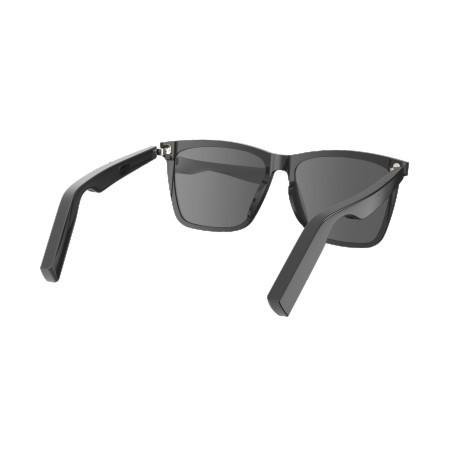
The Future of Paramedic Smart Glasses
Technology continues advancing along multiple vectors that will enhance smart glasses capabilities in coming years. Artificial intelligence and machine learning will enable more sophisticated augmented reality overlays, predictive analytics, and automated monitoring features. Miniaturization will reduce device size and weight while increasing processing power and battery life.
5G and future network generations will enable richer remote consultation experiences with higher resolution video, more responsive interaction, and support for collaborative multi-party consultations. Edge computing capabilities will reduce latency and enable sophisticated processing without constant cloud connectivity.
Integration with additional sensors and devices will expand functionality further. Smart glasses may eventually serve as central hubs coordinating multiple wearable devices on the paramedic and patient, aggregating data streams into unified displays and alerts. The evolution from standalone device toward connected ecosystem represents the likely path forward.
For ambulance services considering smart glass deployment, now is an opportune time to explore available options. Technology has matured to production readiness, successful deployments have demonstrated value propositions, and manufacturing partners offer increasing flexibility for custom configurations. The window for early adoption advantage remains open, though it will not remain so indefinitely.
Partner for Success
Bringing smart glasses to emergency medical services requires navigating technology selection, regulatory compliance, workflow integration, and ongoing support. The complexity of these deployments demands manufacturing partners who understand both the technology and the application context.
Whether you represent a healthcare organization planning deployment, a distributor seeking product supply, or a brand developing a market presence, we invite you to explore how our manufacturing capabilities can support your objectives. Our team brings extensive experience in smart eyewear production with particular expertise in professional and medical applications.
Contact us today to discuss your requirements and discover how we can help bring your smart glasses vision to life. Together, we can deliver technology that genuinely improves how paramedics serve their communities, one emergency at a time.
