
Posted At: Jun 08, 2026 - 2,231 Views

The smart wearables market continues to expand at an remarkable pace, and smart glasses have emerged as one of the most promising product categories for brands seeking to differentiate themselves. However, for B2B buyers, distributors, and emerging brands, one of the most significant barriers to entry has traditionally been the minimum order quantity (MOQ) requirements set by manufacturers. Understanding how OEM minimum order quantity flexibility works can transform your go-to-market strategy and help you launch products with greater confidence and reduced financial risk.
What Is OEM Manufacturing in the Smart Glasses Industry?
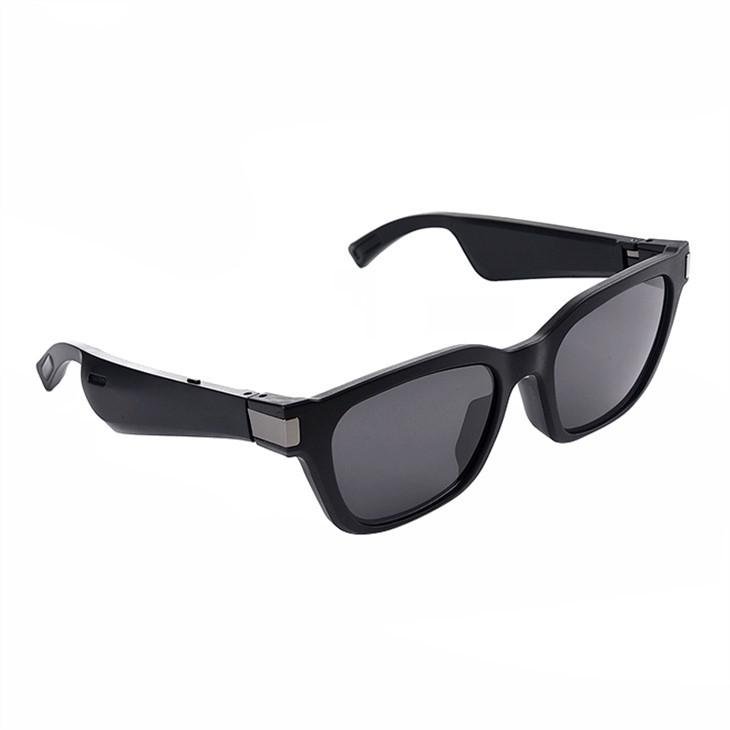
OEM, or Original Equipment Manufacturing, refers to a production arrangement where a manufacturer creates products that are then branded and sold by another company. In the smart glasses sector, Android fashion Bluetooth smart glasses exemplify this model perfectly—featuring cutting-edge technology packaged in stylish designs that brands can private-label and market under their own identity.
Working with an OEM partner in China offers substantial advantages: access to advanced manufacturing capabilities, competitive pricing structures, and the technical expertise required to produce sophisticated electronic eyewear. The relationship between brand and manufacturer goes beyond simple production; it encompasses product development, quality control, and ongoing support throughout the product lifecycle.
Understanding Minimum Order Quantity Requirements
Minimum Order Quantity represents the smallest number of units a manufacturer will produce in a single production run. This figure accounts for various operational considerations, including setup costs, component procurement, and production line allocation. For smart glasses OEM partnerships, MOQ requirements can vary dramatically depending on the complexity of the product and the manufacturer's production capabilities.
Typical MOQ Ranges in Smart Glasses Manufacturing
The smart glasses industry presents diverse MOQ structures to accommodate different business models and market strategies:
- Entry-level audio sunglasses: Often available with MOQs ranging from 50-200 units, making them ideal for market testing and boutique brand launches
- Mid-range smart audio glasses: Generally requiring 200-500 units for standard configurations
- Advanced AR-enabled devices: Typically necessitating 500+ units due to component costs and manufacturing complexity
- Fully customized flagship products: May require 1000+ units to justify dedicated production resources
These variations reflect the underlying economics of smart glasses production, where component costs, assembly complexity, and quality testing requirements directly influence what manufacturers can offer in terms of flexibility.
The Advantages of Low MOQ Arrangements
For many B2B buyers, particularly those in the early stages of brand development or exploring new product categories, low MOQ options represent an opportunity to enter the market with controlled risk exposure. Wireless speaker sunglasses demonstrate how manufacturers can produce attractive, market-ready products in quantities that suit emerging brands and smaller distributors.
Risk Mitigation Through Flexible Ordering
Lower MOQ requirements enable brands to test market demand before committing to large-scale production. This approach proves particularly valuable for seasonal products, limited edition releases, or geographic market testing. By starting with smaller quantities, brands can gather real-world feedback, refine their product offerings, and scale production based on actual market performance rather than projected demand.
Reduced Capital Requirements
Inventory carrying costs represent a significant consideration for businesses of all sizes. Lower initial order quantities mean reduced upfront investment, freeing working capital for marketing, distribution development, and other business growth initiatives. This financial flexibility can be the difference between a successful market entry and a cash-strapped launch that fails to achieve distribution objectives.
Faster Time to Market
Smaller production runs typically move through manufacturing queues more quickly than large-scale orders. For brands racing to establish market presence or capitalize on emerging trends, this accelerated timeline can provide crucial competitive advantages. Understanding the relationship between order size and lead time helps B2B buyers plan their launch strategies more effectively.
Factors Influencing MOQ Flexibility
Several interconnected factors determine what minimum order quantities manufacturers can offer. Understanding these elements helps B2B buyers evaluate partnership opportunities and negotiate terms that align with their business objectives.
Component Procurement and Supply Chain Considerations
Smart glasses require numerous specialized components, including Bluetooth modules, batteries, speakers, optical elements, and control interfaces. Component suppliers often have their own minimum order requirements, which cascade through the supply chain. Manufacturers with established supplier relationships and flexible component sourcing strategies can often offer more accommodating MOQ structures to their clients.
Production Setup and Tooling
Every production run incurs setup costs regardless of volume. Assembly line configuration, quality testing equipment calibration, and packaging line adjustments represent fixed costs that must be amortized across production volume. Products requiring custom tooling or specialized fixtures face higher setup costs, which directly impacts minimum viable order quantities. However, products utilizing standard components and existing production configurations often qualify for reduced MOQ arrangements.
Quality Assurance Requirements
Rigorous quality testing represents a non-negotiable aspect of smart glasses manufacturing. Each unit must undergo electronic functionality verification, acoustic testing, battery performance validation, and physical inspection. These testing procedures have inherent costs that scale with production volume, influencing the minimum quantities manufacturers can accept while maintaining profitable operations.
Customization Options Within Flexible MOQ Frameworks
B2B buyers often assume that low MOQ arrangements limit customization possibilities. In reality, experienced OEM partners can accommodate various levels of product customization even within flexible ordering structures. Office anti-blue light glasses illustrate how specialized features can be incorporated into products designed for specific use cases and market segments.
Available Customization Levels
Logo and Branding Integration: Most manufacturers offer laser engraving, printed logos, and custom packaging with relatively low minimum quantities, often starting at 50-100 units for branding elements.
Color and Finish Variations: Production runs can often accommodate multiple color options within a single order, allowing brands to test market preferences without committing entirely to single-color inventory.
Component Specification: Audio quality levels, battery capacity, and feature sets can often be configured to meet specific market requirements while maintaining reasonable production volumes.
Packaging Customization: From simple branded boxes to complete retail packaging solutions, customization options exist across a wide range of minimum order quantities.
Comparing Product Categories and Their MOQ Implications
Different smart glasses categories present distinct MOQ dynamics based on their technological complexity and target markets. A strategic understanding of these differences helps B2B buyers select appropriate product types for their business models.
| Product Category | Typical MOQ Range | Complexity Level | Best Suited For |
|---|---|---|---|
| Audio Sunglasses | 50-200 units | Moderate | Entry-level brands, retail testing |
| Music Glasses | 100-300 units | Moderate-High | Sports and lifestyle brands |
| Voice Call Smart Glasses | 200-500 units | High | Professional and business segments |
| Polarized Smart Sunglasses | 150-400 units | Moderate-High | Outdoor and sport brands |
| AR-Enabled Devices | 500-1000+ units | Very High | Established tech brands |
Evaluating OEM Partners: Beyond MOQ Numbers
While minimum order quantity represents an important consideration, B2B buyers should evaluate potential OEM partners across multiple dimensions to ensure successful long-term partnerships. Smart touch glasses showcase the kind of innovative products that emerge from manufacturers investing in both production capability and R&D resources.
Manufacturing Capabilities Assessment
Production capacity, quality management systems, and technical expertise form the foundation of successful OEM relationships. Buyers should examine facility certifications, production equipment, testing capabilities, and the manufacturer's track record with similar products. A partner offering low MOQ options must also demonstrate the ability to maintain consistent quality across production runs of varying sizes.
Communication and Project Management
Effective communication becomes especially critical when working with lower order quantities, as there is less margin for errors that might be absorbed in larger runs. Evaluate potential partners on their responsiveness, transparency regarding production status, and ability to provide clear documentation throughout the manufacturing process.
Component Sourcing Strength
Manufacturers with established relationships across the electronics supply chain can offer greater flexibility in component selection and more competitive pricing. This sourcing strength translates directly into better MOQ terms for B2B clients, as established suppliers are more willing to accommodate varied order sizes for their manufacturing partners.
Strategic Approaches to MOQ Management
Experienced B2B buyers develop sophisticated strategies for managing MOQ requirements while building their smart glasses business. These approaches balance inventory risk, unit economics, and market expansion opportunities.
Phased Launch Strategies
Rather than attempting to launch simultaneously across multiple markets or distribution channels, consider a phased approach. Begin with an initial production run sufficient for primary market entry, then scale subsequent orders based on actual sales performance and distribution feedback. Smart casual sunglasses work well for this approach, offering everyday appeal across diverse demographic segments.
Product Line Expansion
Start with a core product featuring proven technology and market appeal, then expand your line as the business establishes traction. This strategy allows brands to build relationships with manufacturers while demonstrating ordering consistency, which often leads to more favorable terms over time.
Channel-Specific Inventory Planning
Different sales channels present distinct inventory dynamics. Online marketplaces may favor lower quantities with more frequent reorders, while retail distribution often requires larger initial orders to populate store networks. Understanding these channel-specific requirements helps optimize order quantities and reorder timing.
Cost Implications of MOQ Decisions
While lower MOQ options reduce upfront capital requirements, they typically involve higher per-unit costs compared to larger production runs. B2B buyers must carefully analyze the total cost of ownership, considering not just unit prices but also inventory carrying costs, financing expenses, and potential write-off risks for unsold inventory.
Unit Economics at Different Order Volumes
Production economics follow predictable patterns. Doubling order quantity typically reduces per-unit costs by 10-20%, depending on product complexity and component specifications. This relationship suggests that brands with strong sales velocity can benefit significantly from consolidated larger orders, while slower-moving products may actually cost less overall when ordered in smaller quantities that minimize inventory risk.
Hidden Cost Considerations
Beyond obvious unit costs, B2B buyers should account for shipping expenses (which often favor larger shipments), quality issues that may be more prevalent in very small runs, and the opportunity cost of delayed market entry due to extended production timelines for smaller orders.
Building Long-Term OEM Partnerships
The most successful B2B relationships in smart glasses manufacturing evolve beyond transactional ordering into strategic partnerships that benefit both parties over time. Bluetooth call sunglasses represent the type of product that benefits from sustained partnership approaches, where manufacturing expertise continuously improves product quality and market relevance.
Demonstrating Partnership Value
Manufacturers value clients who provide consistent order flow, clear communication, and collaborative approaches to product development. B2B buyers who demonstrate these qualities often find that their MOQ requirements become increasingly flexible as relationships mature, with some partners willing to accommodate special arrangements for valued clients.
Collaborative Product Development
Long-term partnerships enable increasingly sophisticated product development collaboration. What begins as OEM production of existing designs can evolve into ODM arrangements where manufacturers contribute design expertise and technological capabilities to create truly differentiated products for their clients' brands.
Market Trends Affecting MOQ Flexibility
The smart glasses manufacturing landscape continues to evolve, with several trends influencing what buyers can expect regarding minimum order quantities and production flexibility.
Component standardization is gradually reducing the complexity premiums that previously made small production runs economically challenging. As core technologies like Bluetooth audio modules, battery systems, and control interfaces become more commoditized, manufacturers gain greater flexibility in serving smaller clients.
Modular design approaches also contribute to flexibility, allowing manufacturers to create product variations using shared component platforms. This modularity benefits B2B buyers by enabling customization without requiring completely custom production runs.
Additionally, the growing smart glasses market continues to attract manufacturing investment, increasing production capacity and competitive pressure that benefits buyers seeking favorable terms.
Making Your MOQ Decision
Selecting the right MOQ approach requires honest assessment of your business position, market objectives, and risk tolerance. Emerging brands and market testers benefit most from conservative initial commitments, while established distributors with proven sales channels may find that larger orders provide better unit economics despite increased inventory risk.
Consider starting with a manufacturer that offers flexible MOQ options, then scaling your commitment as the business demonstrates market success. This approach preserves strategic flexibility while building the track record needed to negotiate increasingly favorable terms over time.
The smart glasses market presents genuine opportunity for brands prepared to move strategically. Understanding MOQ flexibility options empowers B2B buyers to make informed decisions that balance risk management with growth objectives, positioning their businesses for long-term success in this dynamic product category.
Ready to explore smart glasses OEM partnership options? Our team welcomes inquiries from brands and distributors seeking manufacturing partners who understand the importance of flexible MOQ arrangements. Let's discuss how we can support your product launch and business growth objectives.
