
Posted At: May 25, 2026 - 1,204 Views

The smart glasses market has experienced dramatic highs and lows over the past decade. From Google Glass creating headlines in 2013 to the recent resurgence driven by Meta's Ray-Ban collaboration and Apple's Vision Pro, the industry has learned costly lessons about what works and what doesn't. For B2B buyers, distributors, and brands seeking smart glasses manufacturing solutions, understanding these failure points is essential for making informed decisions about product development and partnership strategies.
The Anatomy of Smart Glass Failures
When examining why smart glasses fail, industry analysts consistently point to several interconnected factors that have derailed promising products. These challenges extend beyond mere technical limitations and touch upon fundamental questions about consumer adoption, market timing, and product-market fit.
Design and Wearability Issues
Early smart glasses prototypes often prioritized technology over human comfort and aesthetic appeal. Google Glass exemplified this problem, with its conspicuous design making users stand out in public spaces. The device looked foreign on faces, triggering what researchers termed the "Glasshole" effect—social awkwardness that made wearing the technology socially unacceptable in many contexts.
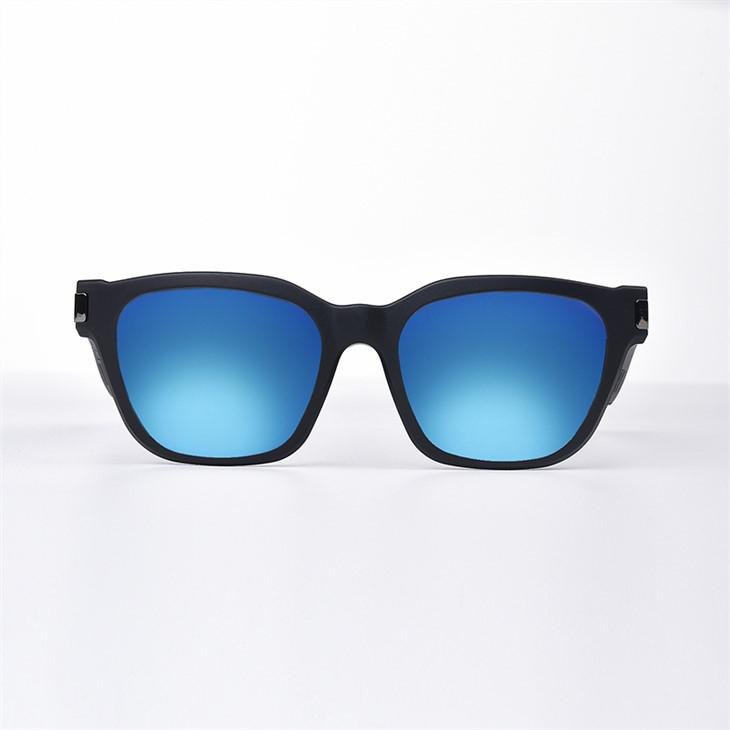
Weight distribution presented another significant challenge. Early devices placed heavy batteries and processing components in frames designed for lightweight corrective lenses. Users experienced fatigue, headaches, and neck strain during extended wear. These Bluetooth call glasses designs from established manufacturers demonstrate how modern engineering addresses these concerns through balanced weight distribution and ergonomic temple designs.
Battery Life Limitations
Power consumption remains one of the most stubborn obstacles in smart glasses development. Consumers expect smartphones to last a full day; they expect even less from wearable devices that must remain lightweight and comfortable. Early Google Glass models offered only 30-45 minutes of active use, rendering them impractical for most professional applications.
The challenge stems from the fundamental physics of battery technology. Smaller form factors require smaller batteries, which inherently store less energy. Additionally, the constant wireless connectivity, display processing, and sensor activity drain power rapidly. Successful modern products have tackled this through efficient processor design, optimized software, and strategic feature limitation.
Privacy and Regulatory Concerns
Camera-enabled smart glasses immediately raised red flags among privacy advocates and regulators. The ability to record people without their explicit knowledge created significant backlash. Restaurants, theaters, and businesses began banning Google Glass wearers, and several jurisdictions considered legislation restricting recording-capable wearables.
This challenge has forced manufacturers to rethink camera implementations. Many modern smart glasses either omit cameras entirely or implement prominent recording indicators. Some enterprise-focused products require authentication and logging features that satisfy regulatory requirements while enabling legitimate business use cases.
Market Analysis: Where Smart Glasses Stand Today
The global smart glasses market shows promising growth trajectory despite historical setbacks. Industry analysts project the market will exceed $60 billion by 2030, representing a compound annual growth rate exceeding 25%. This growth reflects accumulated lessons from past failures and increasingly sophisticated technology ecosystems.
The enterprise segment has emerged as the primary growth driver, with applications in warehouse logistics, field service, healthcare, and manufacturing training showing strong ROI metrics. Meanwhile, consumer adoption accelerates through products that prioritize specific use cases—music listening, hands-free calling, and outdoor activities—over comprehensive feature sets.
Comparative Analysis: Failure Points vs. Success Factors
| Challenge Category | Historical Problem | Modern Solution | Impact on Adoption |
|---|---|---|---|
| Design | Conspicuous, tech-forward aesthetics | Discreet frames resembling conventional eyewear | Significantly improved social acceptance |
| Battery | 30-60 minutes active use | 4-8 hours for targeted use cases | Enables practical daily usage |
| Privacy | Undetectable recording capability | Visible indicators, optional cameras | Reduced regulatory friction |
| Use Case | "What does this do?" confusion | Clear value propositions (music, calls, AR) | Specific buyer segments identified |
| Price | $1,500+ consumer pricing | $100-400 consumer segments | Mass market accessibility |
| Content | Limited app ecosystem | Native functionality, broad compatibility | Immediate utility out-of-box |
The China Manufacturing Advantage
For brands entering the smart glasses market, manufacturing location significantly impacts product success. China-based OEM and ODM facilities offer distinct advantages that address many historical failure points. These benefits extend beyond cost considerations to encompass technical expertise, supply chain integration, and rapid iteration capabilities.
Technical Expertise Concentration
The Pearl River Delta region has developed unparalleled expertise in wearable electronics manufacturing. Component suppliers, optical specialists, and assembly facilities cluster together, creating knowledge ecosystems that accelerate problem-solving. When designing music sports polarized sunglasses, manufacturers can draw upon established suppliers for bone conduction transducers, polarization filters, and Bluetooth modules specifically designed for eyewear applications.
Rapid Prototyping and Iteration
Time-to-market pressures demand rapid product iteration. Chinese manufacturing partners excel at quickly producing prototype units that incorporate design feedback. A concept developed in New York can become a physical prototype in Shenzhen within weeks, enabling iterative refinement that addresses wearability and functionality concerns before committing to mass production.
Supply Chain Integration
Smart glasses require integrating multiple specialized components—displays, batteries, processors, sensors, and optical elements—into cohesive products. Chinese manufacturers have developed established relationships with component suppliers, enabling bulk purchasing advantages and quality control mechanisms that single-source supply chains cannot match. This integration particularly benefits Bluetooth smart audio sunglasses for cycling applications where vibration resistance, weatherproofing, and audio quality must work together seamlessly.
Strategic Recommendations for B2B Buyers
Brands and distributors evaluating smart glasses opportunities should consider several strategic factors when selecting manufacturing partners and product positioning.
Define Clear Use Cases
Products attempting to serve everyone typically serve no one effectively. Successful smart glasses manufacturers focus on specific applications—driving, cycling, office work, outdoor activities—and optimize designs accordingly. A pair of office anti-blue glasses requires different feature prioritization than sports-oriented models. Understanding target users' daily routines reveals which capabilities deserve development investment.
Prioritize Wearability from Day One
Industrial design must receive equal attention alongside electronics engineering. Frame materials, weight distribution, temple pressure, and nose pad design significantly impact user satisfaction and return rates. Allocate budget for extended wear testing with diverse users before finalizing designs.
Plan for Thermal Management
Processors generate heat, and eyewear worn close to skin presents unique thermal challenges. Designs must dissipate heat without causing discomfort. Experienced manufacturers understand material selection and component placement strategies that manage thermal output while maintaining comfort.
Looking Forward: Emerging Opportunities
The smart glasses market continues evolving with several emerging trends that present opportunities for well-positioned brands.
AI integration promises to transform smart glasses from passive notification displays into intelligent assistants. Real-time translation, object recognition, and contextual information overlay become increasingly feasible as edge AI processing improves. These capabilities will drive new enterprise applications while creating consumer differentiation opportunities.
Prescription lens integration addresses a significant adoption barrier. While early smart glasses required users to wear contacts or accept compromised vision, newer designs accommodate prescription inserts or partner with optical labs for lens fabrication. This expansion opens the addressable market to the hundreds of millions who require corrective lenses.
Health monitoring features increasingly appear in smart eyewear, leveraging proximity to the head for biometric measurements. Heart rate monitoring, stress detection, and sleep quality tracking provide value-add features that justify device presence on faces throughout the day.
Partner Selection Criteria
When evaluating potential manufacturing partners for smart glasses products, B2B buyers should assess several critical capabilities beyond basic price quotes.
- Quality Certification: Look for ISO 9001, ISO 13485 for medical devices, and other relevant certifications that indicate systematic quality management.
- Design for Manufacturability: Partners who contribute design improvements during development reduce production costs and failure rates.
- Compliance Testing: CE, FCC, and regional compliance capabilities prevent costly market entry delays and legal complications.
- IP Protection: Clear contractual frameworks and facility security protect proprietary designs and brand identities.
- Production Scalability: Partners capable of scaling from hundreds to hundreds of thousands of units provide flexibility during market validation and growth phases.
- Post-Launch Support: Spare parts availability, repair capabilities, and software update support impact long-term customer satisfaction.
Conclusion
Smart glasses failures historically stemmed from unrealistic expectations, poor design choices, and misaligned market timing. The current generation of products benefits from accumulated industry learning, improved technology ecosystems, and manufacturing expertise concentrated in regions like Shenzhen's manufacturing clusters.
For brands and distributors entering this market, success requires disciplined focus on specific use cases, investment in wearability engineering, and partnership with manufacturers who understand the unique challenges of eyewear electronics integration.
Ready to discuss your smart glasses project with experienced manufacturing partners? Our team at Smart Glasses Factory specializes in OEM and ODM production for brands worldwide. Contact us today to explore how we can bring your vision to market with quality and efficiency.
